Wyoming Retirement Guide 2026
(Last Updated – 9/10/2026)
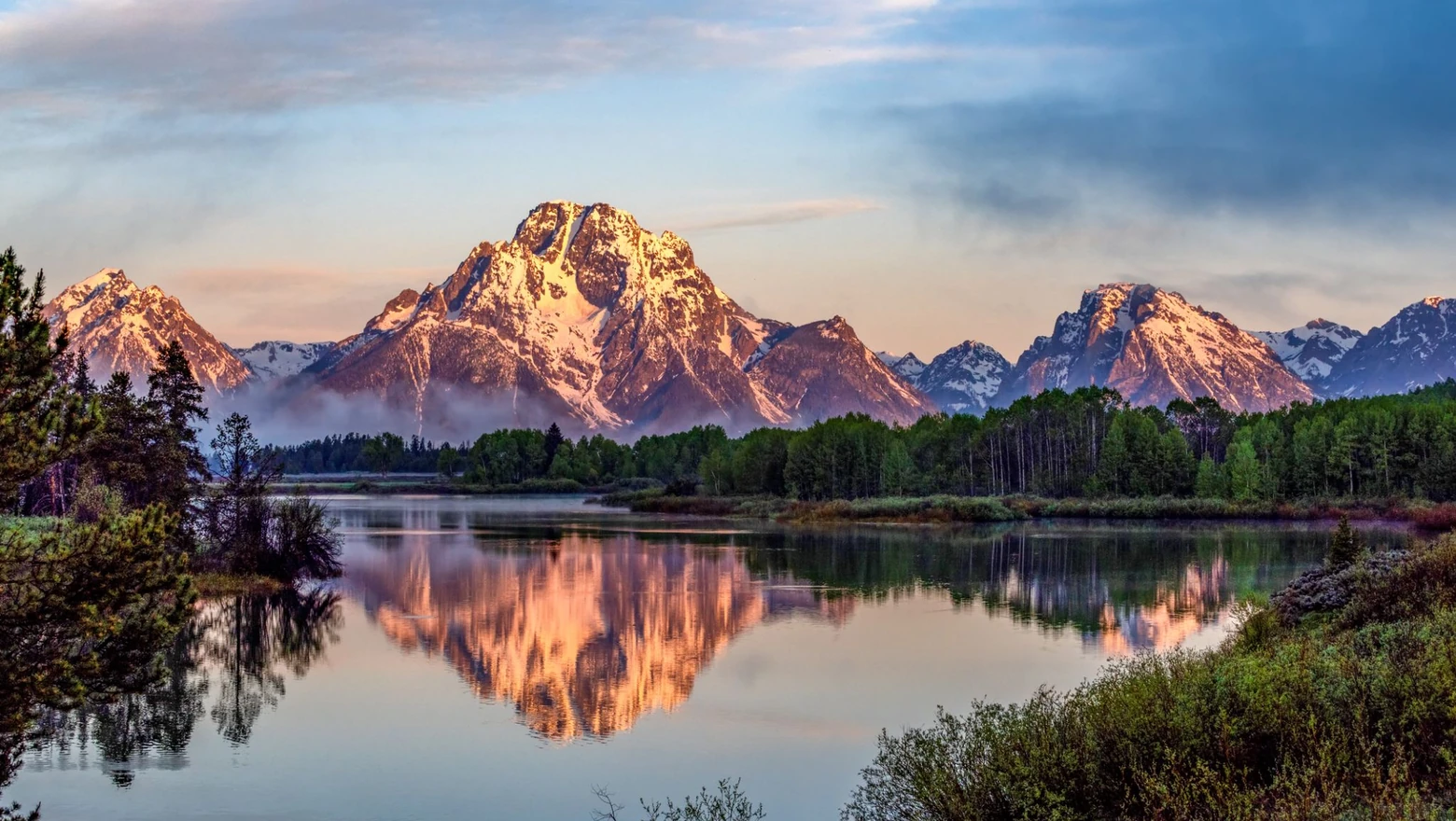
With its wide-open spaces and low cost of living, Wyoming can be a welcoming destination for retirees who love the outdoors and are looking to maximize their retirement savings. The least populated state in the nation and home to Yellowstone and Grand Teton national parks, Wyoming draws nature enthusiasts with sprawling vistas and adventure activities, from hiking to skiing.[1] The state is also financially attractive. There is no state income tax, no tax on retirement income, no inheritance or estate taxes, and property taxes are generally low.[2]
But along with Wyoming’s financial perks and natural beauty come a number of challenges. Winters in the Cowboy State are typically harsh with heavy snow, high winds, and sub-zero temperatures. Health-care access is often lacking, due to the state’s small population. And with just six people per square mile, Wyoming can feel isolating.
For these reasons and more, it’s important to think carefully about whether Wyoming makes sense for your lifestyle, retirement needs, and financial goals before hanging your cowboy hat there. Here’s what to know.
Key Points
- Tax haven: Wyoming is one of the most tax-friendly states for retirees, with no state income tax; no tax on Social Security, pensions, or retirement income; and no inheritance or estate tax.
- Low cost of living: Wyoming’s cost of living is about 6% below the national average.
- Housing is affordable: The median cost of homes in the Cowboy State is approximately $30,000 less than the national average. Homes in rural areas can be even more budget-friendly.
- Good health care can be hard to find: Wyoming ranks 40th in the U.S. for health-care performance, and 46th for health-care access. The state also has a shortage of doctors.
- Cold truth: Winters in Wyoming can be brutal, with sub-zero temperatures, strong winds, and heavy snowfall.
Cost of Living in Wyoming
Living in Wyoming is affordable. In fact, the state’s cost of living is below the national average.
Wyoming’s cost of living index is 93.7, meaning that it’s about 6% lower than the U.S. average. That makes Wyoming the 20th most affordable state in the nation. Groceries are one of the highest expenditures at 98.9, while housing is the lowest at 86.5.[3]
| Cost of Living | Wyoming Approximate Value* | U.S. Average (100 = U.S.) |
|---|---|---|
| Cost of Living Index | 93.7 (i.e., about 6% below U.S. average) | 100 |
| Typical Home Price | ~$379,000[4] | ~$409,000[5] |
Sources: The Council for Community & Economic Research (C2ER) annual Cost of Living Index 2026 (first quarter), via Missouri Economic Research and Information Center, compares regional expenditures across households in the upper quintile of income; Redfin: Wyoming Housing Market, June 2026; Redfin: United States Housing Market, June 2026.
Housing Costs (Buying vs Renting)
Buying a house in Wyoming is far cheaper than in many other states. The median cost of a home there is about $379,000 as of June 2026. That’s well below the median sale price of a home in the U.S., which is approximately $409,000.
Those looking to rent will pay an average of $1,200 a month for a one-bedroom apartment in a city like Cheyenne, though rental prices vary by location. In some smaller Wyoming towns, the rent is around $800 a month.[6]
Utilities and Everyday Expenses
Wyoming is one of 10 states with the lowest electric bills in the U.S., thanks to the state’s abundant energy resources and low population density. The average electric bill in Wyoming in May 2026 was $128. This is lower than the average electric bill in the U.S. of $159 for the same month.[7]
Expenses like groceries and health care come close to the national cost averages, but are still slightly below it.
What This Means for Retirees
Wyoming can be a good fit for a retiree’s budget. Housing costs are significantly cheaper than the national average, and the state has some of the lowest electric rates in the country. Everyday expenses such as groceries and health care are also less than the U.S. average, which means a retiree’s income may stretch farther. This can be helpful for those on a fixed income.
What Is a Good Retirement Income in Wyoming?
The cost of living in Wyoming varies, depending on whether you live in a city or rural area. Retirees may need an estimated $59,000 annually to retire in the state.[8] However, those planning to settle down in a luxury resort area like Jackson Hole might plan on at least $80,000, mainly due to the higher cost of housing, as well as higher everyday expenses.[9]
Real-World Scenarios
What does retiring in Wyoming actually look like from a financial standpoint? Here are two examples.
Scenario A: A retiree owns a house near a small city in the middle or eastern part of the state. They receive about $25,000 a year from Social Security and $32,000 from retirement income, which adds up to $57,000 a year. That may work for an individual that lives a modest lifestyle far from a resort area or national park.
Scenario B: A retiree lives about 45 minutes from the resort area of Jackson Hole, and enjoys the area’s amenities, such as skiing and dining. They receive about $35,000 annually from Social Security and $60,000 from retirement income. Total: $90,000 a year. Living a distance from the resort area in a neighboring town where costs, including housing, are lower, could make this feasible.
Taxes and Retirement in Wyoming
Wyoming is one of the most tax-friendly states in the nation for retirees. It ranks number-one on the 2026 State Tax Competitive Index compiled by the Tax Foundation.[10]
The Good News: A Tax Haven
Wyoming has no state income tax; no tax on retirement income, and no estate or inheritance tax. So retirees in Wyoming pay:
- No state income tax
- No Social Security tax
- No tax on pension income
- No tax on retirement withdrawals from individual retirement accounts (IRAs) and 401(k)s
- No estate tax
- No inheritance tax
The Not-So-Bad News
Wyoming does have a sales tax and property taxes, but both are low. Plus, seniors may get special exemptions on property taxes.
Income Tax
Wyoming is one of nine states with no income tax, making it a retirement destination more and more retirees are considering. For those on a fixed income, a lack of taxes may help them stretch their dollars.
Property and Sales Tax
Wyoming property values have increased in recent years, leading to higher property taxes. But still, the state’s average property tax rate is 0.53%, among the lowest in the nation.
To help ease the property tax increases, Wyoming passed a constitutional amendment in 2024 that created exemptions for owner-occupied primary residences. Beginning in 2026, full-time residents who live in their home for at least eight months a year can get a 25% exemption on the first $1 million of the market value of their home. Seniors who have paid taxes in the state for 25 years can get a 50% exemption, and veterans are eligible for an extra $6,000 exemption. Wyoming has also capped single-family home valuation increases at 4% per year.[11]
The state sales tax in Wyoming is relatively low at 4.00%. The average combined state and local sales tax rate is 5.36%.[12]
Estate/Inheritance Tax
Wyoming does not have state-level taxes on estates or inheritances. That means anything an individual in Wyoming leaves their heirs is not taxed by the state. However, federal tax obligations may still apply, depending on the size of the estate.
What This Means for Retirees
Wyoming is a tax-friendly state for retirees, with no state income tax, no tax on retirement income, including Social Security and pension income, and no estate or inheritance tax. The taxes retirees in Wyoming do need to pay are low — such as the combined state and local sales tax, and property taxes that are among the lowest in the U.S., with possible exemptions to help make increases more affordable.
Health Care Access and Quality
Access to good health care is one area where Wyoming falls short. The state ranks 40th in state health-care performance, based on such factors as health-care access, treatment and prevention, affordability, and equity.[13]
- Access: Wyoming ranks near the bottom of the list for health-care access, coming in at number 46.[14] Major regional medical centers are clustered in cities like Cheyenne, Casper, and Laramie, which are located in the eastern part of the state. Residents of rural areas often have to travel for health care. On average, residents travel more than 26 miles for care — the second longest distance nationwide. Those who need specialized health care may need to travel out of state.
- Options: Retirees have such options as Medicare, Medicare Advantage, Medicaid, and private supplemental insurance.[15]
- Quality: Wyoming has a serious doctor shortage with slightly more than 220 doctors for every 100,000 residents, which is one of the lowest rates in the U.S. In a separate study on senior health care, it ranked 18th overall among U.S. states.[16]
What This Means for Retirees
Many areas of Wyoming have limited access to health care, and residents often need to travel a distance to get the care they need. Additionally, there is a doctor shortage in the state. Specialized care may require traveling to another state.
Those considering a move to Wyoming should factor these health-care challenges into their calculations.
Lifestyle and Things to Do in Retirement
Love nature and an active lifestyle? You can hike, bike, climb, fish, ski, and go river rafting in Wyoming — the possibilities are practically endless. With mountains, forests, and top-notch natural parks, Wyoming is full of fun and exciting outdoor adventures — and plenty of cultural experiences, too.
- Outdoor Recreation: Wyoming has millions of acres of public lands to explore, thousands of lakes, and hundreds of miles of trails to traverse in spring, summer, and fall. In the winter, there’s skiing, snowmobiling, and snowshoeing; you can warm up afterward in the state’s natural hot springs.
- Culture and Community: From small town rodeos to digging for dinosaur bones to attending world-class performances at the Grand Teton Music Festival, Wyoming offers a unique range of cultural experiences, with something for everyone.
- Peaceful Pace: Wyoming exudes a sense of calm. The state’s rural towns offer a quiet lifestyle with a strong sense of community; bigger cities have shops, restaurants, museums, and art galleries, but still, they tend to have a relaxed vibe.
Best Places to Retire in Wyoming
From cities to small towns, there’s something for everyone in Wyoming. These three categories of cities are tailored to different priorities.
Most Popular Cities
- Cheyenne (Laramie County): The state capital and largest city, it has many amenities, is community-oriented, and boasts numerous parks, gardens, and miles of trails.
- Casper (Natrona County): The second-largest city in Wyoming, it has a river running through the center with mountains just minutes away. The revitalized downtown is filled with restaurants, brew pubs, and museums.
- Laramie (Albany County): A lively and diverse college town with mountain views and easy access to hiking and skiing, Laramie has a strong sense of community, and many cultural activities.
Most Affordable Cities
- Powell (Park County): Living expenses here are far below the national average, senior housing is available, including subsidized and low-income options, and there is an active senior community.
- Gillette (Campbell County): This city, known for its small-town feel, has low housing costs, affordable assisted-living options, and an active senior community.
- Riverton (Fremont County): With one of the most affordable housing markets in the state and a low cost of living, this small and picturesque city provides retirees with a good quality of life at a budget-friendly price.
Cities With Strong Health Care Access
- Lander: Located in the middle of the state, this rural town has a robust senior population and a number of medical centers offering emergency and acute care as well as primary care.
- Jackson: The resort town has robust health-care services for retirees, including a full-service hospital with geriatric services. But the cost of living and price of housing is high.
- Sheridan: Located near the Big Horn Mountains, this town offers good health-care access, including a hospital with specialized health care for seniors, and elder-care networks that provide rides to doctor appointments, rehab facilities, and nursing services.
Pros and Cons of Retiring in Wyoming
There are benefits and drawbacks to living in Wyoming. These are some of the most significant advantages and disadvantages to consider before making a move.
Pros
Advantages of retiring to Wyoming include:
- No state income tax; no tax on Social Security, pensions and retirement income; and no inheritance or estate tax
- Low cost of living and affordable housing
- Wide open spaces and stunning scenery
- Unlimited outdoor recreation
- Small-town feel and tight-knit communities
Cons
Drawbacks of living in Wyoming as a retiree include:
- Limited access to quality health care
- Severe weather, including long, harsh winters that can make travel difficult
- Lack of amenities outside of bigger cities, such as diverse dining options, shopping, and cultural institutions
- Potential sense of isolation
- Long driving distances
Is Wyoming a Good Fit for Your Retirement?
Use this checklist to help determine whether the Cowboy State is the right place for you to spend your golden years.
Tips for Retiring in Wyoming
Serious about making the move to Wyoming? Consider taking these steps before you pack.
- Visit first. Take a trip to Wyoming and spend some time traveling around the state, if possible, to get a feel for it. Check out smaller towns and bigger cities to see what appeals.
- Research housing. While home prices are generally low across Wyoming, certain areas, such as those near Jackson Hole, can be very expensive. Once you’ve narrowed down an area, consider renting there to make sure it’s a good fit.
- Choose a place with good health-care access. Look for a city or town with a good medical center, and consider a place within driving distance of a big city for specialized care, keeping in mind that you may need to travel to a city in a bordering state.
- Explore internet options in the town and neighborhood you’re moving to. Internet connection can vary widely, particularly in rural areas. Some remote areas are satellite only, which can cause issues, especially in bad weather.
- Spend a winter in Wyoming before you move there for good. The winter weather can be severe. Make sure you’re up to it.
- Invest in a reliable 4-wheel drive vehicle and good snow tires. In some areas, you may need them five months or more a year.
- Learn how to DIY. This rural state generally doesn’t have the same kind of services that places with big cities do. As a result, Wyoming residents tend to be handy and self-reliant. What that means for you is if something breaks, it’s a good idea to know how to fix it.
The Takeaway
With its tax-friendly status, low cost of living, and affordable housing, Wyoming may be an appealing option for retirees on a fixed income, or those looking to stretch their retirement savings as far as possible. Outdoor enthusiasts and nature lovers will enjoy the state’s mountains, lakes, and wide-open spaces.
But the trade-offs are real. Health-care access is limited in many places, the winters are often harsh, and the state’s sparse population can make it feel isolating. Retiring in Wyoming may also impact individuals’ economic situation in different ways. Consulting with a tax and financial professional may help determine if Wyoming is a good fit for your retirement years financially.
Retirees considering Wyoming should weigh the pros and cons carefully and may spend some time renting in the state to make sure it’s the right move.
Ready to invest for your retirement? It’s easy to get started when you open an IRA online with SoFi. SoFi doesn’t charge commissions, but other fees apply (full fee disclosure here).
Easily manage your retirement savings with a SoFi IRA.
FAQ
Does Wyoming tax Social Security or retirement income?
No. Wyoming does not tax Social Security, retirement income such as 401(k) or IRA withdrawals, or pensions. In fact, Wyoming is one of the most tax-friendly states in the nation.
What is a “good” retirement income in Wyoming?
A good retirement income in Wyoming is at least $59,000 a year to live comfortably. However, if you’re considering moving near a resort area like Jackson Hole, you will likely need $80,000 or more annually.
How high are property taxes in Wyoming?
Property taxes in Wyoming are low. The state’s average property tax rate is 0.53%, among the lowest in the nation. Plus, Wyoming has some new property tax exemptions for residents who qualify.
Does Wyoming have an estate or inheritance tax?
No. Wyoming has no estate tax or inheritance tax. However, federal tax obligations still apply, depending on the size of the estate.
Where are the best places to retire in Wyoming?
The best places to retire in Wyoming depend on what your priorities are. Popular cities in the state include Cheyenne and Casper. Affordable cities include Riverton and Powell. And cities with good health-care access include Jackson and Sheridan.
Article Sources
- Wyoming Office of Tourism.
- Tax Foundation: Taxes in Wyoming: 2026 Wyoming Tax Rates, Collections, and Burdens.
- Missouri Economic Research and Information Center.
- Redfin: Wyoming Housing Market.
- Redfin: United States Housing Market.
- Apartments.com: Rental Market Trends in Wyoming.
- Save On Energy: Electricity Bill Report: August 2026.
- GoBankingRates: The Minimum Savings You Need to Retire in Every State.
- Income by Zipcode, Wyoming, 2026.
- Tax Foundation: State Tax Competitive Index 2026.
- Natrona County, Wyoming, Property Tax Relief Programs, 2026.
- Tax Foundation: State and Local Sales Tax Rates, 2026.
- The Commonwealth Fund: State Health Data Center, Wyoming.
- The Commonwealth Fund: 2025 Scorecard on State Health System Performance.
- Wyoming Seniors: Wyoming State Health Insurance Assistance Program.
- Senior Living: Senior Healthcare State Report Cards.
Photo credit: iStock/jimfeng
This content is for educational and informational purposes only. The products, services, or features discussed may not currently be available via the SoFi platform. Any references to third-party products, services, or companies do not constitute an endorsement, recommendation, or solicitation by SoFi. Readers should independently evaluate their options and consider their individual financial needs and circumstances before making any decisions. ©2026 SoFi Technologies, Inc. All rights reserved.
Third-Party Brand Mentions: No brands, products, or companies mentioned are affiliated with SoFi, nor do they endorse or sponsor this article. Third-party trademarks referenced herein are property of their respective owners.
External Websites: The information and analysis provided through hyperlinks to third-party websites, while believed to be accurate, cannot be guaranteed by SoFi. Links are provided for informational purposes and should not be viewed as an endorsement.
SOIN-Q326-073