SoFi Blog

Tips and news—
for your financial moves.

Pay Worldwide Waitlist

Send money to over 30 countries — seamlessly.

Soon you’ll have a better way to send money worldwide with
SoFi Checking and Savings:

  • Low cost
  • Fast
  • Easy to use

This new feature is coming soon, so join the waitlist today.


Join the waitlist

Members will be able to access global remittance services through SoFi Checking and Savings. SoFi Checking and
Savings is offered through SoFi Bank, N.A. Member FDIC.

*Zelle® should only be used to send money to friends, family and others that you know and trust. We recommend that
you do not use Zelle® to send money to those you do not know or have not met. Neither SoFi nor Zelle® offers
purchase protection for payments made with Zelle®. For example, if you do not receive the item you paid for or the
item is not as described or as you expected, you might not be able to get your money back once you send it.

To send or receive money with Zelle®, both parties must have an eligible checking or savings account. Transactions
between enrolled users typically occur in minutes. Eligibility criteria apply. Dollar and frequency limits apply.
See the Zelle® terms for SoFi users, opens in
new window full terms and conditions. We do not charge a fee to use Zelle®. We will send you an email alert with
transaction details after you send money using Zelle®. Data connection required. Message and data rates may apply.

Zelle® and the Zelle® related marks are wholly owned by Early Warning Services, LLC and are used herein under
license.

©2025 SoFi Bank, N.A. All rights reserved. Member FDIC. Equal Housing Lender.

SoFi Bank, N.A., 2750 E Cottonwood Pkwy STE 300, Salt Lake City, UT 84121. Screen images simulated. BNK25-2648550-D

Read more

Crypto Waitlist

Get ready: Crypto’s coming back to SoFi.

That’s right, soon SoFi members will be able to buy, sell, and hold cryptocurrencies and seamlessly manage
them all right in the SoFi app.


Join the waitlist

SoFi crypto investing services to be offered by a SoFi-affiliated entity, subject to applicable regulatory approval.
Crypto and other digital asset products and services involve significant risk, have no guarantees, holdings aren’t
protected by FDIC or SIPC insurance, and may lose value. Regulatory and entity-specific disclosures will be provided
prior to product launch.

SoFi. 234 1st Street, San Francisco, CA 94105. BNK25-2648550-E

Read more

We Spend Hundreds on Food We Throw Out. How to Cut Waste.

This article appeared in SoFi's On the Money newsletter. Not getting it? Sign up here.

You meant to make that stir-fry. Really, you did. But now the bell peppers are shriveled, the chicken’s past its prime, and the cilantro? It’s gone full slime. If your fridge had a “science experiment” drawer, you’d be all set.

Most of us accept that we’ll waste some food. It’s pretty hard to avoid it entirely. But how much do you throw away and what is it costing you? The numbers are pretty startling.

Over a third of food in the U.S. is never eaten, and the average person wastes an estimated 256 pounds (!) of food — $728 worth — each year, according to a recent study by the Environmental Protection Agency.

For a family of four, that works out to $2,913 a year — or $56 each week — in uneaten groceries, takeout, and restaurant food. That’s enough to cover the average household’s utility bills for eight months.

All told, in 2023 Americans spent $261 billion on food they didn’t ultimately eat, which represented nearly 14% of their annual spending on food at home and 7% of their spending on food away from home, according to the non-profit ReFed.

As a nation, food is wasted at every step of the process — whether it’s unharvested on farms, rejected by grocery stores, or left on your plate at a restaurant — making it a significant drain on the economy. And then there are the environmental impacts: Wasted food squandered an estimated 16.2 trillion gallons of water in 2023, and is responsible for over half the methane gas generated by landfills.

But nearly half of all food waste occurs at home, making your own shopping and eating habits a key part of the solution.

So what? Small changes at home can add up, potentially saving you hundreds of dollars and chipping away at a systemic problem. You don’t have to be perfect to get better, either. Start here:

•   Take note of what you’re wasting. Is it spoiled herbs and salad greens, leftovers from dinner, or your kid’s lunchbox items that aren’t getting eaten? Being mindful of what it is you’re wasting is half the battle as you adjust your habits.

•   Take a quick inventory before you shop. Check your fridge before shopping to avoid buying produce, meat, and other perishables you already have.

•   Check your calendar before you shop. When you’ve got two work dinners coming up and your kids are at sleepaway camp, it’s probably not the best week to buy a huge loaf of fresh bread or all the ingredients for that new summer salad recipe.

•   Schedule your leftovers. When you have leftovers from a meal, take a minute to consider your schedule for the next three days. If you’re not going to be home much, consider putting them straight in the freezer.

•   Be careful about buying in bulk. Prices can be lower if you buy bigger quantities, but you’re not saving money if you don’t end up eating the extra food. Skip bulk buys you may not finish.

•   Be creative about using leftovers or other groceries that need to get used. You don’t have to like eating leftovers to use leftovers. Turn the rest of those veggies from last night’s dinner into a soup or make an egg scramble with unused sausage. Make a stock with wilted veggies or a tasty quick bread from mushy bananas. Chances are most of it is still edible. And all of it is paid for.

•   Make sure you’re storing produce properly. Keep greens wrapped with paper towels, tomatoes and bananas on the counter, potatoes and onions in cool dark places, and herbs in water. Keep frozen fruits and veggies handy.

Wasting food wastes money, time, and resources. It hits your budget and clogs landfills. Plus, getting more from what you already have feels good.

If you save $20 a week, your cell phone bill or a month’s gym membership is covered. Or some of next week’s groceries — enough to buy those stir-fry ingredients again.

Related Reading

Do ‘Ugly’ Produce Delivery Services Actually Save You Money? (Tasting Table)

The 10 Groceries You’re Most Likely To Throw Away, and How To Stop Wasting That Money (All Recipes)

Food Expiration Date Guidelines (Real Simple)


Please understand that this information provided is general in nature and shouldn’t be construed as a recommendation or solicitation of any products offered by SoFi’s affiliates and subsidiaries. In addition, this information is by no means meant to provide investment or financial advice, nor is it intended to serve as the basis for any investment decision or recommendation to buy or sell any asset. Keep in mind that investing involves risk, and past performance of an asset never guarantees future results or returns. It’s important for investors to consider their specific financial needs, goals, and risk profile before making an investment decision.

The information and analysis provided through hyperlinks to third party websites, while believed to be accurate, cannot be guaranteed by SoFi. These links are provided for informational purposes and should not be viewed as an endorsement. No brands or products mentioned are affiliated with SoFi, nor do they endorse or sponsor this content.

SoFi isn't recommending and is not affiliated with the brands or companies displayed. Brands displayed neither endorse or sponsor this article. Third party trademarks and service marks referenced are property of their respective owners.

OTM20250714SW

Read more

5 Ways to Cut Scorching Summer Electric Bills

This article appeared in SoFi's On the Money newsletter. Not getting it? Sign up here.

Between record temperatures and rising utility rates, summer electric bills can be a scorcher to your budget.

In fact, retail electricity prices have risen faster than inflation since 2022, and the government expects increases to continue through next year— even as Americans set new consumption records.

But trimming your usage doesn’t have to mean making big sacrifices. Here are five ways to help cut down your costs and stay cool:

1. Turn up the temperature. You might cringe at this suggestion, especially during this summer’s heat waves, but bumping your thermostat up by just a few degrees can help cut your bill. And you can raise the temp even more when you’re away from home, then readjust once you’re back. (Or better yet, finally figure out how to program your thermostat.)

Of course, this would depend on your comfort level, and 80+ degrees is probably unrealistic. (PSA: Energy Star’s guide is reportedly being widely misinterpreted as recommending 78-85 degree settings). But the point is that bumping up a few degrees means our systems don’t have to work as hard, saving energy and money.

•   Changing your thermostat 7-10 degrees for 8 hours a day can save you as much as 10% a year on heating and cooling, according to the Department of Energy.

•   Many AC units can only cool your home by about 20 degrees compared to the outdoor temperature. So if it’s 100 out, setting your thermostat to 70 probably won’t get you there and will just waste energy.

•   A dirty filter or poorly sealed window unit can cause your AC to run inefficiently. Check for gaps or holes around window AC units and make sure filters are cleaned or replaced regularly.

2. Don’t let the light in. We’re often told to let the sunshine in, but during the summer, living like Dracula (minus the coffin) can pay off big time. Sunlight might brighten your space, but it also significantly heats it up. During the hottest parts of the day, keeping your curtains or shades closed can make a surprising difference in how hard your AC has to work.

•   Blackout curtains or thermal shades can be super helpful, especially on south- or west-facing windows.

•   You can also apply temporary window film or heat-reflective inserts if you’re in a rental and can’t make major changes. Think of it as sunscreen for your space.

3. Shop around for electricity. If you live in a state with a deregulated energy market – check this list to find out — you may be able to choose your electricity supplier and possibly get a better rate. Some electricity companies also offer “time of use” plans — lower rates for using AC and appliances during off-peak hours. So if you’re game for doing laundry between midnight and 8 a.m, that could help too.

4. Cut the current when you can. When the weather’s milder — like in the morning or evening — consider switching from AC to fans. Ceiling and floor fans use a small fraction of the energy an air conditioner does, and the wind effect can make you feel cooler. And while you’re at it, unplug “vampire electronics that drain electricity even when not being used, like chargers, microwaves, and game consoles. Use power strips to make it easier to flip everything off at once.

5. Cool off on someone else’s bill. If you’re working remotely or just hanging out at home during the day, consider spending time in public places that are already paying to keep the AC running. Think: libraries, cafes, museums, and movie theaters. This can help you slash the number of hours your home AC is running. You’ll not only save money, but you might also discover a new favorite spot in your community.


Please understand that this information provided is general in nature and shouldn’t be construed as a recommendation or solicitation of any products offered by SoFi’s affiliates and subsidiaries. In addition, this information is by no means meant to provide investment or financial advice, nor is it intended to serve as the basis for any investment decision or recommendation to buy or sell any asset. Keep in mind that investing involves risk, and past performance of an asset never guarantees future results or returns. It’s important for investors to consider their specific financial needs, goals, and risk profile before making an investment decision.

The information and analysis provided through hyperlinks to third party websites, while believed to be accurate, cannot be guaranteed by SoFi. These links are provided for informational purposes and should not be viewed as an endorsement. No brands or products mentioned are affiliated with SoFi, nor do they endorse or sponsor this content.

SoFi isn't recommending and is not affiliated with the brands or companies displayed. Brands displayed neither endorse or sponsor this article. Third party trademarks and service marks referenced are property of their respective owners.

OTM2025071401

Read more

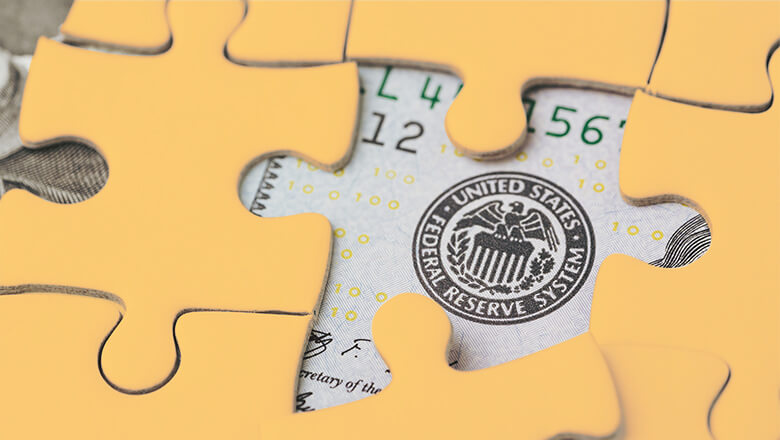
Week Ahead on Wall Street: Obstacle Course

Inflation and trade uncertainty muddy the outlook as earnings season begins.

After weeks of focusing on broad inflation and employment data, the focus is set to pivot from the macro to the micro: It’s the unofficial start of the second-quarter earnings season.

As is tradition, the nation’s largest banks and financial institutions will lead the way. These financial giants provide a unique and vital window into the economy, with their results often revealing key trends in consumer spending, loan demand, and credit health.

Investors will be listening closely to what executives say about the path of the economy and the impact of interest rates on their business and their customers, both now and in the future.

The week won’t be without new economic data, though. The biggest release will be the latest Consumer Price Index (CPI), a critical measure of inflation that will undoubtedly influence the market’s mood.

A hot inflation report would certainly amplify concerns around tariff price hikes, but that doesn’t mean that lower-than-expected inflation would be an all-clear signal. There’s always the possibility inflation will spike in future months.

An analogy for the market backdrop is that of an obstacle course. Whether it’s earnings results or inflation reports, there are many things that could trip up the strong stock market momentum, but the only thing that will truly clear up the uncertainty clouding markets is a resolution to global trade upheaval. That is unlikely to come this week.

Economic and Earnings Calendar

Monday

•   Earnings: Fastenal (FAST).

Tuesday

•   July Empire State Manufacturing Activity: The New York Fed’s survey of manufacturing executives in the region on business conditions and their outlook.

•   June Consumer Price Index: The CPI is one of the most popular indicators for tracking consumer price trends and is a marquee release for market watchers.

•   Fedspeak: Boston Fed President Susan Collins will deliver the closing keynote speech at the 2025 Economic Measurement Seminar. Dallas Fed President Lorie Logan will discuss the Federal Reserve and the economic backdrop at an event hosted by the World Affairs Council of San Antonio. Richmond Fed President Tom Barkin will give a speech titled Forecasting Beyond Today’s Data.

•   Earnings: Bank of New York Mellon (BK), BlackRock (BLK), Citigroup (C), JB Hunt Transport Services (JBHT), JPMorgan Chase (JPM), Omnicom Group (OMC), State Street (STT), Wells Fargo (WFC)

Wednesday

•   June Producer Price Index: The PPI tracks price trends that producers face and is down significantly from its peak earlier in the cycle.

•   July New York Services Activity: The New York Fed’s survey of manufacturing executives in the region on business conditions and their outlook.

•   June Industrial Production and Capacity Utilization: The industrial sector accounts for much of the cyclical swings in economic activity.

•   Fed Beige Book: This report is released eight times per year and tracks the state of the economy based on qualitative information.

•   Weekly Mortgage Applications: Mortgage activity gives insight on demand conditions in the housing market.

•   Fedspeak: Cleveland Fed President Beth Hammack will speak at Cuyahoga County Community College. New York Fed President John Williams will discuss the economic outlook and monetary policy at a New York Association for Business Economics event. Barkin will repeat his speech titled Forecasting Beyond Today’s Data.

•   Earnings: Bank of America (BAC), Goldman Sachs Group (GS), Johnson & Johnson (JNJ), Kinder Morgan (KMI), Morgan Stanley (MS), M&T Bank (MTB), Progressive (PGR), Prologis (PLD), PNC Financial Services Group (PNC), United Airlines (UAL)

Thursday

•   June Retail Sales: This measures spending at retail stores and is a key indicator of consumer demand.

•   June Import/Export Price Indexes: These indexes track the changes in the prices of nonmilitary goods and services traded between the U.S. and the rest of the world.

•   July Philadelphia Fed Manufacturing Activity: The Philadelphia Fed’s survey of manufacturing executives in the region on business conditions and their outlook.

•   July NAHB Housing Market Index: This index tracks how homebuilders feel about the current and future state of the single-family housing market.

•   Weekly Jobless Claims: This high frequency labor market data gives insight into filings for unemployment benefits. Initial jobless claims have remained mostly steady, while continuing claims have increased of late.

•   Fedspeak: St. Louis Fed President Alberto Musalem will discuss the economy and monetary policy at an Official Monetary and Financial Institutions Forum event. San Francisco Fed President Mary Daly will discuss the economic outlook and challenges for policymakers at an event hosted by MNI Connect.

•   Earnings: Abbott Laboratories (ABT), Citizens Financial Group (CFG), Cintas (CTAS), Elevance Health (ELV), Fifth Third Bancorp (FITB), General Electric (GE), Marsh & McLennan Companies (MMC), Netflix (NFLX), PepsiCo (PEP), Snap-on (SNA), Travelers Companies (TRV), US Bancorp (USB)

Friday

•   June Building Permits and Housing Starts: Construction data is a leading indicator of economic activity.

•   July University of Michigan Consumer Sentiment: How consumers feel about economic conditions affect their spending habits. This survey places a particular focus on inflation and its trajectory.

•   Earnings: American Express (AXP), Huntington Bancshares (HBAN), MarketAxess Holdings (MKTX), 3M (MMM), Regions Financial (RF), Charles Schwab (SCHW), Schlumberger (SLB), Truist Financial (TFC)


Want to see more stories like this?
On the Money is SoFi’s flagship newsletter
for all things personal finance.

Check it out


Please understand that this information provided is general in nature and shouldn’t be construed as a recommendation or solicitation of any products offered by SoFi’s affiliates and subsidiaries. In addition, this information is by no means meant to provide investment or financial advice, nor is it intended to serve as the basis for any investment decision or recommendation to buy or sell any asset. Keep in mind that investing involves risk, and past performance of an asset never guarantees future results or returns. It’s important for investors to consider their specific financial needs, goals, and risk profile before making an investment decision.

The information and analysis provided through hyperlinks to third party websites, while believed to be accurate, cannot be guaranteed by SoFi. These links are provided for informational purposes and should not be viewed as an endorsement. No brands or products mentioned are affiliated with SoFi, nor do they endorse or sponsor this content.

SoFi isn't recommending and is not affiliated with the brands or companies displayed. Brands displayed neither endorse or sponsor this article. Third party trademarks and service marks referenced are property of their respective owners.

Read more
TLS 1.2 Encrypted
Equal Housing Lender