Table of Contents
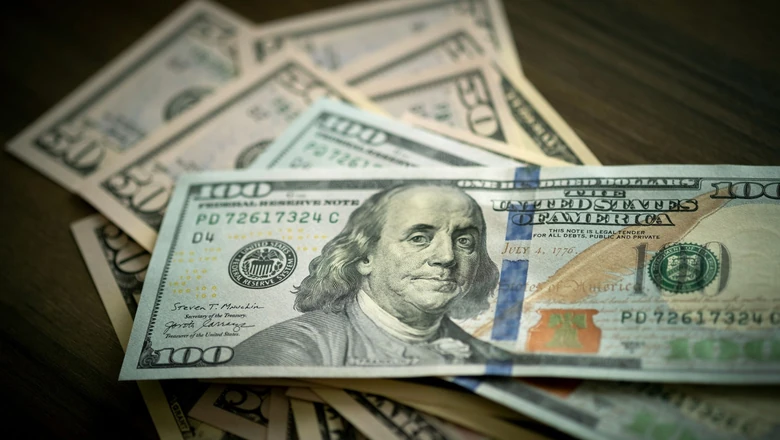
U.S. paper currency is made from a durable blend of cotton and linen with specialized inks using highly controlled production methods. Although bills may seem simple, each one goes through an intricate manufacturing process designed to make it durable, recognizable, and difficult to counterfeit. Knowing more about how American money is made can provide insights into a key aspect of the financial system.
Key Points
• U.S. currency is constructed from a specialized, durable blend of 75% cotton and 25% linen that differs from standard book paper.
• The manufacturing process utilizes intricate techniques like offset and intaglio printing to add detailed features that prevent counterfeiting.
• Modern banknotes incorporate advanced security measures like watermarks, microprinting, and color-shifting ink.
• High-speed cameras and software conduct rigorous inspections during production to ensure only flawless currency enters the supply chain.
• The Federal Reserve manages the currency lifecycle by distributing new notes to financial institutions and gradually removing worn or damaged bills from the supply.
What Is Money Made Out Of?
Although people often refer to U.S. currency as “paper money,” it isn’t made from the same paper used for books and office documents. Below, we take a closer look at the unique makeup of every bill you use to pay for items or deposit into your bank account.
The Cotton and Linen Blend
U.S. currency paper is made from a proprietary blend of 75% cotton and 25% linen, making it much more durable than ordinary wood-pulp paper. During manufacturing, security features such as embedded security threads and watermarks are incorporated directly into the stock for all denominations of $5 and higher.
Specialized Currency Inks
U.S. currency uses several specialized inks during production. Black ink creates many of the detailed engraved elements on the front of the bill, while green ink is used for Treasury seals and serial numbers. Denominations of $10 and up also include color-shifting ink that changes appearance when the note is tilted, making counterfeiting more difficult.
Recommended: Money Management: 7 Tips to Managing Your Money Better
How Is Money Made?
Now that we know what money is actually made of, let’s take a look at how it’s created.
1. Currency Design
Every U.S. bill begins with a carefully planned design. The Bureau of Engraving and Printing (BEP) works with the U.S. Department of the Treasury, the Federal Reserve, and the U.S. Secret Service when developing or redesigning currency. The process can take years and balances visual appeal, historical significance, and security.
Along with portraits and other design elements, modern bills incorporate features such as watermarks, embedded security threads, color-shifting ink, and microprinting. These features are integrated into the design to help the public identify genuine currency and make counterfeiting more difficult.
2. Offset Printing
After a currency design is finalized, large sheets of currency paper move through offset printing presses that apply the bill’s multicolored background. This stage lays the foundation for the intricate design before additional details, such as portraits, lettering, and security features, are added during the later printing steps.
3. Intaglio Printing
During intaglio printing, engraved printing plates and high-pressure presses create the raised ink that give genuine bills their distinctive feel. Portraits, numbers, lettering, and the intricate scrollwork found throughout each note are all applied at this stage, adding both visual detail and security features that help deter counterfeiting.
4. Currency Inspection
Before production continues, the BEP carefully inspects each printed sheet using its Offline Currency Inspection System. High-speed cameras and specialized software check for printing flaws and other defects. Sheets that meet the BEP’s quality standards move on to the next step, while those with imperfections are removed and destroyed.
5. Letterpress Overprinting
During letterpress overprinting, key identifying information is added to each bill. This includes the designation for the Federal Reserve (the central bank of the U.S.), along with the Treasury seal, serial numbers, and other identifiers that make every note unique. After overprinting is complete, the sheets undergo another inspection to verify that the information has been printed accurately before moving on to the final stages of production.
6. Cutting and Trimming
Once the printing process is complete, the currency sheets are cut into individual bills using precision equipment. The finished notes are counted, bundled, and prepared for shipment, with additional quality checks helping ensure they meet the BEP’s standards.
7. Packaging and Distribution
The packaged currency is shipped to Federal Reserve Banks around the country, where it enters the nation’s cash supply. As banks and credit unions order cash, the Federal Reserve distributes new notes to meet customer demand while gradually replacing bills that have become worn or damaged through circulation.
While modern alternatives like a digital wallet have become increasingly popular for managing everyday transactions, physical cash is still widely available and used.
Security Features in Modern Currency
Modern U.S. currency incorporates a variety of security features to make bills easier to authenticate and more difficult to counterfeit. Depending on the denomination, these features may include:
• Raised intaglio printing: The printing process creates the distinctive texture you can feel by running your fingers over a genuine bill.
• Watermarks: Many denominations include a faint image that becomes visible when the bill is held up to the light.
• Embedded security threads: Vertical threads built into the paper glow different colors under ultraviolet (UV) light, depending on the denomination.
• Microprinting: Extremely small text appears in several locations on genuine bills and is difficult for counterfeiters to reproduce accurately.
• Color-shifting ink: On higher denominations, some numerals change color when the bill is tilted.
• 3-D security ribbon: The redesigned $100 bill includes a blue ribbon woven into the paper with images that appear to move as the note is tilted.
These features work together to help protect the integrity of U.S. currency while making it easier for consumers and businesses to identify genuine bills.
The Takeaway
U.S. currency may look like ordinary paper money, but every bill is the result of a carefully controlled manufacturing process. From its durable cotton-linen blend to its specialized printing techniques and built-in security features, each note is designed to withstand years of circulation while helping deter counterfeiting.
Whether you pay with cash every day or only occasionally, understanding how money is made offers a closer look at the craftsmanship and technology behind one of the most recognizable parts of the U.S. financial system.
Interested in opening an online bank account? When you sign up for a SoFi Checking and Savings account with eligible direct deposit, you’ll get a competitive annual percentage yield (APY), pay zero account fees, and enjoy an array of rewards, such as access to the Allpoint Network of 55,000+ fee-free ATMs globally. Qualifying accounts can even access their paycheck up to two days early.
FAQ
What are U.S. coins made of?
The composition of U.S. coins varies by denomination. Modern pennies (which remain in circulation but are no longer being minted) are primarily zinc with a thin copper coating, while nickels are made from a copper-nickel alloy. Dimes, quarters, and half dollars have outer layers of copper-nickel bonded to a pure copper core, whereas modern dollar coins utilize a golden manganese-brass clad alloy over a copper core. Unlike paper currency, which is produced by the Bureau of Engraving and Printing, U.S. coins are manufactured by the U.S. Mint.
Who is responsible for printing U.S. currency?
The U.S. Bureau of Engraving and Printing (BEP), a bureau of the U.S. Department of the Treasury, designs and prints Federal Reserve notes. The BEP produces paper currency at its facilities in Washington, D.C., and Fort Worth, Texas. Once printed, the notes are shipped to Federal Reserve Banks, which distribute them to financial institutions as needed.
How long does paper money usually stay in circulation?
The lifespan of U.S. paper currency depends on the denomination and how often it’s used. According to the Federal Reserve, lower denominations generally wear out faster because they change hands more frequently. For example, a $1 bill typically lasts about seven years, while a $100 bill remains in circulation for about 24 years before being removed and replaced.
Can torn or damaged money be replaced?
Yes. If you have damaged U.S. currency, it may be eligible for replacement. Banks will often exchange bills that are only slightly damaged. For severely damaged currency, you can submit it to the Bureau of Engraving and Printing’s Mutilated Currency Division for evaluation. Generally, more than half of the original note must be identifiable for it to qualify for reimbursement.
How much does it cost the government to make a dollar bill?
The cost to produce U.S. currency varies by denomination because different notes include different security features and printing requirements. According to the Federal Reserve, a $1 bill typically costs around four cents to print, a $10 costs roughly seven cents, while a $100 dollar costs approximately 11 cents.
Photo credit: iStock/ardasavasciogullari
SoFi® Checking and Savings is offered through SoFi Bank, N.A. ©2026 SoFi Bank, N.A. All rights reserved. Member FDIC. Equal Housing Lender.Annual percentage yield (APY) is variable and subject to change at any time. Rates are current as of 5/28/26. There is no minimum balance requirement. Fees may reduce earnings. Additional rates and information can be found at https://www.sofi.com/legal/banking-rate-sheet
Eligible Direct Deposit means a recurring deposit of regular income to an account holder’s SoFi Checking or Savings account, including payroll, pension, or government benefit payments (e.g., Social Security), made by the account holder’s employer, payroll or benefits provider or government agency (“Eligible Direct Deposit”) via the Automated Clearing House (“ACH”) Network every 31 calendar days.
Although we do our best to recognize all Eligible Direct Deposits, a small number of employers, payroll providers, benefits providers, or government agencies do not designate payments as direct deposit. To ensure you're earning the APY for account holders with Eligible Direct Deposit, we encourage you to check your APY Details page the day after your Eligible Direct Deposit posts to your SoFi account. If your APY is not showing as the APY for account holders with Eligible Direct Deposit, contact us at 855-456-7634 with the details of your Eligible Direct Deposit. As long as SoFi Bank can validate those details, you will start earning the APY for account holders with Eligible Direct Deposit from the date you contact SoFi for the next 31 calendar days. You will also be eligible for the APY for account holders with Eligible Direct Deposit on future Eligible Direct Deposits, as long as SoFi Bank can validate them.
Deposits that are not from an employer, payroll, or benefits provider or government agency, including but not limited to check deposits, peer-to-peer transfers (e.g., transfers from PayPal, Venmo, Wise, etc.), merchant transactions (e.g., transactions from PayPal, Stripe, Square, etc.), and bank ACH funds transfers and wire transfers from external accounts, or are non-recurring in nature (e.g., IRS tax refunds), do not constitute Eligible Direct Deposit activity. There is no minimum Eligible Direct Deposit amount required to qualify for the stated interest rate. SoFi Bank shall, in its sole discretion, assess each account holder's Eligible Direct Deposit activity to determine the applicability of rates and may request additional documentation for verification of eligibility.
See additional details at https://www.sofi.com/legal/banking-rate-sheet. ^Early access to direct deposit funds is based on the timing in which we receive notice of impending payment from the Federal Reserve, which is typically up to two days before the scheduled payment date, but may vary.
*Awards or rankings from Forbes are not indicative of future success or results. This award and its ratings are independently determined and awarded by their respective publications.
We do not charge any account, service, or maintenance fees for SoFi Checking and Savings. We do charge transaction fees for outgoing wire transfers, Instant Transfers, and global remittance transfers. Our fee policy is subject to change at any time. See the SoFi Bank Fee Sheet for details at sofi.com/legal/banking-fees/.
SOBNK-Q326-009