Table of Contents
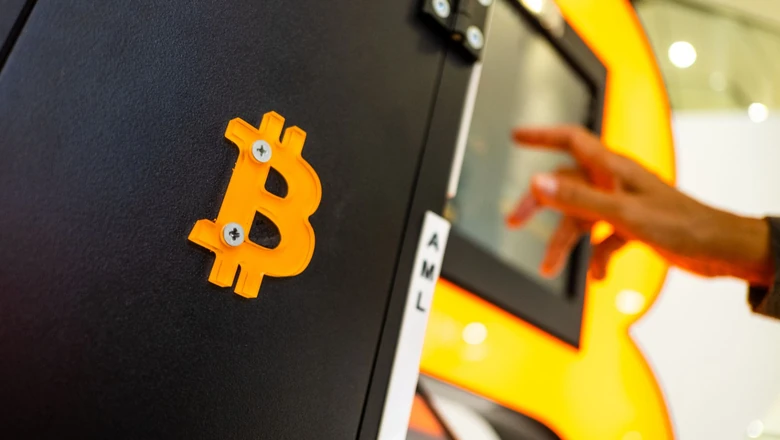
Bitcoin ATMs provide a convenient way to buy — and at some locations, sell — cryptocurrency using cash or, in some cases, a debit card. Unlike traditional bank ATMs, these machines connect to your digital wallet rather than your checking or savings account, allowing cryptocurrency transactions to be completed through the blockchain.
Bitcoin ATMs offer convenience, but they also come with certain risks, fees, and limitations. Understanding how they work, what they’ll cost, and how to recognize common scams can help you decide whether a Bitcoin ATM is the right choice for your next transaction.
Key Points
• Bitcoin ATMs function as self-service kiosks that allow you to buy cryptocurrency using cash or debit (some also allow you to sell).
• You must have a compatible digital wallet ready to receive your cryptocurrency purchase.
• Federal regulations require users to complete an identity verification process before they can transact.
• These machines often charge higher transaction fees and exchange spreads than standard online crypto exchanges.
• Avoid potential scams by refusing to send cryptocurrency payments to unknown parties or anyone pressuring you to act quickly.
How to Use a Bitcoin ATM Safely
Using a Bitcoin ATM is generally straightforward, but it’s important to understand the process before you consider using one. While individual machines may vary slightly, they generally follow the same basic steps. Before getting started, make sure you have a compatible digital wallet and be prepared to complete any required identity verification.
1. Find a Licensed Machine
Bitcoin ATMs are commonly located in convenience stores, grocery stores, shopping centers, gas stations, and other public locations. You can find a nearby machine using an online locator like CoinATMRadar or by searching a participating operator’s website.
Before using a machine, confirm that it’s operated by a legitimate company. In the United States, Bitcoin ATM operators are generally required to register as money services businesses with the Financial Crimes Enforcement Network (FinCEN) and comply with federal anti-money laundering (AML) and Know Your Customer (KYC) requirements. Avoid using machines that appear damaged, have been tampered with, or display suspicious instructions.
2. Complete Identity Verification
Bitcoin ATMs typically require some form of identity verification before you can complete a transaction. The exact requirements depend on the operator and the size of your transaction, but you may be asked to:
• Enter your mobile phone number to receive a one-time verification code
• Scan a government-issued photo ID
• Take a live selfie or photo for identity verification
Once your information has been verified, you can continue with your transaction.
3. Scan Your Wallet Address
Next, connect the Bitcoin ATM to your crypto wallet by scanning your wallet’s QR code. This tells the machine where to send the cryptocurrency you purchase. Before confirming the transaction, double-check that you’ve entered the correct wallet address, as blockchain transactions are final and irreversible once submitted.
4. Complete Your Transaction
To buy Bitcoin, insert cash — or, if the machine accepts it, use an available payment method — and confirm the purchase amount. If you’re selling Bitcoin at a two-way ATM, you’ll typically scan a QR code displayed on the machine, send the requested amount of cryptocurrency from your wallet, and wait for the blockchain transaction to be confirmed before the ATM dispenses cash.
When the transaction is complete, keep your receipt for your records and verify that the cryptocurrency has arrived in your wallet or that you received the correct cash payout. Depending on network traffic, blockchain confirmation times can vary, so your transaction may not appear immediately.
What Is a Bitcoin ATM?
Bitcoin ATMs are self-service kiosks that allow users to buy — and at some locations, sell — cryptocurrency. Instead of accessing a bank account, they connect directly to a digital wallet, making it possible to exchange cash for cryptocurrency or convert cryptocurrency into cash at participating machines.
How Does a Crypto ATM Differ From a Traditional Bank ATM?
Although they look similar, crypto ATMs and traditional bank ATMs serve different purposes. A bank ATM lets you access money that’s already in your checking or savings account, allowing you to withdraw cash, make deposits, or check your balance. A crypto ATM, on the other hand, is designed to buy or sell cryptocurrency. Rather than connecting to a bank account, it interacts with your digital wallet and processes transactions on the blockchain.
Crypto ATMs also differ in how they’re regulated and used. Most require identity verification before you can complete a transaction, and they typically charge higher fees than traditional bank ATMs. Depending on the machine, you may be able to purchase cryptocurrency only or both buy and sell digital assets.
Why Are They Called “Vending Machines” for Bitcoin?
Bitcoin ATMs are sometimes described as “crypto vending machines” because they exchange cash for digital assets. However, unlike a traditional vending machine, the cryptocurrency is delivered electronically to your wallet rather than dispensed physically.
How Does a Bitcoin ATM Work?
When you make a transaction, the Bitcoin ATM verifies your identity, processes your payment, and transfers cryptocurrency to or from your digital wallet using the blockchain. Depending on the operator, the machine may source cryptocurrency through an exchange or another trading platform.
Bitcoin ATMs are either one-way machines that only support purchases or bidirectional machines that allow both buying and selling. Supported cryptocurrencies, payment methods, transaction limits, and identity verification requirements vary by operator and location.
Role of Your Digital Wallet
A cryptocurrency wallet is essential for using a Bitcoin ATM. This is a type of digital wallet that stores the private keys needed to access and move your cryptocurrency, and its public address (represented as a QR code) is what tells the ATM where to send your purchase.
Before visiting a Bitcoin ATM, you’ll need a compatible wallet that can generate a QR code for your receiving address. Scanning this code reduces the risk of entering a wallet address manually and helps ensure your cryptocurrency is sent to the correct destination.
Your wallet’s private keys and recovery phrase (the “master key” for your entire wallet) should never be shared with anyone. Anyone who gains access to those credentials can control your cryptocurrency, and transactions generally can’t be reversed.
Recommended: Crypto Wallet vs Crypto Exchange
Crypto is
back at SoFi.
SoFi Crypto is the first national chartered bank where retail customers can buy, sell, and hold 25+ cryptocurrencies.
Important Considerations Before You Use a Crypto ATM
Bitcoin ATMs are convenient, but that convenience comes with some tradeoffs. Before you use one, it’s worth understanding the fees you’ll pay, the limits you may run into, and common scams targeting crypto ATM users.
Transaction Fees and Spreads
Bitcoin ATMs typically charge higher fees than online cryptocurrency exchanges to cover operating expenses, compliance requirements, and cash handling. In addition to a stated transaction fee, many operators build a markup — often called a spread — into the exchange rate they offer. This means the price you pay for Bitcoin (or receive when selling it) may differ from the current market price.
Before confirming your transaction, review both the listed fees and the exchange rate. Comparing the total cost with other ways to buy or sell cryptocurrency can help you determine whether a Bitcoin ATM is the most economical choice.
Daily Limits and Privacy
Bitcoin ATMs often limit how much cryptocurrency you can buy or sell in a single transaction or over a day. The exact limits vary by operator, location, and applicable regulations. Larger transactions may require additional identity verification, such as providing a government-issued ID and occupation information.
Although Bitcoin transactions are recorded on a public blockchain, using a Bitcoin ATM is generally not anonymous. Operators typically collect personal information to comply with federal AML and KYC requirements. Before using a machine, review the operator’s privacy policy so you understand what information is collected and how it may be used.
Common Bitcoin ATM Scams to Avoid
Crypto scammers commonly direct victims to Bitcoin ATMs because they provide a quick way to convert cash into cryptocurrency and send it to the fraudster’s wallet. A common scam tactic is to impersonate a government agency, utility company, bank, law enforcement office, or technical support representative and claim that you owe money or need to make an urgent payment. They then pressure you to deposit cash into a Bitcoin ATM and send cryptocurrency to a wallet they control.
Other scams — including investment fraud, romance scams, and so-called “pig butchering” schemes — may promise unusually high returns or attempt to build trust over time before asking you to send cryptocurrency.
Protect yourself by sending cryptocurrency only to people and businesses you know and trust. If someone contacts you unexpectedly demanding payment, verify the request by contacting the organization directly using official contact information rather than responding to the message or phone call. Be especially cautious of anyone who pressures you to act immediately or insists that Bitcoin is the only acceptable form of payment.
Is Buying Bitcoin at an ATM the Right Move for You?
A Bitcoin ATM can be a fast, straightforward way to get started with crypto, especially if you want to make a small, one-time purchase with cash and don’t already have accounts set up elsewhere. However, that convenience often comes at a higher cost.
Before completing a transaction, compare the ATM’s fees, transaction limits, and available cryptocurrencies with other purchasing methods. If you’re planning to make recurring crypto buys or larger purchases, an online cryptocurrency exchange or other digital asset service provider may provide lower costs and additional features.
ATM Purchases vs. Buying on a Centralized Exchange
Bitcoin ATMs have their benefits, but there are some situations where you may be better off using a centralized crypto exchange to buy or sell cryptocurrencies. Here’s how the two compare:
| Bitcoin ATM | Centralized Exchange | |
|---|---|---|
| How you pay | Usually cash, some machines also accept debit cards | Typically a linked bank account, debit card, or other supported payment method |
| Where you access it | Physical kiosk | Website or mobile app |
| Fees | Often higher transaction fees and exchange rate spreads | Generally lower trading fees |
| Cryptocurrency selection | Usually limited to a smaller number of cryptocurrencies | Often supports a wider selection of cryptocurrencies |
| Transaction limits | May have lower buy and sell limits | Often offers higher buy and sell limits |
| Identity verification | Required under U.S. regulations | Required under U.S. regulations |
| Best for | Convenient cash purchases or occasional transactions | Frequent trading, larger transactions, and access to more features |
The Takeaway
Bitcoin ATMs offer a convenient way to buy — and sometimes sell — cryptocurrency. Before using one, however, it’s important to compare the machine’s fees, exchange rate, transaction limits, and identity verification requirements with other available options. Whether you’re making your first cryptocurrency purchase or converting crypto into cash, using a reputable operator and following basic security precautions can help ensure a smoother, more secure transaction.
SoFi Crypto is back. SoFi members can now buy, sell, and hold cryptocurrencies on a platform with the safeguards of a bank. Access 25+ cryptocurrencies, such as Bitcoin, Ethereum, and Solana, with the first national chartered bank to offer crypto trading. Now you can manage your banking, investing, borrowing, and crypto all in one place, giving you more control over your money.
FAQ
How do I use a Bitcoin ATM without a wallet?
In most cases, you can’t. Before buying cryptocurrency at a Bitcoin ATM, you’ll typically need a compatible digital wallet to receive your coins. The ATM scans your wallet’s QR code to know where to send the cryptocurrency. Some operators may offer paper wallets or help you create a wallet during the transaction, but this isn’t common. Setting up a secure digital wallet before visiting a Bitcoin ATM is generally the easiest option.
Are Bitcoin ATMs safe for buying crypto?
Bitcoin ATMs can be a safe way to buy cryptocurrency if you use a machine operated by a legitimate provider. Choose an ATM from a reputable operator, verify any fees before confirming the transaction, and double-check your wallet address before sending funds. Be cautious if anyone tells you to use a Bitcoin ATM to make a payment, especially if they claim to represent a government agency, bank, or utility company. Cryptocurrency transactions generally can’t be reversed.
Why are the fees higher at a Bitcoin vending machine?
Bitcoin ATMs typically charge higher fees because operators must cover expenses such as machine maintenance, cash handling, regulatory compliance, and security. Many machines also include a spread, which is the difference between the market price of Bitcoin and the exchange rate offered by the ATM. Before completing a transaction, review both the stated fee and the exchange rate so you understand the total cost.
Can I use a Bitcoin ATM to withdraw cash?
Some Bitcoin ATMs allow you to withdraw cash by selling cryptocurrency, but not all machines offer this feature. Two-way, or bidirectional, Bitcoin ATMs let you send cryptocurrency from your digital wallet to the machine and receive cash after the transaction is confirmed on the blockchain. One-way Bitcoin ATMs only allow you to purchase cryptocurrency. Check the machine’s capabilities before visiting if you plan to sell crypto for cash.
Do all Bitcoin ATMs require an ID?
Yes. In the United States, you’ll need to verify your identity before using a Bitcoin ATM. As money services businesses, Bitcoin ATM operators must comply with federal Anti-Money Laundering (AML) and Know Your Customer (KYC) requirements. The verification process varies by operator and transaction amount, but it may include providing your mobile phone number, scanning a government-issued photo ID, taking a selfie, or completing other identity checks before your transaction can be approved.
Photo credit: iStock/mediamasmedia
CRYPTOCURRENCY AND OTHER DIGITAL ASSETS ARE NOT FDIC INSURED • ARE NOT BANK GUARANTEED • MAY LOSE VALUE
SoFi Crypto products and services are offered by SoFi Bank, N.A., a national bank regulated by the Office of the Comptroller of the Currency.
Crypto and other digital assets are not bank deposits, involve risk and are not insured by FDIC or SIPC, and may lose value unless otherwise stated. Blockchain transactions are generally final and irreversible once submitted.
Please refer to the SoFi Crypto account agreement for additional terms and conditions.
Third-Party Brand Mentions: No brands, products, or companies mentioned are affiliated with SoFi, nor do they endorse or sponsor this article. Third-party trademarks referenced herein are property of their respective owners.
This article is not intended to be legal advice. Please consult an attorney for advice.
SOCRYP-Q326-001