Table of Contents
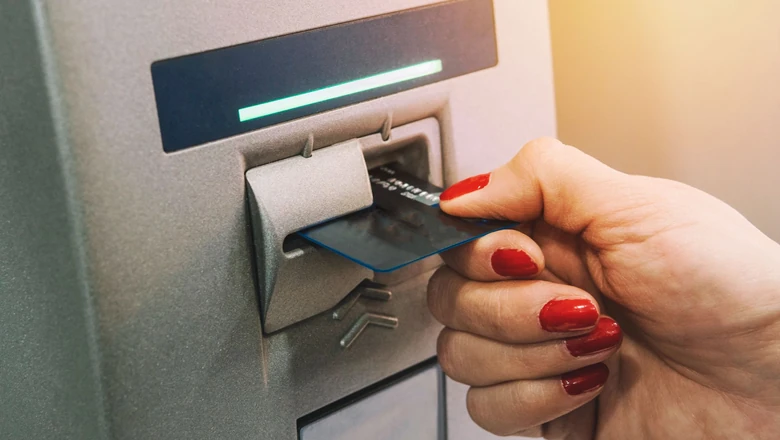
You went to the ATM to make a withdrawal with your debit card, but your card got stuck in the machine. What do you do now?
First, don’t panic. There are several steps you can take to try to retrieve your card. Here’s what to do if your card is stuck in an ATM.
Key Points
• Debit cards can get stuck in an ATM due to technical malfunctions, power outages, multiple incorrect PIN entries, and attempted scams.
• If a debit card cannot be retrieved from an ATM, freeze the card immediately via mobile app.
• Contact the bank right away to alert them to the issue and ask about fraud monitoring and canceling the card.
• Order a replacement debit card, which often takes a week or more to arrive.
• Be alert for any stranger who offers to help at an ATM; if anything seems suspicious, end the transaction and leave.
Why Do Debit Cards Get Stuck in an ATM?
There are a few different reasons your debit card might get stuck in an ATM. These are some of the common causes of an ATM card being blocked in an ATM machine.
Technical Malfunctions and Power Outages
When you’re using an ATM, it’s possible for the machine to malfunction, causing your card to get stuck. Or a power outage could shut down the machine with your card trapped inside.
If the problem is a technical issue, an error message might pop up on the ATM screen. But if there’s a power outage (and the ATM has no backup power source), the machine will likely shut down completely, with no indication of what happened.
Entering the Wrong PIN Multiple Times
If you enter your debit card PIN incorrectly multiple times, it may trigger the ATM to hang onto your card. This is for your protection — the ATM assumes an unauthorized user has obtained your debit card and is trying to take money from your account without your permission.
It’s important to commit your PIN to memory and make sure you enter it correctly the first time.
Using an Expired or Physically Damaged Card
Another scenario in which your card could get stuck in an ATM is when the card is expired. When a debit card is past its expiration date, it typically no longer functions and you’ll need to get a new one. In the meantime, you should be able to conduct your banking business online if you have an online bank or with a teller at a bricks-and-mortar bank.
Your card could also get stuck in the ATM if it’s physically damaged and can no longer be read by the machine. For example, if there’s damage to the card’s chip or magnetic stripe, the ATM may hang onto it. Again, you’ll need to get a new debit card in this situation.
ATM Skimming Devices and Intentional Card Traps
It’s also possible that the ATM has been tampered with, which is why your card is stuck. The FBI and the Federal Deposit Insurance Corporation (FDIC) warn that criminals can attach skimmer devices to an ATM’s card reader. These devices, which are often designed to look like part of the machine, can gather your debit card’s data. Pinhole cameras on or around the ATM can track your PIN entry.
Typically, you’ll receive your card back without even knowing it’s been skimmed. But if the skimmer is poorly installed, it might jam the ATM’s card slot or interfere with the machine’s ability to eject your card.
To help with debit card fraud prevention, always inspect an ATM card reader to look for signs of tampering before you put your card in the machine. Red flags might include the card reader being a different color from the rest of the machine, having a loose fitting cover, or being an odd size. And be sure to use your other hand to shield the key pad as you’re entering your PIN.
Recommended: ATM Cards vs. Debit Cards: What’s the Difference?
5 Immediate Steps to Take If Your Card Is Stuck in an ATM
If your card doesn’t come out of the ATM, take a deep breath and follow these steps.
1. Do Not Leave the ATM Immediately
First and foremost, wait around for a bit to see what happens. There’s a chance the ATM is having a temporary glitch and it might spit your card out after a few minutes. While you’re standing there, inspect the card reader to see if it looks damaged or suspicious in any way.
2. Press Cancel and Wait for a Machine Reset
Try pressing the cancel button and waiting for the machine to reset. Much like your computer or phone may encounter technical issues now and then, so too can an ATM. Allowing it to reset may solve the problem.
3. Record the ATM Location and Machine ID Number
If your card is still stuck in the ATM, take photos of the machine, including its ID number. Look for stickers or nameplates on the body of the machine, often near the screen, card reader, or receipt dispenser. If you received a receipt, the ID may also be printed there.
Also note the exact location of the ATM and the time of day. This may be useful when reporting the incident to the ATM operator and your bank.
4. Instantly Freeze Your Debit Card Via Your Mobile Banking App
Before leaving the machine with your debit card still stuck inside, pull up your mobile banking app on your phone to temporarily freeze your debit card. If you don’t use mobile banking, call your bank’s customer service while you’re standing at the machine to see if they can freeze the card for you.
5. Contact the ATM Operator and Your Bank’s Customer Support
Finally, notify the ATM operator of the problem as well as your bank’s customer service department. If the ATM is located outside your bank, call the branch and ask an employee if they can come out to assist you.
If the ATM is elsewhere, talk to your bank about what type of fraud monitoring is available for this situation. Inquire what the next steps are for canceling your card and ordering a replacement. You can also submit a complaint about the ATM operator through the Consumer Financial Protection Bureau (CFPB).
Beware of ATM Skimming and “Good Samaritan” Fraud
ATM skimming typically includes installing a device inside or onto the card reader of an ATM. This device can read and store your card’s information, while a pinhole camera records your PIN entry. Scammers can later use the information to access your bank account.
Other types of ATM scams use people who volunteer to “help” you when there’s an issue with your card.
Here’s what to watch out for.
How Fraudsters Trap Your Card With Glue or Loops
Criminals who want to access your bank account via an ATM may trap your card and then send in a “Good Samaritan” who offers to assist you.
• Glue ATM scam: Sometimes called the “glue-and-tap,” this scam involves fraudsters obstructing the card reader with glue so that you can’t insert your card. A stranger will then approach you, tell you the machine is jammed, and suggest you try tapping your card instead. When you complete your deposit or withdrawal, this person is betting that you’ll be so rattled by the incident that you won’t realize you have to take an extra step to end the transaction and log out. Once you walk away, they’ll access your bank account.
• Lebanese loop scam: In this scheme, a fraudster installs a small device inside the ATM card reader that traps your card inside the machine. They count on you eventually walking away in frustration without ending the transaction so they can get into your bank account.
Why You Should Never Accept PIN Help From Strangers at the ATM
Any stranger who approaches you at an ATM may be attempting to scam you. Someone who hangs around near the machine as you’re using it could be attempting to get your PIN to use it later, especially if they have a skimmer installed on the ATM.
The lesson? Never accept help from someone you don’t know at an ATM. If something seems suspicious, end the transaction and find another ATM.
Recommended: How to Use a Cardless ATM: A Step-by-Step Guide
How Do I Get a Replacement If My Card Is Blocked in an ATM?
If your debit card is stuck in an ATM, your financial institution will typically issue you a replacement card. You’ll need to contact customer service and request a new one, which is generally shipped in the mail.
Can the Bank Branch Give Me My Swallowed Card Back?
If your card is in an ATM right outside a branch of your bank, an employee may be able to retrieve and return your debit card to you, depending on the circumstances. It’s worth calling the bank (don’t leave the machine) and asking if they can send an employee out to help you.
Why ATMs Typically Destroy Captured Cards for Security
If an ATM doesn’t return your card, the bank or credit union may destroy the card for security purposes. For instance, if the ATM keeps your card because you repeatedly entered the incorrect PIN, the bank might assume that the card has been stolen and destroy it so a criminal can’t use it.
How to Freeze and Replace Your SoFi Debit Card
If you do mobile banking with SoFi, you can freeze your debit card directly in the app and request a replacement card as well.
Navigating to the “Freeze Card” Toggle in the SoFi App
Launch the SoFi mobile banking app and go to the debit card page. You should see a “Freeze Card” toggle that you can activate to immediately freeze your card.
Reporting Your Card as Lost or Stolen
Freezing your card is a good temporary solution in the immediate aftermath, but you’ll also need a replacement card. Again, go to the debit card page in the app and select “Replace Debit Card.”
Review the replacement information (such as the address the replacement card should be sent to) and click “Confirm Replacement” if everything looks right. Your replacement debit card should arrive in approximately 7 to 10 business days. The home page of the app should display the anticipated delivery date.
Setting Up Your Virtual SoFi Card for Apple Pay or Google Wallet
You don’t have to wait for your new debit card to arrive by mail to use it. You can add the virtual version of the SoFi debit card to your mobile wallet so that you can make purchases.
You can do this in the SoFi app. Just go to “Mobile Wallet for Checking and Savings” and follow these instructions for setting up your replacement card in your digital wallet.
The Takeaway
A debit card can get stuck in an ATM for a number of reasons, from technical malfunctions to incorrect PIN entry to debit card scams. If this happens, don’t leave the ATM unless you are completely logged out of your account. Put a freeze on your debit card immediately so it can’t be used by someone else, and contact your bank to report the situation and get a replacement card. By taking these steps, you can help protect your money and your bank account.
Interested in opening an online bank account? When you sign up for a SoFi Checking and Savings account with eligible direct deposit, you’ll get a competitive annual percentage yield (APY), pay zero account fees, and enjoy an array of rewards, such as access to the Allpoint Network of 55,000+ fee-free ATMs globally. Qualifying accounts can even access their paycheck up to two days early.
FAQ
Can I get my card back if it gets stuck in an ATM?
You may be able to get your card back if it gets stuck in an ATM, but not always. Start by pressing the cancel button to see if the ATM will reboot. Wait a few minutes. If your card still doesn’t come out of the machine, and the ATM is outside a branch of your bank, call the bank on your cell phone and ask if a customer service representative can come out and assist you. If the ATM is elsewhere, you probably won’t be able to get the card back. In that case, you’ll need to put a freeze on the card immediately so that no one else can use it. Call your bank to report what happened and request a replacement debit card.
Will an ATM automatically shred my swallowed debit card?
If a financial institution suspects fraud, the ATM may automatically destroy your card. This could happen if you make several incorrect PIN attempts, for example. Rather than risk your bank account being accessed, the bank will often issue you a new card with a new number.
How long does it take to get a replacement debit card in the mail?
It generally takes about 7 to 10 business days for a replacement debit card to arrive in the mail, though the time frame varies by financial institution. Check with your bank to find out their exact timing.
Can I still access my account if my ATM card is blocked in an ATM?
Even if your card is blocked in an ATM, you should be able to access your bank account online or through your mobile banking app on your phone. You can also use the app to freeze the card so no one else can use it and request a replacement debit card.
What should I do if my card is stuck in an ATM while traveling abroad?
If your card is stuck in an ATM while you’re traveling abroad, wait by the ATM for a few minutes to see if the card comes out. If not, press “cancel” to reset the machine to see if that expels the card. If the ATM is attached to a bank, alert a bank teller to see if they can retrieve the card for you. If none of these strategies works, freeze the card immediately using your mobile banking app, and report the situation to your financial institution. Ask if they can issue a virtual replacement card or an emergency physical replacement card that you can use while traveling.
Photo credit: iStock/Diy13
SoFi® Checking and Savings is offered through SoFi Bank, N.A. ©2026 SoFi Bank, N.A. All rights reserved. Member FDIC. Equal Housing Lender.
^Early access to direct deposit funds is based on the timing in which we receive notice of impending payment from the Federal Reserve, which is typically up to two days before the scheduled payment date, but may vary.
Annual percentage yield (APY) is variable and subject to change at any time. Rates are current as of 5/28/26. There is no minimum balance requirement. Fees may reduce earnings. Additional rates and information can be found at https://www.sofi.com/legal/banking-rate-sheet
Eligible Direct Deposit means a recurring deposit of regular income to an account holder’s SoFi Checking or Savings account, including payroll, pension, or government benefit payments (e.g., Social Security), made by the account holder’s employer, payroll or benefits provider or government agency (“Eligible Direct Deposit”) via the Automated Clearing House (“ACH”) Network every 31 calendar days.
Although we do our best to recognize all Eligible Direct Deposits, a small number of employers, payroll providers, benefits providers, or government agencies do not designate payments as direct deposit. To ensure you're earning the APY for account holders with Eligible Direct Deposit, we encourage you to check your APY Details page the day after your Eligible Direct Deposit posts to your SoFi account. If your APY is not showing as the APY for account holders with Eligible Direct Deposit, contact us at 855-456-7634 with the details of your Eligible Direct Deposit. As long as SoFi Bank can validate those details, you will start earning the APY for account holders with Eligible Direct Deposit from the date you contact SoFi for the next 31 calendar days. You will also be eligible for the APY for account holders with Eligible Direct Deposit on future Eligible Direct Deposits, as long as SoFi Bank can validate them.
Deposits that are not from an employer, payroll, or benefits provider or government agency, including but not limited to check deposits, peer-to-peer transfers (e.g., transfers from PayPal, Venmo, Wise, etc.), merchant transactions (e.g., transactions from PayPal, Stripe, Square, etc.), and bank ACH funds transfers and wire transfers from external accounts, or are non-recurring in nature (e.g., IRS tax refunds), do not constitute Eligible Direct Deposit activity. There is no minimum Eligible Direct Deposit amount required to qualify for the stated interest rate. SoFi Bank shall, in its sole discretion, assess each account holder's Eligible Direct Deposit activity to determine the applicability of rates and may request additional documentation for verification of eligibility.
See additional details at https://www.sofi.com/legal/banking-rate-sheet.
We do not charge any account, service, or maintenance fees for SoFi Checking and Savings. We do charge transaction fees for outgoing wire transfers, Instant Transfers, and global remittance transfers. Our fee policy is subject to change at any time. See the SoFi Bank Fee Sheet for details at sofi.com/legal/banking-fees/.
*Awards or rankings from Forbes are not indicative of future success or results. This award and its ratings are independently determined and awarded by their respective publications.
Third-Party Brand Mentions: No brands, products, or companies mentioned are affiliated with SoFi, nor do they endorse or sponsor this article. Third-party trademarks referenced herein are property of their respective owners.
Financial Tips & Strategies: The tips provided on this website are of a general nature and do not take into account your specific objectives, financial situation, and needs. You should always consider their appropriateness given your own circumstances.
SOBNK-Q226-161