SoFi Opens New Office in Jacksonville
Digital Personal Finance Company To Hire Over 300 Employees for Southeast Operations Center
JACKSONVILLE, FLORIDA – January 7, 2020 – SoFi, the digital personal finance company, announced today the opening of their newest office location in Jacksonville, Florida. The office, located in the St. Johns Town Center, will fit up to 300 full-time staff, mainly focused on operations functions including member relations, loan review, quality assurance and fraud prevention.
SoFi’s Jacksonville office will join the company’s over 1,400 employees across ten other permanent office locations, including headquarters in San Francisco, in addition to offices in Healdsburg, CA, Cottonwood Heights, UT, Murray, UT, Helena, MT, Claymont, DE, New York, NY, Reston, VA, and most recently, Seattle, WA.
“As SoFi grows, we knew we needed to expand our real estate footprint to maintain our top-tier level of support for all of our members across the country,” said Anthony Noto, CEO of SoFi. “Jacksonville, from the start of our exploration, has been a clear front runner for talent, accessibility, and offering an affordable cost of living. We’re thrilled to expand our SoFi family to Florida.”
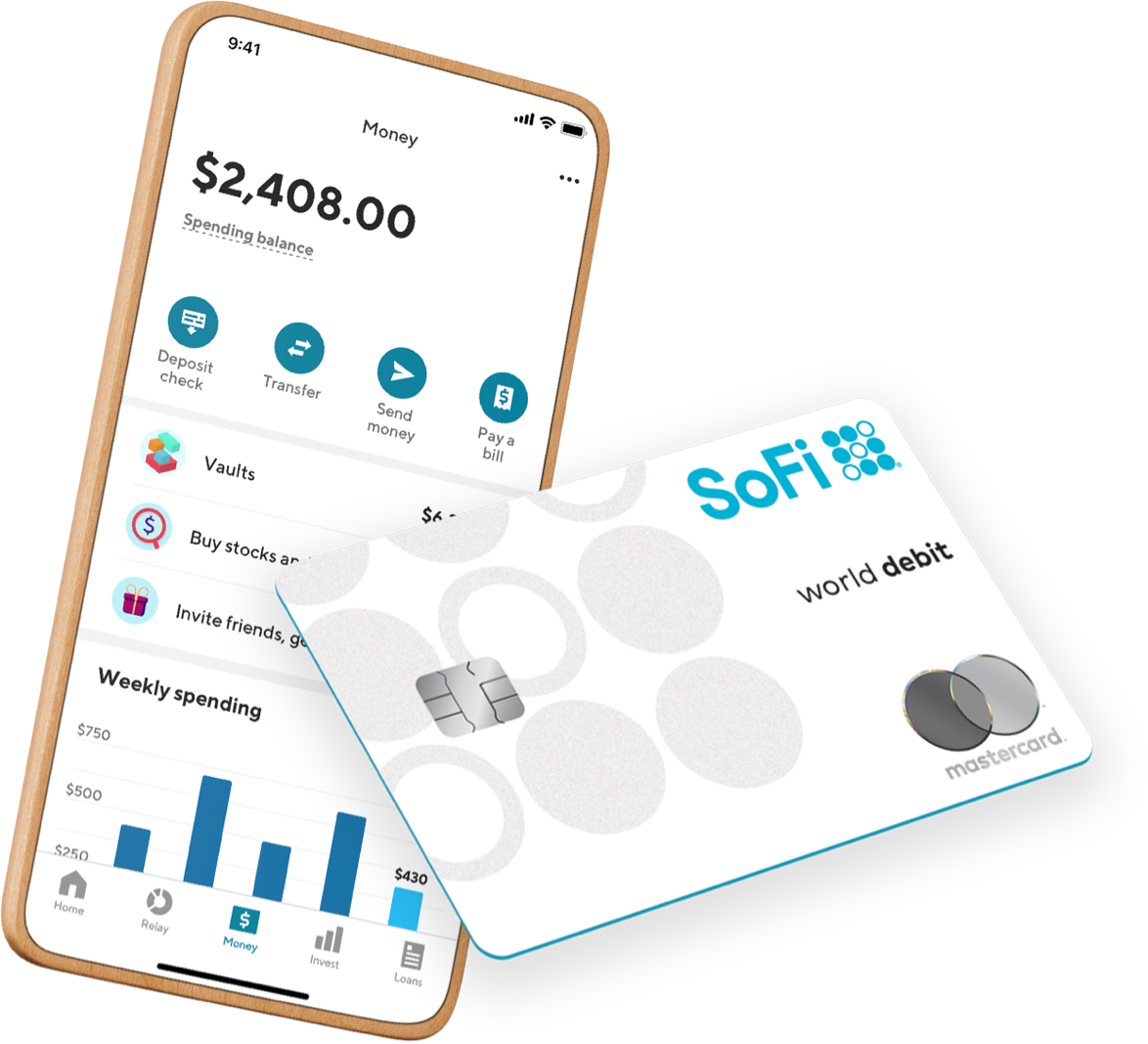
SoFi released a number of new products in 2019, joining its suite of lending products, including SoFi Invest, the only platform to offer automated and active investing in stocks and ETFs, plus crypto trading. SoFi Money® was also released to the public, with high interest, no account fees, and unlimited ATM reimbursements. This year, SoFi relaunched its home loans product, and introduced SoFi Private Student Loans.
About SoFi
SoFi helps people achieve financial independence to realize their ambitions. Our products for borrowing, saving, spending, investing, and protecting give our more than 900,000 members fast access to tools to get their money right. SoFi membership comes with the key essentials for getting ahead, including career advisors and connection to a thriving community of like-minded, ambitious people. SoFi is also the naming rights partner of SoFi Stadium, future home of the Los Angeles Chargers and the Los Angeles Rams, opening in July 2020. For more information, visit SoFi.com or download our iOS and Android apps.
Contact
[email protected]
###
DISCLOSURES
SoFi loans are originated by SoFi Lending Corp. or an affiliate, NMLS # 1121636. (www.nmlsconsumeraccess.org). Licensed by the Department of Financial Protection and Innovation under the California Financing Law License No. 6054612.
“SoFi Invest” is the brand name for brokerage products and services offered through SoFi Securities LLC (SFS), Member FINRA/SIPC. SoFi Money® is a product of SFS. Advisory services offered through SoFi Wealth LLC (SFW), an SEC Registered Investment Adviser. SFS and SFW are affiliated companies under the common control of Social Finance, LLC (SoFi). Neither SoFi nor its subsidiaries are a bank.
Investing in securities involves risks, and there is always the potential of losing money when you invest in securities. Clearing and custody of all securities are provided by APEX Clearing Corporation. Information on SoFi Wealth available in the firm’s Form ADV Part 2 Brochure on the SEC’s website.
The cash balance in SoFi Money Accounts is swept to one or more program banks where it earns a variable rate of interest and is eligible for FDIC insurance. FDIC Insurance is not provided until the funds arrive at partner bank. There are currently six banks available to accept these deposits, making customers eligible for up to $1,500,000 of FDIC insurance (six banks, $250,000 per bank). If the number of available banks changes, or you elect not to use, and/or have existing assets at, one or more of the available banks, the actual amount could be higher or lower. For more information on FDIC insurance coverage, please visit www.FDIC.gov. Customers are responsible for monitoring their total assets at each of the Program Banks to determine the extent of available FDIC insurance coverage in accordance with FDIC rules. The deposits in SoFi Money or at Program Banks are not covered by SIPC.
Cryptocurrency trading to be offered through SoFi Digital Assets, LLC. Important: Bitcoin and other cryptocurrencies aren’t endorsed or guaranteed by any government, are volatile and involve a high degree of risk.
Read more