

Top Story
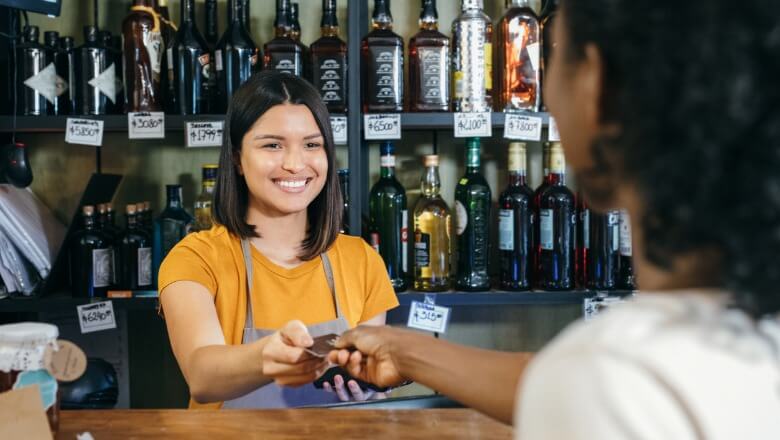
Much to McLovin’s dismay, the age-old process of flashing a driver’s license to buy alcohol is about to get a high-tech upgrade.
Fingerprint and face ID scanners could start calling the shots at liquor stores and venues. Is this tech a cool convenience or a data disaster?
US stocks finished higher Tuesday after another busy day of second-quarter earnings
• General Motors (GM) raised its 2023 guidance for the second time this year after reporting second-quarter results up sharply year-over-year. The automaker is increasing cost-cutting measures through next year and now plans to cut $3 billion in expenditures compared with previous guidance of $2 billion. On an unadjusted basis, the company reported net income of $2.57 billion, or $1.83 per share, up nearly 52% from a year earlier.
• Verizon (VZ) reported a sales decline of 3.5% year-over-year to $32.6 billion. However, adjusted earnings of $1.21 beat the consensus of $1.16, and total wireless service revenue was $19.1 billion — up 3.8% year-over-year. The company also saw strong demand for fixed wireless and Fios products, with 418,000 total broadband net additions.
• The Case-Shiller home price index, which measures the changes in residential housing prices across 20 metropolitan regions, showed a 1.7% year-over-year decline in May. This matched the biggest decline since April 2012. On a month-over-month basis, the index increased 1.5%. While the figure was down from the previous month’s 1.7%, it marked the fourth-straight month of increases.
What to be on the lookout for today
• The Federal Reserve will deliver its next interest rate decision. Last month, the vast majority of FOMC participants agreed to pause rate hikes. Wall Street is currently pricing in a near certain chance of another 25-basis-point raise this month.
• Earnings reports will come in from Meta Platforms (META), Coca-Cola (KO), Boeing (BA), and Hilton (HLT). Investors will be eager to hear more about the initial performance of Meta’s new Twitter-adjacent platform Threads. The social media app amassed 100 million users in its first week — the fastest an online platform has ever done so.
Stairway to heaven or highway to hell: Are music festivals worth it?
After hitting pause during COVID, music festivals bounced back in a big way. Mega events like Coachella and Lollapalooza are drawing hundreds of thousands of fans to immersive, multi-disciplinary experiences that last all weekend. Between music sets, attendees can enjoy dance competitions, yoga classes, food courts, and carnival rides.
Newbies who want to test the waters might start with a regional event close to home. Day passes typically go for $100-$150. You’ll either come away feeling it was a joyful and transformative retreat…or an overpriced mosh pit.
When you’re ready for the full festival experience, here are some tips for controlling your costs:
• Plan way ahead and limit yourself to the cheapest general admission multi-day pass (they sell out fast!).
• If the festival has a camping component, reserve a spot early; it’s cheaper (and maybe more fun!) than a hotel.
• BYO food, water, and intoxicants.
Find more tips on navigating music festivals here.
Need help budgeting or planning your vacation? Check out our library of travel tricks and hacks.

Today’s top stories
Early birds get the worm — and the reservation. Parallel to the rise of remote work, activities across the country are starting — and ending — earlier than normal. These are the best times to book your post-work festivities… Read more >> Could Hollywood's double strike help redefine fame for the digital age? As film and TV production hit a pause, these strikes are beginning to shift the industry spotlight, placing online creators center stage. Read more >> If you’re looking for productive things to do on your day off—including ideas that may improve your money mindset and financial fitness—we have 21 good ways to get started. Not sure what to do on a day off? Consider checking one or more of these productive activities off your to-do list. Any of them can help you feel more organized and in control of your finances…and perhaps even your life! Read more >>Not-so-breaking news
-
UPS (UPS) and its Teamsters Union reached a tentative deal with raises for both full- and part-time workers. The deal is still subject to a ratification vote by more than 300,000 workers.
-
TikTok will now allow text-based posts to challenge Threads (META) and X, formerly Twitter. In these posts, users will be able to tag other accounts and add hashtags for trending topics.
-
Adidas (ADDYY) made over $565 million from selling excess Yeezy inventory after parting ways with controversial rapper and designer Kanye “Ye” West. The apparel company will donate at least $9 million of the proceeds to charity.
-
Apple (AAPL) faces a class action lawsuit from 1,500 app developers in the UK. The $1 billion lawsuit targets App Store fees, which account for 15% to 30% of all in-app purchases.
-
FedEx (FDX) pilots rejected a proposed labor deal, which included 30% pay increase and 30% pension benefit improvement. However, due to labor laws governing the pilots, it’s unlikely that this stalemate will lead to a strike.
Financial planner tip of the day
“You don’t have to cancel your credit cards, since that may negatively impact your credit score. You can store them somewhere you won’t have easy access to them, or even cut them up so you’re not tempted to use them.”
Brian Walsh, CFP® at SoFi