

Top Story
The average summer energy bill for US households is projected to hit $578 per month.
That’s an 11.7% spike from last year — but don’t sweat it. We have strategies to help you beat the heat and rising A/C costs on your next bill.

US stocks finished higher Thursday as the second quarter earnings season added wind to Wall Street’s sails.
• Delta Air Lines (DAL) reported record revenue and earnings for the second quarter due to strong international travel demand and cheaper fuel costs. Delta's CEO, Ed Bastian, expects the desire for travel to fuel bookings for years, calling the current period the "mid-innings" of travel growth. Overall, the company’s net quarterly income was $1.83 billion, or $2.84 per share.
• PepsiCo (PEP) reported better-than-expected earnings and revenue for the quarter. The company's spending on advertising and marketing across its portfolio rose by double digits and it raised its full-year outlook for the second consecutive quarter. However, higher prices for its snacks and drinks hurt demand, leading to a decline in volume for Pepsi's food and beverage divisions.
• Producer price inflation increased to 0.1% in June, below market expectations of a 0.2% rise. Although the latest figure marked a departure from the 0.4% decline in May, it still offers an encouraging sign that inflation is improving.
What to be on the lookout for today
• US import and export prices will be released for the month of June. In May, these metrics dropped 5.9% and 10.1%, respectively, on an annual basis.
• It’s an incredibly busy earnings day for financial companies. JPMorgan (JPM), Blackrock (BLK), and Citi Group (CITI) will announce earnings.
Do you know where your employee benefits are? Funding FSAs and HSAs.
Flexible Spending Accounts (FSAs) and Health Spending Accounts (HSAs) are employer-sponsored savings accounts funded with pretax dollars. Participants lower their taxable income and enjoy what amounts to a 30% discount on health care or childcare. But there’s one catch: FSA money must be spent by the end of the year.
Here’s more on both types of accounts:
1. Health FSA: This is a “use it or lose it” fund, so it’s a good idea to see whether your spending is on track now. If you’re behind, you have plenty of time to schedule that dental implant you’ve been putting off, or to stock up on contact lenses.
2. Dependent Care FSA: This account covers qualified childcare expenses. You can sign up midyear if you have a “qualifying event.” That can be the birth of a child, hiring a nanny, or enrolling in a daycare program. And you can contribute the pre-tax maximum ($5K/year) even if you enroll midyear.
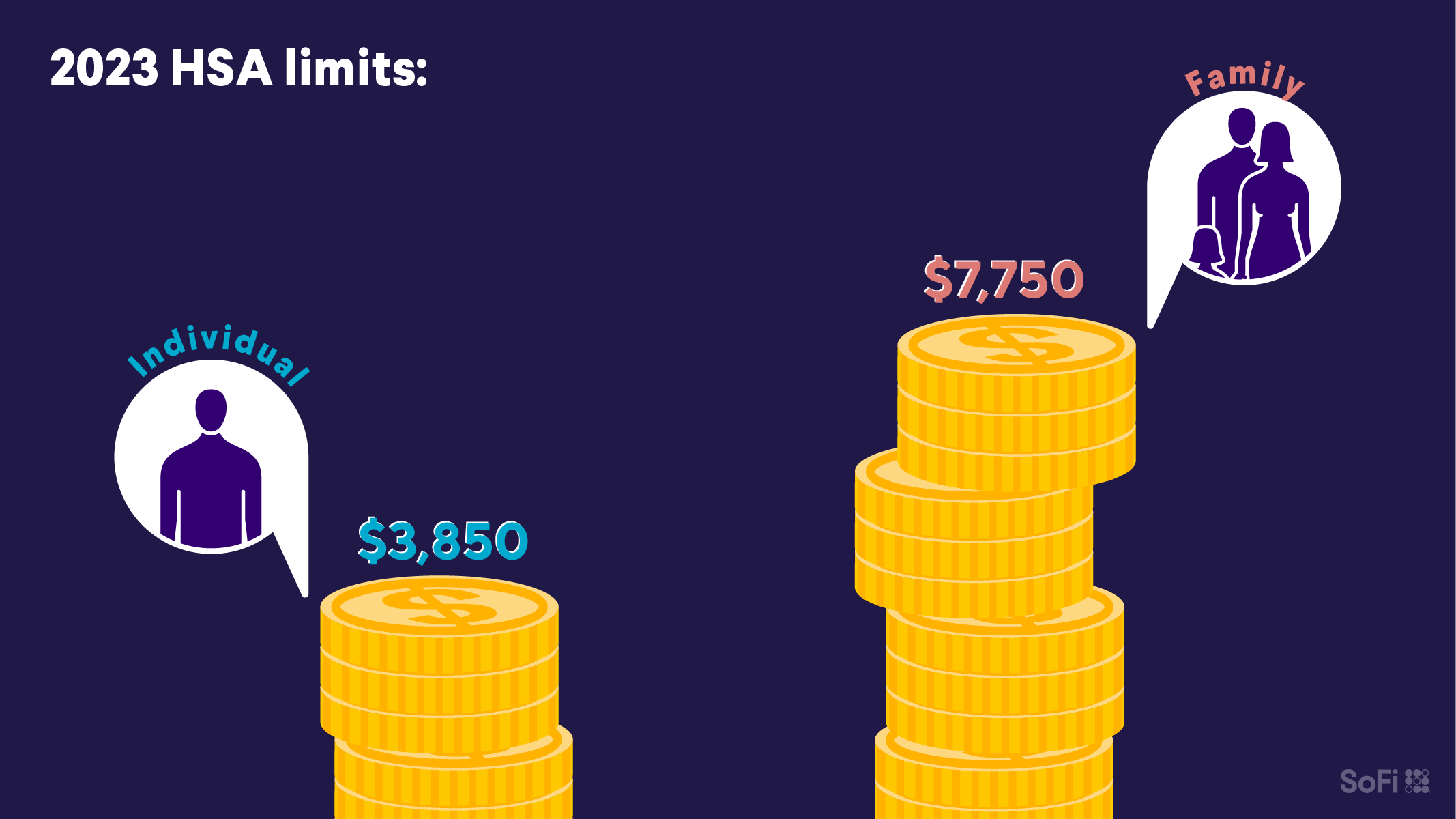
3. HSA: With this account, your savings roll over year to year, and go with you when you change jobs. Employees can even use them as supplemental retirement accounts.
Ready to make the most of your investments? All-in-one investing starts here with SoFi Invest.
Today’s top stories
Higher wages could be coming to one highly-critical profession that is traditionally undervalued. We’ll look into the current staffing shortage affecting several US-listed companies and their financial statements. Read more >> A cool $8M for voice-cloning… That’s how much Resemble AI just raised to “transfer” voices across languages and generate personalized messages from voice actors. Here’s how they plan to balance ethical considerations and booming market opportunities. Read more >> There are a lot of options to consider when shopping for homeowners insurance, such as the amount of coverage, the type of policy, and the cost of the premium. We’ll walk you through how to buy homeowner’s insurance and share tips for scoring the best rate on your policy this year. Read more >>Not-so-breaking news
-
Disney (DIS) extended CEO Bob Iger’s contract for two years through 2026. This extension is designed to give the long-time CEO plenty of time to appoint a successor.
-
Farmer’s Insurance is pulling out of Florida, blaming the high risk of hurricanes in the coastal state. The insurance company has also limited new policies in California, citing wildfire risk.
-
The FTC is expected to appeal a district court’s approval of Microsoft’s (MSFT) acquisition of Activision Blizzard (ATVI). The contractual deadline for the deal is July 18.
-
Google’s (GOOGL) AI chatbot, Bard, can now analyze images and respond with audio. These product updates reflect the search giant’s attempts to stay ahead in the white-hot generative AI space.
-
Elon Musk launched a new AI company called xAI. The goal of this new startup is to “understand the true nature of the universe.”
Financial planner tip of the day
"Mutual funds are like a portfolio manager working on your behalf, pooling resources from many investors to create a diversified portfolio of stocks, bonds, or other assets, aiming to maximize potential returns for a given level of risk."
Brian Walsh, CFP® at SoFi