
Tuesday,
July 6, 2021
Market recap
Dow Jones
34,786.35
+152.82 (+0.44%)
S&P 500
4,352.34
+32.40 (+0.75%)
Nasdaq
14,639.33
+116.95 (+0.81%)
Amid evolving news surrounding COVID-19 and the economic reopening, your financial needs are our top priority. For more information,click here.

Top Story
Here’s Why a Student Loan Repayment Plan Matters
Student Debt Averages $36,900
Many college graduates are entering the workforce with student loan debt. For the class of 2021, it averages $36,900. Paying it off can mean shelling out $400 or more each month, depending on the interest rate and terms. Managing repayments at the same time new graduates are juggling rent and other expenses can be difficult. This is why it is a good idea for recent graduates to create a student debt repayment plan.
A repayment plan maps out how long a borrower will take to pay off the debt. It begins at different times depending on the type of student loan. For Direct Unsubsidized and Direct Subsidized loans, there is a six-month grace period, though there is a pandemic pause on repayments and interest for federal loans until October 1. Private loans are different, so check with your loan provider to see what repayment plans are available, and if they offer a grace period or not.
Types of Repayment Plans
If you have federal student loans, the Standard Repayment Plan is essentially the default repayment plan. Payments are a fixed amount and made for up to 10 years at the interest rate you received when you first took out your loan(s). One of the benefits of the Standard Repayment plan is that it saves money in interest over the life of your loan because, generally, the loan is paid back in the shortest amount of time (10 years) compared to the other federal repayment plans (20 to 30 years).
If payments are too high to manage on the standard 10-year repayment plan, see if you are eligible for the Extended Repayment Plan for federal loans, where the term is up to 25 years and monthly payments are generally lower. This can help keep you out of default (which is important!). But it is important to remember that lengthening the loan term usually means significantly more interest will be paid over the life of the loan—because it will take longer to pay off the loan.
With the Graduated Repayment Plan, you would still pay your federal student loans back over a 10- to 30-year period, with lower payments at the beginning of the term that gradually increase every two years. The idea is that a borrower’s income will likely increase over time, but may not be much to start out (which makes sense, since you’re fresh out of school).
There are also Income-Driven Repayment Plans. To be eligible, borrowers need to go through a recertification process each year and, each year, your monthly payment could change (increase or decrease) based upon current income and family size.
Finding the Repayment Plan for You
Student loan debt is a fact of life for many college graduates but it does not have to hold them back. Creating a repayment plan can make the debt much more manageable. You can take this quiz to get a better understanding of each repayment plan option and see examples of scenarios that could be similar to yours.
Student Loans from Start to Finish
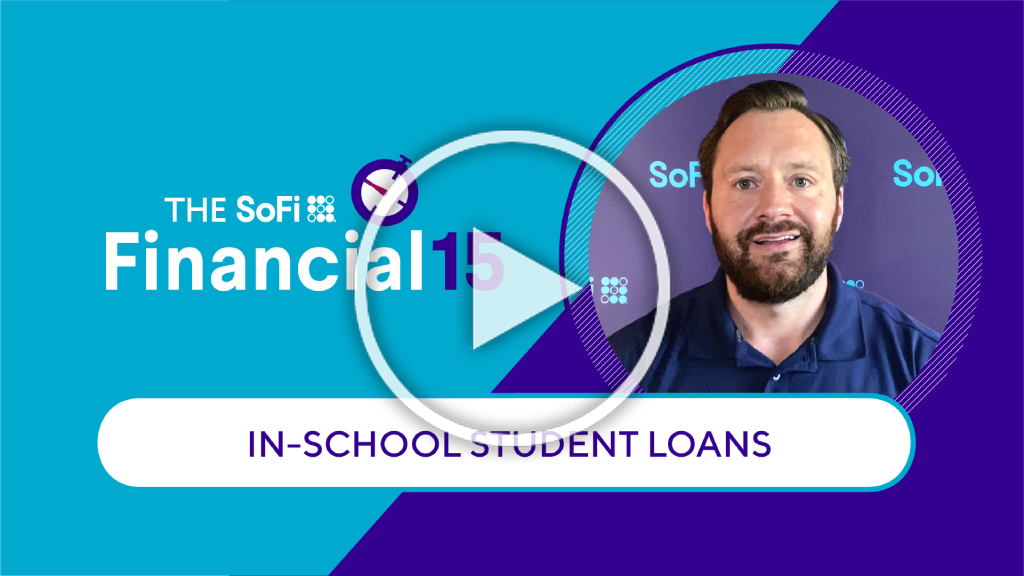
Let’s discuss student loans! Watch as Brian Walsh, SoFi financial planner, talks through the basics of student loans, so that your college student makes the right decisions for their success. Watch now!
Employers Overlook Resume Gaps as Labor Market Regains Strength
Pandemic Ushers in New Understanding
Job seekers looking to reenter the workforce do not have to worry about a year-long gap in their resume caused by the pandemic. Most employers are not penalizing applicants for taking a pause in their career, showing more sympathy for the many reasons people may not have been working over the past year and a half.
The job market is heating up right now and companies of all sizes are struggling to land talent. As a result, employers are willing to overlook significant resume gaps.
Changing Norms Surrounding Job Gaps
Discussions about mental health, childcare, and fertility have become more accepted in the hiring process since the pandemic. While everyone was stuck at home, the lines between work and personal lives blurred. It became more normalized to leave the workforce to care for a child or deal with mental health challenges.
LinkedIn (MSFT) recently added an option for users to identify themselves as stay-at-home parents, while HeyMama, a social media network for working moms, urges users to add skills which they gained through parenting to their resumes.
Not All Resume Gaps Are Created Equal
When hiring managers are comparing multiple candidates who have been out of the workforce for some time, job seekers who have used their time to gain new skills or volunteer tend to have an advantage. If an employment gap led to growth and development, discussing that in an interview or cover letter can be a good idea.
It is also helpful to maintain a consistent narrative that touches on the gap and quickly transitions into the job seekers’ skills and achievements. Unemployment stretching for a year or more has become common since the pandemic. Employers are becoming more understanding about pressures outside the office, and this trend is expected to continue. That is good news for job seekers.
Home Renovation Trend Shows No Sign of Ending
Home Renovation Spending Surged During the Pandemic
Home renovations surged during the pandemic as people sick of staring at an outdated kitchen or looking for a backyard getaway poured money into their homes. Many of these projects were already on homeowners’ to-do lists before the pandemic. Then, shutdowns gave them the time and extra savings to make their plans happen. Spending on home improvements jumped 15% in 2020 and more of the same is expected this year—even as pandemic restrictions end.
Part of the rise in spending can be attributed to increases in the cost of labor and supplies. Pandemic restrictions and shutdowns caused supply-chain issues and worker shortages, which has driven up the cost for everything from lumber to drywall.
Kitchens, Home Offices, and Outdoor Spaces Get a Revamp
Many of the recent home renovations have and will remain focused on three areas: kitchens, home offices, and backyards. Kitchen renovations took up the most money last year, with spending on remodels of large kitchens increasing 14%.
Consumers also poured money into their home offices, spending 10% more on these renovations in 2020. Money also went to outdoor spaces with homeowners spending 25% more to upgrade porches and decks. Challenges such as finding service providers, higher prices, and delays in getting supplies, did not prevent homeowners from moving ahead with their projects.
Spending Pace May Slow
Spending on home improvements is not expected to stop now that life is returning to normal. Hybrid work models are becoming the norm at many companies. This means people will continue to spend money on home offices and outdoor spaces. However, there may be fewer DIY home improvement projects in the upcoming months as people have more options for entertainment.
Spending on home improvement is still forecast to increase 4.8% by the first quarter of 2022. The pandemic has changed the way people view their living spaces, causing many to pour time and money into upgrades. It will be interesting to see if that trend continues in a post-pandemic world.
Looking to remodel your home this summer? The price for an average home in the US was up 11.6% as of the end of April. With a cash-out refi, you can turn the equity in your home into cash. Check your rate in two minutes.
Not-So-Breaking News
- The US call for a global minimum tax rate won international backing, with officials from 130 countries, including the Group of 20 nations backing the idea. If enacted it would be the biggest change to international taxes in a century.
- The cruise industry is coming back to life after being battered during the pandemic. In July, 141 cruise ships are scheduled to set sail with passengers aboard. Fifty different operators will be running the ships at full occupancy.
- GM’s (GM) second-quarter sales were lower than expected, hurt by semiconductor shortages which are delaying vehicle shipments and reducing inventory at dealerships. Sales in the second quarter were up 39.7% year-over-year, lower than the 40% to 43% analysts were expecting.
- Amazon (AMZN) has two new additions to its leadership principles, the rules that guide the company. The ecommerce giant added “Strive to be the Earth’s Best Employer” and “Success and Scale Bring Broad Responsibility” to the list, underscoring its impact across the globe.
- Danone North America (DANOY) is giving Oikos Greek Yogurt an overhaul in an effort to boost sales. The company reformulated Oikos’ yogurt by adding 50% more fruit and giving it a creamier taste. It's also blending the fruit throughout the yogurt instead of leaving it at the bottom.
- What Can You Use Student Loans For? It’s tempting to tap into your student loan money and have a little fun. But there are some big problems with that strategy. Here’s what to watch out for.
Financial Planner Tip of the Day
“When budgeting for a remodel, it can be helpful to have a dedicated fund for renovation expenses. This can help you streamline your savings approach and portion of the appropriate amount of money so you’re prepared.”
Brian Walsh, CFP® at SoFi