Table of Contents
That ginormous bill from the vet, the cost of a new water heater, or a plane ticket to visit your grandma who’s not doing too well: These are examples of unexpected expenses that can crop up out of nowhere and wreak havoc on your monthly budget.
It’s important to recognize that these surprise expenses can (and indeed do) pop up for many people. By preparing for these major outflows of cash, you can be financially ready and feel more secure. Here’s a look at common unexpected expenses and how to pay for them.
Key Points
- Unexpected expenses, like vet bills or car repairs, can disrupt budgets and cause financial stress.
- Building an emergency fund of 3 to 6 months’ expenses is advised.
- Negotiating bills and exploring payment plans can help pay off debt and ease money anxiety.
- Personal loans and tapping into home equity can be other ways to pay off unexpected expenses.
- Keeping emergency funds in a high-yield savings account can keep cash accessible while earning interest.
What Are Unexpected Expenses and Why Do They Matter?
Unexpected expenses are costs that occur without warning. Unlike your monthly rent, student loan payment, or groceries, these aren’t part of your regular budget — but they still demand attention and cash. If not managed well, they can lead to debt and stress, and they can keep you from reaching your financial goals.
Whether it’s a flooded basement or an unplanned trip across the country, unexpected expenses can put your financial resilience to the test. Many people know they should have an emergency fund parked in a traditional savings account or online bank account, but how many really have one?
According to a January 2025 survey by U.S. News, 42% of Americans have no emergency savings at all.[1] That means almost half of all Americans are vulnerable to having their budget derailed by a surprise expense. Knowing what to look out for — and how to prep — can help you avoid being among those ranks so you can bounce back with relative ease.
Recommended: Savings Goal Calculator
Common Examples of Unexpected Expenses
While you can’t predict everything (after all, no one sees a fender bender coming), there are some unexpected expenses that occur more commonly than others. It can be wise to have them, and the funds needed to cover them, on your radar.
1. Medical Bills
Even with health insurance, a sudden illness, injury, or emergency room visit can lead to out-of-pocket expenses. From copays to surprise bills, medical costs can quickly add up. And dental expenses can be notoriously pricey.
According to a 2024 analysis by the health policy group KFF, Americans owe an eye-watering $220 billion in medical debt. Around 14 million people (6% of adults) owe over $1,000 in medical debt, and roughly three million people (1% of adults) have more than $10,000 in medical debt hanging over them.[2]
2. Car Repairs
Your car never seems to break down at a convenient time. Then again, when would a convenient time be? Whether it’s a dead battery, flat tire, or transmission issue, car repair bills can be costly and urgent — especially if you rely on your vehicle for work, daily life, or a long-planned road trip with the family.
3. Home Repairs
If you own your own home, plumbing leaks, non-functional air conditioning, and roof damage are just a few examples of surprise home repairs that can come along and drain your savings.
In fact, so-called unexpected home expenses are so common, financial experts generally recommend setting aside 1% to 4% of home’s purchase price each year to cover them. So if you paid $400,000 for your home, you should have $4,000 to $1,600 saved per year for repairs and maintenance. If your home is fairly new, 1% is likely to be enough. If your home is more than 30 years old, on the other hand, you’ll want to aim for a 4% savings goal.[3]
4. Job Loss or Reduced Income
A full 1.5 million Americans are laid off each month, according to February 2025 data from the U.S. Bureau of Labor Statistics.[4] Losing a job or having your hours cut can be financially devastating. This can be especially true for recent hires and gig workers, who are unlikely to receive any severance.
Without a steady income, affording everyday living expenses (and avoiding credit card debt) can become a challenge. Considering that it may take time to get back to full-time employment, it’s wise to have three to six months’ worth of living expenses (rent, utilities, other bills, and groceries) set aside in the event of income loss.
5. Emergency Travel
A last-minute trip due to a family emergency, funeral, or urgent situation can be emotionally and financially stressful. Flights, hotels, and meals add up fast when you’re traveling on short notice. But whether it’s an ailing relative or a kid who’s miserable at summer camp, sometimes you need to jump and go where you’re needed. Having a solid cash cushion in the bank can help minimize some of the stress involved in emergency travel.
6. Pet Emergencies
Your furry friends are part of the family, but vet bills for sudden illnesses, injuries, or surgeries can be concerningly high — especially without pet insurance. Currently, an emergency vet visit can ring in at $100 to $150 on average, imaging can cost $150 to $600, and emergency surgery can run from $2,000 to $6,000.[5]
7. Legal Fees
Whether it’s dealing with a traffic violation, custody issue, or unexpected legal dispute, attorney fees and court costs can be significant and throw a wrench into your monthly budget. As of late 2024, the median hourly fee for a lawyer was approximately $350 at a small firm.[6] That can add up quickly.
Financial Planning for Unexpected Expenses
While you can’t prevent unpleasant surprises, you can prepare for them. A little financial planning goes a long way toward reducing the impact of unexpected expenses.
How to Reduce Financial Stress
To lower your financial anxiety, both day-to-day and when you’re confronted by an unexpected expense, it’s a good idea to take stock of your financial health. Knowing your income, expenses, debt, and savings gives you a clear picture of where you stand — and where you can improve.
It’s also a good idea to assess how much money you have that is liquid or, in other words, can be easily accessed in an emergency. That would mean funds in checking or savings accounts that you could dip into with minimal notice.
Increase your savings
with a limited-time APY boost.*
How to Handle Unexpected Expenses Without Breaking the Bank
Here’s a look at how to prepare for unexpected expenses, plus tips on what to do if you get hit with an emergency expense you don’t have enough cash to cover.
Build an Emergency Fund
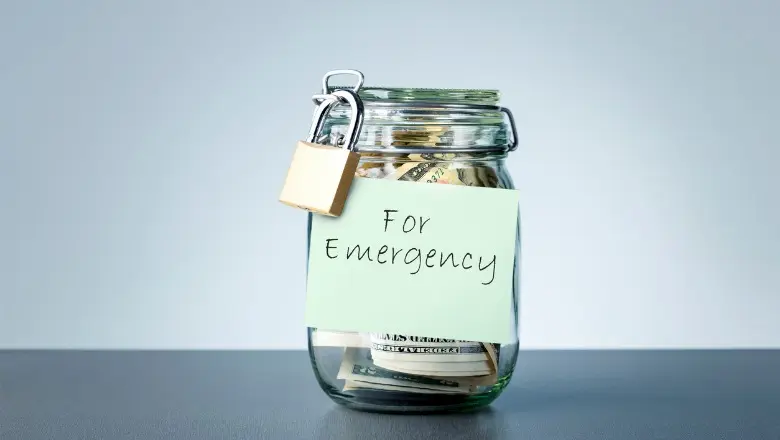
As mentioned above, a common rule of thumb is to have at least three to six months’ worth of basic living expenses set aside in a dedicated high-yield savings account. However, you may want to aim higher — say six to 12 months’ of expenses if you’re the sole financial provider in your family, you’re self-employed, or you work seasonally.
You can use an online emergency fund calculator to help you do the math. Once you have a target savings goal, you might automate transfers from checking to savings to make the process seamless. Even stashing $25 per paycheck can be a solid start.
Also, think about putting any financial windfalls (an inheritance, a bonus at work, a tax refund) into your emergency fund to pump it up that much faster.
Create a Realistic Budget
To make sure you can cover an unexpected expense — and recover from one after it’s paid — it’s a good idea to set up a basic monthly spending budget. This entails making a list of your essential and nonessential expenses and looking for places where you may be able to cut back. Any cash you free up can then be siphoned into savings.
There are many different types of budgets but one popular approach is the 50/30/20 rule. This method divides your after-tax income into three categories: 50% for needs, 30% for wants, and 20% for savings and debt repayment beyond the minimum. However, you may need to adjust the percentages based on your needs and expenses.
Recommended: 20 Commonly Forgotten Monthly Expenses
Consider Insurance Coverage
Financial planning for unexpected expenses also includes evaluating your insurance coverage. Health, home, disability, auto, and pet insurance can offer peace of mind and help offset major costs. It’s a good idea to periodically review your policies to make sure you have adequate coverage for your needs. Some people may want to look into umbrella insurance, which is extra insurance that provides protection beyond existing limits and coverages of other policies.
Explore Different Payment Options
If you get hit with an unplanned expense and don’t have enough cash to cover it, you still have options. One is to ask the provider if they offer a payment plan or zero-interest financing. If that doesn’t help, you might use a credit card with a low or 0% introductory rate to cover the, and plan to pay off your balance before the rate goes up.
Other ways to pay for unexpected expenses include getting a personal loan (these loans that can be used for virtually any purpose and generally have lower rates than credit cards) or, if you own your home, you might tap your home equity via a home equity loan or home equity line of credit (HELOC).
For a lucky few, a family member or trusted friend might offer a loan.
Negotiate Bills When Possible
If you’re facing a bill you cannot pay, it doesn’t hurt to ask the provider if they can lower the charges. For best results, you’ll want to contact their billing department, let them know your position (particularly if you’re facing financial hardship), and politely ask if they would be willing to offer a discount if you make a payment that day. Many medical providers, repair services, and even legal firms are open to negotiation if you’re upfront about your situation.
The Takeaway
Unexpected expenses are a part of life — but they don’t have to derail your financial security nor your long-term goals. By understanding what might come up and planning ahead, you can face financial surprises with more confidence and less stress. Establishing a solid budget, knowing when and how to negotiate bills, and building an emergency fund in a high-yield savings account can all be steps in the right direction.
Interested in opening an online bank account? When you sign up for a SoFi Checking and Savings account with eligible direct deposit, you’ll get a competitive annual percentage yield (APY), pay zero account fees, and enjoy an array of rewards, such as access to the Allpoint Network of 55,000+ fee-free ATMs globally. Qualifying accounts can even access their paycheck up to two days early.
FAQ
What are some examples of unexpected expenses I should be prepared for?
Some examples of unexpected expenses to be prepared for are medical expenses (for you, your family members, and any pets); home repairs; car repairs; legal fees; and daily living expenses if you experience job loss.
How much money should I have in my emergency fund?
Financial experts recommend that people have three to six months’ worth of basic living expenses in an emergency fund. However, some note that this should be the starting point and more may be needed. It can be wise to have a larger goal for your emergency fund if, say, you are the sole breadwinner in your family, you’re self-employed, or you work seasonally.
What should I do if I face an unexpected expense and don’t have enough savings?
If you face an unexpected expense and don’t have enough to pay for it, you have options. You could negotiate with the provider (you might get the amount lowered or a zero-interest payment plan), tap into some home equity via a home equity loan or line of credit, take out a personal loan, or possibly borrow from a friend or family member.
How can I start building an emergency fund?
A good way to start building an emergency fund is to automate recurring transfers from your checking account, where your paycheck is likely deposited, into a dedicated savings account. You can start small with, say, $25 per paycheck and build your savings over time. You might also deposit a financial windfall (such as a bonus or tax refund) into the account.
Should I invest my emergency fund so that it can grow?
Since you never know when you might need to tap your emergency fund, it’s smart to keep it in a low-risk, accessible account where it can earn interest. One good option is a high-yield savings account, often offered at online banks.
If you invest the money, you take on risk, and should you need the money and your account value has dropped, it could be problematic. Withdrawing invested funds can also have tax implications, depending on the type of account, the nature of the investments, and how long you’ve held them.
Article Sources
- U.S. News. Survey: 42% of Americans Don’t Have an Emergency Fund.
- KFF. The Burden of Medical Debt in the United States.
- Fannie Mae. How to Build Your Maintenance and Repair Budget.
- USAFacts. How many people are laid off in the United States each month?.
- WebMD. What to Know About Costs of Emergency Veterinary Care.
- Attorney at Work. Small Firm Hourly Rates by State and Practice Area.
photo credit: iStock/Sergei Chuyko
SoFi Checking and Savings is offered through SoFi Bank, N.A. Member FDIC. The SoFi® Bank Debit Mastercard® is issued by SoFi Bank, N.A., pursuant to license by Mastercard International Incorporated and can be used everywhere Mastercard is accepted. Mastercard is a registered trademark, and the circles design is a trademark of Mastercard International Incorporated.
Annual percentage yield (APY) is variable and subject to change at any time. Rates are current as of 12/23/25. There is no minimum balance requirement. Fees may reduce earnings. Additional rates and information can be found at https://www.sofi.com/legal/banking-rate-sheet
Eligible Direct Deposit means a recurring deposit of regular income to an account holder’s SoFi Checking or Savings account, including payroll, pension, or government benefit payments (e.g., Social Security), made by the account holder’s employer, payroll or benefits provider or government agency (“Eligible Direct Deposit”) via the Automated Clearing House (“ACH”) Network every 31 calendar days.
Although we do our best to recognize all Eligible Direct Deposits, a small number of employers, payroll providers, benefits providers, or government agencies do not designate payments as direct deposit. To ensure you're earning the APY for account holders with Eligible Direct Deposit, we encourage you to check your APY Details page the day after your Eligible Direct Deposit posts to your SoFi account. If your APY is not showing as the APY for account holders with Eligible Direct Deposit, contact us at 855-456-7634 with the details of your Eligible Direct Deposit. As long as SoFi Bank can validate those details, you will start earning the APY for account holders with Eligible Direct Deposit from the date you contact SoFi for the next 31 calendar days. You will also be eligible for the APY for account holders with Eligible Direct Deposit on future Eligible Direct Deposits, as long as SoFi Bank can validate them.
Deposits that are not from an employer, payroll, or benefits provider or government agency, including but not limited to check deposits, peer-to-peer transfers (e.g., transfers from PayPal, Venmo, Wise, etc.), merchant transactions (e.g., transactions from PayPal, Stripe, Square, etc.), and bank ACH funds transfers and wire transfers from external accounts, or are non-recurring in nature (e.g., IRS tax refunds), do not constitute Eligible Direct Deposit activity. There is no minimum Eligible Direct Deposit amount required to qualify for the stated interest rate. SoFi Bank shall, in its sole discretion, assess each account holder's Eligible Direct Deposit activity to determine the applicability of rates and may request additional documentation for verification of eligibility.
See additional details at https://www.sofi.com/legal/banking-rate-sheet.
We do not charge any account, service or maintenance fees for SoFi Checking and Savings. We do charge a transaction fee to process each outgoing wire transfer. SoFi does not charge a fee for incoming wire transfers, however the sending bank may charge a fee. Our fee policy is subject to change at any time. See the SoFi Bank Fee Sheet for details at sofi.com/legal/banking-fees/.
*Awards or rankings from NerdWallet are not indicative of future success or results. This award and its ratings are independently determined and awarded by their respective publications.
Financial Tips & Strategies: The tips provided on this website are of a general nature and do not take into account your specific objectives, financial situation, and needs. You should always consider their appropriateness given your own circumstances.
Third Party Trademarks: Certified Financial Planner Board of Standards Center for Financial Planning, Inc. owns and licenses the certification marks CFP®, CERTIFIED FINANCIAL PLANNER®
Tax Information: This article provides general background information only and is not intended to serve as legal or tax advice or as a substitute for legal counsel. You should consult your own attorney and/or tax advisor if you have a question requiring legal or tax advice.
SOBNK-Q225-038