
Monday,
November 13, 2023
Market recap
Dow Jones
34,283.10
+391.16 (+1.15%)
S&P 500
4,415.24
+67.89 (+1.56%)
Nasdaq
13,798.11
+276.66 (+2.05%)

Top Story
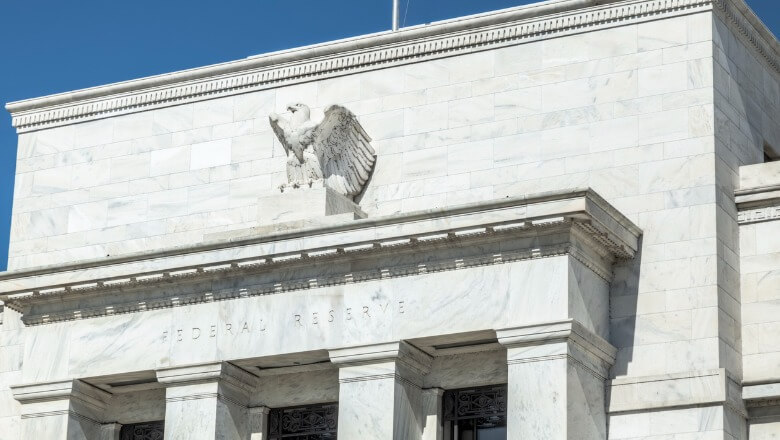
Could this week’s inflation data tip the scales for a December rate hike?
Markets are betting the Federal Reserve is finished raising rates, but the upcoming CPI report may sway its next decision in December.
US stocks rose on Friday, rebounding from the prior day’s losses that snapped the longest winning streak in two years for the S&P 500 and Nasdaq Composite
• Consumer sentiment declined for the fourth month in a row, according to early November data from the University of Michigan, as Americans worry about economic conditions and higher inflation going forward.
• Shares of hydrogen fuel cell developer Plug Power plummeted 40.3% after warning it may not be able to continue operations.
• Despite beating expectations, shares of the digital ad company The Trade Desk fell 16.7% following weak guidance. The company joined the likes of Meta, Pinterest, and Snap to caution against weaker ad spend since the start of the Israel-Hamas war.
What to be on the lookout for today
• Earnings from Tyson Foods and cloud platform Monday.com
• Consumer inflation expectations for October
Don’t make these budgeting mistakes
Here’s the thing about budgets: they only work if you stick to them.
When you create a budget you need to be realistic and honest with yourself. Figure out your monthly take-home pay and expenses. This may include essential spending like food, housing, utilities, child care, and car payments, but also non-essential expenses, such as entertainment and travel.
Tracking your spending for a few months can help you understand your spending patterns. That will make it easier to make cuts if necessary.
But creating a budget is just the first part.
Mistakes to avoid
• You are overly strict. Don’t be too restrictive with spending, or your budget may leave you discouraged. Allow for some wiggle room to indulge. If fancy coffee makes you happy, try making it a weekend-only habit.
• You set and forget. Life changes, and so should your budget. With the holiday season upon us, you might need to shift some of your spending to cover your celebrations.
• You don’t have a goal. Having goals can help you stay on track, even if they’re small, like putting an extra $50 into savings with every paycheck, or big, like paying off credit card debt.

Today’s top stories
On the other side of the world, inflation is actually a good thing Japan’s inflation rate — and economic growth — has been low for decades. Now a surprising shift is afoot. Here’s what it means for the rest of the world. Read more >> The surprising thing electric vehicles, charging stations, and solar panels all need Here’s a hint: It’s a commodity, and prices are going through the roof. And no, it’s not copper for wiring. And as energy investment continues to roll in, it’s a boon for American companies and individuals alike. Read more >> Everything you need to know about building an emergency fund Ideally you’d want six month’s worth of living expenses in your emergency fund. But your final number may vary depending on your age, cost of living, and dependents. Learn more about how to build your nest egg. Read more >>Other news that caught our eye
-
The IRS released new tax brackets for 2024. The inflation adjustment will boost paychecks, and lower income taxes for many Americans.
-
Workers at 18 casinos reached a new labor contract deal after months of negotiation.
-
Declining cattle numbers in the U.S. have led the nation to import a record volume of beef in 2023, squeezing profit margins for beef processors like Tyson Foods, which is due to report today.
-
Apple agreed to pay $25 million to the Justice Department to settle a case of discrimination based on citizenship, the largest settlement ever in such a case, according to the DOJ.
Financial planner tip of the day
“An emergency fund is intended to be used at a moment’s notice. For the most part, you’ll hear that a healthy emergency fund should cover between three and six months worth of living expenses — which would include rent, mortgage, bills, food, and other essentials. And since you never know when an emergency might happen, it’s best to keep your fund relatively liquid.”
Brian Walsh, CFP® at SoFi