
Thursday,
April 27, 2023
Market recap
Dow Jones
33,301.87
-228.96 (-0.68%)
S&P 500
4,055.99
-15.64 (-0.38%)
Nasdaq
11,854.35
+55.19 (+0.47%)
Top Story
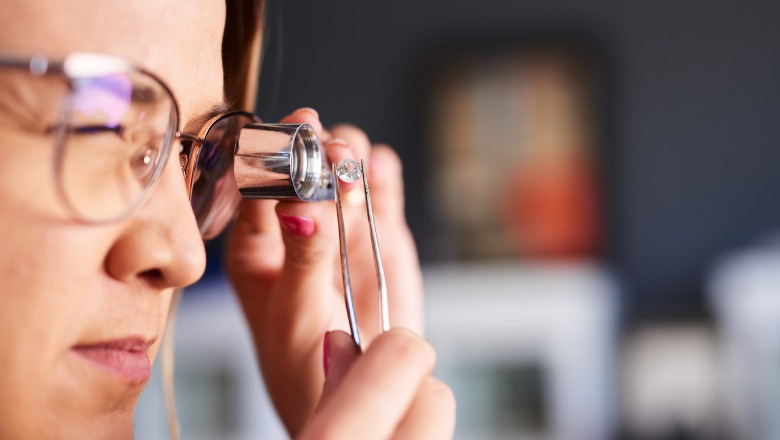
If you’re considering popping the question to a Millennial or Gen Z, fair warning: diamonds might not be their best friend.
We’ll take a look at recent shifts in the jewelry industry and why younger generations are breaking up with natural diamonds for lab-grown stones.
US stocks were mixed Wednesday as Wall Street weighed First Republic challenges and Big Tech earnings.
• After reporting earlier this week, First Republic (FRC) shares continued to slide amidst the ongoing search for a rescue deal. The company is looking to sell off assets and raise capital to avoid being taken over by the FDIC.
• Microsoft (MSFT) surpassed both top- and bottom-line estimates with earnings per share of $2.45 and revenue of $56.86 billion. The company issued strong guidance for the upcoming quarter and voiced optimism around its growth in artificial intelligence. The company invested heavily in OpenAI, which created ChatGPT.
• US durable goods orders rose by 3.2% in March, beating expectations of 0.7%. The increase can largely be attributed to a 9.1% rise in demand for transportation equipment. It’s the first positive reading since December.
What to be on the lookout for today
• The growth rate for America’s GDP will be released for Q1 of this year. During the last quarter of 2022, the economy expanded 2.6%. Investors will also get updates for initial jobless claims and pending home sales.
• Two Dow Jones companies, Caterpillar (CAT) and Honeywell (HON), will report earnings. Plus, Amazon (AMZN) CEO Andy Jassy will expand on his plan to cut costs, which may include more layoffs, in addition to the 27,000 workers Amazon has already let go this year.
How many credit cards should you have? Here’s what to know.
The average person in the US has about four credit cards. Here’s how to help determine the right number of credit cards for you.
Think about what you can manage. Having more than one card means you’ll always have a backup card in case you need it. But having multiple cards means staying on top of a number of different payments and remembering to make them all.
Figure out what you can afford. The more cards you have, the more you may pay in annual fees, which could start to add up.
Consider your credit score. If you miss payments or make them late, it could negatively impact your credit score. Also, opening too many accounts lowers the age of your credit, which also affects your score. However, on the plus side, one new card could add to your credit mix, which might be beneficial to your score. And if it’s a rewards card, you can also redeem rewards points.
The right number of cards is whatever you can responsibly manage without incurring too much debt. In fact, how you use your card may be more important than how many cards you have.
Recommended reading: Tips for Using a Credit Card Responsibly

Today’s top stories
The future of electric vehicles will be large and spacious, not small and compact. Here’s two reasons why automakers like General Motors (GM) are betting big on big EVs. Read more >> ChatGPT is reshaping industries and redefining success. It may not take your job, but it could change it. If you work in one of these three industries, you’ve likely heard about how AI could automate some of your responsibilities. We’ll explain a few ways in which technology may transform the way you work. Read more >> It’s been a fairly positive Q1 earnings season so far, but can investors trust this trend? In an environment of slow growth and waning demand, revenues are holding up — but how? Liz Young explains. Read more >>Not-so-breaking news
-
Britain’s top regulator moved to block Microsoft’s (MSFT) acquisition of Activision Blizzard (ATVI). The regulator stated the deal raises competition concerns in the cloud gaming market.
-
Boeing (BA) plans to increase production of its 737 Max planes from 31 per month to 38, despite a manufacturing issue. The company aims to get its planes to airlines quicker to capitalize on rebounding travel demand and expects to deliver more than 400 of the 737s this year.
-
Chipotle (CMG) beat analyst expectations for both earnings and revenue. The burrito chain’s foot traffic grew in the first quarter, despite a roughly 10% increase in prices since last year.
-
Facebook’s (META) ad platform experienced a glitch that caused companies to spend their entire day’s budget in just a few hours. This glitch comes at an inopportune time as the social media platform battles a sluggish economy and changing ad market.
-
Mattel (MAT) announced its first Barbie doll with Down syndrome as part of its Fashionistas line. The new line also features dolls with prosthetic legs, hearing aids, and wheelchairs.
Financial planner tip of the day
"If you have savings that is not currently earmarked for a specific financial goal, take some time to think about what goal you’d like to apply it to. A great first saving goal is to have three to six months of living expenses in an emergency fund. After that, it might be good to turn your attention toward retirement savings and investing."
Brian Walsh, CFP® at SoFi