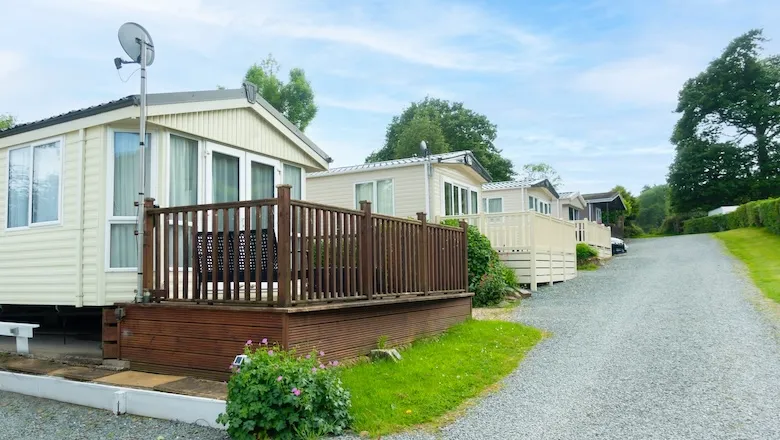
The U.S. is home to 7.2 million mobile homes, 72.2% of which were built before the year 2000. That means the vast majority of these homes have been around for nearly 30 years or more. But just because a mobile home is old doesn’t mean it can’t be insured.
Here’s everything you need to know about older mobile home insurance.
Key Points
• Mobile homes built before 1976 require specialized insurers due to outdated construction standards, while post-1976 structures are classified as manufactured homes.
• Coverage includes dwelling protection against fire, wind, hail, and vandalism, personal property coverage calculated as a dwelling percentage, and liability protection for injuries
• Most insurers require actual cash value coverage, including depreciation rather than replacement cost, though replacement cost coverage adds approximately 20% more to premiums
• Coverage challenges stem from age, wear and tear, outdated construction standards, and location in high-risk areas prone to hurricanes, flooding, or wildfires.
• Strategic upgrades, including hurricane straps, skirting, tie-downs, permanent foundations, and modern materials, can reduce premiums by lowering wind-related damage risks
Can You Insure an Older Mobile Home?
It’s possible to get insurance for older mobile homes, but you may need to find a specialized insurer to get coverage. A mobile home refers to a prefabricated structure built before 1976; a similar home built after that is called a manufactured home. The difference stems from the construction standards that were in place when the home was built.
Because of this, a mobile home may be more difficult to insure. The safety features aren’t up to par, and it may get hit harder during severe weather. However, there are specialized insurers who offer coverage regardless of the mobile home’s age and value.
What Does Insurance Cover for Older Mobile Homes?
There are a few different types of coverage that come with old mobile home insurance.
Dwelling Coverage
Dwelling coverage provides financial protection against damages caused to the structure of your home. In most cases, covered perils include fire, wind, hail, vandalism, and more. However, your policy may have exclusions or restrictions, especially with an older mobile home.
On top of that, a large percentage of mobile homes are located on the Atlantic coast line, which could limit or eliminate coverage for any damage related to hurricanes. Homes in high-risk wildfire areas could also see limited coverage. Read your policy quote carefully to see what events will actually be approved if you need to file a claim for dwelling coverage.
Personal Property Coverage
Older mobile home insurance doesn’t just cover the building structure; it also covers damage or theft of your personal property within your home. Basic coverage is usually calculated as a percentage of your dwelling coverage limit. For instance, the maximum you can claim might be 50% of your dwelling coverage. If the amount in your policy isn’t enough, you can purchase additional coverage, but that will impact your older mobile home insurance cost.
Your personal property coverage may also exclude certain high-value categories, such as jewelry, art, or collectibles. Adding a rider can provide coverage for those specific items to make sure they’re fully covered in the event they’re damaged or stolen.
Liability Protection
Liability coverage offers legal protection in case someone is injured on your property or has damage done to their property while at your home. It may also cover dog bites, depending on if your insurer offers that coverage and if you have an approved breed.
In short, liability protection means if someone sues you over something that happened at your mobile home, your insurer will help with legal fees and settlements. However, liability coverage doesn’t include any intentional harm or injuries that happen to family members who live at the property.
Actual Cash Value vs. Replacement Cost
Choosing between actual cash value and replacement cost coverage has a huge impact on how much you’ll be reimbursed if your older mobile home is damaged. Here’s the difference between the two:
• Actual cash value: This includes depreciation (such as age and wear and tear) and reimburses you for the amount your mobile home would sell for. It doesn’t cover the full cost to build a new manufactured home from scratch.
• Replacement cost: This gives you the full cost it would take to replace your mobile home by today’s standards. It can help you avoid having to get mobile home financing if you need to rebuild.
Most mobile home insurance for older mobile homes requires you to get actual cash value coverage. An adjuster may assign a value, or it may be based on the estimated lifespan of the mobile home. Some insurers, however, let you purchase replacement cost coverage for an extra price. It can add up to 20% more to your insurance coverage.
Recommended: What Is Mobile Home Insurance?
Why Older Mobile Homes May Be Harder to Insure
There are several reasons why older mobile home insurance is harder to come by. The first is simply the age and condition of the home. They’ve experienced more wear and tear, putting them at higher risk of being damaged during severe weather.
Additionally, construction standards simply weren’t the same as they are today. Decades-old wiring, plumbing, and exterior materials may not be as durable or as safe as what you’d find in a newer mobile home.
Finally, a large portion of mobile homes tend to be in higher-risk areas, whether due to hurricanes and flooding or wildfires.
Ways to Improve Insurability
Don’t pay more for your policy than you need to. Instead, look around for better deals on insurance for your mobile home by following these tips that could result in helpful discounts:
• Upgrades: Making a few strategic upgrades could help; for instance, adding new skirting and installing hurricane straps can help prevent wind-related damage. You could also replace your siding and roof with more modern materials.
• Technology: Whether you install security systems or smoke and water sensors, these extra gadgets could help you save on your insurance policy.
• Bundle: If you have any other type of insurance, such as auto insurance, look for an insurer who offers discounts for multi-policy bundling.
When Insurance May Be Limited or Denied
One of the most common scenarios for a mobile home being offered limited coverage (or none at all) is being built before 1976. On top of that, you may have trouble getting insurance if you live in an area prone to natural disasters like hurricanes, flooding, hail, or wildfires.
The Takeaway
It’s certainly not impossible to get older mobile home insurance, but it may take some extra legwork to find the best policy. Make it easier on yourself by searching for homeowners’ insurance through SoFi, which lets you compare multiple quotes with just one form.
If you’re a new homebuyer, SoFi Protect can help you look into your insurance options. SoFi and Lemonade offer homeowners insurance that requires no brokers and no paperwork. Secure the coverage that works best for you and your home.
SoFi brings you real rates, with no bait and switch.
FAQ
How old is too old for a mobile home to qualify for insurance?
There’s no hard cutoff date for a mobile home qualifying for insurance based on age. However, many insurers may start to reduce or eliminate coverage for mobile homes built before 1976.
Do insurers treat mobile homes built before 1976 differently?
Yes, most insurers treat pre-1976 mobile homes differently because they were built with different safety standards.
Can I insure an older mobile home that has been renovated or remodeled?
Yes, insurers may provide coverage if you update some of the mobile home’s exterior features, such as the roof, siding, or skirting.
Does the type of foundation affect insurance eligibility?
Yes, there are several different types of foundations your mobile home may have. A more permanent option, like a slab foundation, could result in better coverage opportunities.
Will adding tie-downs or a permanent foundation lower my premium?
Yes, adding tie-downs or a permanent foundation can lower your older mobile home insurance premium because it reduces the risk of wind-related damage.
Photo credit: iStock/Eileen Groome
Home and Renters Insurance: Insurance not available in all states.
Experian is a registered trademark of Experian.
SoFi Insurance Agency, LLC. (“”SoFi””) is compensated by Experian for each customer who purchases a policy through the SoFi-Experian partnership.
Third-Party Brand Mentions: No brands, products, or companies mentioned are affiliated with SoFi, nor do they endorse or sponsor this article. Third-party trademarks referenced herein are property of their respective owners.
Financial Tips & Strategies: The tips provided on this website are of a general nature and do not take into account your specific objectives, financial situation, and needs. You should always consider their appropriateness given your own circumstances.
SOPRO-Q126-075