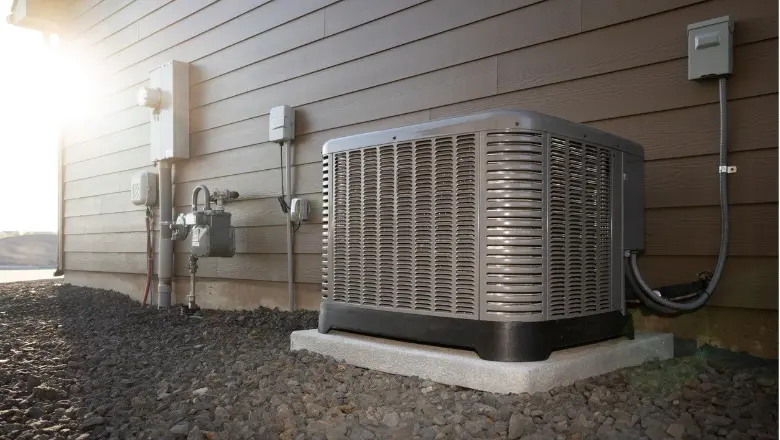
Homeowners who need a new HVAC system usually have several financing options to choose from if they can’t or don’t want to pay cash for a replacement. Some popular choices include using a home improvement loan, obtaining a home equity loan or home equity line of credit (HELOC), or signing up for financing through a heating, ventilation, and air-conditioning (HVAC) manufacturer or installer. Most options can help you cover other common home repair costs as well.
The best choice for you, of course, will depend on your individual situation. Let’s take a look at the various HVAC financing alternatives so you can determine the one that best fits your needs.
Table of Contents
Key Points
• Homeowners can finance a new HVAC system with a home improvement loan, home equity loan, home equity line of credit, or financing offered directly by the manufacturer or installer.
• The average cost to replace an HVAC system is about $7,500, but can range significantly higher.
• Home improvement loans offer quick approval, fixed or adjustable rates, and are generally unsecured, meaning the home isn’t at risk if payments aren’t made.
• Home equity loans typically have lower interest rates but require a longer approval process and involve closing costs.
• Borrowers should research potential cost savings like utility company rebates, Energy Star programs, and state/local clean energy incentives.
Why Consider HVAC Financing?
If your home’s old HVAC system is on its last legs — or has already failed — you may not have time to save up for a new one. This is especially true if you live somewhere that gets really hot in the summer, cold in the winter, or both.
The home improvement site Angi reports that the average cost of replacing a home’s HVAC system in 2026 is about $7,500. But your cost to replace an HVAC system could be much higher (as much as $22,000) if you need new duct work or want to add extra features, like a HEPA filtration system.
That’s a lot of cash to come up with out of pocket, even if you have a healthy emergency fund. Figuring out if you can finance a new HVAC system may be your best, or only, way to go.
Recommended: The Cost of Ductwork
Top HVAC Financing Options
Your best choice for financing a new HVAC system may depend on several factors, including your creditworthiness, how much you need to borrow, and how much home equity you have. Here are some options you may want to consider:
1. Manufacturer Financing Programs
Some major HVAC manufacturers, including Trane, Lennox, and Carrier, work with large financial institutions to offer financing to customers who buy their products. The HVAC company may offer you this payment option — which typically entails applying for a no-interest credit card or installment loan meant specifically for the HVAC purchase — as part of the sales process.
Applying through the manufacturer can be convenient — and if you have an excellent credit score, you may be eligible for a low or 0% annual percentage rate (APR) for a set promotional period. But borrowers who don’t make their payments on time, or who don’t pay off the balance in full by the end of the promotional period, could find themselves paying retroactive interest charges at a high rate.
It’s important to be clear about the specific terms of furnace loans, and to determine that the promotional financing period is a reasonable amount of time for repayment before moving forward.
2. HVAC Company Financing Program
The installation company you choose to work with may also partner with a lender to provide furnace financing or other HVAC financing, with similar incentives to those that HVAC manufacturers offer. Rates and terms for furnace replacement financing can vary across contractors, however, so it can be a good idea to shop for the best furnace and installer, and the best loan offer separately before you sign on the dotted line.
3. Home Improvement Loan
A home improvement loan is a personal loan that is used to pay for home repairs or renovation projects. Generally, these types of loans are unsecured, which means houses aren’t used as collateral to secure loans for furnace replacement. (Unlike a home equity loan or HELOC.)
Home improvement loans are made by banks, credit unions, and online lenders and typically have higher interest rates and shorter loan terms than loans that require collateral. But there’s usually less paperwork involved. Borrowers also may have more flexibility in how they can use the money.
Applying for a personal loan online can take just a few minutes, and some lenders offer same-day approvals — which can be a plus if you’re in a hurry to get started on your HVAC replacement project. Another advantage: Home improvement loans come with a fixed interest rate, which means you’ll have a consistent monthly payment over a set term.
Borrowers with good credit scores, a stable income, and low debt can expect to receive the most competitive terms when applying for a home improvement loan.
4. Home Equity Loans or HELOCs
If you have some equity built up in your home, you may want to look into using a home equity loan (a fixed-rate loan received as a lump-sum payment) or a home equity line of credit (a revolving credit line that works much like a credit card) to finance your furnace replacement.
The interest rates associated with home equity loans or HELOCs are generally lower than those for personal loans, which can be a money-saver for borrowers. And the interest you pay on your loan or HELOC may be tax deductible if you itemize on your tax return.
But your lender will likely require a home appraisal to determine your home’s current value, and the approval process can take longer than it does for other furnace financing options. Borrowers also can expect to pay closing costs and other fees on these types of loans.
There’s also the risk that if you default on your home equity loan or HELOC, both of which are a type of second mortgage, the bank could seize your home to recover its losses. And if you sell your home, you’ll likely be expected to pay off the balance of your second mortgage as soon as you close.
5. Government Rebates and Incentives
While you’re researching the best type of HVAC financing for your needs, you also may want to look for rebates and tax credits that could help lower your costs.
Although the federal government’s popular Energy Efficient Home Improvement Credit officially ended in 2025, you may find other savings programs are still available, such as:
• Utility Company Incentives: Many local utility providers provide rebates for installing energy-efficient HVAC equipment. You can Google “energy efficient incentives” along with the name of your local utility to find potential savings.
• Energy Star Home Energy Rebates: Depending on your location and other factors, you could be eligible for discounts on Energy Star appliances and other home upgrades. Check out the online Energy Star Rebate Finder, and enter your ZIP code for a list of programs in your area.
• State and Local Government Rebates: Some state and local governments offer their own clean energy incentives. You can search your state’s Department of Energy website for current information. Your HVAC installer may also know of rebates and programs that can help reduce your costs.
Recommended: Central Air Installation Costs
What’s the Best HVAC Financing Option for You?
Replacing your HVAC system can be expensive. And if your system breaks down unexpectedly, you may not have time to prepare for the cost of new equipment. Many homeowners choose to finance their HVAC project, often with a home improvement loan or a second mortgage that allows them to break up the cost over several months or years. Here are some points to consider as you research the financing option that’s best for you:
• Look for a loan amount and term that suits your needs. Consider how your loan or HELOC payment would fit into your monthly budget and how it might affect your long-term financial goals.
• Shop for competitive rates and fees. A manufacturer or contractor loan can be convenient, but it doesn’t take long to hop online and compare what other lenders may have to offer. (If you do choose to go with an installer’s financing program, be sure you’ll be working with a reputable lender.)
• Keep your timeline in mind. You can usually expect faster funding through a home improvement loan or contractor financing than if you apply for a home equity loan or HELOC. And you won’t have to tie the loan to your home and put your residence at risk.
The Takeaway
There is no single best way to finance a new HVAC system. Which methods are better or worse depend on your personal situation. If the work has to be done quickly and you choose to finance your project, a home improvement loan could be obtained on a tight timeline and allow you to repay the cost over several years. The right choice for your HVAC replacement loan will depend on your credit score and the overall cost of your project, but researching lenders and rates is a great first step.
Think twice before turning to high-interest credit cards. Consider a SoFi personal loan instead. SoFi offers competitive fixed rates and same-day funding. See your rate in minutes.
FAQ
What credit score do you need to finance an HVAC system?
Lenders set their own criteria for HVAC loan approvals, but it usually takes a credit score of 580 or higher to get a personal loan, and many lenders prefer to see a score of 620 or higher. Lenders often look for a score of 680 or higher for a home equity loan or HELOC.
Is HVAC financing available with bad credit?
Lenders typically offer the most competitive terms to borrowers with good or excellent credit, but some lenders are willing to accept lower credit scores.
Are there HVAC financing options with no interest?
If you have good credit, the HVAC manufacturer or installer may offer you a loan with 0% interest rate during a preset promotional period (such as 36 or even 60 months). But you’ll have to pay the amount due in full by the end of that promotional period to avoid facing retroactive interest charges at a higher rate.
Can I include installation costs in HVAC financing?
Yes, you can finance the cost of equipment and labor when financing your HVAC replacement.
Is it better to finance my HVAC project through the contractor or a bank?
The better your credit, the more financing choices you’ll have when financing an HVAC project, and it’s worth comparing all your options. Home equity loans and HELOCs typically offer the lowest interest rates, for example, and contractor financing offers convenience. But a personal loan can offer quicker funding, and applying online is quick and easy.
Photo credit: iStock/Holden Henry
SoFi Loan Products
SoFi loans are originated by SoFi Bank, N.A., NMLS #696891 (Member FDIC). For additional product-specific legal and licensing information, see SoFi.com/legal. Equal Housing Lender.
Tax Information: This article provides general background information only and is not intended to serve as legal or tax advice or as a substitute for legal counsel. You should consult your own attorney and/or tax advisor if you have a question requiring legal or tax advice.
External Websites: The information and analysis provided through hyperlinks to third-party websites, while believed to be accurate, cannot be guaranteed by SoFi. Links are provided for informational purposes and should not be viewed as an endorsement.
Third-Party Brand Mentions: No brands, products, or companies mentioned are affiliated with SoFi, nor do they endorse or sponsor this article. Third-party trademarks referenced herein are property of their respective owners.
Third Party Trademarks: Certified Financial Planner Board of Standards Center for Financial Planning, Inc. owns and licenses the certification marks CFP®, CERTIFIED FINANCIAL PLANNER®
SOPL-Q126-014