This content may include information about products, features, and/or services that may only be available through SoFi's affiliates and is intended to be educational in nature.
Table of Contents
Understanding your homeowners insurance is important, especially when damage occurs from something as serious as a fire. The good news is that there are many instances when fire damage is covered by standard policies. But there are also some exceptions to getting your claim approved.
Key Points
• Standard homeowners insurance typically covers fire damage to the home structure, personal property, and additional living expenses.
• After a fire, secure the property, find a safe place to stay, contact police, and notify the insurance company.
• Document the damage with photos or video and, if possible, provide a home inventory to support the claim.
• Common exclusions in fire damage coverage include intentionally set fires and those caused by acts of war.
• Review and adjust policy limits annually to cover inflation and rising rebuilding costs.
What Does Homeowners Insurance Cover After a Fire?
Most policies include damage caused by a fire. But what does homeowners insurance cover when you file a claim? There are actually three different parts of your policy you can access to get financial help if you’ve had a fire at home. Let’s take a look at each one.
Your Home’s Structure (Dwelling Coverage)
Your dwelling coverage covers the structure of your home, up to a limit listed in your policy. How the insurer estimates reimbursement for a claim depends on whether your policy is based on replacement cost or actual cash value.
• Replacement cost: This coverage is more comprehensive because it covers the current cost to replace or repair your property without deducting for depreciation costs.
• Actual cash value: This option, on the other hand, reduces your payout using depreciation. That means it accounts for the age and condition of the property, rather than the current price.
Dwelling coverage also pays for damage caused to attached structures like a garage. Usually the maximum coverage amount is 10% of your home’s dwelling coverage.
Your Personal Property and Belongings
All of the items in your home are also covered under your homeowners insurance policy — up to a limit, usually between 50% and 70% of your dwelling covered. So if the home itself is covered for $400,000, then your personal belongings likely have a limit between $200,000 and $280,000.
Note that there may be category limits for high-ticket items like jewelry, art, or collectibles. In order to fully insure them, you might need to get them appraised and purchase an extra policy endorsement.
Additional Living Expenses (Loss of Use)
Depending on the extent of fire damage in your home, it may be unsafe to stay there until repairs are completed. Typical homeowners insurance policies include additional living expenses (ALE) coverage, which pays for extra costs like hotels and meals, up to a limit.
How Do I File a Fire Damage Claim?
Your insurance provider may have different options available for filing a claim, such as on the phone, online, or through their mobile app. Follow these steps to help improve your chances of getting your fire claim approved.
Immediate Steps to Take After a Fire
Once the fire itself is addressed, take these actions to stay safe:
• Protect open entries: Board up broken doors or windows. You could do this yourself if the fire only caused minor damage, or you may need to hire professionals if the fire damage is extensive or there are structural concerns.
• Find a safe place to stay: It may not be safe to stay in your home if the fire was widespread and caused smoke damage.
• Contact police: Consider contacting your local police to let them know you’re temporarily leaving the property.
• Contact your insurance company: Once these immediate needs are taken care of, it’s time to start the claims process.
Documentation Needed for Your Claim
The claims process may vary depending on your insurance company. But you’ll likely need to submit the following types of documents in order to move forward with your claim:
• Photos and/or video of the damage
• Home inventory, if you have it
The more details you can provide, the better.
The Claims Timeline and Process
Here’s what usually happens once the insurance company has your claims information:
• An adjuster is assigned to estimate the damage done to your home and personal property.
• Your claim will be approved or denied.
• The insurance company will let you know how much money you’ll receive to repair the home based on your coverage.
When it’s time to start the repair process, the insurance company may make payments directly to the contractor, or they could pay you directly to manage the repair process. If you have a mortgage, the lender may also be included in the process to make sure repairs are completed.
The timeline of approving or denying a claim varies by state, but usually you’ll hear back within two weeks. That said, it can take longer to receive your payout, and the insurer can request an extension if they need to investigate additional details surrounding the fire.
Recommended: Homeowners Insurance Guide
What Fire Damage May Not Be Covered
Damage caused by fire, lightning, and smoke are considered covered perils in most standard policies. But there are some common exclusions and other situations that may impact your eligibility.
Standard Policy Exclusions
Policy exclusions for fire damage usually include fires that are set intentionally or caused by an act of war. Check your specific policy to see additional details that may apply.
Wildfire Damage Considerations
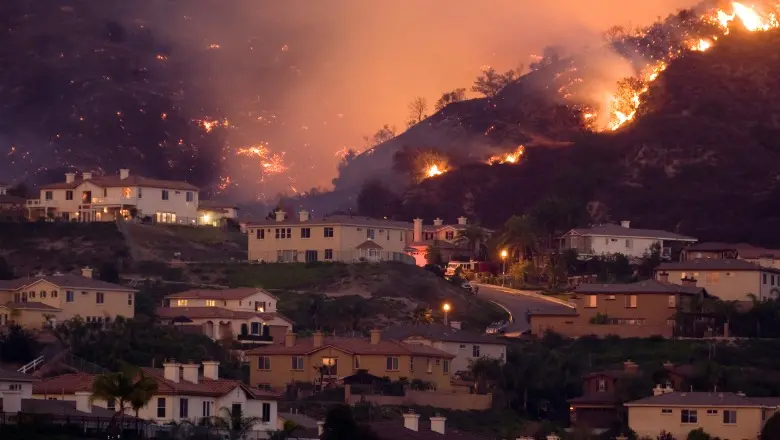
Does homeowners insurance cover wildfires? It depends on your policy. Historically, wildfires haven’t been listed as an exclusion, but that has begun to change in areas that are prone to them. Consult your policy to find out if you’re covered.
Understanding Negligence vs. Intentional Acts
An intentional fire is set on purpose, but what about a fire caused by negligence? Whether a candle is left burning unattended or a kitchen fire spreads too fast, there are instances that aren’t purposeful but could have been prevented.
The good news is that fires caused by negligence are usually covered by homeowners insurance. But it’s up to your insurer to determine what’s considered negligence and what’s gross negligence. For instance, a claim that involves faulty wiring you ignore and then ignites your home may be ruled as gross negligence — and may not be covered.
Understanding Your Fire Coverage Limits and Deductibles
Home insurance does cover fire in many cases, but how much money can you actually expect to receive from your insurance company? Several factors will influence your claims payout, such as the type and coverage limits of your policy, the cause and extent of the fire damage, and your adherence to the claims process.
How Your Coverage Limits Are Determined
You can choose how much coverage you want on your home. Your premium will cost more for a higher level of coverage, but you’ll receive better reimbursement in case a major event like a widespread fire occurs in your home.
When estimating the cost to rebuild your home, consider factors such as:
• Size of your home
• Attached structures
• Quality of materials used in your home
• Local labor costs
The Importance of Reviewing Your Limits Annually
As inflation causes the price of materials and labor to increase each year, it’s smart to regularly review your policy limits. Consider increasing your coverage in increments to keep up with rising costs. Alternatively, you can purchase an inflation guard clause as an addition to your policy.
Another option is extended replacement cost coverage, which pays extra money above your standard coverage in case a region-wide disaster causes prices to skyrocket due to increased demand.
How Your Deductible Affects a Fire Damage Claim
A deductible is an important homeowners insurance term to understand. It’s the amount of money you must pay out of pocket towards your repair or replacement costs for an approved claim. The most common type is a fixed deductible (usually between $100 and $5,000), but you may see a percentage of the home’s insurance value instead.
Recommended: How to Buy Homeowners Insurance
The Takeaway
Finding the right homeowners insurance coverage is important to protect your finances from major events like fire damage. While home insurance typically covers fires in many cases, the amount of your claims payout will be influenced by several factors. These include your policy’s type and coverage limits and the severity of the damage.
FAQ
Is my personal property covered at replacement cost or actual cash value?
It depends on your individual policy. Find this information by looking at a copy of your full insurance policy under personal property coverage. Contact your insurer if you can’t find a copy.
What’s the first thing I should do if my house has a fire?
The first step is to evacuate your home and call 911 to get help from your local fire department. Make sure you and your loved ones are safe and get medical help if necessary. Once the fire is contained, the fire department can help you figure out whether or not your home is safe to enter and stay in.
Are wildfires covered by homeowners insurance?
Does home insurance cover forest fires and other wildfires? It varies by policy. There may be a wildfire exclusion if your area is particularly prone to this type of disaster.
How does my deductible work for a large fire claim?
Your deductible is subtracted from the payout once your claim is approved. It doesn’t matter if you’ve already had claims during the year — deductibles apply to each individual event.
If I accidentally cause a house fire, am I still covered?
In many cases, accidental fires are still covered by homeowners insurance. The exception is if the fire was caused by gross negligence.
photo credit: iStock/f00sion
Auto Insurance: Must have a valid driver’s license. Not available in all states.
Home and Renters Insurance: Insurance not available in all states.
Experian is a registered trademark of Experian.
SoFi Insurance Agency, LLC. (“”SoFi””) is compensated by Experian for each customer who purchases a policy through the SoFi-Experian partnership.
Financial Tips & Strategies: The tips provided on this website are of a general nature and do not take into account your specific objectives, financial situation, and needs. You should always consider their appropriateness given your own circumstances.
SOPRO-Q325-016