
19 Top Side Hustles to Fund Your Early Retirement

If you’ve always dreamed about quitting the rat race and retiring early, you may want to take on a side hustle to help bring in extra money. While a side hustle is usually a part-time job, some side hustles have the potential to turn into a career or business that can provide a significant source of income.

Read on to learn more about early retirement side hustles, including some easy side hustle ideas that could help you secure your financial future.

Key Points

  • To retire early, taking on a side hustle can provide extra income to boost long-term financial security and retirement savings.
  • Leveraging existing skills and passions to find a side hustle enhances chances of success and enjoyment.
  • Many side hustles offer flexibility, require no special equipment, and are easy to start. Examples include online tutoring and pet sitting.
  • For individuals with design and web-based skills, graphic design and web development for small businesses may be lucrative side hustles.
  • Virtual assistant roles are one of the more recent side hustle opportunities. Virtual assistants support business owners by performing tasks such as customer service, and are in high demand.

Why Are Side Hustles Your Secret Weapon for Early Retirement?

The average retirement age in the U.S. is currently 62, according to a 2024 study from MassMutual.[1] If you are hoping to retire early — in your 50s, say — a side hustle can serve as a tool to help generate extra income.

An early retirement side hustle, which is sometimes referred to as an early retirement job, doesn’t have to involve a lot of time and effort. Even a small side hustle that you do on weekends can give you some extra money you can use to build your retirement accounts. A profitable side hustle may even give you enough funds to set up an additional retirement account — for instance, you could open an IRA — which can add even more money to your retirement savings overall.

The F.I.R.E Movement

The concept of early retirement is so appealing that it has launched movements. For example, the F.I.R.E. movement has attracted a community of people who are looking to retire early. F.I.R.E. stands for “Financial Independence, Retire Early,” and many of its followers hope to retire in their 40s or even their 30s.

The basic idea of the movement is to save a significant amount of your income as a young adult so that you can become financially independent and achieve retirement early. To reach this goal, proponents of F.I.R.E. put 50% to 75% of their income into retirement savings. That can be challenging because after that money is directed to their retirement accounts and their bills are paid, there typically isn’t much left over for fun stuff, like going out to dinner or to the movies.

Individuals planning for early retirement, like those in the F.I.R.E. movement, may find a side hustle especially appealing. It could help them generate extra income for their retirement savings accounts.

19 Easy Side Hustles to Fund Early Retirement

Whether you’re a follower of F.I.R.E. or not, and no matter what your preferred age for early retirement, having a successful side hustle can help you get there faster. Here are some easy jobs for early retirement to consider.

1. Freelance Writing

One of the benefits of having a side hustle is the flexibility to be able to work on your own schedule. If you have a knack for writing, becoming a freelance writer might be a good side hustle for you. With most freelance writing gigs, you can work whenever you like as long as assignments are done by a certain date.

Look for brands or clients who specialize in industries or fields where you already have skills or experience. For instance, if you love to knit, check out opportunities to contribute articles to knitting websites or blogs. Be sure to have examples of your work to share with potential employers so they can see what you are capable of.

2. Online Tutoring

If you’re in college and already thinking about early retirement, good for you! It’s never too soon to start planning and saving for the future. You can even find a side hustle that plays to your current strength — teaching others what you’ve learned in school.

One of the best side hustles for college students is online tutoring. You could tutor other college students or even high school or middle school students. Tutoring can typically be done on evenings or weekends, so you can fit it around your classes.

3. Graphic Design

If you have graphic design skills, another potential side hustle is doing graphic design work for small businesses and individuals. Think about specific services you might be able to offer, such as marketing layout, logo creation, and adding design elements to blogs, videos, or online articles.

Create a portfolio of your design work or set up a website to showcase your work. Then, look for freelance side hustle opportunities on platforms like Upwork or Fiverr.

4. Web Development

In this digital age, web development is another side hustle that can be done remotely, from wherever you are. Many small businesses and individuals need simple websites created and/or maintained for them, and many people don’t know how to do it themselves.

If you work in web development and have the skills and knowledge to create online platforms, you could be just what these clients are looking for. You can show them samples of your work, such as other websites you’ve designed.

5. Virtual Assistant Services

Becoming a Virtual Assistant (VA) is a newer side hustle that has recently increased in popularity. In fact the demand for virtual assistants increased by 35% in 2024, according to market research.[2]

A VA can help a small business by performing tasks like data entry, scheduling, bookkeeping, and customer support so that business owners can focus on their core business. According to one estimate, entrepreneurs gain up to 15 hours a week by using a virtual assistant to perform such tasks.

Some of the industries using virtual assistants are health care, real estate, and e-commerce businesses. You could start your search for a VA side hustle by concentrating on these fields and/or looking for opportunities on Upwork and FlexJobs.

6. Creating and Selling Online Courses

Another side hustle option you might consider if you’re an expert on a particular subject is creating and selling online courses. For example, maybe you’re a talented amateur pastry chef, a photographer, or you’re skilled at DIY home improvement projects. You could create courses showing other people how to achieve some of the things you’ve mastered, whether it’s decorating a cake, taking wedding photos, or remodeling a bathroom.

In fact, you may be able to combine two side hustles in one. If you’re good with plants and flowers, for instance, you might get a side hustle planting gardens for people on weekends, and then create videos to share your tips and tricks with an online audience. That way you’ve got even more money to save for early retirement, perhaps in an investment account.

7. Starting a Blog

A blog can be a way to share your passion or knowledge on a certain subject with others. While many blogs are passion projects where it might be difficult to make a lot of money, it all depends on your subject, how diligent you are with your blog, and how you choose to monetize it.

For example, you could host display ads on your blog (you can talk directly to companies to see if they’d like to advertise with you or use an online advertising platform), write sponsored content, or include affiliate links to products you mention so that you can earn commission whenever a reader clicks on the link and buys the product.

8. Starting a Podcast

If you want to share your knowledge on a topic, and you love to talk and interact with other people, starting a podcast may be a fitting side hustle for you. Podcasts are hugely popular: In the U.S., approximately 158 million people listen to podcasts every month.[3]

Almost anyone can start a podcast. All you need to do is decide on a topic (pick a subject you love to talk about), identify what makes your podcast unique, and determine who your audience is. Next, figure out the format (interview, roundtable, or whatever), and then get ready to start recording. You may be able to produce the podcast using only your computer and some headphones. Finally, decide how you’ll distribute your podcast — via Spotify, YouTube, Apple Podcasts, and so on.

The amount you can earn by podcasting varies widely. In general, podcasters may earn $25 to $50 per 1,000 downloads.[4]

9. Offering Coaching Services

If you’re an expert in business or in a specific area like fitness or human resources, you may want to explore the idea of launching an online coaching service. You can take the skills you’ve learned and teach them to others during online coaching sessions. You’ll need to determine who your clients might be and develop a coaching program. Then, you can figure out how much to charge for your services.

For instance, if you’ve worked in HR, you might offer your services as a career coach helping people land new jobs or move up the ladder in their current job. Try to pick a topic that will engage an audience and offer them valuable content that they’re willing to pay for.

10. Offering Consulting Services

Like a coaching service, starting a side gig in consulting is a side hustle that can be a good fit for someone with expertise in a given field. For example, maybe you’ve worked as a project manager in construction. You could offer your consulting services to people who are renovating their home and looking for guidance and someone to oversee the job.

Or maybe you’ve worked in the admissions office at a college. You might be able to provide consulting services to people applying to school to earn their degree. Think about what your skills are and what valuable services you can offer to others.

11. Driving for Ride-Sharing or Food Delivery Services

Ride-sharing and food delivery services like Uber, Lyft, Grubhub and DoorDash have become ubiquitous, and these companies are always looking for new drivers. Essentially, all you need is an eligible car, a valid driver’s license, at least a year’s worth of driving experience, and auto insurance.

In 2025, the average hourly pay for a rideshare driver is slightly more than $21, according to ZipRecruiter. Exactly what you can earn depends on where you live and what you earn in tips.[5]

Just be sure to take into account the expenses involved, including gas, and wear and tear on your vehicle.

12. Affiliate or Influencer Marketing

Affiliate and influencer marketing is another popular side hustle today. The job involves promoting products or services on social media or a website and earning a commission or fee for driving sales or audience engagement.

If you have a large social media following or online audience, this may be an avenue to explore. Talk to brands you know and like and see if you might be able to work with them to help promote their products or offerings.

13. Pet Sitting or Dog Walking

Love pets? You could earn extra money by starting a side hustle as a pet sitter or dog walker. Basically, you need to be responsible and good with animals for a job like this. You’ll do such tasks as walk pets, clean up after them, feed them, give them medication if necessary, and possibly stay overnight with them if their owners are out of town.

To find clients, reach out to friends and neighbors who have pets, or join platforms like Wag or Rover to find freelance dog walking and pet sitting opportunities in your area.

14. Renting Out a Spare Room (e.g., Airbnb)

Whether you join Airbnb or rent out a spare room on your own, offering rental space to others can be a lucrative side hustle, especially when it comes to passive income ideas. This is a gig that allows you to earn money for early retirement without requiring a lot of work on your part.

Once you get set up and start renting out your space, your main responsibilities will be vetting prospective renters and maintaining the room or space.

15. Selling Crafts or Handmade Goods Online (e.g., Etsy)

Another platform that you can use to start a good side hustle is Etsy or another similar platform. You can sell almost anything on Etsy, from homemade crafts to jewelry to wedding invitations. The platform does charge fees including processing and transaction fees, but using it can be a good way to reach an audience interested in buying what you’re selling. Over 96 million people are active buyers on Etsy.[6]

16. Testing Websites and Apps

Websites and apps need people to test them to make sure they work properly and provide a good experience. For individuals looking to earn extra income for early retirement, this could be an interesting and flexible side hustle.

The job typically involves evaluating the functionality, usability, and design of digital products before they’re launched. Many companies pay users to perform specific tasks and provide feedback, and report bugs or user-experience issues. This side hustle often requires only basic tech skills.[7]

17. Participating in Online Surveys

There are a number of websites and platforms such as Swagbucks, Opinion Outpost, and MySurvey, that will pay you to fill out online surveys. The surveys can be on just about any topic, and they may be tailored to you based on your interest and demographics. While most surveys don’t pay very much — sometimes just a few dollars per survey and some surveys only offer points that you can eventually redeem for cash — they do offer flexibility since you can do them anytime.[8]

18. Offering Neighborhood Tours

A unique side hustle if you live in an area that tourists like to visit is to become a neighborhood tour guide. For example, if you live in a historic area, a place with a unique heritage, or a locale with interesting geographic landmarks, you may be able to offer your services by giving neighborhood tours to those who are interested.

Be sure to bring your expertise into the equation as well. If you are a foodie or an architecture enthusiast, you could share your passion with others by introducing them to remarkable spots in your area and giving them insider information about each one. Whatever your interest or specialty is, you’ll need to develop a tour itinerary and market it to potential customers.

19. Lawn Mowing or Landscaping Services

Mowing lawns and landscaping yards is one of the original side hustles — it’s one that many of us did as kids. And it can be a lucrative side hustle for adults to earn some easy extra money for early retirement. The average price of mowing a half-acre yard is $50 to $75.[9]

All you need to get started is a lawnmower, a trimmer, and a blower. You can find clients by talking to neighbors, reaching out to friends and family, and going door to door in different neighborhoods near you.

Factors to Consider When Choosing the Right Side Hustle or Career

While there are many potential side hustles to choose from, choosing the right one for you depends largely upon your skills and interests. While it may be possible to succeed in any particular side hustle with enough hard work and determination, picking a side hustle where you already have some experience may set you up for a higher likelihood of success. And the more you like the work you’re doing, the greater the chance you’ll stick with it.

In addition, weigh the potential money you could make with the side hustle against the effort and possible expenses required. If you’ll be putting in hours for a side hustle that doesn’t net you all that much, it probably isn’t worth it. And if you have to buy a lot of extra equipment upfront for a gig that may or may not be successful, you may want to think twice.

How to Integrate Side Hustles Into Your Early Retirement Plan

When you are working at achieving financial freedom, a side hustle can play an important role in helping you reach your goal. Having a job on the side can provide extra money so that you can put more dollars into your retirement accounts or open a new account so that you can reach your retirement goal faster, and potentially with more money.

Plus, if a side hustle becomes very successful, it may be able to help supplement or even replace your income if you quit your “real” job. It might even be something you want to keep doing after you’ve finished saving for retirement because you enjoy it so much.

The Takeaway

When you’re hoping to retire early, a side hustle can help you earn extra money to make that dream a reality. Having the income from a side hustle, along with your salary from your regular full-time job can help you amass more savings so you can retire at a younger age.

With the money you earn from a side hustle, you can contribute more to your retirement accounts or open a new account to help save. The more you can save and invest now, the better your chances of achieving financial security for retirement.

Prepare for your retirement with an individual retirement account (IRA). It’s easy to get started when you open a traditional or Roth IRA with SoFi. Whether you prefer a hands-on self-directed IRA through SoFi Securities or an automated robo IRA with SoFi Wealth, you can build a portfolio to help support your long-term goals while gaining access to tax-advantaged savings strategies.

Easily manage your retirement savings with a SoFi IRA.

FAQ

Do I need to find a high-paying side hustle to quit my main career early?

Deciding when you can quit your main career depends on a number of different factors, including your age, your family situation, your financial obligations, and how much you have saved for retirement. If your personal and financial circumstances are right, a side hustle that pays well may help give you enough of a financial cushion to retire early.

How much extra money can a side hustle realistically contribute to my retirement savings?

The amount that a side hustle can contribute to your retirement savings can vary drastically, depending on what the side hustle is and how much time and effort you put into it. But consider this: Money that you earn from a side hustle now and put into a retirement savings account can potentially grow over time, thanks to the power of compounding returns. The sooner you start saving for retirement, the better.

What are some flexible jobs that I can continue even after I retire?

Flexible jobs you can start now and continue in retirement include pet sitting, freelance writing and graphic design, and online coaching and consulting. Each of these jobs offers flexible hours and convenience so that you can work when it suits you best.

What is the best side hustle?

What’s the best side hustle for you depends on your skills, interests, and life situation. The best side hustles are ones you enjoy and that make good use of the skills you have. The best side hustles also pay you enough to make them worth your while and offer flexibility so you can do them when you choose.

What is the easiest side hustle to get into?

Some side hustles are particularly easy to get into. Examples include pet sitting and dog walking, working as a virtual assistant, and renting out a room. With each of these side hustles, you can find money-making opportunities through online platforms so that you don’t have to go out and drum up business yourself. Plus they don’t require special equipment.

Article Sources

Photo credit: iStock/mixetto

INVESTMENTS ARE NOT FDIC INSURED • ARE NOT BANK GUARANTEED • MAY LOSE VALUE

SoFi Invest is a trade name used by SoFi Wealth LLC and SoFi Securities LLC offering investment products and services. Robo investing and advisory services are provided by SoFi Wealth LLC, an SEC-registered investment adviser. Brokerage and self-directed investing products offered through SoFi Securities LLC, Member FINRA/SIPC.

For disclosures on SoFi Invest platforms visit SoFi.com/legal. For a full listing of the fees associated with Sofi Invest please view our fee schedule.

Financial Tips & Strategies: The tips provided on this website are of a general nature and do not take into account your specific objectives, financial situation, and needs. You should always consider their appropriateness given your own circumstances.

Third-Party Brand Mentions: No brands, products, or companies mentioned are affiliated with SoFi, nor do they endorse or sponsor this article. Third-party trademarks referenced herein are property of their respective owners.

Third Party Trademarks: Certified Financial Planner Board of Standards Center for Financial Planning, Inc. owns and licenses the certification marks CFP®, CERTIFIED FINANCIAL PLANNER®

SOIN-Q225-077

Read more
Guide to Unfreezing Your Credit Report

If you have frozen your credit to protect your sensitive information from fraudsters, you may at some point want to unfreeze it. That will typically be necessary if you are applying for a new credit card or a loan. A credit freeze provides you with an extra layer of security because it prevents anyone (even a legitimate entity) from running a hard inquiry on your report or potentially opening a new line of credit without your permission.

In this guide, you’ll learn all about how to unfreeze credit.

Key Points

•   A credit freeze blocks access to your credit report, preventing new credit lines or loans from being opened.

•   Unfreezing can be done via phone, online, or mail.

•   Phone and online unfreeze requests are processed within an hour.

•   Mail unfreeze requests take up to three business days after receipt.

•   Existing credit cards remain usable during a credit freeze.

What Does it Mean to Unfreeze Credit?

When you freeze your credit report, you can’t open a new line of credit, whether that’s a credit card, mortgage, auto loan, or something else. At the same time, no one can run a hard inquiry on your credit report — so lenders, landlords, even potential employers can’t access it. While there are limits on who can legally look at your credit report, a credit freeze can provide peace of mind that no one can open an account in your name.

When you unfreeze your credit, it’s like you’re turning back on access to the credit report. Once your credit is unfrozen, you can once again open a new line of credit or apply for a loan, and lenders can run a hard pull on your report.

How a Credit Freeze Works

Also known as a security freeze, a credit freeze restricts access to your credit file. Credit freezes don’t happen automatically. You have to reach out to each of the three credit bureaus — Experian®, Equifax® and TransUnion® — to ask for a credit freeze. Thanks to the Fair Credit Reporting Act, if you request a credit freeze over the phone or online, the credit bureaus are required to freeze your report within 24 hours. If you send the request via mail, they have up to three business days.

Thanks to the Fair Credit Reporting Act, if you request a credit freeze over the phone or online, the credit bureaus are required to freeze your report within 24 hours. If you send the request via mail, they have up to three business days.

When you make a credit freeze request, each bureau will give you a PIN (personal identification number) or password that you need when you decide to lift the freeze.

A credit freeze is often confused with a credit lock, but they’re two separate things. A credit lock is a service you sign up for, and there’s usually a subscription fee. It’s similar to a credit freeze as you block access from most lenders. However, you can freeze or unfreeze it at any time on your phone or computer, and you don’t have to wait for it to go into effect.

A credit freeze is free, and you have to go through the credit bureaus to thaw your credit, and it takes about an hour to go into effect.

Types of Credit Freeze Lifts

At some point you may think about unlocking your credit freeze. When the time comes, there are two main types of credit freeze lifts:

Temporary Lift

A temporary lift will unfreeze your credit report for a designated time period. You can choose how long you’d like your credit to be thawed.

You can thaw your credit freeze temporarily to apply for new credit, take out a loan, or apply to rent an apartment. But once you’re done with that financial task, the freeze restarts.

Permanent Lift

A permanent lift will thaw your credit freeze for an indefinite amount of time. You might want to go this route if you don’t want to go through the steps of freezing and unfreezing your credit and find that the trouble isn’t worth the benefits.

Recommended: How to Read and Understand Your Credit Report

Ways to Unfreeze Credit Using Bureaus

If you are ready to unfreeze your credit, you need to contact each of the credit bureaus. You can do it in one of three ways:

•   Phone: If you request a lift by phone, the credit bureaus are required to thaw your credit within an hour.

•   Online: If you make the request online, your credit freeze will also be lifted within the hour.

•   Mail: You can also request a credit thaw by mail. If you go this route, expect the lift to happen within three business days after receipt of your request.

Recommended: How to Dispute a Credit Report and Win Your Case

When You Should Unfreeze Your Credit

Generally, you need to unfreeze your credit anytime someone needs to review your credit report, like if you’re opening a new line of credit or applying for a loan. Some common scenarios of when you’ll need to unfreeze your credit:

•   Applying for a credit card

•   Applying for a mortgage, personal loan, or car loan

•   Applying for a line of credit

•   Hunting for an apartment

Recommended: Common Credit Report Errors and How to Dispute Them

Credit Freeze vs. Fraud Alert

If you’re at high risk for fraud, suspect you’ve been a victim of a credit card scam, or just want to take extra precautions, you can set up a fraud alert on your credit report. When you have a fraud alert in place, a lender or creditor needs to verify your identity before they can issue you a new line of credit or approve you for a loan.

To place a fraud alert, you only need to reach out to one of the three credit bureaus. By law, that credit bureau must let the other two credit bureaus know you placed a fraud alert. In turn, all three credit bureaus will place a fraud alert on your credit file.

Initial fraud alerts are free, and initial fraud alerts last one year. After one year, you can renew it. Extended fraud alerts last for seven years, but they are for victims of identity theft, and you must submit a police report to qualify.

A credit freeze, on the other hand, blocks any party, including lenders and creditors, from accessing your credit. You need to place a credit freeze separately with each of the three credit bureaus, which lasts indefinitely. They can only be lifted when you make a request.


💡 Quick Tip: On-time payments are key to building your credit score. To ensure that you make your payments in time, consider setting up automatic payments or set a calendar reminder of your due date.

The Takeaway

Unfreezing your credit report is relatively simple, and it’s easy to set up a temporary lift should you decide you want to apply for a new credit card or personal loan. There are a few different ways you can go about thawing your credit as needed, and the credit bureaus have to unfreeze your credit within an hour of you making the request by phone or online.

Whether you're looking to build credit, apply for a new credit card, or save money with the cards you have, it's important to understand the options that are best for you. Learn more about credit cards by exploring this credit card guide.

FAQ

Can I unfreeze my credit?

You can unfreeze your credit anytime by going through each of the three credit bureaus — Experian, Equifax, and TransUnion — and requesting a lift on your credit freeze. You can ask for either a permanent or temporary lift. The thaw usually lasts anywhere from one to 30 days if it’s temporary.

Can you freeze your credit automatically?

Credit freezes don’t happen automatically. You will need to contact the three credit bureaus and make a specific request. You can do so online, by telephone, or via snail mail.

How soon can I unfreeze my credit after freezing?

You can unfreeze your credit as frequently as you like and request a credit lift as soon as you freeze it. If you made the request online or over the phone, it can take up to an hour to unfreeze your credit. If you send the request in the mail, it can take up to three business days after receipt of your request.

How long does it take to unfreeze your credit?

It depends on the credit bureau and how you made your request. If you requested your credit to unfreeze or “thaw” over the phone or email, the credit bureaus must lift it within an hour. If you made the request by mail, the credit bureaus must unfreeze your credit within three business days of receipt of your request.

Can I still use my credit card after freezing my credit?

Freezing your credit doesn’t impact your ability to use your credit card. You can freely make purchases on your card, book trips, redeem your cash-back points, and so forth. But if you want to do something that requires a hard pull of your credit — apply for new credit, say, or submit a rental application for an apartment — you’ll need to unfreeze your report first.


Photo credit: iStock/nortonrsx

Financial Tips & Strategies: The tips provided on this website are of a general nature and do not take into account your specific objectives, financial situation, and needs. You should always consider their appropriateness given your own circumstances.

Third-Party Brand Mentions: No brands, products, or companies mentioned are affiliated with SoFi, nor do they endorse or sponsor this article. Third-party trademarks referenced herein are property of their respective owners.

SOCC-Q325-003

Read more

What to Do If Your Credit Card Chip Stops Working

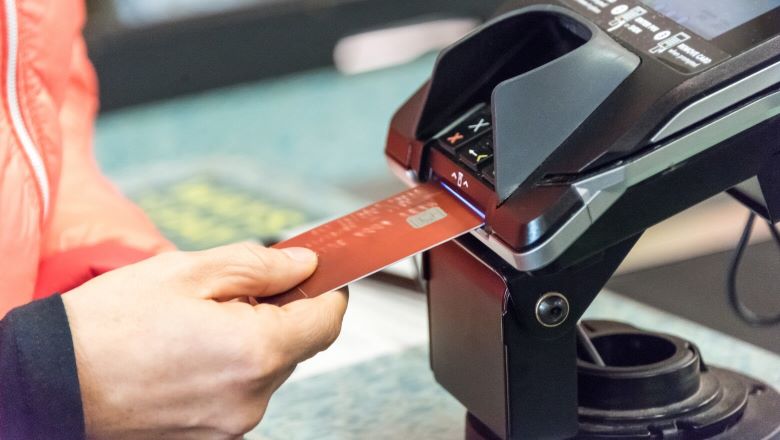
A credit card chip malfunction can be a small embarrassment and disruption in your day-to-day life, but don’t panic. There are several reasons why it might be malfunctioning, including wear and tear, dirt buildup, or an issue with your account.

Here, learn the basics of credit card chips, the different reasons a credit card chip might stop working, and what to do if it malfunctions.

Key Points

•   If your credit card chip isn’t working, you might try cleaning it with wipes or a microfiber cloth to remove grime.

•   Use the magnetic stripe if the chip fails to work, and check for card reader issues by trying a different terminal.

•   If cleaning doesn’t fix the issue, see if there is an issue with your account by contacting the card issuer.

•   Request a replacement card if cleaning doesn’t fix the issue and your account is in good standing.

•   Monitor and manage your credit card account to avoid limits and missed payments.

What Is a Credit Card Chip?

A credit card chip is a microchip that’s embedded in your credit card. The chip protects your data when you make an in-person payment. It uses a process called tokenization that encrypts your information, and generates a one-time code for each transaction.

Thanks to this technology, your credit card information is never received or transmitted by the merchant. This lowers the instances of credit card fraud when you use your card in a store or restaurant.

How a Credit Card Chip Works

Chip technology is also known as “card-and-PIN,” “card-and-signature,” or EMV (aka Europay, Mastercard, and Visa). The microchip that’s embedded in your card uses a process called tokenization. This is the same technology used in contactless credit cards and payments. In short, tokenization takes your sensitive card information and converts it into a unique token. This token protects your card info and account details.

The credit card chip holds encrypted data and transaction codes. These transaction codes are unique, one-time use, and always changing. As a result, it’s hard for counterfeit thieves to duplicate the data that’s stored on the chip.

Credit Card Chip Types

Within the realm of credit cards, there are three main chip types:

Standard “smart cards”: If you want to make an in-person purchase or take out cash at an ATM, many “smart cards” with the EMV chip technology simply require you to insert or tap your card into the card terminal.

Chip-and-PIN cards: This type of credit credit chip offers the most security. To make a purchase or make a withdrawal from an ATM with a chip-and-PIN card, you’ll need to first tap your card into the card reader, then punch in your credit card PIN code.

Chip-and-signature cards: This type of chip card provides a bit more security than if you simply swiped your card, but it’s not as secure as the chip-and-PIN type card. As the name implies, to use your card, you insert your card into the reader, then provide a signature for the transaction to go through.

Chip-and-signature cards aren’t as secure as their chip-and-PIN counterparts because it’s easier for fraudsters to forge a signature than to decipher your 4-digit PIN.

5 Things That Can Cause a Credit Card Chip to Stop Working

Here are some reasons why your credit card stopped working, and how to avoid these hiccups from happening:

Grime Buildup

Your card encounters dirt each time you insert or swipe in a machine, and grime will build up over time. This grime buildup could mean the terminal can’t read your card. To avoid this from happening, wipe down your card periodically.

Wear and Tear

Over time, the chip can get scratched or damaged. While scratches to the plastic on your card won’t cause any issues, scratches or dings to the chip might cause your chip to stop working and the transaction won’t go through.

To prevent wear and tear, consider protecting your physical card with a protective sleeve holder. These are usually made of a thin yet durable material, like synthetic fibers.

Heat or Water Damage

If you accidentally spill coffee and your credit card gets doused in the hot liquid or you leave your card in the hot car in the middle of summer, the chip on your card might get warped and go on the fritz.

To avoid this from happening, keep your card in your wallet when not in use. And be mindful of exposing it to extreme heat.

Recommended: All You Need to Know About Credit Card Numbers

Issue With Your Account

Sometimes when your chip stops working it’s because there’s an issue with your account. Common reasons include going over your credit limit, a missed minimum payment, or making purchases in locations where you don’t normally shop.

In this case, try swiping your credit card instead of doing the chip-and-PIN route. Hopefully that will resolve the issue and your payment will go through.


💡 Quick Tip: When using your credit card, make sure you’re spending within your means. Ideally, you won’t charge more to your card in any given month than you can afford to pay off that month.

Issue with your account

Sometimes when your chip stops working it’s because there’s an issue with your account. Common reasons include going over your credit limit, the billing info doesn’t match with your account, or you’re making purchases in locations where you don’t normally shop.

To steer clear of this potential issue, watch your credit limit. You can log on to your account or check your card balance on your card’s mobile app. If you’re using your card while on a business trip or vacation, set a vacation alert.


💡 Quick Tip: When using your credit card, make sure you’re spending within your means. Ideally, you won’t charge more to your card in any given month than you can afford to pay off that month.

What to Do if Your Credit Card Chip Stops Working

Here’s how to fix your credit card’s chip if it’s not working:

Clean the Card

If your chip is malfunctioning because of dirt buildup, try to clean your card. Gently wipe it down with an antibacterial wipe, alcohol pad, or microfiber cloth. You can also gently wipe around the edges of your chip with a cotton swab.

Swipe Instead

The magnetic stripe on your card also contains your account data. If the problem is with the checkout terminal, try swiping instead of tapping your card. There’s a chance that your transaction will go through without a hitch.

Get a Replacement Card

If the chip on your card regularly doesn’t work and no amount of cleaning fixes the problem, you might need to reach out to your credit card issuer and ask for a new one. You can do so by calling the number on the back of your card or on the issuer’s website or app. You can sometimes request a new card directly on the app or issuer’s website.

How long it will take for you to receive a replacement card depends on the credit card issuer, but you can expect it to take anywhere from one to seven business days. There might be a charge for a replacement card and a charge if you want shipment to be expedited.

Recommended: How Many Credit Cards Should I Have?

The Takeaway

There are a handful of reasons why your credit card chip stopped working. By doing a bit of investigating, you can get to the root of the issue and troubleshoot accordingly. Most likely you’ll just need to clean the card, but sometimes you may need to request a new one or address an issue with your credit card account.

FAQ

What do you do if your credit card chip doesn’t work?

If your credit card chip isn’t working, there’s usually a simple explanation why. It could be the result of normal wear-and-tear, heat or water damage, or grime buildup. Or it could be an issue with the card terminal or your account. Try to clean your card to see if that helps. If you’re in the middle of a purchase, swipe your card instead of inserting it into the terminal. In some instances, you might need to replace your credit card or address an account issue.

What can ruin a chip in a credit card?

There are a few ways a credit card chip can get ruined: regular wear and tear, grime buildup, or extreme heat or water damage.

Can you still use your card if the chip is broken?

You can still use your card by swiping. However, swiping your card instead of going the “chip-and-PIN” or “chip-and-signature” route reduces its security. You may want to request a replacement card.


Photo credit: iStock/Juanmonino

Financial Tips & Strategies: The tips provided on this website are of a general nature and do not take into account your specific objectives, financial situation, and needs. You should always consider their appropriateness given your own circumstances.

Third-Party Brand Mentions: No brands, products, or companies mentioned are affiliated with SoFi, nor do they endorse or sponsor this article. Third-party trademarks referenced herein are property of their respective owners.

Third Party Trademarks: Certified Financial Planner Board of Standards Center for Financial Planning, Inc. owns and licenses the certification marks CFP®, CERTIFIED FINANCIAL PLANNER®

SOCC-Q325-004

Read more
businessman on phone mobile

What Is Payment for Order Flow?

When an investor places an order with their brokerage to buy or sell an asset, there’s a certain set of steps that take place behind the scenes to fulfill it. That’s referred to as an order flow, and that involves some payments between market makers and brokerages in order to keep orders moving through the pipeline. With that in mind, payment for order flow (PFOF) involves market makers paying brokers for their clients’ order flow.

It can be beneficial for investors to know about the order flow process and payments involved, as it is a variable in how much they ultimately end up paying for trading, if anything. And it’s also been a somewhat controversial practice, despite the fact that it’s become commonplace in today’s market.[1]

Key Points

  • Payment for order flow (PFOF) involves brokerages routing customer orders to market makers for a fee, enabling commission-free trading.
  • PFOF allows brokerages to offer commission-free trading, enhanced liquidity, and potential price improvements to retail investors.
  • Market makers provide liquidity in the options market, executing trades and offering price improvements to retail investors, and PFOF involves brokers routing their trades to specific market makers.
  • PFOF has faced controversy, with critics citing a conflict of interest for brokerages, which may prioritize revenue over the best prices for customers.
  • Regulatory scrutiny has been applied to PFOF, with the DOJ investigating potential market maker profiteering at the expense of retail investors; brokers today must adhere to specific regulatory requirements.[2]

What Is Payment for Order Flow (PFOF)?

Payment for order flow (PFOF) refers to the practice of retail brokerages routing customer orders to market makers, usually for a small fee that’s less than a penny. Market makers, who are required to deliver the “best execution,” carry out the retail orders, profiting off small differences between what shares were bought and sold for. Retail brokerages, in turn, use the rebates they collect to offer customers lower trading fees.

What Are Market Makers?

Market makers — also known as electronic trading firms — are regulated firms that buy and sell shares all day, collecting profits from bid-ask spreads. The market maker can execute trades from their own inventory or in the market. Offering quotes and bidding on both sides of the market helps keep it liquid.

Market makers that execute retail orders are also called wholesalers. The money that market makers collect from PFOF is usually fractions of a cent on each share, but these are reliable profits that can turn into hundreds of millions in revenue a year. In recent years, a number of firms have exited or sold their wholesaling businesses, leaving just a handful of electronic trading firms that handle PFOF.

In addition to profits from stock spreads, the orders from brokerage firms give market makers valuable market data on retail trading flows. When it comes to using institutional or retail investors, market makers also prefer trading with the latter because larger market players like hedge funds can trade many shares at once. This can cause big shifts in prices, hitting market makers with losses.

How Does Payment for Order Flow Work?

Here’s a step-by-step guide to how payment for order flow generally works:

  1. A retail investor puts in a buy or sell order through their brokerage account.
  2. The brokerage firm routes the order to a market maker.
  3. The broker collects a small fee or rebate – the “payment” for sending the “order flow” or PFOF.
  4. The market maker is required to find the “best execution,” which could mean the best price, swiftest trade, or the trade most likely to get the order done.

The rebates allow companies offering brokerage accounts to subsidize low-cost or zero-commission trading for customers. It also frees them to outsource the task of executing millions of customer orders.

Usually the amount in rebates a brokerage receives is tied to the size of the trades. Smaller orders are less likely to have an impact on market prices, motivating market makers to pay more for them. The type of stocks traded can also affect how much they get paid for in rebates, since volatile stocks have wider spreads and market makers profit more from them.

Why Is PFOF Controversial?

While widespread and legal, payment for order flow is controversial. Critics argue it poses a conflict of interest by incentivizing brokerages to boost their revenue rather than ensure good prices for customers. The requirement of best execution by the Securities and Exchange Commission (SEC) doesn’t necessarily mean “best price” since price, speed, and liquidity are among several factors considered when it comes to execution quality.[3]

Defenders of PFOF say that retail investors benefit from the practice through enhanced liquidity, the ability to get trades done. They also point to data that shows customers enjoy better prices than they would have on public stock exchanges. But perhaps the biggest gain for retail investors is the commission-free trading that is now a mainstay in today’s equity markets.

PFOF in the Options Market

Payment for order flow is more prevalent in options trading because of the many different types of contracts. Options give purchasers the right, but not the obligation, to buy or sell an underlying asset. Every stock option has a strike price, the price at which the investor can exercise the contract, and an expiration date, which is the day on which the contract expires.

Market makers play a key role in providing liquidity for the thousands of contracts with varying strike prices and expiration dates.

The options market also tends to be more lucrative for the brokerage firm and market maker. That’s because options contracts trading is more illiquid, potentially resulting in larger spreads for the market maker.

Quick Tip: Options can be a cost-efficient way to place certain trades, because you typically purchase options contracts, not the underlying security. That said, options trading can be risky, and best done by those who are not entirely new to investing.

Criticism of Payment for Order Flow

Payment for order flow was pioneered in the 1980s by Bernie Madoff, who later pleaded guilty to running one of the largest Ponzi schemes in U.S. history.

Critics argue retail investors can get a poor deal from PFOF. Since market makers and brokerages are only required to provide “best execution” and not necessarily the “best possible price,” firms can make trades that are profitable for themselves but not necessarily in the best interest of individual investors.

As such, regulators have proposed reforms to PFOF, and in 2024, the SEC did adopt some amendments that updated required disclosures.[4]

Defenders of Payment For Order Flow

Proponents of payment for order flow argue that both sides — the retail investors and the market makers — win from the arrangement. Here are the ways retail customers can benefit from PFOF, according to its defenders:

  1. No Commissions: In recent years, the price of trading has collapsed and is now zero at some of the biggest online brokerage firms. While competition has been a big part of that shift, PFOF has helped bring about low trading transactions for mom-and-pop investors. For context, online trading commissions were $40 or so per trade in the 1990s.
  2. Liquidity: Particularly in the options market, where there can be thousands of contracts with different strike prices and expiration dates, market makers help provide trading liquidity, ensuring that retail customer orders get executed in a timely manner.
  3. Price Improvement: Brokerages can provide “price improvement,” when customers get a better price than they would on a public stock exchange.
  4. Transparency: SEC Rules 605[5] and 606[6] require brokers to disclose statistics on execution quality for customer orders and general overview of routing practices. Customers are also allowed to request information on which venues their orders were sent to. Starting in 2020, brokers also had to give figures on net payments received each month from market makers.

The Takeaway

Payment for order flow (PFOF) refers to the practice of retail brokerages routing customer orders to market makers, usually for a small fee. Payment for order flow has been controversial, but it’s become a key part of financial markets when it comes to stock and options trading today.

Industry observers have said that for retail investors weighing the trade-off between low trading costs versus good prices, it may come down to the size of their trades. For smaller trades, the benefits of saving money on commissions may surpass any gains from price improvement. For investors trading hundreds or thousands of shares at a time, getting better prices may be a bigger priority.

Invest in what matters most to you with SoFi Active Invest. In a self-directed account provided by SoFi Securities, you can trade stocks, exchange-traded funds (ETFs), mutual funds, alternative funds, options, and more — all while paying $0 commission on every trade. Other fees may apply. Whether you want to trade after-hours or manage your portfolio using real-time stock insights and analyst ratings, you can invest your way in SoFi's easy-to-use mobile app.

Opening and funding an Active Invest account gives you the opportunity to get up to $1,000 in the stock of your choice.¹

FAQ

What is payment for order flow (PFOF)?

Payment for order flow, or PFOF, refers to the practice of retail brokers routing their customers’ orders to specific market makers in exchange for a fee.

Why is PFOF controversial?

The crux of the criticism surrounding PFOF involves brokers putting their own financial interests ahead of their clients. Specifically, brokers may be more concerned with generating PFOF-related fees than ensuring their clients receive the best order flow treatment possible.

What are common defenses of PFOF?

Defenders of PFOF say that retail investors benefit from the practice through enhanced liquidity, the ability to get trades done, and low-cost or commission-free trading.

Article Sources

INVESTMENTS ARE NOT FDIC INSURED • ARE NOT BANK GUARANTEED • MAY LOSE VALUE

SoFi Invest is a trade name used by SoFi Wealth LLC and SoFi Securities LLC offering investment products and services. Robo investing and advisory services are provided by SoFi Wealth LLC, an SEC-registered investment adviser. Brokerage and self-directed investing products offered through SoFi Securities LLC, Member FINRA/SIPC.

For disclosures on SoFi Invest platforms visit SoFi.com/legal. For a full listing of the fees associated with Sofi Invest please view our fee schedule.

Financial Tips & Strategies: The tips provided on this website are of a general nature and do not take into account your specific objectives, financial situation, and needs. You should always consider their appropriateness given your own circumstances.

Options involve risks, including substantial risk of loss and the possibility an investor may lose the entire amount invested in a short period of time. Before an investor begins trading options they should familiarize themselves with the Characteristics and Risks of Standardized Options . Tax considerations with options transactions are unique, investors should consult with their tax advisor to understand the impact to their taxes.


¹Probability of Member receiving $1,000 is a probability of 0.026%; If you don’t make a selection in 45 days, you’ll no longer qualify for the promo. Customer must fund their account with a minimum of $50.00 to qualify. Probability percentage is subject to decrease. See full terms and conditions.

SOIN-Q225-035

Read more

No Limit Credit Cards Explained

You may have heard of no-limit credit cards and wondered how they work. What are referred to as no-limit cards typically mean that there is not a preset spending limit, as you find with most cards. Rather, your limits may fluctuate over time, and each purchase is evaluated on a case-by-case basis for approval. As long as you are using the card responsibly and regularly paying down your balance, you shouldn’t have any problems with purchases being declined.

Key Points

•   Technically, no-limit credit cards do not exist; some cards, however, have no preset spending limit.

•   Transactions are evaluated based on financial information and history, and spending limits may change.

•   High income and an excellent credit score can improve approval chances.

•   Maintaining a relationship with the bank can increase approval likelihood.

•   Luxury credit cards often have no preset spending limits.

Do No-Limit Credit Cards Exist?

While most credit cards do come with specific credit limits, there are cards that intentionally have no preset spending limit. Those card holders never have to worry about managing their available credit. Instead, the issuer will evaluate each purchase as it’s made to determine whether to approve it. The issuer may also provide a tool where you can check beforehand to see if a purchase will be approved.

Where Does the Idea of No Limit Cards Come From?

To “average” people who stick to a budget and pay their bills each month, there is something aspirational about a magical no-limit credit card. If you have an average credit limit, you might wonder what it is like to not be encumbered with one. Pop culture plays into this common desire to know what it would be like to be obscenely rich and not have to worry about money.

The Myth of the Black Credit Card With No Limit

In pop culture, the no-limit credit card always seems to be black, and there are indeed ultra-luxury black credit cards. For example, American Express has the Centurion Card, which is a black credit card that is only available by invitation. But while the Centurion card (and other similar cards) don’t come with a preset spending limit, that doesn’t mean there is no limit at all.

Rather, purchases may be approved in real time, based on factors such as current balance and spending limit, income indicators, and size of the purchase.

Recommended: What Is a Luxury Good?

Pros and Cons of Cards With High Spending Limits

Here’s a quick overview of some pros and cons of high limit credit cards:

Pros

Cons

More convenient to pay for larger expenses It may be tempting to spend beyond your means
Harder to go over your credit limit If your card is stolen, you may be at a higher risk before you notice
A high credit limit can help your credit utilization ratio, when used responsibly A higher credit limit could mean more debt to pay down
A higher spending limit may allow you to earn rewards like unlimited cash back

What Does It Take to Have a High Limit Credit Card?

Most credit card issuers use a variety of factors when deciding both whether to approve you for a credit card and what credit limit to extend. Here are a few factors that may come into play:

A Good Credit Score

Most cards that come with no preset spending limit are considered premium or luxury credit cards. That means that you will likely need good or excellent credit to be approved.

Some of the factors that build or maintain a good credit score include always paying your bills on time, having a long history of responsible credit usage, using a mix of credit products, and not making too many applications for credit in a short period of time. In addition, keeping your credit utilization ratio low is wise as that also shows that you aren’t relying too heavily on credit.

A High Income

Another factor that can help you to get a high limit on a credit card is a relatively high income. Banks generally use an applicant’s income as one factor in determining a credit limit for a card. If you have a low annual income, a bank may be hesitant to issue you a credit card with a high spending limit.

An Existing Relationship With the Bank

Many banks are interested in building a relationship with their customers, especially ones they consider to be high-value. Showing that you are a loyal customer can encourage a bank to extend you additional credit. Ways to build your relationship with a bank might include opening checking or savings accounts, taking advantage of their credit card rewards program, or responsibly using existing accounts with them.

The Takeaway

While some credit cards come without a preset spending limit, all credit cards have some limitations in place. There is no publicly available credit card that will allow you to spend and spend with no checks and balances or consequences. If you have a card with no preset spending limit, the issuer will decide on a case-by-case basis whether to approve each purchase.

Whether you're looking to build credit, apply for a new credit card, or save money with the cards you have, it's important to understand the options that are best for you. Learn more about credit cards by exploring this credit card guide.

FAQ

Is there a credit card that has no limit?

There aren’t really credit cards with no limit at all, but there are credit cards that don’t have a preset spending limit. Instead, the credit card issuer will evaluate your overall financial information to determine whether to approve any purchases. This might include your income, net worth, relationship to the bank, and previous spending and payment history.

How do people get no-limit credit cards?

Most cards that come with no preset spending limit are luxury credit cards, which means that you’ll typically need to have good or excellent credit. Having a high income is another factor that can improve your odds of being approved. You might also consider strengthening your relationship with the issuing bank, like opening a checking account or other credit cards.

What does no-limit credit card mean?

A no-limit credit card generally does not mean a credit card with absolutely no limit at all. Instead, many times people are referring to a credit card with no preset spending limit. When you have a card with no preset spending limit, you won’t have a specific available credit or credit limit. Instead, the card issuer will determine whether to approve each transaction based on your overall financial information and/or past spending history.


Photo credit: iStock/Delmaine Donson

Financial Tips & Strategies: The tips provided on this website are of a general nature and do not take into account your specific objectives, financial situation, and needs. You should always consider their appropriateness given your own circumstances.

Disclaimer: Many factors affect your credit scores and the interest rates you may receive. SoFi is not a Credit Repair Organization as defined under federal or state law, including the Credit Repair Organizations Act. SoFi does not provide “credit repair” services or advice or assistance regarding “rebuilding” or “improving” your credit record, credit history, or credit rating. For details, see the FTC’s website .

Third-Party Brand Mentions: No brands, products, or companies mentioned are affiliated with SoFi, nor do they endorse or sponsor this article. Third-party trademarks referenced herein are property of their respective owners.

Third Party Trademarks: Certified Financial Planner Board of Standards Center for Financial Planning, Inc. owns and licenses the certification marks CFP®, CERTIFIED FINANCIAL PLANNER®

SOCC-Q325-006

Read more
TLS 1.2 Encrypted
Equal Housing Lender