Price-to-Earnings (P/E) Ratio, Explained
What is a good price to earnings ratio? An exploration into the popular stock analysis tool.
Read moreWhat is a good price to earnings ratio? An exploration into the popular stock analysis tool.
Read moreThe greenshoe option allows underwriters involved with IPOs to sell more shares than initially agreed upon: usually up to 15% more. That can occur if there is enough investor demand to purchase the shares.
Because IPO share prices can be volatile, the greenshoe option is an important tool that can help underwriters stabilize the price of a newly listed stock to protect both the company and investors.
Also called the over-allotment option, the greenshoe provision is part of an underwriting agreement between an underwriter and a company issuing stock as part of an IPO, or initial public offering. The greenshoe option is the only type of price stabilization allowed by the Securities and Exchange Commission (SEC).
The SEC allows this because it increases competitiveness and efficiency of IPO fundraising. It gives underwriters the ability to stabilize security prices by increasing the available supply. It is the responsibility of an underwriter to help sell shares, build a market for a new stock, and use the tools at their disposal to launch a successful initial public offering.
The greenshoe option got its name when the Green Shoe Manufacturing Company was issued the first over-allotment options in 1919.
💡 Quick Tip: Access to IPO shares before they trade on public exchanges has usually been available only to large institutional investors. That’s changing now, and some brokerages offer pre-listing IPO investing to qualified investors.
During the IPO process, stock issuers set limits on how many shares they will sell to investors during an IPO. With a greenshoe option, the IPO underwriter can sell up to 15% more shares than the set amount.
IPO underwriters want to sell as many shares as they can because they earn on commission as a percentage of IPO sales.
All of the details about an IPO sale and underwriter abilities appear in the prospectus filed by the issuing company before the sale. Not every company allows their investment banker to use the greenshoe option. For instance, if they only want to raise a specific amount of capital, they wouldn’t want to sell any more shares than necessary to raise that money.
There are two ways an underwriter can over allot sales:
If the IPO they are underwriting is doing well, investors are buying IPO shares and the price is going up, the underwriter can use the greenshoe option to purchase up to 15% more stock from the issuing company at the IPO price and sell that stock to investors at the higher market price for a profit.
Conversely, if an IPO isn’t doing well, the underwriter can take a short position on up to 15% of the issued stock and buy back shares from the market to stabilize the price and cover their position.
The underwriter then returns those additional shares to the issuing company. This is known as a “break issue.” When an IPO isn’t performing well, this can reduce consumer confidence in the stock, and result in investors either selling their shares or refraining from buying them.
The greenshoe option helps the underwriter stabilize the stock price and reduce stock volatility.
There are three types of greenshoe options an underwriter might choose to use depending on what happens after an IPO launches. These options are:
If the underwriter can’t buy back any shares before the stock price increases, this is known as a full greenshoe. In this case, the underwriter buys shares at the current offering price.
In a partial greenshoe scenario, the underwriter only buys back some of the stock inventory they started with in order to increase the share price.
The third option for underwriters is to purchase shares from market investors and sell them back to the stock issuer if the share price has dipped below the original offering price. This is similar to a put option in stock trading.
Recommended: How Are IPO Prices Set?
Here’s an example of how a greenshoe option might work in real life.
Once the IPO company owners, underwriter, and clients determine the offering or initial price of the newly issued shares, they’re ready to be traded on the public market. Ideally, the share price will rise above offering, but if the shares fall below the offering price the underwriter can exercise the greenshoe option (assuming the company had approved it in the prospectus).
To control the price, the underwrite can short up to 15% more shares than were part of the original IPO offering.
Let’s say a company’s initial public offering is going to be 10 million shares. The underwriters can sell up to 15% over that amount, or 1.5 million more shares, thus giving underwriters the ability to increase or decrease the supply as needed — adding to liquidity and helping to control price stability.
The greenshoe option is an important tool for underwriters that can help with the success of an IPO and bring additional funds to the issuing company. It reduces risk for the issuing company as well as investors. It can maintain IPO investor confidence in a newly issued stock which helps to build a long-term group of shareholders.
Although buying IPO stocks can be very profitable, stock prices don’t always increase and sometimes they can be volatile. It’s important for investors to research a company, look at the IPO prospectus, understand what the stock lock-up period and greenshoe options are before deciding to buy.
Buying shares in IPOs can be a great way to invest in companies right when they go public. Although IPO investing comes with some risks, and IPO stock can be volatile, investment banks and companies going public use tools such as the greenshoe option to minimize volatility.
Whether you’re curious about exploring IPOs, or interested in traditional stocks and exchange-traded funds (ETFs), you can get started by opening an account on the SoFi Invest® brokerage platform. On SoFi Invest, eligible SoFi members have the opportunity to trade IPO shares, and there are no account minimums for those with an Active Investing account. As with any investment, it's wise to consider your overall portfolio goals in order to assess whether IPO investing is right for you, given the risks of volatility and loss.
Photo credit: iStock/AzmanJaka
INVESTMENTS ARE NOT FDIC INSURED • ARE NOT BANK GUARANTEED • MAY LOSE VALUE
For disclosures on SoFi Invest platforms visit SoFi.com/legal. For a full listing of the fees associated with Sofi Invest please view our fee schedule.
Investing in an Initial Public Offering (IPO) involves substantial risk, including the risk of loss. Further, there are a variety of risk factors to consider when investing in an IPO, including but not limited to, unproven management, significant debt, and lack of operating history. For a comprehensive discussion of these risks please refer to SoFi Securities’ IPO Risk Disclosure Statement. This should not be considered a recommendation to participate in IPOs and investors should carefully read the offering prospectus to determine whether an offering is consistent with their investment objectives, risk tolerance, and financial situation. New offerings generally have high demand and there are a limited number of shares available for distribution to participants. Many customers may not be allocated shares and share allocations may be significantly smaller than the shares requested in the customer’s initial offer (Indication of Interest). For more information on the allocation process please visit IPO Allocation Procedures.
Investment Risk: Diversification can help reduce some investment risk. It cannot guarantee profit, or fully protect in a down market.
Financial Tips & Strategies: The tips provided on this website are of a general nature and do not take into account your specific objectives, financial situation, and needs. You should always consider their appropriateness given your own circumstances.
Disclaimer: The projections or other information regarding the likelihood of various investment outcomes are hypothetical in nature, do not reflect actual investment results, and are not guarantees of future results.
Third-Party Brand Mentions: No brands, products, or companies mentioned are affiliated with SoFi, nor do they endorse or sponsor this article. Third-party trademarks referenced herein are property of their respective owners.
¹Claw Promotion: Probability of Member receiving $1,000 is a probability of 0.026%; If you don’t make a selection in 45 days, you’ll no longer qualify for the promo. Customer must fund their account with a minimum of $50.00 to qualify. Probability percentage is subject to decrease. See full terms and conditions.
SOIN1023181
Read moreOne of the most popular ways a company can use its cash is through a stock buyback. Over the past five years, according to S&P Dow Jones Indices, big companies have spent more than $3.9 trillion repurchasing their own shares to boost shareholder value. Because of this significant activity, investors need to know the basics of stock buybacks and how they work to feel confident in making investment decisions.
Table of Contents
A stock buyback, also known as a share repurchase, is when a company buys a portion of its previously issued stock, reducing the total number of outstanding shares on the market. Because there are fewer total shares on the market after the buyback, each share owned by investors represents a greater portion of company ownership.
Companies can repurchase stock from investors through the open market or a tender offer.
A company may buy back shares on the open market at the current market price, just like a regular investor would. These stock purchases are conducted with the company’s brokers.
A company may also buy back shares through a tender offer. One type of tender offer, the fixed-price offer, occurs when a company proposes buying back shares from investors at a fixed price on a specific date. This process usually values the shares at a higher price than the current price per share on the open market, providing an extra benefit to shareholders who agree to sell back the shares.
Another type of tender offer, the dutch auction offer, will specify to investors the number of shares the company hopes to repurchase and a price range. Shareholders can then counter with their own proposals, which would include the number of shares they’re willing to give up and the price they’re asking. When the company has all of the shareholders’ offers, it decides the right mix to buy to keep its costs as low as possible.
Stock buybacks are one of several things a company can do with the cash it has in its coffers, including paying the money out to shareholders as a dividend, reinvesting in business operations, acquiring another company, and paying off debt. There are several reasons why a company chooses to buy back its stock rather than some of these other options.
One of the most common reasons a company might conduct a share buyback is to increase the value of the stock, especially if the company considers its shares undervalued. By reducing the supply of shares on the market, the stock price will theoretically go up as long as the demand for the stock remains the same. The rising stock price benefits existing shareholders.
Recommended: Understanding Capital Appreciation on Investments
A company’s stock buyback program can be used as an alternative to dividend payments to return cash to shareholders, specifically those investors who choose to sell back their shares to the company. With dividend payments, companies usually pay them regularly to all shareholders, so investors may not like it if a company reduces or suspends a dividend. Stock buybacks, in contrast, are conducted on a more flexible basis that may benefit the company because investors do not rely on the payments.
Many investors prefer that companies use excess cash to repurchase stock rather than pay out dividends because buybacks have fewer direct tax implications. With dividends, investors must pay taxes on the payout. But with stock buybacks, investors benefit from rising share prices but do not have to pay a tax on this benefit until they sell the stocks. And even when they sell the stock, they usually pay a lower capital gains tax rate.
Companies will often offer employee stock options as a part of compensation packages to their employees. When these employees exercise their stock, the number of shares outstanding increases. To maintain an ideal number of outstanding shares after employees exercise their options, a company may buy back shares from the market.
Another way stock buybacks attract more investors is by making the company’s financial ratios look much more attractive. Because the repurchases decrease assets on the balance sheet and reduce the number of outstanding shares, it can make financial ratios like earnings per share (EPS), the price-to-earnings ratio (PE Ratio), and return on equity (ROE) look more attractive to investors.
When a company repurchases stock, the shares will either be listed as treasury stock or the shares will be retired.
Treasury stocks are the shares repurchased by the issuing company, reducing the number of outstanding shares on the open market. The treasury stock remains on its balance sheet, though it reduces the total shareholder equity. Shares that are listed as treasury stock are no longer included in EPS calculations, do not receive dividends, and are not part of the shareholder voting process. However, the treasury stock is still considered issued and, therefore, can be reissued by the company through stock dividends, employee compensation, or capital raising.
In contrast, retired shares are canceled and cannot be reissued by the company.
💡 Quick Tip: How to manage potential risk factors in a self-directed investment account? Doing your research and employing strategies like dollar-cost averaging and diversification may help mitigate financial risk when trading stocks.
When a company announces a stock buyback, investors may wonder what it means for their investment. Stock buybacks have pros and cons worth considering depending on the company’s underlying reasoning for the share repurchase and the investor’s goal.
Investors who accept the company’s tender offer could have an opportunity to sell the stock at a greater value than the market price.
Investors who hold onto the stock after a buyback will likely see a higher share price since fewer outstanding shares are on the market. Plus, each share now represents a more significant portion of company ownership, which may mean an investor will see higher dividend payments over time. A higher stock price and increased dividend boosts an investor’s total return on investment.
As mentioned above, a stock buyback might also mean a lower overall tax burden for an investor, depending on how long the investor owned the stock. Money earned through a stock market buyback is taxed at the capital gains tax rate. If the company issued a dividend instead of buying back shares, the dividends would be taxed as regular income, typically at a higher rate.
Recommended: Investment Tax Rules Every Investor Should Know
As mentioned above, when companies have cash, they can either reinvest in business operations, acquire a company, pay down debt, pay out a dividend, or buy back stock. Engaging in a share repurchase can starve the business of money needed in other areas, such as research and development or investment into new products and facilities. This hurts investors by boosting share price in the short term at the expense of the company’s long-term prospects.
Companies may sometimes perform a stock buyback when their stocks are overvalued. Like regular investors, companies want to buy the stock when the shares are valued at an attractive price. If the company buys at a high stock price, it could be a bad investment when the company could have spent the money elsewhere.
Stock buybacks might also be a convenient tactic to benefit company executives, who are often compensated by way of stock options. Also, some executives earn bonuses for increasing key financial ratios like earnings per share, so buying back stock to improve those ratios potentially benefits insiders and not all shareholders.
Like almost everything else to do with the stock market, the benefits and drawbacks of stock buybacks aren’t exactly straightforward. Investors need to ask themselves a few questions when analyzing the share repurchases of a company, like “why is the company conducting the buyback?” and “does the company have a history of delivering good returns?” Answering these questions can help investors decide whether a stock buyback is the best thing for a company.
Ready to invest in your goals? It’s easy to get started when you open an investment account with SoFi Invest. You can invest in stocks, exchange-traded funds (ETFs), mutual funds, alternative funds, and more. SoFi doesn’t charge commissions, but other fees apply (full fee disclosure here).
Stock buybacks have advantages and disadvantages for investors and companies. For instance, buybacks may increase the stock value and increase dividend payments to shareholders over time. However, stock buybacks may not be the best way for a company to spend its money in the long-term, and they may potentially benefit company executives more than shareholders.
A company may do a stock buyback when it has the cash available and wants to increase the value of the stock, improve financial ratios, consolidate ownership, or drive demand for the stock.
You won’t lose your shares in a buyback unless you want to sell them. The way a buyback works is that a company buys back stock from any investors who want to sell it. But you are under no obligation to sell your stock back to the company — it’s up to you whether to keep your stock or sell it back.
Third-Party Brand Mentions: No brands, products, or companies mentioned are affiliated with SoFi, nor do they endorse or sponsor this article. Third-party trademarks referenced herein are property of their respective owners.
INVESTMENTS ARE NOT FDIC INSURED • ARE NOT BANK GUARANTEED • MAY LOSE VALUE
Financial Tips & Strategies: The tips provided on this website are of a general nature and do not take into account your specific objectives, financial situation, and needs. You should always consider their appropriateness given your own circumstances.
For disclosures on SoFi Invest platforms visit SoFi.com/legal. For a full listing of the fees associated with Sofi Invest please view our fee schedule.
Tax Information: This article provides general background information only and is not intended to serve as legal or tax advice or as a substitute for legal counsel. You should consult your own attorney and/or tax advisor if you have a question requiring legal or tax advice.
Investment Risk: Diversification can help reduce some investment risk. It cannot guarantee profit, or fully protect in a down market.
SOIN0124110
Read moreLike a traditional 401(k) plan, a profit-sharing 401(k) plan is an employee benefit that can provide a vehicle for tax-deferred retirement savings. But the biggest difference between an employer-sponsored 401(k) and a profit-sharing 401(k) plan is that in a profit share plan, employers have control over how much money—if any—they contribute to the employee’s account from year to year.
In other ways, the profit-sharing 401(k) plan works similarly to a traditional employer-sponsored 401(k). Under a 401(k) profit share plan, as with a regular 401(k) plan, an employee can allocate a portion of pre-tax income into a 401(k) account, up to a maximum of $22,500 in 2023, and up to $23,000 in 2024. Those 50 and older can contribute up to $30,000 in 2023 and $30,500 in 2024, thanks to catch-up contributions.
At year’s end, employers can choose to contribute part of their profits to employees’ plans, tax-deferred. As with a traditional 401(k), maximum total contributions to an account must be the lesser of 100% of the employee’s salary or $66,000 a year in 2023 and $69,000 in 2024, per the IRS. Those numbers jump to $73,500 for older employees who are making catch-up contributions in 2023 and $76,500 in 2024.
There are several types of 401(k) profit-sharing setups employers can choose from. Each of these distributes funds in slightly different ways.
In this common type of plan, all employees receive employer contributions at the same rate. In other words, the employer can make the decision to contribute 3% (or any percentage they choose) of an employee’s compensation as an employer contribution. The amount an employer can contribute is capped at 25% of total employee compensation paid to participants in the plan.
In this plan, employers can group employees when outlining a contribution plan. For example, executives could receive a certain percentage of their compensation as contribution, while other employees could receive a different percentage. This might be an option for a small business with several owners that wish to be compensated through a profit-sharing plan.
💡 Quick Tip: The advantage of opening a Roth IRA and a tax-deferred account like a 401(k) or traditional IRA is that by the time you retire, you’ll have tax-free income from your Roth, and taxable income from the tax-deferred account. This can help with tax planning.
This plan calculates percentage contributions based on retirement age. In other words, older employees will receive a greater percentage of their salary than younger employees, by birth date. This can be a way for employers to retain talent over time.
This type of plan uses Social Security (SS) taxable income levels to calculate the amount the employer shares with employees. Because Social Security benefits are only paid on compensation below a certain threshold, this method allows employers to make up for lost SS compensation to high earners, by giving them a larger cut of the profit sharing.
There are benefits and drawbacks for both employers and employees who participate in a profit-sharing 401(k) plan.
Flexibility with plan contribution amounts is one reason profit share plans are popular with employers. An employer can set aside a portion of their pre-tax earnings to share with employees at the end of the year. If the business doesn’t do well, they may not allocate any dollars. But if the business does do well, they can allow employees to benefit from the additional profits.
Profit sharing also gives employers flexibility in how they wish to distribute funds among employees, using the Pro-Rata, New Comparability, Age-Weighted, or Integrated profit sharing strategy.
Another advantage of profit share plans is that they allow employers to lower tax liability during profitable years. A traditional employer contribution to a 401(k) does not have the flexibility of changing the contribution based on profits, so this strategy can help a company maintain financial liquidity during lean years and lower tax liability during profitable years.
Some employees might appreciate that their employer 401(k) contribution is tied to profits, as the compensation might feel like a more direct reflection of the hard work they and others put into the company. When the company succeeds, they feel the love in their contribution amounts.
Additionally, depending on the type of distribution strategy the employer utilizes, certain employees may find a profit-sharing 401(k) plan to be more lucrative than a traditional 401(k) plan. For example, an executive in a company that follows the New Compatibility approach might be pleased with the larger percentage of profits shared, versus more junior staffers.
While employers may consider the flexibility in contributions from year to year a positive, it’s possible that employees might find that same attribute of profit-sharing 401(k) plans to be a negative. The unpredictability of profit share plans can be disconcerting to some employees who may have previously worked for an employer who had a traditional, consistent employer match set up.
A profit share strategy can be one way solo business owners can maximize their retirement savings. Once a solo 401(k) is set up with profit sharing, a business owner can put up to $22,500 a year into the account, plus up to 25% of net earnings, up to a total of $66,000 in 2023. In 2024, they can put up to $23,000 into a solo 401(k) account, plus up to 25% of net earnings, for a total of up to $69,000. This retirement savings vehicle also provides flexibility from year to year, depending on profits.
💡 Quick Tip: Look for an online brokerage with low trading commissions as well as no account minimum. Higher fees can cut into investment returns over time.
A 401(k) with a generous profit share plan can help you build your retirement nest egg. So what about when you’re ready to take out distributions? A 401(k) withdrawal will have penalties if you withdraw funds before you’re 59 ½ (barring certain circumstances laid out by the IRS) but the money will still be taxable income once you reach retirement age.
Additionally, like traditional 401(k) plans, a profit-sharing 401(k) plan has required minimum distribution requirements (RMDs) once an account holder turns 73.
Investors who anticipate being in a high tax bracket during their retirement years may consider different strategies to lower their tax liability in the future. For some, this could include converting the 401(k) into a Roth IRA when doing a rollover. This is sometimes called a “backdoor Roth IRA” because rolling over the 401(k) generally does not subject an investor to the income limitations that cap Roth contributions.
An investor would need to pay taxes on the money they convert into a Roth IRA, but distributions in retirement years would not be taxed the way they would have if they were kept in a 401(k). In general, any 401(k) participant who qualifies for a Roth IRA can do this, but the additional funds in a 401(k) profit share account could make these moves that much more impactful in the future.
A 401(k) profit-sharing plan allows employees to contribute pre-tax dollars to their retirement savings, as well as benefit from their employer’s profitability. But because profit share plans can take multiple forms, it’s important for employees to understand what their employer is offering. That way, employees can work to create a robust retirement savings strategy that makes sense for them.
Another step that could also help you manage your retirement savings is doing a 401(k) rollover, where you move funds from an old account to a rollover IRA. You may want to consider this option if you have a 401(k) from a previous employer, for instance.
Ready to invest for your retirement? It’s easy to get started when you open a traditional or Roth IRA with SoFi. SoFi doesn’t charge commissions, but other fees apply (full fee disclosure here).
You can cash out your profit-sharing 401(k) without penalty once you reach age 59 ½. Withdrawals taken before that time are subject to penalty. However, if you leave the company, you can roll over the profit-sharing 401(k) into an IRA without penalty as long as you follow the IRS rollover rules.
You pay regular income tax on profit-sharing withdrawals. Depending on what tax bracket you’re in, you might pay anywhere from 10% to 37%.
Depending on your company, your profit-sharing contributions may be 100% vested right away, or they may follow a vesting schedule. If your employer requires you to work for the company for two years before you’re eligible to participate in a profit-sharing plan, your contributions must be fully vested right away.
You can roll over your profit sharing plan into an IRA when you leave your company. You can choose to have the funds directly transferred from your profit-sharing plan to an IRA, or you can have the money paid to you and then deposit the funds into an IRA yourself. Just be sure to complete the rollover within 60 days to avoid being taxed.
Third-Party Brand Mentions: No brands, products, or companies mentioned are affiliated with SoFi, nor do they endorse or sponsor this article. Third-party trademarks referenced herein are property of their respective owners.
INVESTMENTS ARE NOT FDIC INSURED • ARE NOT BANK GUARANTEED • MAY LOSE VALUE
Financial Tips & Strategies: The tips provided on this website are of a general nature and do not take into account your specific objectives, financial situation, and needs. You should always consider their appropriateness given your own circumstances.
For disclosures on SoFi Invest platforms visit SoFi.com/legal. For a full listing of the fees associated with Sofi Invest please view our fee schedule.
Tax Information: This article provides general background information only and is not intended to serve as legal or tax advice or as a substitute for legal counsel. You should consult your own attorney and/or tax advisor if you have a question requiring legal or tax advice.
Investment Risk: Diversification can help reduce some investment risk. It cannot guarantee profit, or fully protect in a down market.
SOIN0124061
Read moreTable of Contents
A margin call is when an investor is required to add cash or sell investments to maintain a certain level of equity in a margin account if the value of the account decreases too much.
Margin trading — when an investor borrows money from a brokerage firm to enhance trades — is a risky endeavor. Placing bets with borrowed funds can boost gains but can also supercharge losses. Brokers require traders to keep a minimum balance in their margin accounts for this reason.
If the margin account dips below a certain threshold, this is when the brokerage firm will issue a margin call. A margin call is one of several risks associated with margin trading.
Margin calls are designed to protect both the brokerage and the client from bigger losses. Here’s a closer look at how margin calls work, as well as how to avoid or cover a margin call
Key Points
• A margin call occurs when an investor must contribute cash or sell investments to uphold a specific equity level in their margin account.
• Margin trading involves borrowing money from a brokerage firm to enhance trades, but it comes with risks.
• If the equity in a margin account falls below the maintenance margin, a margin call is issued by the brokerage firm.
• Margin calls are designed to protect both the brokerage and the client from bigger losses.
• To cover a margin call, investors can deposit cash or securities into the margin account or sell securities to meet the requirements.
A margin call is when a brokerage firm demands that an investor add cash or equity into their margin account because it has dipped below the required amount. The margin call usually follows a loss in the value of investments bought with borrowed money from a brokerage, known as margin debt.
A house call, sometimes called a maintenance call, is a type of margin call. A brokerage firm will issue the house call when the market value of assets in a trader’s margin account falls below the required maintenance margin — the minimum amount of equity a trader must hold in their margin account.
If the investor fails to honor the margin call, meaning they do not add cash or equity into their account, the brokerage can sell the investor’s assets without notice to cover the shortfall in the account. This entails a high level of responsibility and potential risk, which is why margin trading is primarily for experienced investors, not for investing beginners.
💡 Quick Tip: How do you decide if a certain trading platform or app is right for you? Ideally, the investment platform you choose offers the features that you need for your investment goals or strategy, e.g., an easy-to-use interface, data analysis, educational tools.
When the equity in an investor’s margin account falls below the maintenance margin, a brokerage firm will issue a margin call. Maintenance margins requirements differ from broker to broker.
Additionally, regulatory bodies like the Federal Reserve and FINRA have rules for account minimums that all firms and investors must follow to limit risk and leverage.
The Federal Reserve Board’s Regulation T states that the initial margin level should be at least 50% of the market value of all securities in the margin account. The minimum equity amount must be valued at 50% or more of the margin account’s total value. For example, a $10,000 trade would require an investor to use $5,000 of their own cash for the transaction.
Recommended: Regulation T (Reg T): All You Need to Know
The Financial Industry Regulatory Authority (FINRA) requires that investors have a maintenance margin level of at least 25% of the market value of all securities in the account after they purchase on margin. For example, in a $10,000 trade, the investor must maintain $2,500 in their margin account. If the investment value dips below $2,500, the investor would be subject to a margin call.
Here is how a margin trade works. Suppose an investor wants to buy 200 shares of a stock at $50 each for an investment that totals $10,000. He or she puts up $5,000 while the brokerage firm lends the remaining $5,000.
FINRA rules and the broker require that the investor hold 25% of the total stock value in his or her account at all times — this is the maintenance requirement. So the investor would need to maintain $2,500 in his or her brokerage account. The investor currently achieves this since there’s $5,000 from the initial investment.
If the stock’s shares fall to $30 each, the value of the investment drops to $6,000. The broker would then take $4,000 from the investor’s account, leaving just $1,000. That would be below the $1,500 required, or 25% of the total $6,000 value in the account.
That would trigger a margin call of $500, or the difference between the $1,000 left in the account and the $1,500 required to maintain the margin account. Normally, a broker will allow two to five days for the investors to cover the margin call. In addition, the investor would also owe interest on the original loan amount of $5,000.
*For full margin details, see terms.
Here’s how to calculate a margin call:
Margin call amount = (Value of investments multiplied by the percentage margin requirement) minus (Amount of investor equity left in margin account)
Here’s the formula using the hypothetical investor example above:
$500 = ($6000 x 0.25%) – ($1,000)
Investors can also calculate the share price at which he or she would be required to post additional funds.
Margin call price = Initial purchase price times (1-borrowed percentage/1-margin requirement percentage)
Again, here’s the formula using the hypothetical case above:
$33.33 / share = $50 x (1-0.50/1-0.25)
💡 Quick Tip: When you trade using a margin account, you’re using leverage — i.e. borrowed funds that increase your purchasing power. Remember that whatever you borrow you must repay, with interest.
When investors receive a margin call, there are only two options:
1. They can deposit cash into the margin account so that the level of funds is back above the maintenance margin requirement. Investors can also deposit securities that aren’t margined.
2. Investors can also sell the securities that are margined in order to meet requirements.
In a worst case scenario, the broker can sell off securities to cover the debt.
Brokerage firms are not required to give investors a set amount of time. As mentioned in the example above, a brokerage firm normally gives customers two to five days to meet a margin call. However, the time given to provide additional funds can differ from broker to broker.
In addition, during volatile times in the market, which is also when margin calls are more likely to occur, a broker has the right to sell securities in a customer’s trading account shortly after issuing the margin call. Investors won’t have the right to weigh in on the price at which those securities are sold. This means investors may have to settle their accounts by the next trading day.
The best way to avoid a margin call is to avoid trading on margin or having a margin account. Trading on margin should be reserved for investors with the time and sophistication to monitor their portfolios properly and take on the risk of substantial losses. Investors who trade on margin can do a few things to avoid a margin call.
• Understand margin trading: Investors can understand how margin trading works and know their broker’s maintenance margin requirements.
• Track the market: Investors can monitor the volatility of the stock, bond, or whatever security they are investing in to ensure their margin account doesn’t dip below the maintenance margin.
• Keep extra cash on hand: Investors can set aside money to fulfill the potential margin call and calculate the lowest security price at which their broker might issue a call.
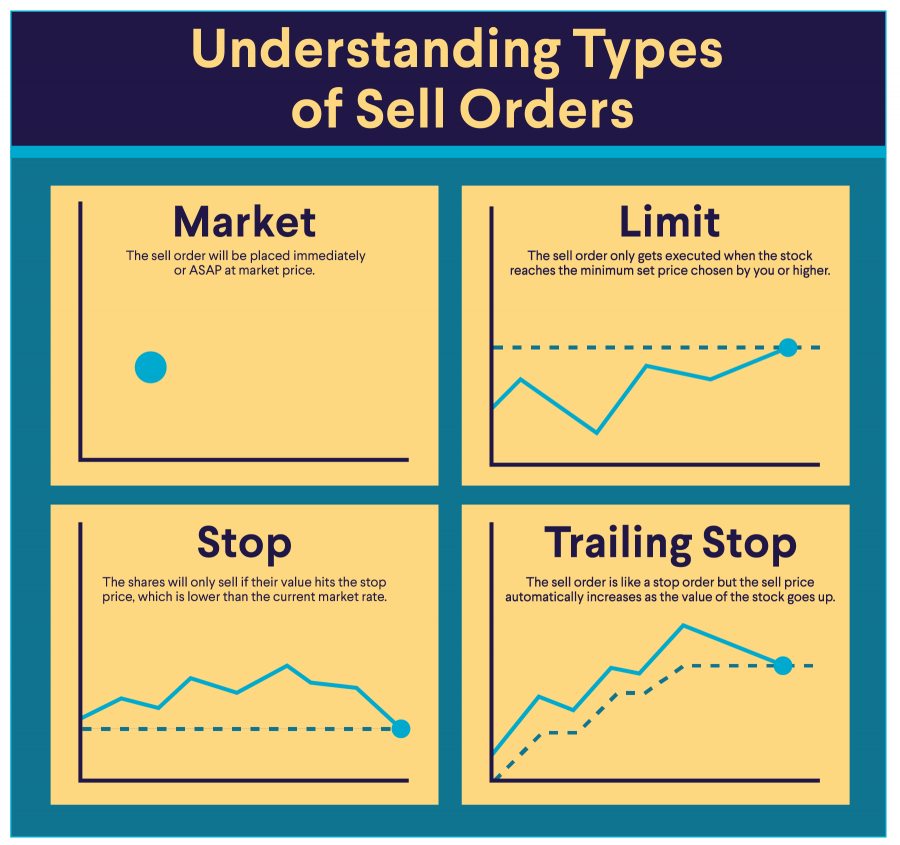
• Utilize limit orders: Investors can use order types that may help protect them from a margin call, such as a limit order.
While margin trading allows investors to amplify their purchases in markets, margin calls could result in substantial losses, with the investor paying more than he or she initially invested. Margin calls occur when the level of cash in an investor’s trading account falls below a fixed level required by the brokerage firm.
Investors can then deposit cash or securities to bring the margin account back up to the required value, or they can sell securities in order to raise the cash they need.
If you’re an experienced trader and have the risk tolerance to try out trading on margin, consider enabling a SoFi margin account. With a SoFi margin account, experienced investors can take advantage of more investment opportunities, and potentially increase returns. That said, margin trading is a high-risk endeavor, and using margin loans can amplify losses as well as gains.
A trader can satisfy a margin call by depositing cash or securities in their account or selling some securities in the margin account to pay down part of the margin loan.
A fed call, or a federal call, occurs when an investor’s margin account does not have enough equity to meet the 50% equity retirement outlined in Regulation T. In contrast, a house call happens when an investor’s margin equity dips below the maintenance margin.
It depends on the broker. In some circumstances, a broker will demand that a trader satisfy the margin call immediately. The broker will allow two to five days to meet the margin call at other times.
INVESTMENTS ARE NOT FDIC INSURED • ARE NOT BANK GUARANTEED • MAY LOSE VALUE
For disclosures on SoFi Invest platforms visit SoFi.com/legal. For a full listing of the fees associated with Sofi Invest please view our fee schedule.
Utilizing a margin loan is generally considered more appropriate for experienced investors as there are additional costs and risks associated. It is possible to lose more than your initial investment when using margin. Please see SoFi.com/wealth/assets/documents/brokerage-margin-disclosure-statement.pdf for detailed disclosure information.
Financial Tips & Strategies: The tips provided on this website are of a general nature and do not take into account your specific objectives, financial situation, and needs. You should always consider their appropriateness given your own circumstances.
SOIN0123023
See what SoFi can do for you and your finances.
Select a product below and get your rate in just minutes.