If so, you are in the right place! Get started by entering your personal confirmation number below.
Received an offer from us?
If so, you are in the right place! Get started by entering your personal confirmation number below.
Leaving SoFi Website
You are now leaving the SoFi website and entering a third-party website. SoFi has no control over the content, products or services offered nor the security or privacy of information transmitted to others via their website. We recommend that you review the privacy policy of the site you are entering. SoFi does not guarantee or endorse the products, information or recommendations provided in any third party website.
Ready to upgrade a large piece of equipment or tech hardware for your business? Check out potential financing costs and repayment terms with SoFi’s equipment loan calculator. To compare different loan offers, you can adjust details such as pricing, down payment amounts, loan rates, and more.
How to Use Our Equipment Loan Calculator
Follow these steps to get the most accurate estimate from our equipment payment calculator.
Step One: Enter the Equipment Cost
Add up all the costs associated with your purchase, including price, taxes, and delivery fees. You can type in (or use the slider to select) any value between $5,000 and $500,000.
Step Two: Type In Your Down Payment
Include your anticipated down payment as a percentage of the total equipment cost. Again, you can type in the amount or use the slider to set it. If you don’t plan to make a down payment, simply input 0.
Step Three: Enter Your Interest Rate
Type a loan’s estimated annual percentage rate (APR) into this box. With this information, the equipment finance calculator will be able to determine your payment amounts and the total interest paid over time.
Step Four: Choose a Loan Term
Select the length of your loan term, from one to 10 years. If you’re unsure, consider the equipment’s useful lifespan and use that length of time as a starting point. Moving the slider makes it easy to see the result change. The equipment payment calculator shows that longer loan terms decrease monthly payment amounts but increase your total interest paid.
Step Five: Add Any Fees
Many lenders charge an origination fee, usually some percentage of the loan amount. If you have that information, enter it here so that the equipment financing calculator can estimate the total cost.
Grow Your Business the Right Way. Explore small business funding options in one place with no impact to your credit score.*
After you enter a few details, the equipment finance calculator will provide you with the following information:
• Total amount financed: The amount of money (principal) you’ll be borrowing after you subtract your down payment from the equipment cost
• Origination fee: The dollar cost of this upfront fee, which is based on the amount you’re financing
• Estimated monthly payment: The amount you’ll send the lender every month to repay the principal and interest within the time frame of the loan
• Total interest paid: How much interest you’ll pay in total over the life of the loan
• Total cost of equipment: The full amount you’ll end up paying to buy your equipment, including price, fees, and interest
Benefits of an Equipment Loan
Equipment financing comes with some distinct advantages compared to other types of small business loans and leasing.
• Ownership of the equipment: Unlike with a lease, you own the equipment in full once the loan is completely repaid.
• Fixed monthly payments: Your loan will have predictable installments, enabling you to plan more decisively.
• Favorable loan terms: Because equipment financing uses the purchased item as collateral, this form of funding might give you better terms and rates than you’d find elsewhere.
• Potential tax advantages: Your business could potentially deduct interest payments and depreciation.
• Direct payment to retailer: With most equipment loans, the lender pays the retailer directly rather than depositing the money in your business checking account for you to pay out. This makes it easier to borrow the exact amount you need for the purchase.
Such loans are generally available for:
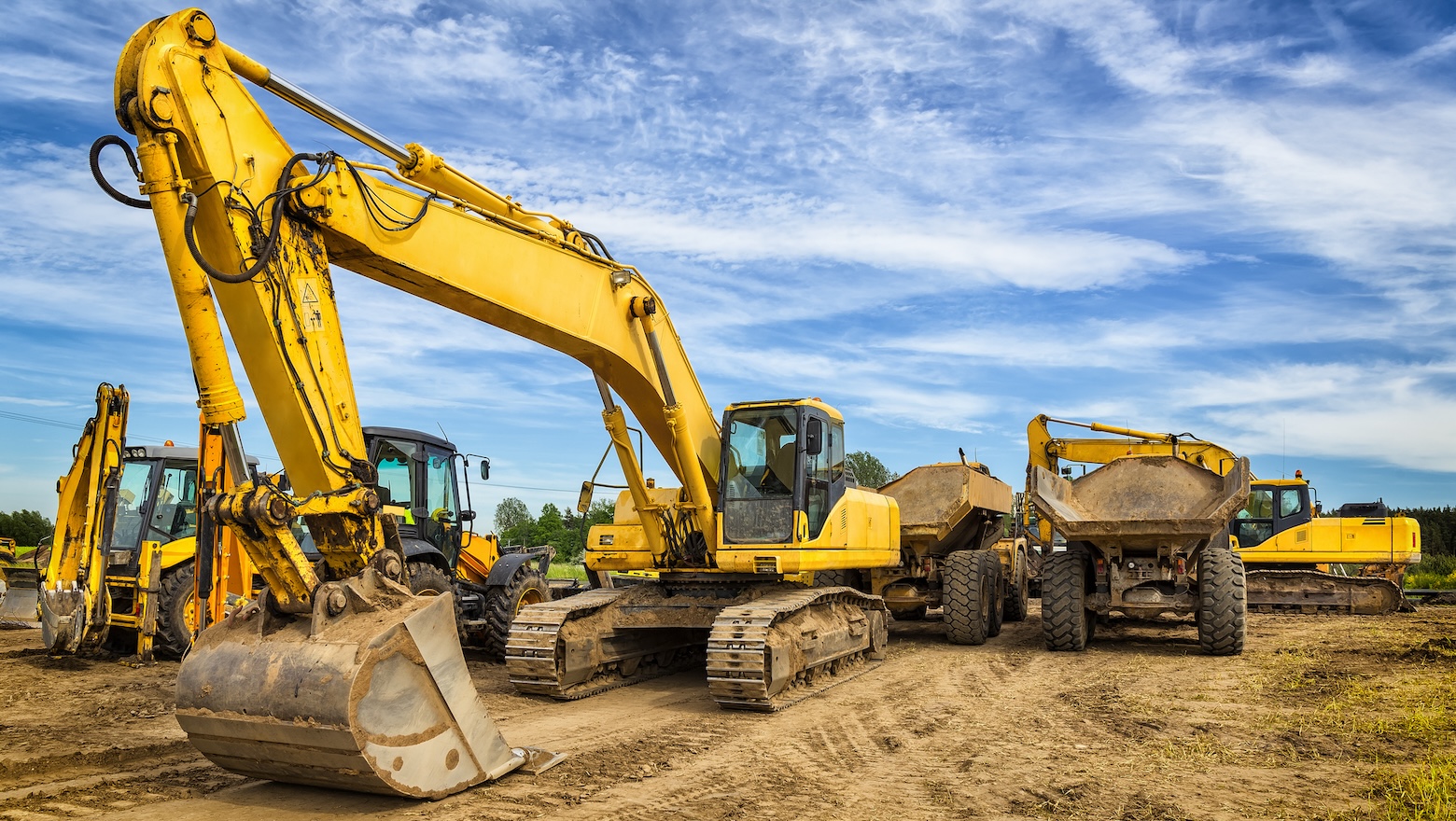
• Farm equipment such as tractors, combines, balers, and grain trailers
• Commercial trucks including semis, dump trucks, delivery vans, and trailers
You can use the equipment finance calculator for a tractor loan, say, to help make sure the payments are affordable.
When to Use an Equipment Loan
There are several reasons why businesses choose equipment loans to fund large purchases, whether they’re financing heavy equipment or office furnishings.
The first reason is to maintain your cash reserves. Maybe you want to keep funds on hand for other purposes, or you don’t have enough to cover the full purchase amount. Financing your equipment spreads out the cost of large purchases to preserve your working capital.
Another reason to use an equipment loan is to grow your business in a timely way. No matter what industry you’re in, investing in the right equipment and tech at the right time could help you scale more smoothly or become more efficient overall. You may need to upgrade existing equipment or bring in new assets for expansion.
Equipment Loan vs Equipment Leasing
Rather than borrowing the funds to purchase your equipment outright, you could lease the equipment. Each option has its pros and cons.
Equipment loan
Equipment lease
Ownership
Asset owned in full
Asset must be returned at end of term, unless capital lease allows for purchase
Down payment
Required
Not required
Well suited for…
Businesses planning to use the equipment for an extended period
Businesses that won’t need the equipment for its full life span or that want to upgrade to the latest model every few years
Pros and Cons of Owning vs Leasing
Here’s a side by side comparison of the pros and cons of owning versus leasing your next equipment upgrade.
Pros
Cons
Owning
• Can be cheaper over time
• Earns equity in the equipment
• No restrictions on eligible assets
• Loan interest and depreciation may be tax-deductible
• Usually requires down payment, increasing upfront costs
• Owner fully responsible for maintenance and repair
• Upgrading to newer equipment later could be difficult
Leasing
• Allows for frequent upgrades
• No down payment required
• Payments may be tax-deductible
• Leasing company may cover some maintenance costs
• May be more expensive than financing over time
• Business builds no equity in the equipment
• Maintenance coverage may be limited
How to Qualify for an Equipment Loan
Every lender has its own criteria for equipment loans. Here are some common requirements you’re likely to encounter:
• Time in business: One to two years minimum
• Annual revenue: At least $100,000
• Business and personal credit scores: Varies by lender
Because the equipment itself can be used as collateral to secure the loan, you may find lenders willing to be more flexible. If your business is on the newer side and has issues qualifying for equipment financing, consider applying for a startup business loan.
After getting some cost estimates from our equipment financing calculator, you may feel ready to apply for a loan. Having payment and interest details at hand could give you the confidence to take the next step.
If you’re seeking financing for your business, SoFi is here to support you. On SoFi’s marketplace, you can shop and compare financing options for your business in minutes.
With one simple search, see if you qualify and explore quotes for your business.
What interest rates are typical for equipment loans?
Interest rates for equipment loans can vary significantly based on the lender and your business financials. It’s best to get quotes from multiple lenders in order to nail down a competitive rate.
Can I finance used equipment with an equipment loan?
Yes, many lenders allow you to finance used equipment but your loan terms may be less favorable than for a new purchase. For instance, a lender may impose a shorter repayment term and higher interest rates to account for the age of the equipment.
How long can I finance equipment for?
It depends on the type of equipment. Typically the time frame is one to 10 years, but equipment that’s expected to have a shorter lifespan may be subject to a shorter repayment period as well. Experiment with our equipment loan calculator to see the impact of different loan terms on the size of your monthly payment.
Do equipment loans require a down payment?
Some lenders do require a down payment for an equipment loan. But you may be able to avoid it if the loan has a shorter repayment term.
What happens if I want to pay off my equipment loan early?
Paying off your equipment loan early can help you save on future interest. But before you make your move, check your loan agreement, because some lenders may charge a prepayment penalty that would reduce your overall savings.
SoFi's marketplace is owned and operated by SoFi Lending Corp.
Advertising Disclosures: The preliminary options presented on this site are from lenders and providers that pay SoFi compensation for marketing their products and services. This affects whether a product or service is presented on this site. SoFi does not include all products and services in the market. All rates, terms, and conditions vary by provider. See SoFi Lending Corp. licensing information below.
Third-Party Brand Mentions: No brands, products, or companies mentioned are affiliated with SoFi, nor do they endorse or sponsor this article. Third-party trademarks referenced herein are property of their respective owners.
This article is not intended to be legal advice. Please consult an attorney for advice.
Financial Tips & Strategies: The tips provided on this website are of a general nature and do not take into account your specific objectives, financial situation, and needs. You should always consider their appropriateness given your own circumstances.
Tax Information: This article provides general background information only and is not intended to serve as legal or tax advice or as a substitute for legal counsel. You should consult your own attorney and/or tax advisor if you have a question requiring legal or tax advice.