stethoscope and laptop

How Much Money Do Medical Residents Make?

While medical doctors have high earning potential, the first few years of a doctor’s career — known as residency — tend to be defined by long hours and relatively low pay.

So if you’ve got a medical career ahead of you — and medical school student loans to pay off — what sort of financial life can you expect? In this article, we’ll explore the average pay for medical residents and what they can do to manage their finances during this time.

Key Points

•   The average medical resident earns around $66,712 annually their first year (PGY-1), which translates to $5,560/month before taxes.

•   Residents often work up to 80 hours/week, making their hourly rate roughly $16–$17.

•   Budgeting, roommate living, and minimizing fixed costs like transportation and subscriptions can help stretch income.

•   Meal prepping and cooking at home can significantly reduce monthly expenses.

•   Refinancing student loans during residency may reduce interest accrual and allow for low monthly payments, though federal benefits may be forfeited.

How Much Do Medical Residents Make?

So, how much do doctors make during residency? According to the Association of American Medical Colleges, the average medical resident salary was $66,712 as of July 2024. Before taxes, that’s roughly $5,560 per month.

Medical residents are known to work very long hours. The Accreditation Council for Graduate Medical Education requires hospitals to ensure that residents work no more than 80 hours a week. If you do the math, an annual salary of $66,712 breaks down to $16-$17 an hour if a resident puts in a full 80 hours a week.

Making that money stretch can be a challenge — especially in high cost-of-living areas. To help, here are six tips for getting by (and even thriving) while living on an average resident salary.


💡 Quick Tip: Get flexible terms and competitive rates when you refinance your student loan with SoFi.

How to Get by on a Medical Resident’s Salary

1. Make a Simple Budget

The average resident has little time to keep track of their expenses, but building a simple budget could be the difference between making it work and ending up short. Your first step should be to make a list of all “necessary” spending, such as rent, utilities, transportation, and food.

Next you’ll want to look how much you bring home each month, including your resident’s salary and any additional income from your partner or family support. Then look at how much money you have left over. That’s how much you have to spend on “extras” each month, like dining out, travel, or clothing. You might decide to set spending limits for each category (for example, $100 for eating out) or monitor your spending as the month progresses. Or, you can do both.

2. Consider Personal Preferences and Trade-Offs

A budget can feel like a hassle, but if you set it up right, it can also be freeing. By knowing exactly how much you can spend, you can then decide what’s important for you to prioritize and what you don’t mind cutting out.

Maybe you’ll decide that you want to cut cable, but you don’t want to stop meeting up with friends at your local wine bar. Or perhaps you’ll give up eating out so you can spend more on rent. Making a budget is just analyzing each trade-off. Ask yourself, “Do I want this, or something else?”

3. Focus on Fixed Costs

One substantial way you can make an impact on your budget is by making “big wins” on fixed costs, such as housing, car payments, or utilities. For example, lowering a bill by $20 each month is going to have a bigger effect than saving a few dollars on small purchases. Looking at your own fixed spending, where could you ask for better rates or cut back entirely?

While you’re at it, look at your subscription services and other memberships. Though not often considered a “fixed cost,” they can add up quickly to become a significant expense. When you put them on autopay, it’s easy to forget about them and miss the chance to cancel them each month or year. Take time to go through your credit card statement to make sure you’re not paying for a service that you’re not able to use because you’re so busy.

4. Share a Living Space

When you’re trying to save money, there’s usually no financial win that’s bigger than saving on your housing costs. To do this, you can move into a more affordable place, live with roommates, or rent out a room in your place. Not only can a roommate help you save on rent, but also on utilities like water, electric, and cable.

Some folks don’t like the idea of having roommates because they lose some privacy. But if you’re a busy resident who’s not home very much and is trying to eke by on a small salary, it can be a great way to save money.

5. Choose Less Expensive Transportation

Transportation may be your second biggest expense after housing, especially if you have a car payment. But even if you’ve already paid off the vehicle, you’ll need to cover the cost of car insurance, as well as maintenance and sometimes parking. It can add up.

If you’re living in an area with good public transportation or you’re able to live within walking distance of the hospital, you might want to get rid of your car to save money. In some areas, Uber or Lyft offer a flat-rate, monthly pass option that can be less expensive than owning and maintaining a car.

If you’re not ready to sell your car quite yet, simply try using it less. Even this small act may save you money each month. For example, if you’re spending $120 per month on gas but could ride public transportation for $30 per month, you may save over $1,000 on transportation in a year.

6. Cook at Home

While it may be unreasonable to think that a medical resident will cook every meal, it may be worth taking a few hours each week to make a batch of meals that you can eat throughout the week. Preparing meals and eating at home could potentially save residents hundreds of dollars a month.

Another Option: Refinance Medical School Loans

Like most people who attended medical school, there’s a very likely chance you took out student loans. Managing these loans while you’re living on an average resident salary may be important for your financial success.

It is important to understand your medical school loan repayment strategies. One of the first decisions you may want to make is whether you want your loans to go into forbearance or to make payments on your loans during residency.

Student loan forbearance may seem like an ideal option for a person on a medical resident salary, but that might not always be the case. Federal medical school student loans accrue interest during that time, and that interest is added to your balance at the end of your forbearance period. This is called compounding, or capitalization, and means that you’re paying interest on top of interest.

You may want to consider refinancing your medical resident student loans. Refinancing is the process of paying off one loan (or many loans) with another, generally to lower your overall interest rate or to change the terms of your loan.

Refinancing student loans won’t be for everyone, as you will lose access to federal loan programs such as Public Service Loan Forgiveness (PSLF) and income-driven repayment plans.

Refinancing student loans won’t be for everyone, as you will lose access to federal loan programs such as Public Service Loan Forgiveness (PSLF) and income-driven repayment plans.

💡 Quick Tip: When refinancing a student loan, you may shorten or extend the loan term. Shortening your loan term may result in higher monthly payments but significantly less total interest paid. A longer loan term typically results in lower monthly payments but more total interest paid.

The Takeaway

Despite the relatively low pay compared to fully licensed physicians, residency is an important phase that offers invaluable training and experience. It’s important for residents to manage their finances wisely, considering the long-term benefits of their education and the potential for higher earnings in the future.

Looking to lower your monthly student loan payment? Refinancing may be one way to do it — by extending your loan term, getting a lower interest rate than what you currently have, or both. (Please note that refinancing federal loans makes them ineligible for federal forgiveness and protections. Also, lengthening your loan term may mean paying more in interest over the life of the loan.) SoFi student loan refinancing offers flexible terms that fit your budget.


With SoFi, refinancing is fast, easy, and all online. We offer competitive fixed and variable rates.

FAQ

What is the average salary for medical residents in the United States?

The average salary for medical residents in the United States typically ranges from $50,000 to $70,000 per year, depending on factors such as the year of residency, specialty, and location.

How does the salary of a medical resident compare to that of a fully licensed physician?

Medical residents generally earn significantly less than fully licensed physicians. For example, while a resident might make between $50,000 and $70,000 annually, a practicing physician can earn anywhere from $150,000 to over $400,000 per year, depending on their specialty and experience.

What factors can influence the salary of a medical resident?

Several factors can influence a medical resident’s salary, including the year of residency (PGY-1 to PGY-4), the specialty they are pursuing, the geographic location of the hospital or institution, and the specific hospital or program they are affiliated with.


SoFi Student Loan Refinance
Terms and conditions apply. SoFi Refinance Student Loans are private loans. When you refinance federal loans with a SoFi loan, YOU FORFEIT YOUR ELIGIBILITY FOR ALL FEDERAL LOAN BENEFITS, including all flexible federal repayment and forgiveness options that are or may become available to federal student loan borrowers including, but not limited to: Public Service Loan Forgiveness (PSLF), Income-Based Repayment, Income-Contingent Repayment, extended repayment plans, PAYE or SAVE. Lowest rates reserved for the most creditworthy borrowers.
Learn more at SoFi.com/eligibility. SoFi Refinance Student Loans are originated by SoFi Bank, N.A. Member FDIC. NMLS #696891 (www.nmlsconsumeraccess.org).

SoFi Loan Products
SoFi loans are originated by SoFi Bank, N.A., NMLS #696891 (Member FDIC). For additional product-specific legal and licensing information, see SoFi.com/legal. Equal Housing Lender.


Non affiliation: SoFi isn’t affiliated with any of the companies highlighted in this article.

Financial Tips & Strategies: The tips provided on this website are of a general nature and do not take into account your specific objectives, financial situation, and needs. You should always consider their appropriateness given your own circumstances.

Third-Party Brand Mentions: No brands, products, or companies mentioned are affiliated with SoFi, nor do they endorse or sponsor this article. Third-party trademarks referenced herein are property of their respective owners.

External Websites: The information and analysis provided through hyperlinks to third-party websites, while believed to be accurate, cannot be guaranteed by SoFi. Links are provided for informational purposes and should not be viewed as an endorsement.

SOSLR-Q325-070

Read more
women sitting on desk with camera and tablet mobile

39 Passive Income Ideas to Help You Make Money in 2026

With inflation and interest rates rising, many people are looking for ways to generate additional income these days — and finding reliable sources of passive income, which require less effort than most jobs — has become particularly desirable.

Creating and managing passive income streams isn’t a truly passive activity, however. Generating passive income usually requires upfront work, or sometimes a substantial investment to get the ball rolling. And depending on what your passive income ideas are, whether you’re renting out property or selling a product via online platforms, you’ll likely have ongoing tasks to keep the money coming in. That said, passive income can in some cases deliver more income with less effort than a traditional job that requires a fixed number of hours per week.

Key Points

•   Passive income is money earned without regular, active involvement.

•   Investing in businesses, P2P lending, and rental properties are some ways to generate passive income.

•   Benefits of passive income include extra money with less effort, freedom, and flexibility.

•   Initial work and investments are often needed to set up a stream of passive income.

•   The opposite of passive income is active income, which usually involves a job and is also known as earned income.

What Is Passive Income?

Passive income is money that you earn without active involvement. In other words, it is income that isn’t attached to an hourly wage or annual salary. Passive income ideas could include things like cash flow from rental properties, dividend stocks, sales of a product (that requires little or no effort), royalties, and more.

Essentially, these side hustles can help you earn money without contributing much, if any, active effort. If you are paid for a service you perform, that’s active income — you have to put in time and energy in order to get paid. If you can continue making money while staying mostly hands-off, that can be a form of passive income. That doesn’t mean you won’t have to put work in up front to get started — you probably will. But besides some maintenance, passive income shouldn’t require your active involvement.

There are obvious benefits to these low-effort side hustles over traditional active income. Earning more money without putting in more hours offers the opportunity to make extra cash without burning yourself out. If you’re successful enough, it might even give you the freedom and flexibility to quit your day job and do whatever you want instead, whether that’s going to school, traveling, writing, or making art.

39 Passive Income Ideas to Help You Make Money

There are a number of ways to earn passive income. Some options, like the following types of passive income, take relatively little active supervision.

1. Invest in Bonds (and Earn Interest)

A fairly simple way to earn passive income through your investment portfolio is to invest in bonds with high yields. That is, you’ll receive regular payments from the bond-issuer, generating income and return on your investment.

Similar to a CD, a bond is a way of locking up a certain amount of money for a fixed period of time. In short, bonds are purchased for a fixed period of time (the duration), investors receive interest payments over that time, and when the bond matures, the investor receives their initial investment back.

Generally, investors earn higher interest payments when bond issuers are riskier. An example may be a company that’s struggling to stay in business. But interest payments may be lower when the borrower is trustworthy, like the U.S. government.

2. Invest in a Business

Although this may take an up-front investment, buying into a business and becoming a silent partner can be another passive income source.

Even if the company you are thinking of investing in seems solid, it’s important to have an understanding of the challenges the organization may face. There are some red flags to look out for, such as a company whose revenue is earned from just a couple of clients — or just one client — as opposed to several.

It’s also important to lay out the exact terms of your investment and compensation.

3. Become a Peer-to-Peer (P2P) Lender

Peer-to-peer (P2P) lending platforms are another type of crowdfunding that allows people to borrow money from individual investors. Through these sites, you can be matched with an individual seeking a loan, and lend your money at a rate that could be higher than the usual bank rates.

That’s because investors taking part in peer-to-peer lending tend to bear the bulk of any risk. It is possible that borrowers will default on their loans, leading to a higher risk if an investor were to lend money with a lower credit rating, for example. Returns are never guaranteed and while investors will receive a return on the money they invest, they could also lose some or all of it in the long run.

4. Buy a Rental Property

Another popular passive income source is rental property. You might want to purchase a home to rent out to an ongoing tenant or list a property on a short-term rental site. Hiring a property management company lessens your day-to-day involvement, thereby making this venture a more passive income strategy than active.

Obviously, setting up this type of income requires a pretty big outlay, and it may be a while before your investment property generates a profit over and above the many expenses required to run it, if it ever does. In addition, there are always risks in the rental markets to keep in mind.

5. Invest in Crowdfunded Real Estate

If you don’t have thousands of dollars to spend on a piece of property, you can always check out your options on crowdfunded real estate sites. These may require a smaller initial investment, and likewise the costs are also shared.

Crowdfunded real estate investments can be complex, however, and you’ll want to balance the risks and rewards.

6. Invest in Dividend Stocks

When companies choose to share a portion of their profits with the investors who own shares of the firm, those payments are called dividends, and they work generally the same way from company to company.

Typically, dividends are paid in cash (though some might be paid in stock), on a regular schedule. Dividends are usually paid quarterly, though there are variations.

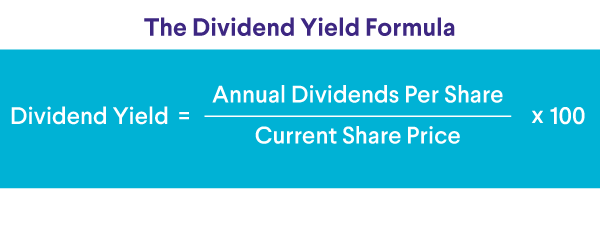
dividend yield formula

Investors might receive dividends from companies they’re invested in, or from mutual funds they’re invested in that hold shares of dividend-paying companies.

There is no guarantee that investing in dividend stocks will continue to earn you passive income. As Liz Young Thomas, Head of Investment Strategy at SoFi, points out, “A stock’s dividend yield will fluctuate because it’s based on the stock’s price and prices can be volatile. You should also consider other factors like a company’s track record of increasing the dividend, the dividend payout ratio, debt load, and cash on hand when determining the overall health of an investment.”

💡 Learn more: What Is Dividend Income? Can You Live Off It?

7. Invest with an Automated Advisor

If you’re just getting started with investing, you may want to use automated investing tools to help you choose the appropriate allocation of assets for your goals.

Typically, an automated platform — also called a robo-advisor — is a digital investing service that provides you with a questionnaire so you can establish your financial goals, risk preferences, and time horizon.

On the backend, a sophisticated algorithm then recommends a pre-set, automated portfolio that aligns with your responses. These portfolios often have lower account minimums compared with traditional brokers, and the portfolios themselves are typically comprised of low-cost exchange-traded funds (ETFs) — which adds to the cost efficiency of some robo products.

You can use a robo investing as you would any account — for retirement, as a taxable investment account, or even for your emergency fund — and you typically invest using automatic deposits or contributions. The allocation in each portfolio is usually pre-determined, and investors cannot change the investments.

8. Start a Retirement Account

When you open your retirement account, you can choose to invest it however you want. For example, you could open an individual retirement account (IRA) online.

One way to earn income in a retirement account is by investing in mutual funds. You can choose the level of risk you want to take with your money by finding a mutual fund that is higher or lower risk.

💡 Learn more: 4 Easy Steps to Starting a Retirement Plan

9. Join an Affiliate Program

When you join a company’s affiliate program, you earn a commission from every product that someone purchases from that company. In many cases, all you have to do is post the link on your blog, website, or social media pages.

10. Rent Out Your Car

Another one of the best passive income opportunities is renting out your car on a site like Turo. It’s basically the Airbnb of cars, and could generate thousands of dollars per year, in some cases.

If you have a clean driving record as well as a newer car, consider getting in touch with a car advertising agency. You simply drive around town with ads on your car and easily generate passive income.

12. Rent Your Parking Space

Do you have space in your driveway that you aren’t using? Then rent it out on platforms like Stow It, where you can find people who will pay to rent out the space.

13. Rent Storage Space

If you have extra space in your garage, shed, or storage unit, then you could start earning passive income by using a peer-to-peer storage site like Stashii to find people who need your space.

14. Invest in Real Estate Investment Trusts (REITs)

An alternative to becoming a property owner or landlord are real estate investment trusts, or REITs. REITs are publicly traded companies on the stock market that own income-producing real estate, such as apartment complexes, office buildings, retail centers, storage units, and more. They give you the chance to invest in real estate portfolios without having to manage the properties yourself. REITs sometimes come at a higher risk than other types of funds, so it’s important to research potential REITs or REIT funds, and consider how they may play a role in a diversified portfolio.

💡 For more alternative investment options, check out: Alternative Investments: Definition and Types

15. Rent Your Bike

Perhaps you don’t have a car, but you do have a bike that’s just sitting around. Your bike could be a lucrative passive income source, especially if you live in a high-traffic area. List your bike on Spinlister to get started.

16. Rent Out a Room or Property

Even if you don’t own an investment property, with your landlord’s permission, you may be able to rent out a room in your apartment or list it on Airbnb.

17. Pet Sit in Your Home

If you love pets, you can earn passive income by welcoming pets into your home while their owners are on vacation. For instance, you could charge $30 to $80 per day just for running a doggy daycare. You can gain clients through word of mouth or use a site like Rover to find customers.

18. House Sit for Someone

When your friends go out of town, they may need someone to stay in their home and do simple things like water their plants and collect their mail. You can easily make money and have somewhere new to stay for a little bit. Along with making yourself available to friends, you can sign up to be a house sitter on HouseSitter.com.

19. Buy and Sell Domain Names

Some domain names are cheap, while others cost a lot of money because they are in high demand. One thing you could do to start another passive income stream is to purchase domain names you think will be popular. Purchase low for around $10 to $100 and then sell them for a much higher price later on.

20. Rent Your Tools

Have you ever done a home improvement project that required you to purchase tools? You may never need to use those tools again. Thankfully, now you can rent tools, and rent out your tools, on peer-to-peer platforms such as Sparetoolz to earn passive income.

21. Invest in Royalties

Let’s say you don’t have any songwriting ability, but you would like to make money on other artists’ work. You can invest in royalties through Royalty Exchange and earn passive income on the intellectual property.

22. Purchase a Billboard

You can make thousands of dollars per month if you own a billboard where companies can advertise their products and services. Do your research and make sure you get the right permits before committing to a billboard.

23. Purchase a Blog

If you don’t have the time or energy to create content for your own blog, then look into ones that are already successful and see if the owners are willing to sell. You could also hire someone to manage your blog so that you’re truly earning in a passive way.

24. Create an Online Course

If you have a special skill or knowledge about a certain topic, you may be able to create a video course where you teach people about that topic and charge them to take the course.

25. Sell Digital Products

You may want to research online platforms where you can sell everything from digital art to e-books. Whether you’re an artist, graphic designer, or writer, you can create digital products to sell online.

26. License Your Photos

Many companies, bloggers, and individuals use stock photos on a regular basis. You may be able to upload your best photos to stock media platforms and earn passive income on them.

27. Create a Mobile App

If you’ve been dreaming about an amazing phone app that you think a lot of other people would use, you may want to look into hiring a development team to create it.

28. Sell a Product

You may be able to earn passive income through sales of a product that you create. This could be a book that you write or a physical product that you design and make. You might also list items you already own on sites like eBay and earn extra income through those sales.

29. License Your Music

Do you love to write songs? Then you could license your music and start earning passive income. You’ll just have to team up with a music licensing company to get started.

30. Self-Publish a Book

Through platforms like Amazon’s KDP, you can self-publish a book and earn a royalty on it every time someone makes a purchase. You will be able to set the price of your book and be in full control of your book’s Amazon page, where you can list pictures of the book, reviews, and videos promoting it.

31. Sell Blank Books

You can start selling books online without having to write anything. How? By focusing on blank books, such as journals, sketchbooks, and planners. Simply find a design you believe will appeal to people and begin collecting royalties when people buy your books.

32. Create Greeting Cards

Another artistic endeavor that could be a good passive income stream is creating greeting cards that you sell to a wholesale or retail stationery company that accepts independent artist submissions.

33. Sign Up for Dropshipping

If you want to sell products and make money online but don’t want to store any of the goods, you could always look into dropshipping to create passive income. With dropshipping, you don’t have to have much money to start since you don’t need inventory to fulfill orders for customers.

34. Start a Blog

Blogging seems like a pretty cool space to operate in and gives you a lot of creative freedom. You can make your blog all about crafts, share tutorials, ideas, and more. It’s up to you how your space operates.

Blogging might seem like too much work to many people, but it doesn’t have to be a full-time job for everyone. For some people, blogging can be fun after a day at the office — and, with time and effort, it could turn into something more lucrative.

Here are a few ideas on how you can make passive income from blogging:

•   Affiliate marketing

•   Google AdSense: Cost Per Click and Cost Per Impression

•   Sponsored posts

•   Selling products

35. Start a YouTube Channel

If you enjoy creating videos more than writing, then consider starting your own YouTube channel. Once you get enough viewers, you can begin to generate passive income through YouTube advertising.

36. Publish an Ebook

Like an online course, an ebook is a way to share your expertise with the world. Anyone can self-publish a book online through services like Amazon’s Kindle Direct Publishing, iBooks Author, or Kobo Writing Life.

The percentage of royalties you earn varies depending on the publisher. Of course, the more marketing you do, the more copies you’re likely to sell — and there’s no shortage of online marketing strategies to investigate. But once you write and publish the e-book, it’s out there ready to generate passive income for you.

37. Create a Podcast

Podcasts are still popular, and they can generate some passive income for you. If you start a podcast that resonates with people, then you can grow your audience and monetize your show by sponsoring with ad partners. If you get enough listeners, you may be able to sign up for podcast advertising networks.

38. Start an ATM Business

When people are out at a bar or nightclub or they’re frequenting a cash-only business, they may need cash right away. If you own an ATM business and you place your ATM in high-traffic locations, you could start to generate passive income through surcharge fees. Typically, you could earn around $3 per withdrawal.

39. Start a Vending Machine Business

Similar to an ATM business, a vending machine business allows you to use your creativity and determine high-traffic areas where you could make a lot of money. If you buy in bulk, you’ll be able to save on the snacks and drinks you purchase for your machines.

Potential Benefits of Earning Passive Income

There are only 24 hours in a day. If you go to a job each day that pays you a set amount of money, that is the maximum amount that you’ll ever make in a 24-hour period. That is called earned income.

By investing some of that earned income into different passive income ideas, you may be able to increase your earnings. Diversifying your income stream may also improve your financial security. Some benefits of passive income are:

•  More Free Time: By earning money through passive income sources, you might be able to free time in your schedule. You may choose to spend more time with your family, pursue a creative project or new business idea, or travel the world.

•  Financial Security: Even if you still plan to keep your 9-to-5 job, having multiple sources of income could help increase your financial security. If you lose your job, become sick, or get injured, you may still have money coming in to cover expenses. This is especially important if you are supporting a family.

•  Tax Benefits: You may want certain legal protections for your personal assets or to qualify for tax breaks. Consulting with an attorney and/or tax advisor to explore setting up a formal business structure like a sole proprietorship, a limited liability company (LLC), or a corporation, for example, might help you decide if this is a good route for your particular situation.

•  Location Flexibility: If you don’t have to go into an office each day, you’ll be free to move around and, possibly, live anywhere in the world. Many streams of passive income can be managed from your phone or laptop.

•  Achieve Financial Independence: The definition of financial independence is having enough income to cover your expenses without having to actively work in order to cover living expenses. This could allow you to retire early and have more freedom to live your life the way you choose. Whether you’re interested in retiring early or not, passive income can be one way to help you reach financial independence.

•  Pay Off Debt: Passive income may help you to supplement your income so that you will have the opportunity to pay off any debts more quickly.

Potential Downsides of Earning Passive Income

Although it might sound like a dream come true to quit your job and travel the world, earning through passive income is not quite that simple.

•  Earning Passive Income Is Not a Passive Activity: Whether you’re generating passive income through a rental income, running a blog, or in another way, you will still need to put in some time and effort. It takes upfront investment to get these income sources up and running, and they don’t always work out as planned.

If, for example, you run an Airbnb, you have to maintain the property, ensure a high-quality experience for guests, and address any issues or concerns guests may have to secure positive reviews.

•  Passive Income Requires Diversity: In order to earn enough passive income to quit your job and cover all your expenses, you would most likely need more than one source of income. Although you may no longer need to clock into a 9-to-5 job, you will likely still need to spend time managing multiple income streams.

•  It’s Lonely at the Top: It might sound great to never have to go to the office again and to have the freedom to travel, but earning money through passive income can become lonely.

Not having anyone to talk to during the day might make you feel lonely, and if you aren’t self-motivated, you may find it difficult to stay on task if you need to manage your passive income streams.

•  Getting Started May Require Investment: Depending on how you plan to create passive income, it may require an initial financial investment. You may need money for a down payment on an investment property, the development of a product you plan to sell, or for investment into dividend stocks.

Managing Passive Income Streams

No matter which type of passive income you choose to pursue, it’s important to keep track of your personal finances and both your short-term and long-term financial goals.

Tracking multiple sources of income in a monthly budget can be a complex task. To be profitable, it’s important to pay attention to how much money you put into the maintenance of your passive income stream(s), such as property upkeep or monthly online services.

The Takeaway

Establishing passive income streams is one way to diversify your income and can help you build wealth and achieve financial freedom in the long term. There are a variety of ways to earn passive income, such as through investing, rental properties, and automated investing.

Some passive income sources require a financial commitment or upfront investment, such as purchasing a rental property, and others may require a time commitment. And passive income, of course, is rarely 100% passive. Often there is considerable time and effort that goes into setting up a passive income stream. And some sources of passive income (from investing, real estate, running a business or creative endeavor) require ongoing maintenance.

Invest in what matters most to you with SoFi Active Invest. In a self-directed account provided by SoFi Securities, you can trade stocks, exchange-traded funds (ETFs), mutual funds, alternative funds, options, and more — all while paying $0 commission on every trade. Other fees may apply. Whether you want to trade after-hours or manage your portfolio using real-time stock insights and analyst ratings, you can invest your way in SoFi's easy-to-use mobile app.

Opening and funding an Active Invest account gives you the opportunity to get up to $1,000 in the stock of your choice.¹

FAQ

Do you need to pay taxes on passive income?

In most cases, yes, you’ll need to pay income taxes (or any other applicable taxes) on the income generated by passive income streams.

What are some advantages of creating passive income streams?

Generating passive income may help you reach your financial goals sooner, pay off debt, or even achieve financial independence, though there may be some drawbacks and extra responsibilities that come along with it.

Why might it be a good idea to try and develop passive income streams?

Creating passive income streams may help diversify your income and can help you build wealth and achieve financial freedom in the long term. There are a variety of ways to earn passive income, such as through investing, rental properties, and automated investing.


INVESTMENTS ARE NOT FDIC INSURED • ARE NOT BANK GUARANTEED • MAY LOSE VALUE

SoFi Invest is a trade name used by SoFi Wealth LLC and SoFi Securities LLC offering investment products and services. Robo investing and advisory services are provided by SoFi Wealth LLC, an SEC-registered investment adviser. Brokerage and self-directed investing products offered through SoFi Securities LLC, Member FINRA/SIPC.

For disclosures on SoFi Invest platforms visit SoFi.com/legal. For a full listing of the fees associated with Sofi Invest please view our fee schedule.

Financial Tips & Strategies: The tips provided on this website are of a general nature and do not take into account your specific objectives, financial situation, and needs. You should always consider their appropriateness given your own circumstances.

Third-Party Brand Mentions: No brands, products, or companies mentioned are affiliated with SoFi, nor do they endorse or sponsor this article. Third-party trademarks referenced herein are property of their respective owners.

Mutual Funds (MFs): Investors should carefully consider the information contained in the prospectus, which contains the Fund’s investment objectives, risks, charges, expenses, and other relevant information. You may obtain a prospectus from the Fund company’s website or clicking the prospectus link on the fund's respective page at sofi.com. You may also contact customer service at: 1.855.456.7634. Please read the prospectus carefully prior to investing.Mutual Funds must be bought and sold at NAV (Net Asset Value); unless otherwise noted in the prospectus, trades are only done once per day after the markets close. Investment returns are subject to risk, include the risk of loss. Shares may be worth more or less their original value when redeemed. The diversification of a mutual fund will not protect against loss. A mutual fund may not achieve its stated investment objective. Rebalancing and other activities within the fund may be subject to tax consequences.

Exchange Traded Funds (ETFs): Investors should carefully consider the information contained in the prospectus, which contains the Fund’s investment objectives, risks, charges, expenses, and other relevant information. You may obtain a prospectus from the Fund company’s website or by emailing customer service at [email protected]. Please read the prospectus carefully prior to investing.

Investment Risk: Diversification can help reduce some investment risk. It cannot guarantee profit, or fully protect in a down market.

Tax Information: This article provides general background information only and is not intended to serve as legal or tax advice or as a substitute for legal counsel. You should consult your own attorney and/or tax advisor if you have a question requiring legal or tax advice.


¹Probability of Member receiving $1,000 is a probability of 0.026%; If you don’t make a selection in 45 days, you’ll no longer qualify for the promo. Customer must fund their account with a minimum of $50.00 to qualify. Probability percentage is subject to decrease. See full terms and conditions.

An investor should consider the investment objectives, risks, charges, and expenses of the Fund carefully before investing. This and other important information are contained in the Fund’s prospectus. For a current prospectus, please click the Prospectus link on the Fund’s respective page. The prospectus should be read carefully prior to investing.
Alternative investments, including funds that invest in alternative investments, are risky and may not be suitable for all investors. Alternative investments often employ leveraging and other speculative practices that increase an investor's risk of loss to include complete loss of investment, often charge high fees, and can be highly illiquid and volatile. Alternative investments may lack diversification, involve complex tax structures and have delays in reporting important tax information. Registered and unregistered alternative investments are not subject to the same regulatory requirements as mutual funds.
Please note that Interval Funds are illiquid instruments, hence the ability to trade on your timeline may be restricted. Investors should review the fee schedule for Interval Funds via the prospectus.


Third Party Trademarks: Certified Financial Planner Board of Standards Center for Financial Planning, Inc. owns and licenses the certification marks CFP®, CERTIFIED FINANCIAL PLANNER®

This article is not intended to be legal advice. Please consult an attorney for advice.

SOIN-Q325-011

Read more
The Highest-Paying Jobs in Every State

What Are the Highest Paying Jobs in the US?

If you’re looking for a career that makes a lot of money, you might want to start your search in the health and medical field. Health-care jobs are the highest-paying jobs in America, and overall employment in this sector is expected to grow much faster than the average for all occupations through 2034, according to the U.S. Bureau of Labor Statistics (BLS).

Outside of health care, professional athletes and airline pilots are among the highest-paid professions. Three other fields that also made the top 25: chief executive officers (CEOs), computer/information systems managers, and financial managers.

Read on for a snapshot of the highest-paying jobs across the U.S., followed by a listing of the best-paying careers by state.

Key Points

•  Health-care professions, such as pediatric surgeons, cardiologists, and radiologists, are among the highest-paying jobs in the U.S. in 2025.

•  Professional athletes, airline pilots, and management roles like CEOs and computer/information systems managers also rank highly.

•  Projected job growth varies, with nurse anesthetists expected to grow by 35% and computer and information systems managers by 15%.

•  Each state has different top-paying jobs, with healthcare roles typically offering the highest salaries.

•  Career seekers should consider their strengths and core personal traits, take job assessment tests, and conduct informational interviews to find suitable roles that pay well.

Top 25 Highest Paying Jobs in America

To compile this list of highest-paying jobs, we reviewed data from BLS’s most recent Occupational Employment and Wage Statistics report (May 2024). We also used government data to cite the minimum education requirements, projected growth, and which industries provide employment for each occupation. For more job description details, we tapped the Occupational Information Network (O*NET).

Here’s a look at the highest-paying jobs in America, ranked from highest average salary to lowest.

1. Pediatric Surgeon

Pediatric surgeons diagnose and perform surgery to treat fetal abnormalities and birth defects, diseases, and injuries in fetuses, premature and newborn infants, children, and adolescents.

Average Salary

$450,810

Typical Entry-Level Education

Doctoral or professional degree

Primary Duties

•  Analyze patient’s medical history, physical condition, and examination results to verify operation’s necessity and to determine best procedure.

•  Conduct research to develop and test surgical techniques that can improve operating procedures and outcomes.

•  Consult with a patient’s other medical care specialists to determine if surgery is necessary.

•  Describe preoperative and postoperative treatments and procedures to parents or guardians of the patient.

•  Direct and coordinate activities of nurses, assistants, specialists, residents, and other medical staff.

Projected growth (2024-2034)

3% (as fast as average)

Top Industries

•  Hospitals

•  Offices of physicians

2. Cardiologist

Cardiologists diagnose, treat, manage, and prevent diseases or conditions of the cardiovascular system. They may further subspecialize in interventional procedures (e.g., balloon angioplasty and stent placement), echocardiography, or electrophysiology.

Average Salary

$432,490

Typical Entry-Level Education

Doctoral or professional degree

Primary Duties

•  Administer emergency cardiac care for life-threatening heart problems.

•  Advise patients about diet, activity, and disease prevention.

•  Calculate valve areas from blood flow velocity measurements.

•  Compare measurements of heart wall thickness and chamber sizes to standards to identify abnormalities using echocardiogram results.

Projected growth (2024-2034)

3% (as fast as average)

Top Industries

•  Offices of physicians

•  Hospitals

•  Outpatient care centers

3. Surgeons

Surgeons operate on patients to treat injuries, such as broken bones; diseases, such as cancerous tumors; and deformities.

Average Salary

$371,280

Typical Entry-Level Education

Doctoral or professional degree

Primary Duties

Varies with specialty

Projected growth (2024-2034)

3% (as fast as average)

Top Industries

•  Offices of physicians

•  Hospitals

•  Outpatient care centers

•  Colleges, universities, and professional schools

4. Orthopedic Surgeon

Orthopedic surgeons diagnose and perform surgery to treat and prevent rheumatic and other diseases in the musculoskeletal system.

Average Salary

$365,060

Typical Entry-Level Education

Doctoral or professional degree

Primary Duties

•  Analyze patient’s medical history, physical condition, and examination results to verify operation’s necessity and to determine best procedure.

•  Conduct research to develop and test surgical techniques that can improve operating procedures and outcomes related to musculoskeletal injuries and diseases.

•  Direct and coordinate activities of nurses, assistants, specialists, residents, and other medical staff.

Projected growth (2024-2034)

3% (as fast as average)

Top Industries

•  Offices of physicians

•  Hospitals

•  Outpatient care Centers

•  Colleges, universities, and professional schools

5. Radiologists

Radiologists diagnose and treat diseases and injuries using medical imaging techniques, such as x rays, magnetic resonance imaging (MRI), nuclear medicine, and ultrasounds. They may also perform minimally invasive medical procedures and tests.

Average Salary

$359,820

Typical Entry-Level Education

Doctoral or professional degree

Primary Duties

•  Perform or interpret the outcomes of diagnostic imaging procedures including magnetic resonance imaging (MRI), computer tomography (CT), positron emission tomography (PET), nuclear cardiology treadmill studies, mammography, or ultrasound.

•  Prepare comprehensive interpretive reports of findings.

•  Communicate examination results or diagnostic information to referring physicians, patients, or families.

•  Obtain patients’ histories from electronic records, patient interviews, dictated reports, or by communicating with referring clinicians.

Projected growth (2024-2034)

3% (as fast as average)

Top Industries

•  Offices of physicians

•  Hospitals

•  Medical and diagnostic laboratories

•  Outpatient care centers

•  Colleges, universities, and professional schools

6. Dermatologists

Dermatologists diagnose and treat diseases relating to the skin, hair, and nails. They may perform both medical and dermatological surgery functions.

Average Salary

$347,810

Typical Entry-Level Education

Doctoral or professional degree

Primary Duties

•  Conduct complete skin examinations.

•  Diagnose and treat pigmented lesions, such as common acquired nevi, congenital nevi, dysplastic nevi, Spitz nevi, blue nevi, or melanoma.

•  Perform incisional biopsies to diagnose melanoma.

•  Perform skin surgery to improve appearance, make early diagnoses, or control diseases such as skin cancer.

•  Counsel patients on topics such as the need for annual dermatologic screenings, sun protection, skin cancer awareness, or skin and lymph node self-examinations.

Projected growth (2024-2034)

3% (as fast as average)

Top Industries

•  Offices of physicians

•  Outpatient care centers

•  Offices of other health practitioners

•  Medical and diagnostic laboratories

•  Personal care services

7. Anesthesiologist

Anesthesiologists administer anesthetics and analgesics for pain management prior to, during, or after surgery.

Average Salary

$336,640

Typical Entry-Level Education

Doctoral or professional degree

Primary Duties

•  Examine patients, obtain medical history, and use diagnostic tests to determine risk during surgical, obstetrical, and other medical procedures.

•  Administer anesthetic or sedation during medical procedures, using local, intravenous, spinal, or caudal methods.

•  Monitor patients before, during, and after anesthesia and counteract adverse reactions or complications.

•  Record type and amount of anesthesia and patient condition throughout procedures.

•  Provide and maintain life support and airway management and help prepare patients for emergency surgery.

Projected growth (2024-2034)

3% (as fast as average)

Top Industries

•  Offices of physicians

•  Hospitals

•  Outpatient care centers

•  Colleges, universities, and professional schools

•  Offices of other health practitioners

8. Oral and Maxillofacial Surgeons

Oral and maxillofacial surgeons perform surgery and related procedures on the hard and soft tissues of the oral and maxillofacial regions to treat diseases, injuries, or defects. They also diagnose problems of the oral and maxillofacial regions, and may perform surgery to improve function or appearance.

Average Salary

$334,310

Typical Entry-Level Education

Doctoral or professional degree

Primary Duties

•  Administer general and local anesthetics.

•  Collaborate with other professionals, such as restorative dentists and orthodontists, to plan treatment.

•  Evaluate the position of the wisdom teeth to determine whether problems exist currently or might occur in the future.

•  Perform surgery to prepare the mouth for dental implants and to aid in the regeneration of deficient bone and gum tissues.

•  Remove impacted, damaged, and non-restorable teeth.

Projected growth (2024-2034)

5% to 8% (faster than average)

Top Industries

•  Offices of dentists

•  General medical and surgical hospitals

•  Outpatient care centers

•  Offices of physicians

9. Athletes and Sports Competitors

Athletes and sports competitors compete in athletic events.

Average Salary

$328,830

Typical Entry-Level Education

No formal educational credential

Primary Duties

•  Participate in athletic events or competitive sports, according to established rules and regulations.

•  Assess performance following athletic competition, identifying strengths and weaknesses and making adjustments to improve future performance.

•  Attend scheduled practice or training sessions.

•  Maintain optimum physical fitness levels by training regularly, following nutrition plans, or consulting with health professionals.

Projected growth (2024-2034)

5% (faster than average)

Top Industries

•  Spectator sports

•  Other amusement and recreation industries

•  Promoters of performing arts, sports, and similar events

•  Colleges, universities, and professional schools

10. Emergency Medicine Physicians

Emergency medicine physicians make immediate medical decisions and act to prevent death or further disability. They provide immediate recognition, evaluation, care, stabilization, and disposition of patients. They may also direct emergency medical staff in an emergency department.

Average Salary

$320,700

Typical Entry-Level Education

Doctoral or professional degree

Primary Duties

•  Analyze records, examination information, or test results to diagnose medical conditions.

•  Assess patients’ pain levels or sedation requirements.

•  Collect and record patient information, such as medical history or examination results, in electronic or handwritten medical records.

•  Communicate likely outcomes of medical diseases or traumatic conditions to patients or their representatives.

•  Conduct primary patient assessments that include information from prior medical care.

Projected growth (2024-2034)

3% (as fast as average)

Top Industries

•  Offices of physicians

•  General medical and surgical hospitals

•  Outpatient care centers

•  Colleges, universities, and professional schools

11. Ophthalmologists

Ophthalmologists diagnose and perform surgery to treat and help prevent disorders and diseases of the eye. They may also provide vision services for treatment including glasses and contacts.

Average Salary

$301,500

Typical Entry-Level Education

Doctoral or professional degree

Primary Duties

•  Perform comprehensive examinations of the visual system to determine the nature or extent of ocular disorders.

•  Diagnose or treat injuries, disorders, or diseases of the eye and eye structures including the cornea, sclera, conjunctiva, or eyelids.

•  Provide or direct the provision of postoperative care.

•  Develop or implement plans and procedures for ophthalmologic services.

•  Prescribe or administer topical or systemic medications to treat ophthalmic conditions and to manage pain.

Projected growth (2024-2034)

2% to 4% (as fast as average)

Top Industries

•  Offices of physicians

•  Offices of other health practitioners

•  Outpatient care centers

•  Colleges, universities, and professional schools

12. Neurologists

Neurologists diagnose, manage, and treat disorders and diseases of the brain, spinal cord, and peripheral nerves, with a primarily nonsurgical focus.

Average Salary

$286,310

Typical Entry-Level Education

Doctoral or professional degree

Primary Duties

•  Interview patients to obtain information, such as complaints, symptoms, medical histories, and family histories.

•  Examine patients to obtain information about functional status of areas, such as vision, physical strength, coordination, reflexes, sensations, language skills, cognitive abilities, and mental status.

•  Perform or interpret the outcomes of procedures or diagnostic tests, such as lumbar punctures, electroencephalography, electromyography, and nerve conduction velocity tests.

•  Order or interpret results of laboratory analyses of patients’ blood or cerebrospinal fluid.

•  Diagnose neurological conditions based on interpretation of examination findings, histories, or test results.

Projected growth (2024-2034)

3% (as fast as average)

Top Industries

•  Offices of physicians

•  Hospitals

•  Outpatient care centers

•  Colleges, universities, and professional schools

13. Obstetricians and Gynecologists

Obstetricians and gynecologists provide medical care related to pregnancy or childbirth. They diagnose, treat, and help prevent diseases of women, particularly those affecting the reproductive system. They may also provide general care to women, and perform both medical and gynecological surgery functions.

Average Salary

$281,130

Typical Entry-Level Education

Doctoral or professional degree

Primary Duties

•  Treat diseases of female organs.

•  Care for and treat women during prenatal, natal, and postnatal periods.

•  Analyze records, reports, test results, or examination information to diagnose medical condition of patients.

•  Perform cesarean sections or other surgical procedures as needed to preserve patients’ health and deliver babies safely.

•  Collect, record, and maintain patient information, such as medical histories, reports, or examination results.

Projected growth (2024-2034)

3% (as fast as average)

Top Industries

•  Offices of physicians

•  Hospitals

•  Outpatient care centers

•  Colleges, universities, and professional schools

14. Psychiatrists

Psychiatrists diagnose, treat, and help prevent mental disorders.

Average Salary

$269,120

Typical Entry-Level Education

Doctoral or professional degree

Primary Duties

•  Prescribe, direct, or administer psychotherapeutic treatments or medications to treat mental, emotional, or behavioral disorders.

•  Gather and maintain patient information and records, including social or medical history obtained from patients, relatives, or other professionals.

•  Design individualized care plans, using a variety of treatments.

•  Collaborate with physicians, psychologists, social workers, psychiatric nurses, or other professionals to discuss treatment plans and progress.

•  Analyze and evaluate patient data or test findings to diagnose nature or extent of mental disorder.

Projected growth (2024-2034)

7% (faster than average)

Top Industries

•  Offices of physicians

•  Hospitals

•  Outpatient care centers

•  State government

15. Pathologists

Pathologists diagnose diseases and conduct lab tests using organs, body tissues, and fluids. Includes medical examiners.

Average Salary

$266,020

Typical Entry-Level Education

Doctoral or professional degree

Primary Duties

•  Examine microscopic samples to identify diseases or other abnormalities.

•  Diagnose diseases or study medical conditions, using techniques such as gross pathology, histology, cytology, cytopathology, clinical chemistry, immunology, flow cytometry, or molecular biology.

•  Write pathology reports summarizing analyses, results, and conclusions.

•  Communicate pathologic findings to surgeons or other physicians.

•  Identify the etiology, pathogenesis, morphological change, and clinical significance of diseases.

Projected growth (2024-2034)

5% to 8% (faster than average)

Top Industries

•  Offices of physicians

•  Medical and diagnostic laboratories

•  Colleges, universities, and professional schools

•  Local government, excluding schools and hospitals

•  Scientific research and development services

16. General Internal Medicine Physicians

General internal medicine physicians diagnose and provide nonsurgical treatment for a wide range of diseases and injuries of internal organ systems. They provide care mainly for adults and adolescents, and are based primarily in an outpatient care setting.

Average Salary

$262,710

Typical Entry-Level Education

Doctoral or professional degree

Primary Duties

•  Treat internal disorders, such as hypertension, heart disease, diabetes, or problems of the lung, brain, kidney, or gastrointestinal tract.

•  Analyze records, reports, test results, or examination information to diagnose medical condition of patients.

•  Prescribe or administer medication, therapy, and other specialized medical care to treat or prevent illness, disease, or injury.

•  Manage and treat common health problems, such as infections, influenza or pneumonia, as well as serious, chronic, and complex illnesses, in adolescents, adults, and the elderly.

•  Provide and manage long-term, comprehensive medical care, including diagnosis and nonsurgical treatment of diseases, for adult patients in an office or hospital.

Projected growth (2024-2034)

2% to 4% (average)

Top Industries

•  Offices of physicians

•  Hospitals

•  Colleges, universities, and professional schools

•  Outpatient care centers

17. Family Medicine Physicians

Family medicine physicians diagnose, treat, and provide preventive care to individuals and families across the lifespan. They may refer patients to specialists when needed for further diagnosis or treatment.

Average Salary

$256,830

Typical Entry-Level Education

Doctoral or professional degree

Primary Duties

•  Prescribe or administer treatment, therapy, medication, vaccination, and other specialized medical care to treat or prevent illness, disease, or injury.

•  Order, perform, and interpret tests and analyze records, reports, and examination information to diagnose patients’ condition.

•  Collect, record, and maintain patient information, such as medical history, reports, or examination results.

•  Monitor patients’ conditions and progress and reevaluate treatments as necessary.

•  Explain procedures and discuss test results or prescribed treatments with patients.

Projected growth (2024-2034)

2% to 4% (average)

Top Industries

•  Offices of physicians

•  Hospitals

•  Outpatient care centers

•  Colleges, universities, and professional schools

18. Orthodontists

Orthodontists examine, diagnose, and treat dental malocclusions and oral cavity anomalies. They design and fabricate appliances to realign teeth and jaws to produce and maintain normal function and to improve appearance.

Average Salary

$243,620

Typical Entry-Level Education

Doctoral or professional degree

Primary Duties

•  Examine patients to assess abnormalities of jaw development, tooth position, and other dental-facial structures.

•  Study diagnostic records, such as medical or dental histories, plaster models of the teeth, photos of a patient’s face and teeth, and X-rays, to develop patient treatment plans.

•  Fit dental appliances in patients’ mouths to alter the position and relationship of teeth and jaws or to realign teeth.

•  Adjust dental appliances to produce and maintain normal function.

Projected growth (2024-2034)

4% (as fast as average)

Top Industries

•  Offices of dentists

•  Hospitals

19. Airline Pilots, Copilots, and Flight Engineers

Airline pilots, copilots, and flight engineers pilot and navigate the flight of fixed-wing aircraft, usually on scheduled air carrier routes, for the transport of passengers and cargo. This job requires a Federal Air Transport certificate and rating for the specific aircraft type used.

Average Salary

$226,600

Typical Entry-Level Education

Bachelor’s degree

Primary Duties

•  Start engines, operate controls, and pilot airplanes to transport passengers, mail, or freight, adhering to flight plans, regulations, and procedures.

•  Work as part of a flight team with other crew members, especially during takeoffs and landings.

•  Respond to and report in-flight emergencies and malfunctions.

•  Inspect aircraft for defects and malfunctions, according to pre-flight checklists.

Projected growth (2024-2034)

4% (as fast as average)

Top Industries

•  Scheduled air transportation

•  Couriers and express delivery services

•  Federal executive branch

•  Support activities for air transportation

•  Management of companies and enterprises

20. Pediatricians

Pediatricians diagnose, treat, and help prevent diseases and injuries in children. They also refer patients to specialists for further diagnosis or treatment, as needed.

Average Salary

$222,340

Typical Entry-Level Education

Doctoral or professional degree

Primary Duties

•  Prescribe or administer treatment, therapy, medication, vaccination, and other specialized medical care to treat or prevent illness, disease, or injury in infants and children.

•  Examine children regularly to assess their growth and development.

•  Treat children who have minor illnesses, acute and chronic health problems, and growth and development concerns.

•  Examine patients or order, perform, and interpret diagnostic tests to obtain information on medical conditions and determine diagnosis.

Projected growth (2024-2034)

3% to 4% (as fast as average)

Top Industries

•  Offices of physicians

•  Hospitals

•  Outpatient care centers

•  Colleges, universities, and professional Schools

21. Nurse Anesthetists

Nurse anesthetists administer anesthesia, monitor patient’s vital signs, and oversee patient recovery from anesthesia. They assist anesthesiologists, surgeons, other physicians, or dentists. They must be registered nurses who have specialized graduate education.

Average Salary

$214,200

Typical Entry-Level Education

Master’s degree

Primary Duties

•  Manage patients’ airway or pulmonary status, using techniques such as endotracheal intubation, mechanical ventilation, pharmacological support, respiratory therapy, and extubation.

•  Respond to emergency situations by providing airway management, administering emergency fluids or drugs, or using basic or advanced cardiac life support techniques.

•  Monitor patients’ responses, including skin color, pupil dilation, pulse, heart rate, blood pressure, respiration, ventilation, or urine output, using invasive and noninvasive techniques.

•  Select, order, or administer anesthetics, adjuvant drugs, accessory drugs, fluids or blood products as necessary.

•  Select, prepare, or use equipment, monitors, supplies, or drugs for the administration of anesthetics.

Projected growth (2024-2034)

35% (much faster than average)

Top Industries

•  Offices of physicians

•  Hospitals

•  Outpatient care centers

•  Offices of other health practitioners

•  Colleges, universities, and professional schools

22. Chief Executives

Chief executives determine and formulate policies and provide overall direction of companies or private and public sector organizations within guidelines set up by a board of directors or similar governing body. They plan, direct, or coordinate operational activities at the highest level of management with the help of subordinate executives and staff managers.

Average Salary

$206,420

Typical Entry-Level Education

Bachelor’s degree

Primary Duties

•  Direct or coordinate an organization’s financial or budget activities to fund operations, maximize investments, or increase efficiency.

•  Confer with board members, organization officials, or staff members to discuss issues, coordinate activities, or resolve problems.

•  Direct, plan, or implement policies, objectives, or activities of organizations or businesses to ensure continuing operations, to maximize returns on investments, or to increase productivity.

•  Prepare or present reports concerning activities, expenses, budgets, government statutes or rulings, or other items affecting businesses or program services.

Projected growth (2024-2034)

4% (as fast as average)

Top Industries

•  Local and state government

•  Management of companies and enterprises

•  Elementary and secondary schools

•  Computer systems design and related services

23. Dentists

Dentists examine, diagnose, and treat diseases, injuries, and malformations of teeth and gums. They treat diseases of nerve, pulp, and other dental tissues affecting oral hygiene and retention of teeth. They may also fit dental appliances or provide preventive care.

Average Salary

$179,210

Typical Entry-Level Education

Doctoral or professional degree

Primary Duties

•  Examine teeth, gums, and related tissues, using dental instruments, x-rays, or other diagnostic equipment, to evaluate dental health, diagnose diseases or abnormalities, and plan appropriate treatments.

•  Administer anesthetics to limit the amount of pain experienced by patients during procedures.

•  Use dental air turbines, hand instruments, dental appliances, or surgical implements.

•  Formulate plan of treatment for patient’s teeth and mouth tissue.

Projected growth (2024-2034)

4% (as fast as average)

Top Industries

•  Offices of dentists

•  Hospitals

•  Outpatient care centers

•  General medical and surgical hospitals

24. Computer and Information Systems Managers

Computer and information systems managers plan, direct, or coordinate activities in such fields as electronic data processing, information systems, systems analysis, and computer programming

Average Salary

$171,200

Typical Entry-Level Education

Bachelor’s degree

Primary Duties

•  Direct daily operations of department, analyzing workflow, establishing priorities, developing standards and setting deadlines.

•  Meet with department heads, managers, supervisors, vendors, and others, to solicit cooperation and resolve problems.

•  Review project plans to plan and coordinate project activity.

•  Assign and review the work of systems analysts, programmers, and other computer-related workers.

•  Provide users with technical support for computer problems.

Projected growth (2024-2034)

15% (much faster than average)

Top Industries

•  Computer systems design and related services

•  Management of companies and enterprises

•  Software publishers

•  Management, scientific, and technical consulting services

•  Computing infrastructure providers, data processing, web hosting, and related services

25. Financial Managers

Financial managers plan, direct, or coordinate accounting, investing, banking, insurance, securities, and other financial activities of a branch, office, or department of an establishment.

Average Salary

$161,700

Typical Entry-Level Education

Bachelor’s degree

Primary Duties

•  Establish and maintain relationships with individual or business customers or provide assistance with problems these customers may encounter.

•  Oversee the flow of cash or financial instruments.

•  Plan, direct, or coordinate the activities of workers in branches, offices, or departments of establishments, such as branch banks, brokerage firms, risk and insurance departments, or credit departments.

•  Recruit staff members.

•  Evaluate data pertaining to costs to plan budgets.

Projected growth (2024-2034)

15% (much faster than average)

Top Industries

•  Credit intermediation and related activities

•  Management of companies and enterprises

•  Securities, commodity contracts, and other financial investments and related activities

•  Accounting, tax preparation, bookkeeping, and payroll services

•  Insurance carriers

💡 Quick Tip: Help your money earn more money! Opening a bank account online often gets you higher-than-average rates.

What Are The Highest Paying Jobs Without a Degree?

Jobs that make a lot of money don’t always require a college education. These are five top high-paying jobs that don’t require a degree.

•   Commercial Pilot: The average annual salary of a commercial pilot is $122,670, and the projected job growth is 4% (as fast as average), according to the BLS. Commercial pilots typically need flight training and they must meet federal regulations regarding certifications and ratings.

•   Elevator and Escalator Installer and Repairer: The annual average salary for this position is $106,580, and the job is expected to grow faster than average between 2024 and 2034, BLS data shows. Most elevator and escalator installers and repairers learn the job through an apprenticeship, and most states require them to be licensed.

•   Transportation, Storage and Distribution Manager: The average annual salary for this job is 102,010, and the job is growing faster than average (6%) from 2024 to 2034, according to BLS. Those interested in this field typically need work-related experience, such as warehousing.

•   Aircraft and Avionics Equipment Mechanic and Technician: The average annual pay for these trade jobs ranges from $78,680 for aircraft mechanics and service technicians to $81,390 for avionics technicians. The field is expected to grow 5% (faster than average) between 2024 and 2034, BLS data finds. A certificate from a program approved by the Federal Aviation Administration may be required, though it’s possible to train on the job or in the military.

•   Police and Detective:

The average annual salary for these jobs is $77,270, and the projected job growth is about 3%, or as fast as average, according to the BLS. Most police officers and detectives must graduate from their agency’s training academy.

Recommended: Common Signs That You Need to Make More Money

How to Choose a Job Based on Your Personality

Finding a job that not only pays well so you’ll have plenty of money in your checking and savings account, and is an enjoyable position that will help you grow and thrive, is the ultimate goal for job seekers. One way to do it is to assess your personality to see what jobs might be the best fit for you.

To choose a job based on your personality, first consider your interests, values, and strengths. What are you good at? What kinds of things do you like to do? What types of tasks give you a sense of purpose? Think about things you’ve done in the past that made you feel fulfilled, confident, and energized.

Next, take an online career assessment test. These tests can help you identify your core strengths and find career paths that align with those traits. For example, are you creative or more of the analytical type? The answer to that question could help direct you into a field like public relations or marketing if you’re creative, or computers of finance if you’re analytical.

Are you social and enjoy working as part of a team? If so, you might look into the best jobs for extroverts so that you can make the most of your traits and skills.

On the other hand, if you prefer a more self-directed role where you can work independently and focus closely on the task at hand, you can explore the best jobs for introverts.

Finally, research different career options that match your personality traits and choose the ones that are most appealing and strike you as rewarding jobs. Is there anyone in your network who works in one of those fields? If so, get their contact information and reach out to see if you can set up an informational interview with them. Ask lots of questions about what the job is like day-to-day. Can you see it being a good long-term fit for you? If so, go ahead and start your job search!

💡 Quick Tip: Most savings accounts only earn a fraction of a percentage in interest. Not at SoFi. Our high-yield savings account can help you make meaningful progress towards your financial goals.

What are the Highest Paying Jobs in Each State?

The best-paying careers and occupations in the U.S. vary by location. Here’s a look at the best-paid jobs by state based on the BLS’s State Occupational Employment and Wage Estimates for 2024. This listing goes in alphabetical order and includes all 50 states.

Increase your savings
with a limited-time APY boost.*


*Earn up to 4.00% Annual Percentage Yield (APY) on SoFi Savings with a 0.70% APY Boost (added to the 3.30% APY as of 12/23/25) for up to 6 months. Open a new SoFi Checking and Savings account and pay the $10 SoFi Plus subscription every 30 days OR receive eligible direct deposits OR qualifying deposits of $5,000 every 31 days by 3/30/26. Rates variable, subject to change. Terms apply here. SoFi Bank, N.A. Member FDIC.

Alabama

Career: Cardiologist

Average Salary: $443,520

Alaska

Career: Surgeon

Average Salary: $407,300

Arizona

Career: Pediatric Surgeon

Average Salary: $533,740

Arkansas

Career: Orthopedic Surgeon

Average Salary: $346,680

California

Career: Anesthesiologists

Average Salary: $452,930

Learn more: 20 Highest-Paying Jobs in California

Colorado

Career: Neurologists

Average Salary: $409,690

Connecticut

Career: Cardiologists

Average Salary:$381,730

Delaware

Career: Obstetricians and Gynecologists

Average Salary: $309,490

District of Columbia

Career: Radiologists

Average Salary: $353,800

Florida

Career: Cardiologist

Average Salary: 494,690

Georgia

Career: Surgeons

Average Salary: $446,490

Hawaii

Career: Opthamologists

Average Salary:$343,320

Idaho

Career: Dermatologists

Average Salary: $525,040

Illinois

Career: Opthamologists

Average Salary: $375,370

Indiana

Career: Surgeons

Average Salary: $429,250

Iowa

Career: Opthamologists

Average Salary: $430,910

Kansas

Career: Surgeons

Average Salary: $365,230

Kentucky

Career: Pathologists

Average Salary: $376,940

Louisiana

Career: Cardiologists

Average Salary: $422,290

Maine

Career: Opthamologists

Average Salary: $355,640

Maryland

Career: Emergency Medicine Physicians

Average Salary: $358,680

Massachusetts

Career: Radiologists

Average Salary: $369,490

Michigan

Career: Orthopedic Surgeons

Average Salary: $426,300

Minnesota

Career: Dermatologists

Average Salary: $581,560

Mississippi

Career: Cardiologists

Average Salary: $418,290

Missouri

Career: Radiologists

Average Salary: $363,870

Montana

Career: Surgeons

Average Salary: $415,030

Nebraska

Career: Anesthesiologists

Average Salary: $455,850

Nevada

Career: Emergency Medicine Physicians

Average Salary: $361,510

New Hampshire

Career: Radiologists

Average Salary: $388,410

New Jersey

Career: Chief Executives

Average Salary: $449,370

New Mexico

Career: Neurologists

Average Salary: $383,340

New York

Career: Cardiologists

Average Salary: $402,840

North Carolina

Career: Cardiologists

Average Salary: $450,610

North Dakota

Career: Physicians

Average Salary: $351,270

Ohio

Career: Cardiologists

Average Salary: $500,440

Oklahoma

Career: Pathologists

Average Salary: $296,030

Oregon

Career: Dermatologists

Average Salary: $481,330

Pennsylvania

Career: Cardiologists

Average Salary: $408,950

Rhode Island

Career: Surgeons

Average Salary: $379,330

South Carolina

Career: Orthopedic Surgeons

Average Salary: $398,350

South Dakota

Career: Radiologists

Average Salary: $475,780

Tennessee

Career: Cardiologists

Average Salary: $472,670

Texas

Career: Radiologists

Average Salary: $327,850

Utah

Career: Surgeons

Average Salary: $515,130

Vermont

Career: Orthopedic Surgeon

Average Salary: $449,240

Virginia

Career: Cardiologists

Average Salary: $399,570

Washington State

Career: Orthopedic Surgeons

Average Salary: $396,590

West Virginia

Career: Surgeons

Average Salary: $344,770

Wisconsin

Career: Orthopedic Surgeons

Average Salary: $534,270

Wyoming

Career: Cardiologists

Average Salary: $498,630

The Takeaway

Whether you look at the highest-paying fields nationally or by state, health-care professions dominate the list. However, a few other careers also show up in the highest-paid job rankings, including professional athletes, chief executives, airline pilots, and computer/information systems managers. Plus, there are many jobs that don’t require a degree that also pay well — proving that it’s possible to find a job that fits your skills, core personality traits, and interests and also lets you earn a good income.

Whatever field you choose to go into, choosing the right bank account for your hard-earned cash can help you make the most of your money.

Interested in opening an online bank account? When you sign up for a SoFi Checking and Savings account with eligible direct deposit, you’ll get a competitive annual percentage yield (APY), pay zero account fees, and enjoy an array of rewards, such as access to the Allpoint Network of 55,000+ fee-free ATMs globally. Qualifying accounts can even access their paycheck up to two days early.

Better banking is here with SoFi, NerdWallet’s 2024 winner for Best Checking Account Overall.* Enjoy 3.30% APY on SoFi Checking and Savings with eligible direct deposit.

FAQ

What job makes $500,000 a year?

Jobs that make $500,000 a year or more tend to be specialized medical professions, such as surgeons, dermatologists, and anesthesiologists. For example, in some states in the U.S., pediatric surgeons and dermatologists earn more than $500,000 a year.

What is the highest paying job in the world?

There is no one single highest-paying job in the world. However, the highest paying jobs across the globe include neurosurgeons, who can earn an average of $500,000 to $800,000 a year, chief executive officers, who can earn an average of $350,000 to $1.5 million, and Artificial Intelligence (AI) and Machine Learning (ML) Engineers, who can earn an average of $180,000 to $350,000.

What are the best paying careers in the medical field?

The best-paying careers in the medical field are typically surgical specialties, such as neurosurgeons and orthopedic surgeons who can earn more than $600,00 a year, and other medical specialists like cardiologists, anesthesiologists, and radiologists, who can earn around $500,000 a year or more.

What are some high-paying jobs that are in high demand?

High-paying jobs that are in high demand include those in the healthcare field like doctors and nurses; technology jobs, such as data scientists and information security analysts; and skilled trades like elevator and escalator installers and repairs, and transportation, storage, and distribution managers. Workers in all these jobs typically earn more than $100,000 a year.

Do you need an advanced degree to get a high-paying job?

No, you don’t need an advanced degree — or in some cases, even a Bachelor’s degree — to get a high-paying job. Commercial pilots, elevator and escalator installers and repairers, and transportation, storage, and distribution managers all make more than $100,000 without a college degree. Other high-paying jobs, such as software developers, computer hardware engineers, and human resource managers, typically don’t require an advanced degree.


Photo credit: iStock/Eva-Katalin

Annual percentage yield (APY) is variable and subject to change at any time. Rates are current as of 12/23/25. There is no minimum balance requirement. Fees may reduce earnings. Additional rates and information can be found at https://www.sofi.com/legal/banking-rate-sheet

Eligible Direct Deposit means a recurring deposit of regular income to an account holder’s SoFi Checking or Savings account, including payroll, pension, or government benefit payments (e.g., Social Security), made by the account holder’s employer, payroll or benefits provider or government agency (“Eligible Direct Deposit”) via the Automated Clearing House (“ACH”) Network every 31 calendar days.

Although we do our best to recognize all Eligible Direct Deposits, a small number of employers, payroll providers, benefits providers, or government agencies do not designate payments as direct deposit. To ensure you're earning the APY for account holders with Eligible Direct Deposit, we encourage you to check your APY Details page the day after your Eligible Direct Deposit posts to your SoFi account. If your APY is not showing as the APY for account holders with Eligible Direct Deposit, contact us at 855-456-7634 with the details of your Eligible Direct Deposit. As long as SoFi Bank can validate those details, you will start earning the APY for account holders with Eligible Direct Deposit from the date you contact SoFi for the next 31 calendar days. You will also be eligible for the APY for account holders with Eligible Direct Deposit on future Eligible Direct Deposits, as long as SoFi Bank can validate them.

Deposits that are not from an employer, payroll, or benefits provider or government agency, including but not limited to check deposits, peer-to-peer transfers (e.g., transfers from PayPal, Venmo, Wise, etc.), merchant transactions (e.g., transactions from PayPal, Stripe, Square, etc.), and bank ACH funds transfers and wire transfers from external accounts, or are non-recurring in nature (e.g., IRS tax refunds), do not constitute Eligible Direct Deposit activity. There is no minimum Eligible Direct Deposit amount required to qualify for the stated interest rate. SoFi Bank shall, in its sole discretion, assess each account holder's Eligible Direct Deposit activity to determine the applicability of rates and may request additional documentation for verification of eligibility.

See additional details at https://www.sofi.com/legal/banking-rate-sheet.

SoFi Checking and Savings is offered through SoFi Bank, N.A. Member FDIC. The SoFi® Bank Debit Mastercard® is issued by SoFi Bank, N.A., pursuant to license by Mastercard International Incorporated and can be used everywhere Mastercard is accepted. Mastercard is a registered trademark, and the circles design is a trademark of Mastercard International Incorporated.

Financial Tips & Strategies: The tips provided on this website are of a general nature and do not take into account your specific objectives, financial situation, and needs. You should always consider their appropriateness given your own circumstances.

External Websites: The information and analysis provided through hyperlinks to third-party websites, while believed to be accurate, cannot be guaranteed by SoFi. Links are provided for informational purposes and should not be viewed as an endorsement.

SOBNK-Q325-096

Read more
A Guide to Transferring Law Schools

Guide to Transferring Law Schools

There are a variety of reasons why a law student may consider transferring schools. Maybe you don’t love the professors or environment, the city isn’t a fit, the tuition is too high or you need to relocate for personal reasons. Whatever the reason, transferring schools is a big decision that shouldn’t be taken lightly.

While you are at your current school, focus on your grades and rounding out your resume. These are two factors admissions officers may evaluate when you apply to transfer. Continue reading for a guide on how to make a transfer happen and what you should consider before choosing to make the move.

Key Points

•   Consider transferring law schools if the new school is significantly better ranked and a good fit.

•   Application requirements include a résumé, letters of recommendation, transcripts, and test scores.

•   Focus on top grades and class rank; build strong professor relationships for recommendations.

•   Refinance student loans to manage higher costs, but weigh the loss of federal loan benefits.

•   Transferring may impact grades, social connections, and career opportunities.

What Is a Law School Transfer?

Typically, completing law school takes three years of full-time study. A law school transfer involves switching from one law school to another while pursuing a JD. In most cases, transfers take place after a student completes their first year of law school, commonly known as their 1L year.

It is possible to transfer after your second year, but this is less common because credits taken during your 2L year may not transfer.

What to Consider Before You Transfer Law Schools

Switching law schools involves a lot of work and some trade-offs. Here are some questions to ask yourself before you take the leap:

Is the new law school ranked significantly better than your current one?

If you’re looking to change schools in order to upgrade to a better one, make sure it’s worth the trouble. A school that’s ranked only slightly better or falls within the same tier won’t change your job prospects very much, and what you sacrifice could eclipse any benefits. Aim to jump to at least the next tier of law schools. If you’re already in the top tier, you may want to focus on just the top five schools.

Will a “Better” School Be Right for You?

When you move to a higher-ranked school, you may see your grades fall or feel stressed because of stiffer competition. You may get less personalized attention from faculty and administrators and have a harder time getting to the top of the list for institution-based law school scholarships and internships. Setbacks like these aren’t guaranteed, and you can certainly bounce back, but make sure you think through the move carefully and get to know your prospective institution well.

Are You Willing to Put in the Work?

Applying as a transfer student requires pretty much the same amount of time and effort as applying to law school the first time. You’ll also have to pay application fees of up to around $75 per school.

Are You Okay With Potentially Losing Out on Opportunities?

When you change schools, you may have to give up scholarships, the chance to study abroad, or the opportunity to participate in the law review or moot court. You will also have to give up your first-year grades (you don’t bring them with you to the new school).

Can You Deal With Setbacks in Your Relationships?

When you transfer, you might lose the bonds and connections you’ve started forming during your first year.

Conversely, many of the students at your new school will have formed strong friendships as well, so you might have a harder time breaking in. Considering the importance of networks in career advancement, this could affect not only your personal life, but also your professional future.

How to Complete a Law School Transfer

Most students transfer after their first year, which allows them to receive a degree from their new school with no mention of the original institution. Many schools will not allow you to transfer after your second year, or if they do, they’ll still require you to attend two additional years at the new school.

Applying for a transfer looks very similar to applying for law school in the first place. Generally, you’ll need to submit:

•   A résumé

•   A personal statement

•   Two letters of recommendation

•   Transcripts

•   LSAT or GRE scores

Preparing Your Application

Applying to transfer does not guarantee that you’ll be admitted. Your GPA and class rank are usually the most important factors in your application and are weighed more heavily in transfer decisions than your LSAT score and extracurricular activities.

Most schools will only admit transfers that are in the top 10% of their class. Your class rank must be even higher if your school is ranked relatively low. To improve your chances, focus on getting good grades in your first year. You should also start early on building relationships with professors who might offer recommendations by reaching out to them, attending office hours, and speaking up in class.

A law school transfer personal statement must focus not only on why you want to study law in general but also on why you want to transfer. The reason you cite should be substantive and tied to the institution you want to attend, rather than a purely personal motive, such as being closer to family.

Don’t just cut and paste the essay you submitted when applying to law school initially, and don’t turn in a generic statement. Instead, tailor the essay to the school you want to transfer to, and why they are the right fit for you. Steer clear of trash-talking your current law school — that doesn’t look good to the admissions committee. Instead, speak in positive terms about what you’ve gained and accomplished, and make clear what contribution you would make to the school if you were accepted.

What Are Admissions Officers Looking at in a Transfer Application?

The exact criteria an admissions committee evaluates may vary based on the law school. However, there are commonalities that admissions officers evaluate and opportunities for you to strengthen your application as a law school transfer. Some of the top criteria evaluated include grades, letters of recommendation, résumé, and your personal statement.

•   Grades. The grades you earn during your 1L year can illustrate how you’ll perform in future years of law school. As mentioned, LSAT scores will still likely be a factor, but may fall in importance after completing 1L classes.

•   Letter of Recommendation. This can help the committee understand how you performed in your 1L classes and any other criteria that could help you stand out from other applicants. Think carefully about which professor may be the best fit to write a letter on your behalf and be open about your reasons for wanting to transfer.

•   Resume. The admissions committee will also likely evaluate any law-related extracurriculars you participated in during your 1L year.

•   Personal Statement. The personal statement is an opportunity to explain why you are interested in transferring in addition to why you want to pursue a law degree and how it will influence your future career plans.

What to Do If Your Transfer Is Accepted

If you’re admitted as a transfer student, congratulations! Once you’ve committed to switching schools, you’ll need to take care of a number of things to ensure a smooth transition. First, inform your current school of your plans to transfer (and tell your landlord if you’re moving). Next, get in touch with your new school to confirm which of your credits will be transferred, and take careful note of all the classes you need to earn your degree.

You will also want to reach out to the financial aid office to make sure your package is squared away. And don’t forget to contact career services to connect with your advisor and sign up for on-campus interviews and other opportunities. If you’re moving, you’ll need to get set up in a new apartment. Once you’re at your new school, work extra hard to build relationships with professors and peers. These will pay off in terms of future recommendation letters and lifelong networks.

How Student Loan Refinancing Can Help

As a lawyer-in-training, you’re probably on track to make a good living once you graduate. But in the meantime, law school can be an expensive endeavor. That high price tag, especially when combined with the cost of undergraduate education, is one reason why law school students can expect to graduate with an average of $130,000 in student debt for college and law school loans, according to the Education Data Initiative. Yes, you will hopefully have a well-paying job after law school, but that’s still a considerable burden.

Maybe you are looking to transfer because your current law school is too expensive, or maybe you’re upgrading to a higher-ranked school that also comes with higher costs. Either way, student loan refinancing can help get your law school debt under control.

What Is Student Loan Refinancing?

Student loan refinancing involves getting a single new loan from a private lender to pay off one or more existing student loans. Your new loan comes with a single payment, and potentially, a different interest rate and repayment term. You can refinance both federal and private loans. However, if you refinance federal loans, you permanently forfeit all federal protections and benefits such as income-driven repayment plans, deferment and forbearance options, and Public Service Loan Forgiveness (PSLF).

Lenders will usually evaluate factors such as your credit score, credit history, and income, among other personal factors to help determine the loan terms. It is possible to refinance student loans with bad credit, but this can be more challenging or result in a higher interest rate or less favorable terms. That’s why some borrowers may consider adding a cosigner to strengthen their application.

Refinancing without a cosigner is also an option. Borrowers with limited history or low credit scores may want to spend some time building credit before refinancing if they do not want to rely on a cosigner.

In terms of deciding if you should refinance your student loans, the answer is deeply personal, but being an informed consumer can help you make the decision. A major draw of refinancing is to secure a more competitive interest rate, which could help you save money over the life of the loan. You can get an idea of how refinancing can influence your loans by using an online student loan refinance calculator. Then, if you think refinancing may be a fit for you, shop around and compare terms to find the best rates and terms available to you.

Recommended: Guide to Establishing Credit

The Takeaway

There are a lot of reasons students may want to transfer law schools. Typically, this happens after a student has completed their 1L year. Admissions committees will generally evaluate factors including a student’s 1L grades, letters of recommendation, their resume, any law-related extracurriculars, and the student’s personal statement, among other factors as determined by the school.
As you pursue your degree at a new school, you may want to explore financing options, including refinancing your loans.

Looking to lower your monthly student loan payment? Refinancing may be one way to do it — by extending your loan term, getting a lower interest rate than what you currently have, or both. (Please note that refinancing federal loans makes them ineligible for federal forgiveness and protections. Also, lengthening your loan term may mean paying more in interest over the life of the loan.) SoFi student loan refinancing offers flexible terms that fit your budget.


With SoFi, refinancing is fast, easy, and all online. We offer competitive fixed and variable rates.

FAQ

Is it hard to transfer to a different law school?

It can indeed be challenging to transfer to a different law school. You typically will need to earn outstanding grades during your first year at law school and have a high class rank. Some law schools may only admit students who are in the very top tier of their class.

Can you transfer law schools after the first year?

Yes, a common time to transfer law schools is after the first year. Students can use a successful first-year performance to apply for admission to other programs.

What percentage of law school students transfer?

Research indicates that about 3% of law school students transfer to a new program.


SoFi Student Loan Refinance
Terms and conditions apply. SoFi Refinance Student Loans are private loans. When you refinance federal loans with a SoFi loan, YOU FORFEIT YOUR ELIGIBILITY FOR ALL FEDERAL LOAN BENEFITS, including all flexible federal repayment and forgiveness options that are or may become available to federal student loan borrowers including, but not limited to: Public Service Loan Forgiveness (PSLF), Income-Based Repayment, Income-Contingent Repayment, extended repayment plans, PAYE or SAVE. Lowest rates reserved for the most creditworthy borrowers.
Learn more at SoFi.com/eligibility. SoFi Refinance Student Loans are originated by SoFi Bank, N.A. Member FDIC. NMLS #696891 (www.nmlsconsumeraccess.org).

SoFi Loan Products
SoFi loans are originated by SoFi Bank, N.A., NMLS #696891 (Member FDIC). For additional product-specific legal and licensing information, see SoFi.com/legal. Equal Housing Lender.


Financial Tips & Strategies: The tips provided on this website are of a general nature and do not take into account your specific objectives, financial situation, and needs. You should always consider their appropriateness given your own circumstances.

Third-Party Brand Mentions: No brands, products, or companies mentioned are affiliated with SoFi, nor do they endorse or sponsor this article. Third-party trademarks referenced herein are property of their respective owners.

Third Party Trademarks: Certified Financial Planner Board of Standards Center for Financial Planning, Inc. owns and licenses the certification marks CFP®, CERTIFIED FINANCIAL PLANNER®

External Websites: The information and analysis provided through hyperlinks to third-party websites, while believed to be accurate, cannot be guaranteed by SoFi. Links are provided for informational purposes and should not be viewed as an endorsement.

SOSLR-Q325-045

Read more

A Guide to Choosing the Right College Major

If you’re applying to college or are a freshman and haven’t settled on a field of study, you’re not alone. Answering the question, “What should I major in?” can feel like a nerve-racking decision, but it doesn’t have to.

There are steps you can take to make an informed decision you’ll be happy with. Read on to learn more about choosing a major, take our college majors quiz, and then discover the strategies that will help you pick the right major.

Key Points

•   To pick a college major, explore interests and strengths, branching out from high school subjects.

•   Engage with students, professors, and guest lecturers for career insights.

•   Investigate financial aspects like starting salaries and student loans.

•   Create a detailed list of strengths, weaknesses, and preferences.

•   Consider post-graduate plans and further education needs.

When Is It Necessary to Declare a Major?

Schools usually require that you declare a major by the end of your sophomore year. Generally, there’s not a particular rush to declare. What’s more important is that you take a variety of classes if you’re still trying to figure out what to major in. Doing so can help you find the subjects that interest you most.

Just be aware that if your chosen field requires sequential classes, you may not be able to take quite as long to shop around for a major. For instance, it’s easier to switch out of being a science or engineering major than it is to switch into that field.

Why Choosing the Right Major Is Important

Your college major is the first stepping stone to your career. It won’t decide your entire career path, just as your first job won’t determine your entire career, but it will launch you on a particular trajectory and help you develop certain skills you’ll need to be successful.

Practically, you’ll want to choose a major with college program costs you can afford, that will pay you the kind of income you’re looking for, and has good employment prospects for the future.

On a more personal level, some of the most important considerations are: Is it something that truly engages you? Does it set you up for a career that you’ll enjoy? And does it suit your personality?

It seems obvious to say that you should choose a degree based on your interests, but it’s a consideration that you should respect. True engagement in a topic can have numerous ripple benefits. For instance, you’ll probably be more motivated and committed to lifelong learning and less likely to feel burnt out in school or later in your career.

College Major Quiz

Now that you understand why the right major is important, take this college major quiz to help uncover which college major you should choose, and find the right area of study for you.

Satisfaction Survey Results

How do college graduates feel about the majors they chose? One landmark survey conducted by BestColleges.com gauged how happy college graduates were with their choice of major. The survey asked numerous questions, with results tabulated for each question from each of the following generations: Millennials, Gen X, Baby Boomers, and the Silent Generation.

Here are three key findings:

•  61% of respondents would change their major if that were possible.

•  About 26% of participants would change their major to reflect their passions.

•  About 30% of the Millennials who participated said they should have chosen a major with better job opportunities.

It’s important to remember that this survey focused on people who graduated and were looking back at decisions they’d already made about their majors. As a current college student, you still have the ability to make the right decision.

6 Steps to Choosing Your College Major

Here are some key steps you can take to find the best college major for you.

1. Exploring

What’s tough about making a decision about which major to choose when you’re a teenager is that you haven’t tried a lot of things yet. The first year or two of college is a fine opportunity to explore, even if you think you know what major you’ll choose.

To begin, think about what you enjoy and what you’re good at. In addition to subjects, include skills such as leadership or organization. Next, consider the majors that match up with those interests. Branch out beyond the same subjects you took in high school.

Sign up for academic or pre-professional clubs—they’re a great way to learn more about career possibilities, create a support network as you’re enrolling in classes, seek out job-related opportunities, and meet people who share your interests. If you plan on working while you’re in college, find a job in a field you’re interested in.

2. Talking to People

As you’re thinking about, what major should I choose?, speak with other students, professors, and guest lecturers about their career experience. You’re likely to learn more about what a career is like by talking to someone with real-life experience.

Find a career counselor at your school who is willing to discuss with you options for majors and career opportunities.

It’s also no secret that we can have very skewed opinions of ourselves. Often, we’re too hard on ourselves or don’t recognize our own talents. It can help to have conversations with the people in your life (family, friends, teachers, coaches, and so on) whom you know will provide constructive observations and advice. It’s entirely possible that you’ll learn something about your strengths you never knew before.

3. Thinking About the Money

While no one expects that you have money figured out, you should have a general idea about how the decisions you make in college will affect you later in life.

First, investigate the starting salaries for different majors and entry-level jobs. This is an especially important exercise if you have student loans. As you’re choosing a major, it’s helpful to understand the basics of student loans and what they cover.

For instance, you’ll need to be aware of when you need to start putting money toward student loans, and how much your payments might be. Your loans can affect your financial future for many years, so make sure your major and career of choice will allow you to cover what you owe.

Even if you don’t have student loans, having a realistic idea about salaries, job availability, and cost of living in the area where you expect to live is important. Find a major that works within your budget and schedule.

It’s also important to look ahead. Is a career of choice expected to be in demand in the future? Is the demand expected to actually increase?

Recommended: Private Student Loans Guide

4. Getting Granular

At this point, it may be obvious to you which major is best. If not, and you’re still asking, “what major should I choose?”, a good strategy can be to create an in-depth list that includes:

•  Your strengths

•  Your weaknesses

•  Activities you enjoy

•  Tasks you dread

Also ask a college counselor if you can do aptitude testing. Are career fairs that you can attend coming to your school? Do some volunteer work or see if you can secure an internship in an area of special interest. Spread your net wide and take all you’ve listed and learned to make a choice that’s right for you.

5. Post-Graduate Plans

Is a bachelor’s degree what’s needed for the career you’re considering? Or will more schooling be required? Before finalizing your major, it makes sense to be clear about how much education you’ll need for a particular job.

If a master’s degree or more is required, is this something you’re interested in pursuing? And can you afford it?

And again, it makes sense to think about your student loans and the repayment terms they have. One thing to know is that you don’t necessarily have to stick to those terms if they won’t work for you. Refinancing student loans could help you get a more favorable rate and term, and possibly make your payments more affordable.

When you refinance, you replace your current loans with a brand-new private loan. It’s important to explore the advantages of refinancing student loans as well as the disadvantages.

One thing to know is that refinancing federal student loans makes them ineligible for federal programs and protections, like income-driven repayment, deferment and forbearance, and Public Service Loan Forgiveness. If you think you’ll need access to these benefits, refinancing may not be the best choice for you.

6. Filling in the Gaps

Once you choose a major, you might also want to select a minor. Having a minor opens up another academic discipline and can provide you with additional skills that can help you pursue your ideal career.

If, for example, you want to become a psychiatrist, it can make sense to have a business minor if you want to open a solo practice.

Whenever possible, it makes sense to choose a minor at the same time you declare your major. This allows you to strategically schedule classes so you can graduate within the planned time frame.

In the end, no matter what major and minor you decide on, know that your flexibility, creativity, and passion for life-long learning will have much to do with your success.

Shopping for Student Loans

As you’re determining your major and also thinking about paying for college, student loans can help you cover some of the cost of college. If you’re exploring student loan options, it’s wise to start with looking at federal student loans, since their rates are usually the most favorable and they come with the benefits and protections mentioned above.

An alternative or a way to fill any financing gaps could be private student loans, which can have fixed or variable interest rates. They are available from a variety of sources, such as banks, credit unions, and online lenders, and fees and repayment options will vary. Shopping around and comparing offers is an important part of the process.

If you have student loans and you’d like to lower your monthly payments, refinancing might be one way to do it. Note: You could achieve lower monthly payments via qualifying for a lower interest rate and/or by extending your term. You may pay more interest over the life of the loan if you refinance with an extended term.

The Takeaway

Choosing a college major can be a hard decision, but also a satisfying experience. Explore different topics, talk to a variety of people, take a quiz, and think about your post-graduate plans and finances when making your choice.

When it comes to financing your education, federal and/or private student loans can help you achieve your dreams.

Looking to lower your monthly student loan payment? Refinancing may be one way to do it — by extending your loan term, getting a lower interest rate than what you currently have, or both. (Please note that refinancing federal loans makes them ineligible for federal forgiveness and protections. Also, lengthening your loan term may mean paying more in interest over the life of the loan.) SoFi student loan refinancing offers flexible terms that fit your budget.


With SoFi, refinancing is fast, easy, and all online. We offer competitive fixed and variable rates.

FAQ

Can you pick a major you know nothing about?

Yes, many students pick majors they know nothing about. It can be very interesting to pursue a major you are unfamiliar with if it captures your attention. For example, many high school students have not been exposed to such fields as anthropology or electrical engineering, but these are popular fields of study.

How to determine which college major is right for you?

When choosing a college major, first think about your interests, strengths, and aspirations while exploring different fields of study that are available. You might talk to friends, relatives, and professors about this as well. It can also be wise to consider your hopes after graduation: Do you plan to further your education? What kind of work would you like to do and how much would you want to earn? These considerations can count, too.

What’s considered the easiest college major?

There’s no one single easiest college major. Much depends on a school’s specific program and how demanding it is and a student’s effort and abilities. That said, many people feel that liberal arts degrees (such as English and History) can be easier than STEM topics.


SoFi Student Loan Refinance
Terms and conditions apply. SoFi Refinance Student Loans are private loans. When you refinance federal loans with a SoFi loan, YOU FORFEIT YOUR ELIGIBILITY FOR ALL FEDERAL LOAN BENEFITS, including all flexible federal repayment and forgiveness options that are or may become available to federal student loan borrowers including, but not limited to: Public Service Loan Forgiveness (PSLF), Income-Based Repayment, Income-Contingent Repayment, extended repayment plans, PAYE or SAVE. Lowest rates reserved for the most creditworthy borrowers.
Learn more at SoFi.com/eligibility. SoFi Refinance Student Loans are originated by SoFi Bank, N.A. Member FDIC. NMLS #696891 (www.nmlsconsumeraccess.org).

SoFi Loan Products
SoFi loans are originated by SoFi Bank, N.A., NMLS #696891 (Member FDIC). For additional product-specific legal and licensing information, see SoFi.com/legal. Equal Housing Lender.


Financial Tips & Strategies: The tips provided on this website are of a general nature and do not take into account your specific objectives, financial situation, and needs. You should always consider their appropriateness given your own circumstances.

External Websites: The information and analysis provided through hyperlinks to third-party websites, while believed to be accurate, cannot be guaranteed by SoFi. Links are provided for informational purposes and should not be viewed as an endorsement.

SOSLR-Q325-056

Read more
TLS 1.2 Encrypted
Equal Housing Lender