woman at home on laptop

What Are Discretionary Expenses? A Complete Guide

When it comes to spending money, there are the needs in life, and then there are the wants. Discretionary expenses are those wants: non-essential outlays of cash that pay for things that are not essential. Think of upgrading to a new phone because the camera is cooler on the latest model or deciding to head to the beach for a long weekend.

Digging into the difference between discretionary and essential spending can help you understand and optimize your spending and your budgeting.

Because discretionary expenses are unnecessary, they can be a good place to trim one’s budget and find more funds to use elsewhere. Learn more about these costs and how to manage them.

Key Points

•   Discretionary expenses are non-essential costs that can be adjusted or eliminated to free up money for savings or other financial goals.

•   Examples of discretionary expenses include dining out, entertainment, vacations, and luxury items.

•   Differentiating between discretionary and non-discretionary expenses helps prioritize spending and make informed financial decisions.

•   Tracking discretionary expenses can reveal patterns and areas where adjustments can be made to save money.

•   Balancing discretionary spending with saving and investing can be key to achieving financial stability and reaching long-term goals.

What Is the Definition of a Discretionary Expense?

To understand what is a discretionary expense, first consider what essential spending is. For example, housing expenses, like mortgage payments or rent, are things a person can’t do without. Shelling out for food, fuel, taxes, and minimum debt payments are other examples of spending that’s essential.

Some of these necessary expenses will still be variable, changing every month. For example, an electricity bill may go up and down depending on how much time is spent at home and the season of the year.

However, the wants of life (or what some people may call the fun stuff) are those expenses paid from your discretionary or disposable income. They reflect the goods and services that may not be vital for survival but that people frequently spend money on.

Recommended: Student Budget Calculator

Discretionary vs Non-Discretionary Expenses: What’s the Difference?

Any expenses beyond core costs are considered discretionary; it’s a matter of needs vs. wants. Typically, discretionary costs reflect wants. They aren’t needed for a person to function in day-to-day life. Rather, they have more to do with lifestyle.

Broadly, discretionary expenses could include vacations, entertainment, luxury items, eating out in restaurants, and electronic gadgets.

Exactly what constitutes a discretionary expense can be subjective.

•  While food is generally thought of as a necessary expense, some types of eating are actually discretionary. Eating at restaurants is avoidable and often more expensive than making food at home. Buying luxury ingredients at the grocery store (ahem, imported cheeses) can be more costly than sticking to pantry staples.

•  Similarly, clothing, in many instances, is a necessary expense. If a person lives in a cold climate, owning an insulated winter coat is a legitimate need. (Without one, the person could risk their health or well-being).

Still, there’s tons of variation in the price of winter coats. Choosing to buy a utilitarian coat often costs much less than buying a designer jacket.

Even within the categories of essential expenses, individuals can exercise their discretion to spend wisely and keep the money in their savings account growing.

4 Common Examples of Discretionary Expenses

Here’s a list of some common types of discretionary expenses to consider. You might wind up cutting non-essential spending to free up money for other purposes.

1. Entertainment and Hobbies

Concerts, movies, comedy shows, and plays can be wonderful experiences. Though you may argue that Taylor Swift or Beyoncé tickets are necessary for survival, these are discretionary spending in truth. The same holds true for pursuing hobbies, such as spending a bundle on rock-climbing classes or booking a cycling trip through Europe. Practically speaking, you could stay fit by, say, running on a local trail or working out at home.

2. Dining Out and Travel

Your everyday meals are a necessity, but when you grab a pricey green juice to go, take a seat at the sushi bar, or join friends for drinks on a Friday, those are discretionary expenses. Also, while the “I need a vacation” sentiment can run strong, taking a trip is considered a discretionary expense.

3. Upgrades and Luxury Goods

As noted above, snagging the latest phone or laptop because it has cool new features is not a necessity. It could be considered FOMO spending. Also, buying luxury goods and services, such as a pricey wrist watch or expensive haircut, qualify as discretionary expenses.

4. Subscriptions and Memberships

Do you have wonderful things turn up on your doorstep regularly as part of a subscription? Whether makeup samples or snacks of the world, these don’t count as needs but wants. Similarly, if you spend money on memberships, such as at a yoga studio, that is not considered essential spending.

Increase your savings
with a limited-time APY boost.*


*Earn up to 4.30% Annual Percentage Yield (APY) on SoFi Savings with a 0.70% APY Boost (added to the 3.60% APY as of 11/12/25) for up to 6 months. Open a new SoFi Checking & Savings account and enroll in SoFi Plus by 1/31/26. Rates variable, subject to change. Terms apply here. SoFi Bank, N.A. Member FDIC.

How to Budget for Discretionary Spending

Tracking discretionary expenses is key in case times get tough or a person wants to make a budget or tighten theirs up. When planning for financial goals, like saving up for a mortgage down payment, finding places to pare back can add up.

Tracking discretionary expenses can help with making or paring back budgets.

One of the most important strategies for tracking discretionary spending is creating a household budget. Budgeting may help individuals to ensure there’s enough money to cover necessary expenses and bills. Once those needs are covered, it’s possible then to set the remaining money aside for discretionary spending.

Step 1: Calculate Your Discretionary Income

To start building a monthly household budget, tally up total monthly income after taxes. Be sure to include all sources of income, such as:

•  Salary

•  Any money made from freelance or side hustle gigs

•  Passive earnings, such as rental property income or dividends.

Then, you will allocate this amount of money to cover your needs, wants, and saving goals.

Step 2: Choose a Budgeting Method That Fits Your Style

There are a variety of different budgeting methods. Some are particularly suited to tracking monthly spending. Here’s a look at common budgeting strategies:

The 50/30/20 Rule: The 50/30/20 budget rule was popularized by Elizabeth Warren and her daughter Amelia Warren Tyagi in their book All Your Worth. The idea behind this strategy is that monthly income is divided proportionally between three categories:

•  50% goes to essentials, or needs

•  30% goes to discretionary spending, or wants

•  20% goes to savings.

This strategy prioritizes savings, removing it from the category of discretionary spending and making sure it’s part of every month’s budget. This budgeting strategy takes a broad view and can be good for people who are easily overwhelmed by tracking details.

Use an online 50/30/20 calculator to get a quick look at how your income falls into the three categories.

Line-item Budgeting: For those who love to dive into the nitty-gritty details of spending habits, line-item budgeting might be a better fit. Line-item budgeting can involve breaking out a spreadsheet, examining expenses in fine-toothed detail.

For example, rather than simply having a broad category for all groceries, a line-item budget could break down how much gets spent on buying meat, vegetables, dairy, bread, prepared foods, and coffee. Naturally, the more details that are tracked, the more information a budgeter has on exactly where their money is going.

There may even be pockets of “essential” spending — for instance, the types of groceries being bought — that could be pared back. Rather than helping a person to allocate funds, a line-item budget focuses on tracking spending.

Envelope Budgeting: In envelope budgeting, a person writes down their discretionary spending categories on individual paper envelopes. Next, they decide how much they’re willing to spend in each category and place that amount of cash in each envelope. The idea is to train oneself to avoid using debt or credit cards, which can encourage impulse spending.

And here’s the rub: Once the cash within a given envelope has run out, it’s gone. You could borrow from another envelope if that has some available cash. But most envelope budgeters strive not to spend beyond the predetermined funds. So if the entertainment fund has run dry, then it’s Netflix at home instead of going out to the movie theater.

Though this budgeting approach may sound harsh, it can provide stricter guardrails that help individuals to spend within their means.

Zero-Based Budgeting: With zero-based budgeting, every dollar of income has a designated role and can be assigned as an expense. Another way to look at it: One’s income minus expenses equals zero.

Zero-based budgeting can take a little bit of extra work, since individuals would need to sit down at the start of each month to assign exact dollar amounts to necessary expenses, discretionary expenses, savings, and other costs. Budgeters seek to stop spending in each category when the allotted dollar amount gets spent.

Still, it may not always be possible to avoid running over the anticipated budget. In those cases, the amount spent in excess of the budget could be subtracted from discretionary funds in the next month. Or perhaps the budgeter may want to allocate more funds in the future for discretionary categories.

Track Your Spending to Stay on Course

As you budget, it’s important to determine whether incoming money can cover both regular and surprise costs. Ideally, your budget can help you monitor how much money you are spending and allocate it wisely to reach your goals. You may need to try a couple of budgeting techniques to find one that helps you wrangle your discretionary expenses.

Also, when either income drops or the cost of a necessary expense goes up, it can be necessary to update one’s budget accordingly. Making cuts to discretionary expenses may be one place to find more cash and avoid depleting the funds in your bank account.

On top of short-term expenses, it can be smart to allot amounts each month either to savings or an emergency fund. Automating savings might cut the temptation to shop, as these funds are already transferred to another vault or account (and, hence, harder to spend). Over time, as savings grow, funds could go toward pursuing long-term financial goals, such as a home down payment, starting a kid’s college fund, or investing for retirement.

Recommended: Passive Income Ideas

Why Tracking Discretionary Spending Is Key to Your Financial Goals

Consider these reasons why making a budget for discretionary expenses can benefit you:

•   Avoid overspending: When you have a budget, you have guardrails. You know how much money you have coming in and how it’s allotted. You know that if you spend too much, you could wind up with high-interest credit card debt, which can be challenging to pay down.

•   Paying off debt: With a budget for your expenses, you can likely rein in spending and focus on putting dollars toward wiping out high-interest debt.

•   Saving for your future: If you follow a budget and don’t go overboard with discretionary spending, you can likely funnel funds toward important goals, such as buying a house or paying for your child’s college education.

The Takeaway

Understanding discretionary expenses, which are non-essential, can help with smart budgeting and achieving one’s short- and long-term goals. Examples of discretionary expenses are often fun purchases and experiences, like jewelry, dining out, and concert tickets. Knowing how much you can afford to spend on these and sticking to your budget’s guidelines can help you manage your money better and enhance your financial health. Your bank may offer tools to help you monitor and manage your spending.

Interested in opening an online bank account? When you sign up for a SoFi Checking and Savings account with direct deposit, you’ll get a competitive annual percentage yield (APY), pay zero account fees, and enjoy an array of rewards, such as access to the Allpoint Network of 55,000+ fee-free ATMs globally. Qualifying accounts can even access their paycheck up to two days early.


Better banking is here with SoFi, NerdWallet’s 2024 winner for Best Checking Account Overall.* Enjoy up to 3.60% APY on SoFi Checking and Savings with eligible direct deposit.

FAQ

Are groceries and clothing discretionary expenses?

Groceries can be a discretionary vs. essential expense when you buy premium items that aren’t needed as part of a basic diet, such as high-priced exotic fruit or premium coffee or chocolate (though of course splurges can be part of a budget). Similarly, clothing can be a discretionary expense if it’s not a necessity (meaning things like a warm winter coat or basic clothes to wear to work). When you buy something just because you like it but don’t need it, that’s a discretionary expense.

What are discretionary expense examples?

Examples of discretionary expenses include travel, entertainment, and eating out.

What are examples of non-discretionary expenses?

Non-discretionary expenses are typically the needs or musts of basic life, such as housing and utilities, food, healthcare, transportation, and minimum debt payments.

What percentage of my income should go to discretionary spending?

According to the 50/30/20 budget rule, 30% of your take-home pay should go to discretionary spending.

How can I cut back on my discretionary spending?

To cut back on discretionary spending, it’s wise to analyze your spending, set guidelines for non-essential spending, and be mindful when shopping or considering expenses. For instance, while a new phone with bells and whistles could be nice, if that means going into high-interest credit card debt, it may not be wise. Budgeting apps may help you rein in discretionary spending.


SoFi Checking and Savings is offered through SoFi Bank, N.A. Member FDIC. The SoFi® Bank Debit Mastercard® is issued by SoFi Bank, N.A., pursuant to license by Mastercard International Incorporated and can be used everywhere Mastercard is accepted. Mastercard is a registered trademark, and the circles design is a trademark of Mastercard International Incorporated.

Annual percentage yield (APY) is variable and subject to change at any time. Rates are current as of 11/12/25. There is no minimum balance requirement. Fees may reduce earnings. Additional rates and information can be found at https://www.sofi.com/legal/banking-rate-sheet

Eligible Direct Deposit means a recurring deposit of regular income to an account holder’s SoFi Checking or Savings account, including payroll, pension, or government benefit payments (e.g., Social Security), made by the account holder’s employer, payroll or benefits provider or government agency (“Eligible Direct Deposit”) via the Automated Clearing House (“ACH”) Network every 31 calendar days.

Although we do our best to recognize all Eligible Direct Deposits, a small number of employers, payroll providers, benefits providers, or government agencies do not designate payments as direct deposit. To ensure you're earning the APY for account holders with Eligible Direct Deposit, we encourage you to check your APY Details page the day after your Eligible Direct Deposit posts to your SoFi account. If your APY is not showing as the APY for account holders with Eligible Direct Deposit, contact us at 855-456-7634 with the details of your Eligible Direct Deposit. As long as SoFi Bank can validate those details, you will start earning the APY for account holders with Eligible Direct Deposit from the date you contact SoFi for the next 31 calendar days. You will also be eligible for the APY for account holders with Eligible Direct Deposit on future Eligible Direct Deposits, as long as SoFi Bank can validate them.

Deposits that are not from an employer, payroll, or benefits provider or government agency, including but not limited to check deposits, peer-to-peer transfers (e.g., transfers from PayPal, Venmo, Wise, etc.), merchant transactions (e.g., transactions from PayPal, Stripe, Square, etc.), and bank ACH funds transfers and wire transfers from external accounts, or are non-recurring in nature (e.g., IRS tax refunds), do not constitute Eligible Direct Deposit activity. There is no minimum Eligible Direct Deposit amount required to qualify for the stated interest rate. SoFi Bank shall, in its sole discretion, assess each account holder's Eligible Direct Deposit activity to determine the applicability of rates and may request additional documentation for verification of eligibility.

See additional details at https://www.sofi.com/legal/banking-rate-sheet.

*Awards or rankings from NerdWallet are not indicative of future success or results. This award and its ratings are independently determined and awarded by their respective publications.

Financial Tips & Strategies: The tips provided on this website are of a general nature and do not take into account your specific objectives, financial situation, and needs. You should always consider their appropriateness given your own circumstances.

Third-Party Brand Mentions: No brands, products, or companies mentioned are affiliated with SoFi, nor do they endorse or sponsor this article. Third-party trademarks referenced herein are property of their respective owners.

Third Party Trademarks: Certified Financial Planner Board of Standards Center for Financial Planning, Inc. owns and licenses the certification marks CFP®, CERTIFIED FINANCIAL PLANNER®

SOBNK-Q325-103

Read more
man on laptop close up

How Does Bill Pay Work?

Online bill pay can automate payments of one-time and recurring bills, allowing you to seamlessly transfer funds from your bank account to a payee. Using technology in this way can not only be convenient, it may reduce the odds that you’ll forget to pay a bill and end up getting hit with a late fee.

If you’re curious to know more about what online bill pay is, how it works and how to set it up, read on.

Key Points

•   Online bill pay automates the payment process, allowing seamless fund transfers from your bank account to payees.

•   It eliminates the need for check writing and can be managed via digital devices.

•   Users can schedule payments in advance, optimizing their time and managing cash flow effectively.

•   Bill pay and autopay are distinct; bill pay involves user-directed payments, while autopay allows automatic withdrawals by creditors.

•   Setting up bill pay involves selecting bills to automate, entering payee information, and scheduling payments.

What Is Online Bill Pay?

Bill pay is a way of paying your bills online and automating your finances. It allows you to use your mobile device, laptop, or tablet to send money from your account to that of another person or business. No check writing or manual transfers are required.

You specify the funds and provide details on the recipient, and the amount is automatically taken from your account and sent to the payee.

While you can do this in real time, you can also determine the “when.” That means you can schedule bills for payment in advance whenever you have time free, which can be a huge life hack. You can also typically set up recurring payments, which can make paying bills seamless and can help you avoid late fees, too.

How Does the Bill Pay Process Actually Work?

Online bill pay involves a few steps, such as logging into your bank account, accessing the bill pay feature, providing information on where the money should go and the amount, and when you would like it sent.

Then, the banks involved handle the rest, with the funds being electronically debited from your account as indicated and sent to your credit. Often, online bill pay uses the Automated Clearing House, or ACH, system to move the money between financial institutions.

With this process, you can avoid writing and mailing checks or using high-interest credit cards to make payments. In this way, bill pay can be a useful feature of online banking.

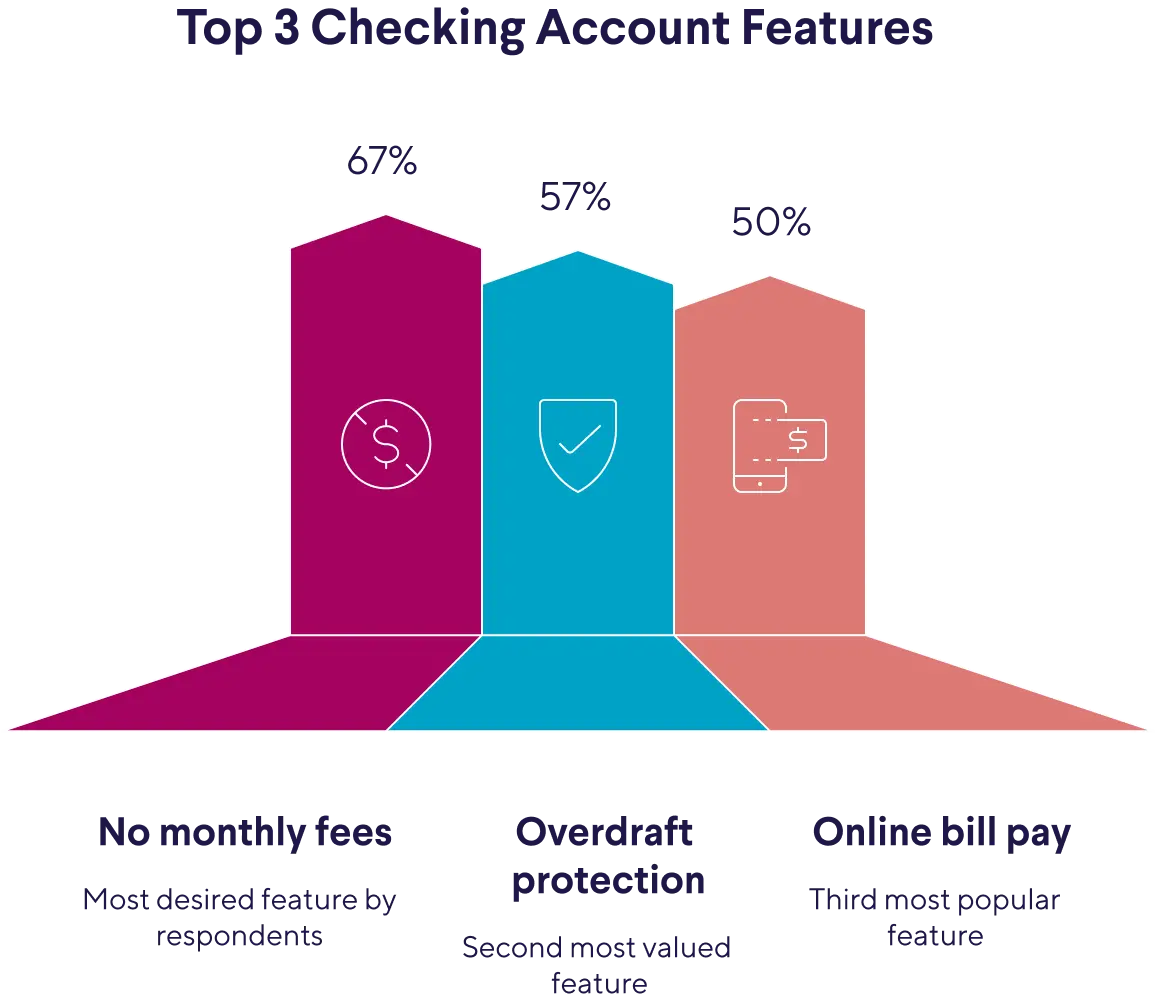
expenses that typically accept online bill pay

Here are some of the ways you might use online bill pay services:

For Electronic Payments to Major Companies

You can use bill pay for automated payments to such major companies as:

•  Your mortgage lender

•  Utilities

•  Your car loan lender

•  Your credit card issuer

•  Your student loan provider

•  Subscription services, like streaming platforms

For Paper Checks to Small Businesses or Individuals

You can also likely use bill pay instead of writing checks for such things as:

•  Gym memberships

•  Individuals, such as a dog walker or landscaper

•  Charities you donate to

Not only can this save you the time it takes to write a check, but it can also avoid any worry of the check being stolen or lost.

Bill Pay vs Autopay: What’s the Difference?

You may be tempted to use the terms bill pay and autopay interchangeably, but they are actually two different processes.

•   With bill pay, you are set up one or more payments; you are establishing when and how much money will be taken out of your bank account and transferred to the payee.

•   With autopay, however, you are authorizing a creditor to take money out of your account (which can make some people feel as if they are sacrificing control) or to use your bank’s bill payment system to do so.

Recommended: Paying Bills From a Savings Account

How to Set Up Online Bill Pay in 5 Steps

While bill pay can help make managing finances simpler, it does require some initial manual set-up. But, once you’ve learned how bill pay works, this automatic feature can make keeping track of and paying bills less cumbersome. Here’s how to set up bill pay:

Step 1: Choose a Bank or Credit Unions That Offers Bill Pay

While many financial institutions offer digital payment tools, like online bill pay, it’s worth investigating the features that are included at each before opening up an account. Online billing is free with some accounts, while some providers may charge for each transaction — either per bill or on a repeating monthly basis. You can likely set it up on your financial institution’s website or your banking app.

Step 2: Gather Your Bill Information

Next, think about which ongoing bills you want to automate.

•   Predictable expenses (or fixed vs. variable expenses) that don’t fluctuate from month to month, such as loan and mortgage payments or the internet bill, are solid candidates for recurring automated payments. You may want to schedule payment for a time each month when you know there’ll be sufficient funds in your account to cover what’s come due. Some service providers may even allow you to change the due date on certain bills.

•   Bills that change every month may be more challenging to automate. For instance, if your credit card bill might be $300 one month and $1,300 the next, it can be hard to be certain you’ll have enough money in your checking account to cover the cost.

When you know which bills you want to pay, you’ll sign onto your bank’s website or app and search for the “Pay a Bill” or “Online Bill Pay” function.

Worth noting: Some financial institutions place a cap on the amount of money that can be transferred electronically through bill pay. If an automatic payment exceeds that designated transaction limit, users may then need to pay via a physical method, such as a personal or cashier’s check.

Step 3: Add Your Payees in Your Banking App

The bank’s portal or app will then typically guide you to add details so your funds can be transferred from your checking account to your payee.

You’ll enter the details of each biller you want to pay, including their name, address, and your account number. Or you may be able to search for your biller or choose from a list provided by the bank.

Step 4: Schedule Your First Payment (One-Time or Recurring)

In this step, you can either schedule a one-time payment (to happen ASAP or at a later date), or you might set up a recurring payment at a given frequency (say, on the first of every month).

Step 5: Confirm the Payment and Set Up Alerts

Now, you’re ready to submit your payment. Before authorizing the transfer, double-check the payment details. When you’re ready to finish your transaction, you may be required to submit a security or multi-factor authentication code.

Some financial institutions place a cap on the amount of money that can be transferred electronically through bill pay. If an automatic payment exceeds that designated transaction limit, users may then need to pay via a physical method, such as a personal or cashier’s check.

Increase your savings
with a limited-time APY boost.*


*Earn up to 4.30% Annual Percentage Yield (APY) on SoFi Savings with a 0.70% APY Boost (added to the 3.60% APY as of 11/12/25) for up to 6 months. Open a new SoFi Checking & Savings account and enroll in SoFi Plus by 1/31/26. Rates variable, subject to change. Terms apply here. SoFi Bank, N.A. Member FDIC.

What Are the Benefits and Risks of Using Bill Pay?

Here are details about some of the consequences of not paying bills on time.

Benefit: Helps Avoid Late Fees and Protects Your Credit

One of the ways companies or service providers enforce on-time payments is by penalizing people for paying late. Whether it’s a credit card, utility bill or simply missing a payment date by a single day, submitting a late payment can result in late fees, higher interest rates, or other charges.

On top of late penalties, some providers may also charge interest on the balance owed, essentially creating a double wallop of fees if you’re late paying a bill.

•   In some cases, the interest may be charged starting the day an account becomes overdue. In others, it may accrue going back to the purchase date or transaction day.

•   Depending on the interest rate charged and how frequently that interest compounds, this fee could quickly balloon to more than the initial fee assessed.

In addition, late payments are typically reported to the credit bureaus when a payment goes past 30 days unpaid. This in turn can negatively affect your credit score.

Benefit: Simplifies Your Financial Life

Another benefit of using online bill pay can make managing your money easier. There’s no check writing required, and you can make payments anytime, from anywhere you have a wifi connection. So if you need to pay a bill while you are on vacation or you want to set up monthly payments to your power company, it’s easy to do.

As noted above, being able to manage your bill paying with this electronic service can also help you avoid late payments, which can help maintain or build your credit score.

You can also schedule payments for those moments you know there’s enough money in your account to cover debits (say, right after payday), which can help you avoid overdraft fees.

Risk: Payments Aren’t Instant and Require Buffer Time

When using bill pay, it’s wise to keep in mind that it is not an instant payment. Processing times can vary on such factors as time of day and day of the work, as well as individual financial institutions’ policies. Typically, it can take a couple of days for an online bill pay to be completed, so it can be smart to schedule the payment for a few days ahead of the due date. Otherwise, you risk a late payment and possible fees.

Risk: Requires Sufficient Funds to Avoid Issues

Automating your finances doesn’t mean you don’t have to monitor your finances. If you don’t keep very careful tabs on your money, you could risk overdraft if you don’t have overdraft protection. Say you have unusually high expenses one month; your bank balance might be lower than needed to cover your automated bill payments. This could lead to fees and headaches.

Recommended: How to Pay Bills After Job Loss

How Long Does Bill Pay Usually Take?

Bill pay processing times can vary, but electronic payments usually take 2-5 business days. This can offer an advantage over mailing a paper check which requires time in transit as well as up to several days to process.

Keep in mind that scheduling a bill pay at 7pm on a Friday is likely to require more time to arrive at its destination than one that you schedule at 9am on a Monday. Timing and day of the week will impact your payments, so factor this in when scheduling. It’s often best to schedule payments a few days in advance to make sure they reach the creditor by the due date.

The Takeaway

Bill paying is a fact of life, but there are tools that can make it quicker and more convenient. Signing up for automated online bill pay can put you in control. It can ensure that bills get paid on time, reducing the likelihood of late-payment or overdraft fees. It can be a smart move to see what your bank offers in terms of this service and whether it can simplify your financial life.

Interested in opening an online bank account? When you sign up for a SoFi Checking and Savings account with direct deposit, you’ll get a competitive annual percentage yield (APY), pay zero account fees, and enjoy an array of rewards, such as access to the Allpoint Network of 55,000+ fee-free ATMs globally. Qualifying accounts can even access their paycheck up to two days early.


Better banking is here with SoFi, NerdWallet’s 2024 winner for Best Checking Account Overall.* Enjoy up to 3.60% APY on SoFi Checking and Savings with eligible direct deposit.

FAQ

Is online bill pay safe to use?

Online bill pay is typically very safe. While no financial or digital process is entirely risk-free, a reputable bank or credit union usually uses state-of-the-art security measures, such as encryption and multi-factor authentication.

Can I stop a bill payment after I’ve scheduled it?

If a payment hasn’t yet been processed, you can likely cancel it. You may be able to stop a payment via your bank’s app or website or by contacting customer service. A fee may be involved. If the payment is already being sent, however, you may be out of luck in terms of stopping payment.

Can I use bill pay to pay an individual or a landlord?

While many people may think of bill pay as being used to send funds to, say, a utility or other company, you can often use bill pay to send funds to an individual (say, your landscaper or babysitter). You will need their banking details to set this up.

What happens if I schedule a payment but don’t have enough money in my account?

If you schedule an online bill pay but don’t have enough cash in your bank account, the payment will likely be declined. This means your payee doesn’t receive the funds, and you may be hit with late fees and/or overdraft fees. Typically, your bank will notify you that the funds didn’t transfer, and you will need to take action to remedy the situation.

Is there a fee to use online bill pay?

There typically isn’t a fee charged by your bank to use online bill pay. However, some financial institutions may charge a fee to expedite an online bill payment. Also, third-party bill pay services may sometimes charge a fee to use their services.


SoFi Checking and Savings is offered through SoFi Bank, N.A. Member FDIC. The SoFi® Bank Debit Mastercard® is issued by SoFi Bank, N.A., pursuant to license by Mastercard International Incorporated and can be used everywhere Mastercard is accepted. Mastercard is a registered trademark, and the circles design is a trademark of Mastercard International Incorporated.

Annual percentage yield (APY) is variable and subject to change at any time. Rates are current as of 11/12/25. There is no minimum balance requirement. Fees may reduce earnings. Additional rates and information can be found at https://www.sofi.com/legal/banking-rate-sheet

Eligible Direct Deposit means a recurring deposit of regular income to an account holder’s SoFi Checking or Savings account, including payroll, pension, or government benefit payments (e.g., Social Security), made by the account holder’s employer, payroll or benefits provider or government agency (“Eligible Direct Deposit”) via the Automated Clearing House (“ACH”) Network every 31 calendar days.

Although we do our best to recognize all Eligible Direct Deposits, a small number of employers, payroll providers, benefits providers, or government agencies do not designate payments as direct deposit. To ensure you're earning the APY for account holders with Eligible Direct Deposit, we encourage you to check your APY Details page the day after your Eligible Direct Deposit posts to your SoFi account. If your APY is not showing as the APY for account holders with Eligible Direct Deposit, contact us at 855-456-7634 with the details of your Eligible Direct Deposit. As long as SoFi Bank can validate those details, you will start earning the APY for account holders with Eligible Direct Deposit from the date you contact SoFi for the next 31 calendar days. You will also be eligible for the APY for account holders with Eligible Direct Deposit on future Eligible Direct Deposits, as long as SoFi Bank can validate them.

Deposits that are not from an employer, payroll, or benefits provider or government agency, including but not limited to check deposits, peer-to-peer transfers (e.g., transfers from PayPal, Venmo, Wise, etc.), merchant transactions (e.g., transactions from PayPal, Stripe, Square, etc.), and bank ACH funds transfers and wire transfers from external accounts, or are non-recurring in nature (e.g., IRS tax refunds), do not constitute Eligible Direct Deposit activity. There is no minimum Eligible Direct Deposit amount required to qualify for the stated interest rate. SoFi Bank shall, in its sole discretion, assess each account holder's Eligible Direct Deposit activity to determine the applicability of rates and may request additional documentation for verification of eligibility.

See additional details at https://www.sofi.com/legal/banking-rate-sheet.

*Awards or rankings from NerdWallet are not indicative of future success or results. This award and its ratings are independently determined and awarded by their respective publications.

Financial Tips & Strategies: The tips provided on this website are of a general nature and do not take into account your specific objectives, financial situation, and needs. You should always consider their appropriateness given your own circumstances.

Disclaimer: Many factors affect your credit scores and the interest rates you may receive. SoFi is not a Credit Repair Organization as defined under federal or state law, including the Credit Repair Organizations Act. SoFi does not provide “credit repair” services or advice or assistance regarding “rebuilding” or “improving” your credit record, credit history, or credit rating. For details, see the FTC’s website .

Third Party Trademarks: Certified Financial Planner Board of Standards Center for Financial Planning, Inc. owns and licenses the certification marks CFP®, CERTIFIED FINANCIAL PLANNER®

SOBNK-Q325-101

Read more
open laptop on desk

Is it Possible to Take Online Classes While Working?

Many students work to cover expenses and gain on-the-job experience while furthering their education. For some learners, taking online classes while working is one way to fit school into an already packed schedule.

While online classes allow you to study virtually anywhere, at any time, the quality of these programs can vary tremendously. Also, you may miss out on the ability to make professional and personal connections vs. in-person classes.

Read on to learn more about taking online classes while also working full-time, including the pros and cons, and strategies for juggling the demands of school alongside holding down a job.

Key Points

•   Online classes, which allow for flexible scheduling, can be pursued while working full-time.

•   Location independence of online classes can reduce travel time and expenses.

•   Online programs often have lower living costs than on-campus courses.

•   Networking with peers and professors is more limited when taking classes online.

•   Engagement with course materials and seeking help can be more challenging online.

Pros of Taking Online Classes

Given the time and financial investment that earning a degree can require, it can be helpful to weigh different schooling options before deciding whether to pursue an in-person education, online classes, or some hybrid of the two. Online classes can have some distinct advantages.

Here’s a look at some potential pros of working towards a degree or certificate online.

Having a Flexible Schedule

T

Traditionally, college and graduate school courses meet once or multiple times per week throughout a semester or summer/winter session. The length of class time varies too. For example, large lectures may only span one hour, while once-per-week seminars could run for two or three hours.

If you’re taking a full-time course load, which usually constitutes a minimum of twelve credit hours, you’ll have to coordinate these blocked-out class hours around your existing work schedule.

As a result, in-person learning (where students are expected to be in class at a set time each week) is not always feasible if you plan to work and study at the same time.

If you work full-time, online classes can come with added flexibility. After all, online courses are often facilitated through prerecorded lectures, streaming video tutorials, self-guided activities, and reading that can be done on a student’s timeframe.

In some cases, online classes do still include a certain number of live lectures or learning activities (typically hosted via streaming video) that enrolled students are expected to attend.

In those scenarios, you might need to arrange your work schedule so you’re not on the job during the times when live online classes convene. That can help you take online classes successfully.

Naturely, most online classes still assign homework, so you’ll also need to consider when you’ll fit in independent reading, projects, and studying. However, online degree programs and classes often offer a higher level of scheduling flexibility, allowing you to “attend class” and study at times when you’re not working.

Maintaining Location Independence

There are thousands of colleges and universities across the United States, but probably only a handful near your home or place of work. While taking classes as a commuter student might be logistically possible, sticking to programs hosted by local universities can limit your choice of faculty and subject areas.

Additionally, it’s possible that local options aren’t the top-ranked in a given field — and might not even offer specific degrees or pre-professional certificates.

On the flip side, the only location required for taking online classes while working full-time is a reliable internet connection and a comfortable study space. Online classes also save time traveling to and fro a campus, giving you more time to juggle post-secondary studies alongside your regular job.

Possibly Lower Living Expenses

Tuition is only part of the equation when calculating the total cost of attending college. Some universities may require students to live on campus for one or more years, which could carry dining hall and other fees (in addition to the base cost of living in a dorm).

Students attending four-year public universities can expect room and board to run, on average, $12,302 a year, according to the Education Data Initiative. Opting for an online degree program can help bypass some of these additional expenses.

Cons of Taking Online Classes

In addition to online learning’s pros, there are some potential cons to think through when evaluating taking online classes while working full time.

Not Every Degree or Major Is Available

Colleges across the U.S. offer a wide array of majors and types of degrees. Online programs, on the other hand, tend to be more limited. So whether or not you can take online classes while working will depend, in part, on your chosen field of study.

For online bachelor’s degree programs, majors focused on business and health professions are among the most commonly available. Students interested in earning a master’s degree online in business or healthcare are in luck as well. There are also opportunities to enroll in graduate programs in education, engineering, criminal justice, and various social sciences entirely online.

Other majors and degrees, especially those that require in-person lab time or hands-on apprenticeship, such as culinary arts or chemistry, might not translate as well to an online format.

Recommended: Return on Education for Bachelor’s Degrees

Limited Networking Opportunities

Attending college in person can provide opportunities to make friends and build relationships with professors. Building a deep social and professional network while in school can help you find internships and jobs after school ends.

Taking online classes, however, can make it more challenging to connect with professors and fellow students. That being said, it’s still possible to make a strong impression on professors and peers through course assignments, presentations (whether individual or group), and written correspondences.

If you are planning on taking online classes while also working full-time in the same field (e.g., a nurse or a teacher studying for an extra certification in those professions), this potential networking disadvantage may be less of a concern — since you can still connect with fellow professionals on the job.

Can Be Hard to Focus and Seek Help

Some students may find that it’s harder to stay engaged with online classes vs. those that are given in person. It may be easier for them to be distracted or zone out. Also, when they have questions or issues with a concept, it may take more effort to get assistance than if they were in a real-world classroom.

Strategies for Taking Online Classes

Whether you just graduated high school or are returning to the classroom after years of working, being prepared can help you get the most from your online classes — and, ideally, help to create a healthier work-life balance. Here are some key ways to prep for working full time and going to college.

Making a Schedule and Sticking to It

The flexibility of online classes can feel liberating, but those readings, online discussions, and assignments still need to be completed. Keeping your work schedule in mind, it can be helpful to block out some non-work hours during the week or weekend just for studying and school assignments.

It may also be helpful to think about when to get school work done. If you’re not a morning person, it’s likely you won’t be cracking the textbooks at sunrise. If you find out that your present work-school schedule is hard to sustain over time, it’s perfectly okay to go back to the drawing board.

The important thing is to find a time-management system that works for the duration of the time you’re both working and studying full time.

Starting Small

Even if you feel confident and excited about returning to the classroom (virtual ones count, too), taking online classes while working full time may be a big adjustment.

Some online degree programs allow you to enroll as a part-time student, which can be a “trial-run” opportunity — allowing you to understand how demanding juggling school and studies can be (before paying full tuition).

Understanding how much time each online class will demand can help you to be realistic about how many classes you can take each semester without burning out.

Setting Goals and Rewarding Progress

Creating achievable goals at the beginning of each class or semester is one way to stay on track, grow as a student, and measure success. Attaching a reward to these periodic goals can help many learners to stay driven and engaged.

Whether you passed your first online class, completed a big group project, or got a key certification, you deserve to celebrate achieving your educational accomplishments.

Paying for Online Classes

For some students, the cost of online education (after subtracting dorms, dining plans, and transportation) can be an additional determining factor. The individual cost of online degrees and certificates will vary significantly from school to school — including price differences between public and private university programs.

In some cases, online-only programs may cost less for enrolled students. In others, online classes are priced similar to their in-person counterparts.

Whether you opt to work and go to college at the same time, how to pay for college is likely a big question. Making a plan for financing your education is one step in figuring out how to take online classes while working full time.

There are options for different types of student loans, for example.

Completing the Federal Application for Federal Student Aid (FAFSA) can help you determine how much federal student aid (such as grants, scholarships, and federal loans) you are eligible to receive. You can also explore scholarship opportunities through universities, nonprofit organizations, and private foundations for additional funding.

Many students also borrow money through private loans to pay for advancing their education. These are available through banks, credit unions, and online lenders and often may come with flexible repayment plans, allowing you to find a loan that fits your budget and financial plan. (It’s worth noting that federal student loans come with baked-in benefits, like income-driven repayment or public service loan forgiveness, that are not guaranteed by private lenders).

The Takeaway

If you’ve exhausted all federal student aid options, no-fee private student loans from SoFi can help you pay for school. The online application process is easy, and you can see rates and terms in just minutes. Repayment plans are flexible, so you can find an option that works for your financial plan and budget.


Cover up to 100% of school-certified costs including tuition, books, supplies, room and board, and transportation with a private student loan from SoFi.

FAQ

Can I work full-time and take online classes?

Yes, it is possible to work full-time and take online classes. Typically, those working full-time will take classes online on a part-time basis. Tactics that can make it easier to manage both of these responsibilities include finding an online program that is flexible enough to allow you to learn and study around your work obligations.

How to balance working full-time and school?

Some tips for balancing working full-time and school include creating a weekly schedule and using reminders, using time management apps, finding work with somewhat flexible hours, and setting realistic goals as you balance your job and studies.

What are the disadvantages of online classes?

The disadvantages of online classes can include the fact that not every program is available, that students may find it hard to engage and questions answered, and that opportunities to network, professionally and personally, are limited.


SoFi Loan Products
SoFi loans are originated by SoFi Bank, N.A., NMLS #696891 (Member FDIC). For additional product-specific legal and licensing information, see SoFi.com/legal. Equal Housing Lender.


SoFi Private Student Loans
Please borrow responsibly. SoFi Private Student loans are not a substitute for federal loans, grants, and work-study programs. We encourage you to evaluate all your federal student aid options before you consider any private loans, including ours. Read our FAQs.

Terms and conditions apply. SOFI RESERVES THE RIGHT TO MODIFY OR DISCONTINUE PRODUCTS AND BENEFITS AT ANY TIME WITHOUT NOTICE. SoFi Private Student loans are subject to program terms and restrictions, such as completion of a loan application and self-certification form, verification of application information, the student's at least half-time enrollment in a degree program at a SoFi-participating school, and, if applicable, a co-signer. In addition, borrowers must be U.S. citizens or other eligible status, be residing in the U.S., Puerto Rico, U.S. Virgin Islands, or American Samoa, and must meet SoFi’s underwriting requirements, including verification of sufficient income to support your ability to repay. Minimum loan amount is $1,000. See SoFi.com/eligibility for more information. Lowest rates reserved for the most creditworthy borrowers. SoFi reserves the right to modify eligibility criteria at any time. This information is subject to change. This information is current as of 4/22/2025 and is subject to change. SoFi Private Student loans are originated by SoFi Bank, N.A. Member FDIC. NMLS #696891 (www.nmlsconsumeraccess.org).

Financial Tips & Strategies: The tips provided on this website are of a general nature and do not take into account your specific objectives, financial situation, and needs. You should always consider their appropriateness given your own circumstances.

Third-Party Brand Mentions: No brands, products, or companies mentioned are affiliated with SoFi, nor do they endorse or sponsor this article. Third-party trademarks referenced herein are property of their respective owners.

SOISL-Q325-096

Read more
white fence with pink flowers

Second Mortgage, Explained: How It Works, Types, Pros, Cons

What is a second mortgage loan? For many homeowners who need cash in short order, a second mortgage in the form of a home equity loan or home equity line of credit is a go-to answer. A second mortgage can help you fund anything from home improvements to credit card debt payoff, and for some, a HELOC serves as a security blanket.

You can probably think of many things you could use a home equity loan or HELOC for, especially when the rate and terms may be more attractive than those of a cash-out refinance or personal loan. Just know that you’ll need to have sufficient equity in your home to pull off a second mortgage. In this guide, we’ll discuss this and more about how to take out a second mortgage and when you might consider it.

Key Points

•   A second mortgage allows homeowners to borrow against home equity without refinancing the first mortgage.

•   There are two main types of second mortgage: home equity loans (fixed rate) and HELOCs (variable rate).

•   Second mortgages can fund major expenses like home improvements or debt payoff.

•   Potential risks include the possibility of losing your home if payments are missed.

•   Alternatives include personal loans or cash-out refinancing.

What Does It Mean to Take Out a Second Mortgage?

What is a second mortgage loan? It’s a loan secured by your home that’s typically taken out after your first mortgage. Less commonly, a first and second mortgage may be taken out at the same time in the form of a “piggyback loan.”

An “open-end” second mortgage is a revolving line of credit that allows you to withdraw money and pay it back as needed, up to an approved limit, over time. A “closed-end” second mortgage is a loan disbursed in a lump sum.

And since we’re looking at what it means to take out a second mortgage, it’s worth noting that it’s not called a second mortgage just because you probably took it out after your original mortgage. The term also refers to the fact that if you can’t make your mortgage payments and your home is sold as a result, the proceeds will go toward paying off your first home mortgage loan and only then toward any second mortgage and other liens (if anything is left).

How Does a Second Mortgage Work?

A home equity line of credit (HELOC) and a home equity loan, the two main types of second mortgages, work differently but have a shared purpose: to allow homeowners to borrow against their home equity without having to refinance their first mortgage.

Second Mortgage Interest Rates

HELOCs may have lower starting interest rates than home equity loans, although HELOC rates are usually variable — fluctuating over time. Home equity loans have fixed interest rates. In general, the choice between a fixed- vs variable-rate loan has no one universal winner.

Cost of a Second Mortgage

Home equity loans and HELOCs come with closing costs and fees of about 2% to 5% of the loan amount, but if you do your research, you may be able to find a lender that will waive some or all of the closing costs. Some lenders offer a “no-closing-cost HELOC,” but it will usually come with a higher interest rate.

Repayment Terms and Requirements

If you’re wondering how a second mortgage works, that depends. The way you receive funds and repay each kind of second mortgage differs. You generally receive a home equity loan as a lump sum and, since it usually comes with a fixed interest rate, pay it back in equal monthly installments, making it easy to plan for. With a HELOC, you’ll get an initial draw period during which you can take out funds at will, up to a preset limit. You’ll have a minimum payment to make each month but can pay back the principal and draw it out again. During the repayment period that follows, you’ll pay back the loan, generally at an adjustable rate.

To qualify for a HELOC or a home equity loan, you’ll need to have sufficient equity in your home – generally enough so that after you take out the second mortgage, you’ll retain 20% or, at minimum, 15% equity. Lenders’ requirements vary, but typically they will want to see a credit score of at least 620. They will also look at your debt-to-income (DTI) ratio, which compares your monthly debt obligations with your monthly income, and generally will want it to be 43% or lower.

Example of a Second Mortgage

Let’s look at an example of how to take out a second mortgage. Say you buy a house for $400,000. You make a 20% down payment of $80,000 and borrow $320,000. Over time you whittle the balance to $250,000.

You apply for a second mortgage. A new appraisal puts the value of the home at $525,000.

The current market value of your home, minus anything owed, is your home equity. In this case, it’s $275,000.

So how much home equity can you tap? Often 85%, although some lenders allow more.

Assuming that you’re borrowing 80% of your equity, that could give you a home equity loan or credit line of $220,000.

After closing on your loan, the lender will file a lien against your property. This second mortgage will have separate monthly payments.

Types of Second Mortgages

To evaluate whether you qualify for a second mortgage, in addition to seeing if you meet a certain home equity threshold, lenders may review your credit score, credit history, employment history, and debt-to-income ratio when determining your rate and loan amount.

Here are details about the two main forms of a second mortgage.

Home Equity Loan

A home equity loan is issued in a lump sum with a fixed interest rate. Terms may range from five to 30 years.

Recommended: Exploring the Different Types of Home Equity Loans

Home Equity Line of Credit

A HELOC is a revolving line of credit with a maximum borrowing limit.

You can borrow against the credit limit as many times as you want during the draw period, which is often 10 years, as long as you keep the funds sufficiently replenished. The repayment period is usually 20 years.

Most HELOCs have a variable interest rate. They typically come with yearly and lifetime rate caps.

Piggyback Loan

A piggyback loan is a second mortgage you take out at the same time as your first mortgage in order to help fund your down payment so you can avoid paying private mortgage insurance (PMI). People generally have to pay PMI when they buy a home and make a down payment on a conventional loan of less than 20% of the home’s value.

Here’s how it works, if you have only a 10% down payment, you might take out a mortgage for 80% of your purchase price and a piggyback loan, typically at a higher and probably variable rate, for 10% of the purchase price to put toward your down payment so you’ll have the full 20%.

Second Mortgage vs Refinance: What’s the Difference?

A mortgage refinance involves taking out a home loan that replaces your existing mortgage. Equity-rich homeowners may choose a cash-out refinance, taking out a mortgage for a larger amount than the existing mortgage and receiving the difference in cash.

Taking on a second mortgage, on the other hand, leaves your first mortgage intact. It is a separate loan.

To determine your eligibility for refinancing, lenders look at the loan-to-value ratio, in part. Most lenders favor an LTV of 80% or less. (Current loan balance / current appraised value x 100 = LTV.)

Even though the rate for a refinance might be lower than that of a home equity loan or HELOC, refinancing means you’re taking out a new loan, so you face mortgage refinancing costs of 2% to 5% of the new loan amount on average.

Homeowners who have a low mortgage rate will generally not benefit from a mortgage refinance when the going interest rate exceeds theirs.

Pros and Cons of a Second Mortgage

What does it mean to take out a second mortgage, all in all? It’s a big decision, and it can be helpful to know the advantages and potential downsides before diving in.

Pros of a Second Mortgage

Relatively low interest rate. A second mortgage may come with a lower interest rate than debt not secured by collateral, such as credit cards and personal loans. And if rates are on the rise, a cash-out refinance becomes less appetizing.

Access to money for a big expense. People may take out a second mortgage to get the cash needed to pay for a major expense, from home renovations to medical bills.

Mortgage insurance avoidance via piggyback. A homebuyer may take out a first and second mortgage simultaneously to avoid having to pay private mortgage insurance (PMI) if they have less than 20% for the down payment for a conventional mortgage. A piggyback loan, or second mortgage, can be issued at the same time as the initial home loan and allow the buyer to meet the 20% threshold and avoid paying PMI.

People generally have to pay PMI when they buy a home and make a down payment on a conventional loan of less than 20% of the home’s value.

A piggyback loan, or second mortgage, can be issued at the same time as the initial home loan and allow a buyer to meet the 20% threshold and avoid paying PMI.

Cons of a Second Mortgage

Potential closing costs and fees. Closing costs come with a home equity loan or HELOC, but some lenders will reduce or waive them if you meet certain conditions. With a HELOC, for example, some lenders will skip closing costs if you keep the credit line open for three years. It’s a good idea to scrutinize lender offers for fees and penalties and compare the APR vs. interest rate.

Rates. Second mortgages may have higher interest rates than first mortgage loans. And the adjustable interest rate of a HELOC means the rate you start out with can increase — or decrease — over time, making payments unpredictable and possibly difficult to afford.

Risk. If your monthly payments become unaffordable, there’s a lot on the line with a second mortgage: You could lose your home.

Must qualify. Taking out a second mortgage isn’t a breeze just because you already have a mortgage. You’ll probably have to jump through similar qualifying hoops in terms of home appraisal and documentation.

Common Reasons to Get a Second Mortgage

Typical uses of second mortgages include the following:

•   Paying off high-interest credit card debt

•   Financing home improvements

•   Making a down payment on a vacation home or investment property

•   As a security measure in uncertain times

•   Funding a blow-out wedding or other big event

•   Covering college costs

Can you use the proceeds for anything? In general, yes, but each lender gets to set its own guidelines. Some lenders, for example, don’t allow second mortgage funds to be used to start a business.

Funding Major Home Improvements

Building a garage or upgrading your kitchen are the kind of home improvements you could fund with a second mortgage. What’s more, if you itemize your federal taxes, some or all of the interest you pay on your second mortgage may be tax deductible if it’s used on home improvements. Consult with your tax adviser for the most up-to-date information.

Covering Education Expenses or Debt Consolidation

Getting a better interest rate on debt is a significant reason many people take out second mortgages. A second mortgage, especially a HELOC, can be an appealing way to finance education. Typically, its rates are lower than those of private student loans. Still it’s worth looking into federal loans, which may have even lower rates and don’t put your home at risk if you default.

Consolidating debt is another reason people take out second mortgages. Rather than paying often hefty credit card rates, for example, you could take out a second mortgage, pay off the high-interest debt, and pay back the second mortgage at a more reasonable rate over time. You can also use a home equity loan in particular to pay off multiple debts so that you’ll just have one predictable bill each month.

How to Get a Second Mortgage

If you’ve decided that a HELOC or home equity loan is the right choice for you, here’s how to get a second mortgage. Begin by assessing what you need and evaluate how much you can afford in payments each month.

Next, review typical requirements and evaluate how well you match up. Remember that requirements may vary somewhat from lender to lender.

After you’ve brushed up your credentials, start researching lenders. You might be able to get a slightly lower rate from the lender who provided your primary mortgage, but it’s worth looking around at the options and negotiating terms. Take into account whether you have enough to pay for closing costs or whether you’ll need to look for a no-closing-costs option or a lender who will waive the fees.
Once you’ve made a decision, submit your application If you’re approved, the lender will likely want to conduct an appraisal of your property. If all goes well, you’ll soon be signing papers and closing your loan.

The Takeaway

What’s the point of a second mortgage? A HELOC or home equity loan can provide qualifying homeowners with cash fairly quickly and at a relatively decent rate. If you prefer not to have a second mortgage, you may want to explore a cash-out refinance, which is another way to put some of your home equity to use.

Looking for an affordable option for a home mortgage loan? SoFi can help: We offer low down payments (as little as 3% - 5%*) with our competitive and flexible home mortgage loans. Plus, applying is extra convenient: It's online, with access to one-on-one help.

SoFi Mortgages: simple, smart, and so affordable.

FAQ

Is a HELOC a second mortgage?

Perhaps you’ve been wondering, “Is a HELOC a second mortgage?” The answer is yes: A HELOC (home equity line of credit) is one kind of second mortgage. It’s a revolving line of credit, but it is secured by your home, just as your mortgage is, and if you default on it, you risk losing your home.

Can you refinance a second mortgage?

You may be able to refinance a second mortgage, either on its own or in combination with your primary mortgage. If you’re interested in the combination refi, one major factor that determines whether you can refinance a second mortgage along with the first is whether you’ll have the 20% equity typically required.

Does a second mortgage hurt your credit?

You may be wondering, “What does it mean to take out a second mortgage when it comes to your credit?” Shopping for a second mortgage can cause a small dip in an applicant’s credit score, but the score will probably rebound within a year if you make on-time mortgage payments.

How much can you borrow on a second mortgage?

Many lenders will allow you to take about 85% of your home equity in a second mortgage. Some allow more.

How long does it take to get a second mortgage?

Applying for and obtaining a HELOC or home equity loan takes an average of two to six weeks.

What are alternatives to getting a second mortgage?

A personal loan is one alternative to a second mortgage. A cash-out refinance is another.

Can you have multiple second mortgages?

In theory you can have more than one second mortgage on the same property, but in practice it may be difficult. Lenders may subject your application to extra scrutiny or simply have a policy against it. If you buy a vacation property, it may be possible to get a second mortgage as well as a primary mortgage loan for the second home in addition to your primary and secondary mortgage on your primary residence.


*SoFi requires Private Mortgage Insurance (PMI) for conforming home loans with a loan-to-value (LTV) ratio greater than 80%. As little as 3% down payments are for qualifying first-time homebuyers only. 5% minimum applies to other borrowers. Other loan types may require different fees or insurance (e.g., VA funding fee, FHA Mortgage Insurance Premiums, etc.). Loan requirements may vary depending on your down payment amount, and minimum down payment varies by loan type.

²SoFi Bank, N.A. NMLS #696891 (Member FDIC), offers loans directly or we may assist you in obtaining a loan from SpringEQ, a state licensed lender, NMLS #1464945.
All loan terms, fees, and rates may vary based upon your individual financial and personal circumstances and state.
You should consider and discuss with your loan officer whether a Cash Out Refinance, Home Equity Loan or a Home Equity Line of Credit is appropriate. Please note that the SoFi member discount does not apply to Home Equity Loans or Lines of Credit not originated by SoFi Bank. Terms and conditions will apply. Before you apply, please note that not all products are offered in all states, and all loans are subject to eligibility restrictions and limitations, including requirements related to loan applicant’s credit, income, property, and a minimum loan amount. Lowest rates are reserved for the most creditworthy borrowers. Products, rates, benefits, terms, and conditions are subject to change without notice. Learn more at SoFi.com/eligibility-criteria. Information current as of 06/27/24.
In the event SoFi serves as broker to Spring EQ for your loan, SoFi will be paid a fee.


Third Party Trademarks: Certified Financial Planner Board of Standards Center for Financial Planning, Inc. owns and licenses the certification marks CFP®, CERTIFIED FINANCIAL PLANNER®

SoFi Loan Products
SoFi loans are originated by SoFi Bank, N.A., NMLS #696891 (Member FDIC). For additional product-specific legal and licensing information, see SoFi.com/legal. Equal Housing Lender.


SoFi Mortgages
Terms, conditions, and state restrictions apply. Not all products are available in all states. See SoFi.com/eligibility-criteria for more information.


Financial Tips & Strategies: The tips provided on this website are of a general nature and do not take into account your specific objectives, financial situation, and needs. You should always consider their appropriateness given your own circumstances.

Tax Information: This article provides general background information only and is not intended to serve as legal or tax advice or as a substitute for legal counsel. You should consult your own attorney and/or tax advisor if you have a question requiring legal or tax advice.

SOHL-Q325-028

Read more

Financial Health: What It Is and 7 Ways to Improve It

Your financial wellness has a significant impact on your daily life, as well as your future. It reflects how well you are managing your money, working toward short- and long-term goals, and avoiding pitfalls, such as taking on too much debt. What’s more, having poor financial health can lead to money stress, which can in turn affect your physical and mental health.

Read on to learn more about assessing your financial health and techniques that can enhance it.

Key Points

•  Financial health involves effective management of such factors as credit, debt, savings, investments, and income.

•  To help improve financial health, regularly monitor financial metrics such as savings rate, debt-to-income ratio, net worth, and credit score.

•  Automating savings and investments can help maintain and improve financial stability.

•  Prioritizing the repayment of high-interest debt can enhance financial health.

•  Setting clear, measurable, and realistic financial goals can contribute to financial decision-making and wellness.

What Does It Mean to Be Financially Healthy?

Financial health is defined as the current state of your monetary situation, such as your credit, debt, savings, investments, and income. Being financially healthy means you are managing your money well.

You can meet your monthly financial obligations, are on track to achieve your financial goals, and have enough cash in the bank to be able to absorb a financial setback.

Signs that your finances are in good health include:

•  You make enough money to cover your monthly expenses

•  You pay all of your bills on time

•  You have no debt or have debt that is manageable and being repaid on schedule

•  You’re saving enough to meet your short- and long-term goals

•  Your credit score is strong enough to help you qualify for whatever loans you might need at low rates

•  You feel comfortable with your financial situation

How to Check Your Financial Health: 4 Key Areas

Here are four key ways to check on your financial health and how it’s tracking.

Your Savings Rate

Your savings rate is calculated by dividing your monthly savings amount by your monthly gross income, and then multiplying that decimal by 100 to get a percentage. Currently, the average savings rate in the U.S. is around 4.50%, with a rate over 8.00% for long-term savings.

Many people focus on their retirement savings when thinking about savings rates. Because there are so many variables, it’s hard to know exactly how much you need to save for retirement. One rule of thumb is to aim to save at least 1x your salary by 30, 3x by 40, 6x by 50, 8x by 60, and 10x by 67. Check how your savings compares to ideal retirement savings by age to know if you’re on track or if you need to catch up

Your Debt-to-Income Ratio

Carrying too much debt can be harmful to your financial health. Lenders use a calculation called debt-to-income ratio (DTI) that compares a person’s monthly debt payments to their monthly gross income to determine how manageable someone’s debt load is. Lower is generally better. Lenders often like to see DTI ratios of 36% or less.

Your Net Worth Trajectory

Your net worth equals your assets minus your liabilities. You can think about how your net worth will evolve as you consider such factors as earning power, growth of savings over time, and building equity, such as owning your own home. Charting this trajectory regularly can help you evaluate financial progress and devise strategies to increase wealth.

Your Credit Score

Having a strong credit score is an indicator of good financial health. Factors that impact your score include amounts you owe on your debt accounts, repayment history, your credit mix, and the length of credit history. FICO® Scores range from 300 to 850. Having a score above 700 is generally considered good credit, while above 800 is considered excellent.

Recommended: Banking 101

7 Ways to Improve Your Financial Health

Implementing just a few good financial habits — such as tracking your spending and saving at least something each month -– can improve your financial health right away, and even more so over time.

Below are seven practical tips to help you move forward.

Increase your savings
with a limited-time APY boost.*


*Earn up to 4.30% Annual Percentage Yield (APY) on SoFi Savings with a 0.70% APY Boost (added to the 3.60% APY as of 11/12/25) for up to 6 months. Open a new SoFi Checking & Savings account and enroll in SoFi Plus by 1/31/26. Rates variable, subject to change. Terms apply here. SoFi Bank, N.A. Member FDIC.

1. Create and Follow a Realistic Budget

When it comes to money in and money out each month, many of us leave it to chance — and hope that the numbers work out. Taking some time to actually crunch the numbers and set up a monthly budget, however, can help ensure that you are living within your means, spending in line with your priorities, and working towards your future goals.

A simple way to get started on making a budget is to collect the last few months of financial statements and calculate the average amount coming in (after taxes) each month, and average amount going out each month. Subtract the latter from the former and see what you get. If you’re spending more than you are bringing in, or it’s so close there is little left over for saving, you may want to take a closer look at your spending.

There are many different types of budget but one simple guideline you might consider is the 50/30/20 budget. With the approach, you divide your monthly take-home income into three categories: 50% goes to needs (essentials), 30% goes to wants (nonessentials), and 20% to savings and debt repayment (beyond the minimum payment).

2. Track Your Spending, Net Worth, and Credit Score

Keeping tabs on how much you are spending each month, and on what, is crucial to financial wellness. Indeed, tracking spending can be both eye-opening and motivating. You might notice, for example, that you’re spending more than you think for certain things, or that your spending is out of line with your priorities. You might also spot some immediate areas for improvement.

One easy way to track expenses and spending is to put a budgeting app on your phone (many are free for the basic service). Budgeting apps typically connect with your financial accounts (including bank accounts, credit cards, and investment accounts), track spending, and categorize expenses so you can pinpoint exactly where your money is going.

Also regularly check in on your net worth and credit score, as detailed above. Checking your credit score is typically free at AnnualCreditReport.com.

3. Create a Plan to Pay Down High-Interest Debt

Credit cards and similar high-interest consumer loans can drag down your financial health by making it harder to meet your monthly expenses — and even harder to save for future goals. Paying off high-interest debt is an important investment in your financial future.

If you have multiple balances racking up high interest charges, here are two popular strategies that can help you whittle them down to zero.

The snowball method: With the snowball method, you list your debts by size then put an extra monthly payment towards the loan with the smallest balance, while continuing to pay the minimum on the others. Once the smallest debt is paid, you put your extra payment towards the next smallest balance, and so on.

The avalanche method: Using the avalanche method, you list your debts in order of interest rate then focus extra payments towards the debt with the highest interest rate, while continuing to pay the minimum on the others. Once that debt is paid off, you put your extra payments to the debt with the next-highest interest rate, and so on.

4. Build and Maintain an Emergency Fund

Without an emergency cash cushion, an unexpected expense (like a car repair or large medical bill) or loss of income can quickly derail your finances. You may be forced to rack up expensive credit card debt. This can put you in a debt spiral that can be difficult to get out of, and take a long-term toll on your financial health.

Even if you do have an emergency fund, it’s wise to periodically check in to make sure it’s sufficient. A good rule of thumb is to keep at least three- to six-months’ worth of living expenses in the bank. (If you’re self-employed or work seasonally, you may want to aim for six- to 12-months worth of expenses.) Ideally you want to keep this money in a savings account that earns a competitive rate but allows you to easily access your money when you need it.

5. Automate Your Savings and Investments

Tackling financial health can feel overwhelming, and it’s not likely something you want to be thinking about all the time. Fortunately, it’s easy to automate saving at least a little money every month, which is one of the best financial health-boosters

There are two ways to do this: One is to have a portion of your direct deposit go right into a savings account. The other is to set up a recurring transfer from your checking to your savings on the same day each month ( ideally, right after you get paid). You can’t spend what you don’t see. And, chances are, you won’t even miss it.

To help your savings grow faster, consider putting this money in an online bank. Since online institutions generally have lower overhead than traditional brick-and-mortar banks, they tend to offer better rates and low (or no) fees.

6. Regularly Review Your Insurance Coverage

Another financial health tip is to review your insurance coverage. This kind of coverage can play a vital part in improving and maintaining your financial health. Check in regularly to make sure your insurance is keeping pace with your needs, taking inflation and life events into account.

For instance, you may not have thought life insurance was necessary a couple of years ago, but if you have gotten married or had a child, it’s important to revisit that. The same holds true for checking your other types of insurance, such as homeowners’ insurance.

7. Set Clear and Motivating Financial Goals

When you are setting financial goals, it’s wise to think in terms of short-term (one year or less), medium-term (those that will take a couple to several years to achieve), and long-term (ones that take, say, seven or eight years or longer) to achieve.

Then, you can use the acronym S.M.A.R.T. as a guideline to help you finetune your money aspirations. Here’s what it stands for:

•   S for Specific: Instead of saying your goal is “to be rich,” maybe it’s to have no credit card debt within two years.

•   M for Measurable: Assign specific figures to your goals. For instance, saving for college isn’t a measurable goal, but saving $200K for your children’s college funds is.

•   A for Achievable: Set realistic expectations in terms of amounts and timelines so you don’t wind up feeling disappointed or frustrated.

•   R for Realistic: Similarly, don’t expect to cut your spending by, say, 75% to achieve a goal. And don’t forget to factor in the impact of inflation as you consider longer-term goals.

•   T for Time-based: Give yourself due dates, such as “Save $400 a month until I have $5,000 in my emergency fund in about a year.”

Recommended: When Should You Start Saving for Retirement?

Tools That Can Help You Manage Your Financial Health

There are a number of tools that can help you manage your financial health. Automating your finances can play a key role in success. You might use one, some, or all of these methods.

•   Spending trackers, which may be available from your financial institution or from a third-party

•   Round-up apps, which can round up purchases to the next nearest dollar and put the difference vs. actual purchase price into savings or investments

•   Different budget techniques, which can help you allocate the right amounts to different needs and manage spending.

•   Savings calculators, which can include digital tools like an emergency fund calculator, can offer guidance on how much of your earnings to put towards savings goals.

•   Debt management techniques, which can help you pay off high-interest debt via guidelines like the debt avalanche or snowball method.

•   Robo-advisors to help make the investing process more efficient.

The Takeaway

Some habits that can significantly boost financial wellness include setting up a simple budget, tracking spending, automating savings, building an emergency cash reserve, paying down expensive debt, and investing more of your earnings.
No matter what your income or current state of financial health, putting some smart money habits into place now can go a long way toward boosting your financial security, reducing stress, and building wealth over time.

Interested in opening an online bank account? When you sign up for a SoFi Checking and Savings account with direct deposit, you’ll get a competitive annual percentage yield (APY), pay zero account fees, and enjoy an array of rewards, such as access to the Allpoint Network of 55,000+ fee-free ATMs globally. Qualifying accounts can even access their paycheck up to two days early.


Better banking is here with SoFi, NerdWallet’s 2024 winner for Best Checking Account Overall.* Enjoy up to 3.60% APY on SoFi Checking and Savings with eligible direct deposit.

FAQ

What is the first step to improving financial health?

The first step in improving financial health is often creating and following a solid budget. This can allow you to dig into your income, your spending, and your savings, and manage this balance more effectively. Following a budget and tweaking it regularly can help you reach your short- and long-term financial goals.

How often should I do a financial health check?

It’s wise to check in with your finances at least once a year. However, whenever you have a major life change (say, starting a new job, getting married or divorced, having a child, buying a house), it can be a good idea to revisit your money and how you’re managing it.

Can you be financially healthy even with debt?

It is possible to be financially healthy with debt. It’s important to consider how much debt you have and whether it’s considered good (low-interest) or bad (high-interest) debt. For instance, if you have a 30-year $100,000 mortgage as your debt, you are likely in a better situation than someone who has $100,000 in credit card debt.

What is more important, saving or paying off debt?

Both saving and paying off debt are important, and whether one is more important than the other will depend on unique aspects of a given situation. If someone has high-interest debt, it may be wise to focus on paying that off vs. saving. However, if you have low-interest debt (perhaps a mortgage), you might continue to make payments on that while saving for your kids’ college education.

What is a good financial health score?

Financial health scores are sometimes used by financial institutions to measure an individual’s or a business’s financial standing. This score is based on such factors as income, expenses, credit score, debt, and savings/investments. A score between 71 and 100 is considered good.


SoFi Checking and Savings is offered through SoFi Bank, N.A. Member FDIC. The SoFi® Bank Debit Mastercard® is issued by SoFi Bank, N.A., pursuant to license by Mastercard International Incorporated and can be used everywhere Mastercard is accepted. Mastercard is a registered trademark, and the circles design is a trademark of Mastercard International Incorporated.

Annual percentage yield (APY) is variable and subject to change at any time. Rates are current as of 11/12/25. There is no minimum balance requirement. Fees may reduce earnings. Additional rates and information can be found at https://www.sofi.com/legal/banking-rate-sheet

Eligible Direct Deposit means a recurring deposit of regular income to an account holder’s SoFi Checking or Savings account, including payroll, pension, or government benefit payments (e.g., Social Security), made by the account holder’s employer, payroll or benefits provider or government agency (“Eligible Direct Deposit”) via the Automated Clearing House (“ACH”) Network every 31 calendar days.

Although we do our best to recognize all Eligible Direct Deposits, a small number of employers, payroll providers, benefits providers, or government agencies do not designate payments as direct deposit. To ensure you're earning the APY for account holders with Eligible Direct Deposit, we encourage you to check your APY Details page the day after your Eligible Direct Deposit posts to your SoFi account. If your APY is not showing as the APY for account holders with Eligible Direct Deposit, contact us at 855-456-7634 with the details of your Eligible Direct Deposit. As long as SoFi Bank can validate those details, you will start earning the APY for account holders with Eligible Direct Deposit from the date you contact SoFi for the next 31 calendar days. You will also be eligible for the APY for account holders with Eligible Direct Deposit on future Eligible Direct Deposits, as long as SoFi Bank can validate them.

Deposits that are not from an employer, payroll, or benefits provider or government agency, including but not limited to check deposits, peer-to-peer transfers (e.g., transfers from PayPal, Venmo, Wise, etc.), merchant transactions (e.g., transactions from PayPal, Stripe, Square, etc.), and bank ACH funds transfers and wire transfers from external accounts, or are non-recurring in nature (e.g., IRS tax refunds), do not constitute Eligible Direct Deposit activity. There is no minimum Eligible Direct Deposit amount required to qualify for the stated interest rate. SoFi Bank shall, in its sole discretion, assess each account holder's Eligible Direct Deposit activity to determine the applicability of rates and may request additional documentation for verification of eligibility.

See additional details at https://www.sofi.com/legal/banking-rate-sheet.

*Awards or rankings from NerdWallet are not indicative of future success or results. This award and its ratings are independently determined and awarded by their respective publications.

Financial Tips & Strategies: The tips provided on this website are of a general nature and do not take into account your specific objectives, financial situation, and needs. You should always consider their appropriateness given your own circumstances.

Third-Party Brand Mentions: No brands, products, or companies mentioned are affiliated with SoFi, nor do they endorse or sponsor this article. Third-party trademarks referenced herein are property of their respective owners.

Disclaimer: Many factors affect your credit scores and the interest rates you may receive. SoFi is not a Credit Repair Organization as defined under federal or state law, including the Credit Repair Organizations Act. SoFi does not provide “credit repair” services or advice or assistance regarding “rebuilding” or “improving” your credit record, credit history, or credit rating. For details, see the FTC’s website .

External Websites: The information and analysis provided through hyperlinks to third-party websites, while believed to be accurate, cannot be guaranteed by SoFi. Links are provided for informational purposes and should not be viewed as an endorsement.

Third Party Trademarks: Certified Financial Planner Board of Standards Center for Financial Planning, Inc. owns and licenses the certification marks CFP®, CERTIFIED FINANCIAL PLANNER®

SOBNK-Q325-105

Read more
TLS 1.2 Encrypted
Equal Housing Lender