Editor's Note: Options are not suitable for all investors. Options involve risks, including substantial risk of loss and the possibility an investor may lose the entire amount invested in a short period of time. Please see the Characteristics and Risks of Standardized Options.
In finance, the term spread refers to the difference between two related financial metrics: often a stock price or the differential between bond yields.
While its meaning can vary depending on the asset, understanding spreads is crucial for investors aiming to optimize their strategies. For example, the bid-ask spread of a stock — the gap between the highest price a buyer is willing to pay and the lowest price a seller is willing to accept — is a key indicator of liquidity and supply-demand dynamics for that stock.
For bonds, the spread captures differences in yields between bonds of varying maturity lengths or quality. Meanwhile, in more complex areas like options trading, spreads can involve differences in strike prices or expiration dates, helping traders form sophisticated strategies.
Key Points
• A spread is the difference between any two financial metrics, such as a stock price or bond yield.
• The bid-ask spread refers to the gap between a stock’s bid price (the highest price a buyer will pay) and the ask price (the lowest price a seller will accept)
• Several factors can affect a stock’s spread, including supply and demand, liquidity, trading volume, and volatility.
• A tight spread suggests buyers and sellers generally agree on a stock’s value, while a wide spread may signal a lack of consensus on its value.
• Investors may also consider the spread between bond yields, and when using certain options-trading strategies.
What Is Spread in Finance?
A good way to visualize spread may be to think of buying a home. As a home buyer, you may have a set price that you’re willing to pay for a property.
When you find a home and check the listing price, you see that the seller has it priced $10,000 above your budget. In terms of spread, the maximum amount you’re willing to offer for the home represents the bid price, while the seller’s listing price represents the ask.
When talking specifically about a stock spread, it is the difference between the bid and ask price. The bid price is the highest price a buyer will pay to purchase one or more shares of a specific stock. The ask price is the lowest price at which a seller will agree to sell shares of that stock.
A wide bid-ask spread may indicate less liquidity and higher costs for a particular stock; a narrow bid-ask spread may indicate more liquidity and lower transaction fees.
The spread between bond yields can highlight the difference between the yields for bonds of different qualities (e.g., Treasurys vs. corporate bonds) or maturities.
Thus, the spread can have a material impact on trading decisions.
Get up to $1,000 in stock when you fund a new Active Invest account.*
Access stock trading, options, alternative investments, IRAs, and more. Get started in just a few minutes.
*Customer must fund their Active Invest account with at least $50 within 45 days of opening the account. Probability of customer receiving $1,000 is 0.026%. See full terms and conditions.
What Does Spread Mean?
Spread can have a variety of applications and meanings in the financial world, whether for trading stocks or other types of assets.
• Bonds. As mentioned earlier, bond spread typically refers to differences in yield. But if you’re trading futures, the spread can measure the gap between buy and sell positions for a particular commodity.
• Options. With options trading, it can refer to differences in strike prices when placing call or put options.
• Forex. Spread can also be used in foreign currency markets or forex (foreign exchange market) trades to represent the difference between the broker’s selling price for a currency, and the price at which they’re willing to buy the currency.
• Lending. With lending, spread is tied to a difference in interest rates. Specifically, it means the difference between a benchmark rate, such as the prime rate, and the rate that’s actually charged to a borrower. So for example, if you’re getting a mortgage there might be a 2% spread, meaning your rate is 2% higher than the benchmark rate.
Bid-Ask Price and Stocks Spread
Whether you buy stocks online or through a traditional broker, it’s important to understand how the bid-ask price spread works and how it can affect your investment outcomes. Since spread can help investors gauge supply and demand for a particular stock, investors can use that information to make informed decisions about trades and increase the odds of getting the best possible price.
Normally, a stock’s ask price is higher than the bid price. How far apart the ask price and bid price are can give you a sense of how the market views a particular security’s worth.
If the bid price and ask price are fairly close together, that suggests that buyers and sellers are more or less in agreement on what a stock is worth. On the other hand, if there’s a wider spread between the bid and ask price, that might signal that buyers and sellers don’t necessarily agree on a stock’s value.
What Influences Stock Spreads?
There are different factors that can affect a stock’s spread, including:
• Supply and demand. Spread can be impacted by the total number of outstanding shares of a particular stock and the amount of interest investors show in that stock.
• Liquidity. Generally, liquidity is a measure of how easily a stock or any other security can be bought and sold or converted to cash. The more liquid an investment is, the closer the bid and ask price may be, since it can be easier to gauge an asset’s worth.
• Trading volume. Trading volume means how many shares of a stock or security are traded on a given day. As with liquidity, the more trading volume a security has, the closer together the bid and ask price are likely to be.
• Volatility. Measuring volatility is a way of gauging price changes and how rapidly a stock’s price moves up or down. When there are wider swings in a stock’s price, i.e., more volatility, the bid-ask price spread can also be wider.
Why Pay Attention to a Stock’s Spread?
Learning to pay attention to a stock’s spread can be helpful for investors in that they may be able to use what they glean from the spread to make better decisions related to their portfolios.
In other words, when you understand how spread works for stocks, you can use that to invest strategically and manage the potential for risk. This means different things whether you are planning to buy, sell, or hold a stock. If you’re selling stocks, that means getting the best bid price; when you’re buying, it means paying the best ask price.
Essentially, the goal is the same as with any other investing strategy: to buy low and sell high.
Difference Between a Tight Spread and a Wide Spread
A tight spread could be a signal to investors that buyers and sellers are more or less in agreement that a stock is valued correctly. A wide spread, on the other hand, may signal that there isn’t necessarily a consensus on what the stock’s value should be.
Executing Stock Trades Using Spread
If you’re using the bid-ask spread to trade stocks, there are different types of stock orders you might place. Those include:
• Market orders. This is an order to buy or sell a security that’s executed immediately.
• Limit orders. This is an order to buy or sell a security at a certain price or better.
• Stop orders. A stop order, also called a stop-loss order, is an order to buy or sell a security once it hits a certain price. This is called the stop price and once that price is reached, the order is executed.
• Buy stop orders. Buy stop orders are used to execute buy orders only when the market reaches a certain stop price.
• Sell stop orders. A sell stop order is the opposite of a buy stop order. Sell stop orders are executed when the stop price falls below the current market price of a security.
Stop orders can help with limiting losses in your investment portfolio if you’re trading based on bid-ask price spreads. Knowing how to coordinate various types of orders together with stock spreads can help with getting the best possible price as you make trades.
Other Types of Spreads
Apart from the bid-ask spread pertaining to stocks, there are other types of spreads, too.
Options spreads, for instance, involve buying multiple options contracts with the same underlying asset, but different strike prices or expiration dates.
Under the options spread umbrella are several types of spreads as well. Box spreads are one example, and they are a type of arbitrage options trading strategy in which traders use some tricks of the trade to reduce their risk as much as possible.
There’s also the debit spread, which is an options trading strategy in which a trader buys and sells an option at the same time — it’s a high-level strategy, and one that may not be suited to investors who are mostly investing in stocks or bonds.
Note, too, that there is something called a credit spread (similar to a debit spread, but its inverse) and that there are some differences traders will need to learn about before deciding to utilize a credit spread vs. debit spread as a part of their strategy. Again, options trading requires a whole new level of market knowledge and know-how, and may not be for all investors.
The Takeaway
Spread is an important term in finance because it captures the difference between two related metrics for a given security. When it comes to equities, spread is the difference between the bid price and ask price of a given stock. Being able to assess what a spread might mean can help inform individual trading decisions.
As you learn more about stocks, including what is spread and how it works, you can use that knowledge to create a portfolio that reflects your financial needs and goals.
Invest in what matters most to you with SoFi Active Invest. In a self-directed account provided by SoFi Securities, you can trade stocks, exchange-traded funds (ETFs), mutual funds, alternative funds, options, and more — all while paying $0 commission on every trade. Other fees may apply. Whether you want to trade after-hours or manage your portfolio using real-time stock insights and analyst ratings, you can invest your way in SoFi's easy-to-use mobile app.
Invest with as little as $5 with a SoFi Active Investing account.
FAQ
How do you read a stock spread?
A stock spread is the difference between the bid and ask price, calculated by subtracting the bid from the ask price and typically expressed as a percentage.
What influences stock spreads?
Stock spreads are influenced by factors such as supply and demand, liquidity, trading volume, and volatility.
What’s the difference between a tight and wide spread?
A tight spread suggests buyers and sellers generally agree on a stock’s value, while a wide spread may indicate a lack of consensus.
About the author
Rebecca Lake
Rebecca Lake has been a finance writer for nearly a decade, specializing in personal finance, investing, and small business. She is a contributor at Forbes Advisor, SmartAsset, Investopedia, The Balance, MyBankTracker, MoneyRates and CreditCards.com. Read full bio.
INVESTMENTS ARE NOT FDIC INSURED • ARE NOT BANK GUARANTEED • MAY LOSE VALUE
SoFi Invest is a trade name used by SoFi Wealth LLC and SoFi Securities LLC offering investment products and services. Robo investing and advisory services are provided by SoFi Wealth LLC, an SEC-registered investment adviser. Brokerage and self-directed investing products offered through SoFi Securities LLC, Member FINRA/SIPC.
For disclosures on SoFi Invest platforms visit SoFi.com/legal. For a full listing of the fees associated with Sofi Invest please view our fee schedule.
Investment Risk: Diversification can help reduce some investment risk. It cannot guarantee profit, or fully protect in a down market.
Financial Tips & Strategies: The tips provided on this website are of a general nature and do not take into account your specific objectives, financial situation, and needs. You should always consider their appropriateness given your own circumstances.
Options involve risks, including substantial risk of loss and the possibility an investor may lose the entire amount invested in a short period of time. Before an investor begins trading options they should familiarize themselves with the Characteristics and Risks of Standardized Options . Tax considerations with options transactions are unique, investors should consult with their tax advisor to understand the impact to their taxes.
With inflation and interest rates rising, many people are looking for ways to generate additional income these days — and finding reliable sources of passive income, which require less effort than most jobs — has become particularly desirable.
Creating and managing passive income streams isn’t a truly passive activity, however. Generating passive income usually requires upfront work, or sometimes a substantial investment to get the ball rolling. And depending on what your passive income ideas are, whether you’re renting out property or selling a product via online platforms, you’ll likely have ongoing tasks to keep the money coming in. That said, passive income can in some cases deliver more income with less effort than a traditional job that requires a fixed number of hours per week.
Key Points
• Passive income is money earned without regular, active involvement.
• Investing in businesses, P2P lending, and rental properties are some ways to generate passive income.
• Benefits of passive income include extra money with less effort, freedom, and flexibility.
• Initial work and investments are often needed to set up a stream of passive income.
• The opposite of passive income is active income, which usually involves a job and is also known as earned income.
What Is Passive Income?
Passive income is money that you earn without active involvement. In other words, it is income that isn’t attached to an hourly wage or annual salary. Passive income ideas could include things like cash flow from rental properties, dividend stocks, sales of a product (that requires little or no effort), royalties, and more.
Essentially, these side hustles can help you earn money without contributing much, if any, active effort. If you are paid for a service you perform, that’s active income — you have to put in time and energy in order to get paid. If you can continue making money while staying mostly hands-off, that can be a form of passive income. That doesn’t mean you won’t have to put work in up front to get started — you probably will. But besides some maintenance, passive income shouldn’t require your active involvement.
There are obvious benefits to these low-effort side hustles over traditional active income. Earning more money without putting in more hours offers the opportunity to make extra cash without burning yourself out. If you’re successful enough, it might even give you the freedom and flexibility to quit your day job and do whatever you want instead, whether that’s going to school, traveling, writing, or making art.
39 Passive Income Ideas to Help You Make Money
There are a number of ways to earn passive income. Some options, like the following types of passive income, take relatively little active supervision.
A fairly simple way to earn passive income through your investment portfolio is to invest in bonds with high yields. That is, you’ll receive regular payments from the bond-issuer, generating income and return on your investment.
Similar to a CD, a bond is a way of locking up a certain amount of money for a fixed period of time. In short, bonds are purchased for a fixed period of time (the duration), investors receive interest payments over that time, and when the bond matures, the investor receives their initial investment back.
Generally, investors earn higher interest payments when bond issuers are riskier. An example may be a company that’s struggling to stay in business. But interest payments may be lower when the borrower is trustworthy, like the U.S. government.
2. Invest in a Business
Although this may take an up-front investment, buying into a business and becoming a silent partner can be another passive income source.
Even if the company you are thinking of investing in seems solid, it’s important to have an understanding of the challenges the organization may face. There are some red flags to look out for, such as a company whose revenue is earned from just a couple of clients — or just one client — as opposed to several.
It’s also important to lay out the exact terms of your investment and compensation.
3. Become a Peer-to-Peer (P2P) Lender
Peer-to-peer (P2P) lending platforms are another type of crowdfunding that allows people to borrow money from individual investors. Through these sites, you can be matched with an individual seeking a loan, and lend your money at a rate that could be higher than the usual bank rates.
That’s because investors taking part in peer-to-peer lending tend to bear the bulk of any risk. It is possible that borrowers will default on their loans, leading to a higher risk if an investor were to lend money with a lower credit rating, for example. Returns are never guaranteed and while investors will receive a return on the money they invest, they could also lose some or all of it in the long run.
4. Buy a Rental Property
Another popular passive income source is rental property. You might want to purchase a home to rent out to an ongoing tenant or list a property on a short-term rental site. Hiring a property management company lessens your day-to-day involvement, thereby making this venture a more passive income strategy than active.
Obviously, setting up this type of income requires a pretty big outlay, and it may be a while before your investment property generates a profit over and above the many expenses required to run it, if it ever does. In addition, there are always risks in the rental markets to keep in mind.
5. Invest in Crowdfunded Real Estate
If you don’t have thousands of dollars to spend on a piece of property, you can always check out your options on crowdfunded real estate sites. These may require a smaller initial investment, and likewise the costs are also shared.
Crowdfunded real estate investments can be complex, however, and you’ll want to balance the risks and rewards.
6. Invest in Dividend Stocks
When companies choose to share a portion of their profits with the investors who own shares of the firm, those payments are called dividends, and they work generally the same way from company to company.
Typically, dividends are paid in cash (though some might be paid in stock), on a regular schedule. Dividends are usually paid quarterly, though there are variations.
Investors might receive dividends from companies they’re invested in, or from mutual funds they’re invested in that hold shares of dividend-paying companies.
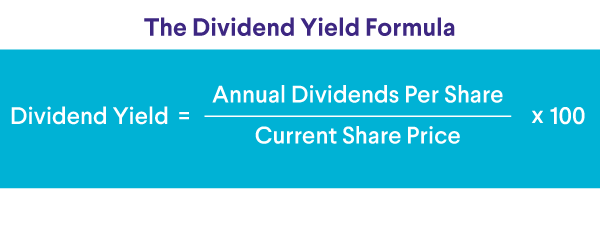
There is no guarantee that investing in dividend stocks will continue to earn you passive income. As Liz Young Thomas, Head of Investment Strategy at SoFi, points out, “A stock’s dividend yield will fluctuate because it’s based on the stock’s price and prices can be volatile. You should also consider other factors like a company’s track record of increasing the dividend, the dividend payout ratio, debt load, and cash on hand when determining the overall health of an investment.”
If you’re just getting started with investing, you may want to use automated investing tools to help you choose the appropriate allocation of assets for your goals.
Typically, an automated platform — also called a robo-advisor — is a digital investing service that provides you with a questionnaire so you can establish your financial goals, risk preferences, and time horizon.
On the backend, a sophisticated algorithm then recommends a pre-set, automated portfolio that aligns with your responses. These portfolios often have lower account minimums compared with traditional brokers, and the portfolios themselves are typically comprised of low-cost exchange-traded funds (ETFs) — which adds to the cost efficiency of some robo products.
You can use a robo investing as you would any account — for retirement, as a taxable investment account, or even for your emergency fund — and you typically invest using automatic deposits or contributions. The allocation in each portfolio is usually pre-determined, and investors cannot change the investments.
One way to earn income in a retirement account is by investing in mutual funds. You can choose the level of risk you want to take with your money by finding a mutual fund that is higher or lower risk.
When you join a company’s affiliate program, you earn a commission from every product that someone purchases from that company. In many cases, all you have to do is post the link on your blog, website, or social media pages.
10. Rent Out Your Car
Another one of the best passive income opportunities is renting out your car on a site like Turo. It’s basically the Airbnb of cars, and could generate thousands of dollars per year, in some cases.
11. Advertise on Your Car
If you have a clean driving record as well as a newer car, consider getting in touch with a car advertising agency. You simply drive around town with ads on your car and easily generate passive income.
12. Rent Your Parking Space
Do you have space in your driveway that you aren’t using? Then rent it out on platforms like Stow It, where you can find people who will pay to rent out the space.
13. Rent Storage Space
If you have extra space in your garage, shed, or storage unit, then you could start earning passive income by using a peer-to-peer storage site like Stashii to find people who need your space.
14. Invest in Real Estate Investment Trusts (REITs)
An alternative to becoming a property owner or landlord are real estate investment trusts, or REITs. REITs are publicly traded companies on the stock market that own income-producing real estate, such as apartment complexes, office buildings, retail centers, storage units, and more. They give you the chance to invest in real estate portfolios without having to manage the properties yourself. REITs sometimes come at a higher risk than other types of funds, so it’s important to research potential REITs or REIT funds, and consider how they may play a role in a diversified portfolio.
Perhaps you don’t have a car, but you do have a bike that’s just sitting around. Your bike could be a lucrative passive income source, especially if you live in a high-traffic area. List your bike on Spinlister to get started.
16. Rent Out a Room or Property
Even if you don’t own an investment property, with your landlord’s permission, you may be able to rent out a room in your apartment or list it on Airbnb.
17. Pet Sit in Your Home
If you love pets, you can earn passive income by welcoming pets into your home while their owners are on vacation. For instance, you could charge $30 to $80 per day just for running a doggy daycare. You can gain clients through word of mouth or use a site like Rover to find customers.
18. House Sit for Someone
When your friends go out of town, they may need someone to stay in their home and do simple things like water their plants and collect their mail. You can easily make money and have somewhere new to stay for a little bit. Along with making yourself available to friends, you can sign up to be a house sitter on HouseSitter.com.
19. Buy and Sell Domain Names
Some domain names are cheap, while others cost a lot of money because they are in high demand. One thing you could do to start another passive income stream is to purchase domain names you think will be popular. Purchase low for around $10 to $100 and then sell them for a much higher price later on.
20. Rent Your Tools
Have you ever done a home improvement project that required you to purchase tools? You may never need to use those tools again. Thankfully, now you can rent tools, and rent out your tools, on peer-to-peer platforms such as Sparetoolz to earn passive income.
21. Invest in Royalties
Let’s say you don’t have any songwriting ability, but you would like to make money on other artists’ work. You can invest in royalties through Royalty Exchange and earn passive income on the intellectual property.
22. Purchase a Billboard
You can make thousands of dollars per month if you own a billboard where companies can advertise their products and services. Do your research and make sure you get the right permits before committing to a billboard.
23. Purchase a Blog
If you don’t have the time or energy to create content for your own blog, then look into ones that are already successful and see if the owners are willing to sell. You could also hire someone to manage your blog so that you’re truly earning in a passive way.
24. Create an Online Course
If you have a special skill or knowledge about a certain topic, you may be able to create a video course where you teach people about that topic and charge them to take the course.
25. Sell Digital Products
You may want to research online platforms where you can sell everything from digital art to e-books. Whether you’re an artist, graphic designer, or writer, you can create digital products to sell online.
26. License Your Photos
Many companies, bloggers, and individuals use stock photos on a regular basis. You may be able to upload your best photos to stock media platforms and earn passive income on them.
27. Create a Mobile App
If you’ve been dreaming about an amazing phone app that you think a lot of other people would use, you may want to look into hiring a development team to create it.
28. Sell a Product
You may be able to earn passive income through sales of a product that you create. This could be a book that you write or a physical product that you design and make. You might also list items you already own on sites like eBay and earn extra income through those sales.
29. License Your Music
Do you love to write songs? Then you could license your music and start earning passive income. You’ll just have to team up with a music licensing company to get started.
30. Self-Publish a Book
Through platforms like Amazon’s KDP, you can self-publish a book and earn a royalty on it every time someone makes a purchase. You will be able to set the price of your book and be in full control of your book’s Amazon page, where you can list pictures of the book, reviews, and videos promoting it.
31. Sell Blank Books
You can start selling books online without having to write anything. How? By focusing on blank books, such as journals, sketchbooks, and planners. Simply find a design you believe will appeal to people and begin collecting royalties when people buy your books.
32. Create Greeting Cards
Another artistic endeavor that could be a good passive income stream is creating greeting cards that you sell to a wholesale or retail stationery company that accepts independent artist submissions.
33. Sign Up for Dropshipping
If you want to sell products and make money online but don’t want to store any of the goods, you could always look into dropshipping to create passive income. With dropshipping, you don’t have to have much money to start since you don’t need inventory to fulfill orders for customers.
34. Start a Blog
Blogging seems like a pretty cool space to operate in and gives you a lot of creative freedom. You can make your blog all about crafts, share tutorials, ideas, and more. It’s up to you how your space operates.
Blogging might seem like too much work to many people, but it doesn’t have to be a full-time job for everyone. For some people, blogging can be fun after a day at the office — and, with time and effort, it could turn into something more lucrative.
Here are a few ideas on how you can make passive income from blogging:
• Affiliate marketing
• Google AdSense: Cost Per Click and Cost Per Impression
• Sponsored posts
• Selling products
35. Start a YouTube Channel
If you enjoy creating videos more than writing, then consider starting your own YouTube channel. Once you get enough viewers, you can begin to generate passive income through YouTube advertising.
36. Publish an Ebook
Like an online course, an ebook is a way to share your expertise with the world. Anyone can self-publish a book online through services like Amazon’s Kindle Direct Publishing, iBooks Author, or Kobo Writing Life.
The percentage of royalties you earn varies depending on the publisher. Of course, the more marketing you do, the more copies you’re likely to sell — and there’s no shortage of online marketing strategies to investigate. But once you write and publish the e-book, it’s out there ready to generate passive income for you.
37. Create a Podcast
Podcasts are still popular, and they can generate some passive income for you. If you start a podcast that resonates with people, then you can grow your audience and monetize your show by sponsoring with ad partners. If you get enough listeners, you may be able to sign up for podcast advertising networks.
38. Start an ATM Business
When people are out at a bar or nightclub or they’re frequenting a cash-only business, they may need cash right away. If you own an ATM business and you place your ATM in high-traffic locations, you could start to generate passive income through surcharge fees. Typically, you could earn around $3 per withdrawal.
39. Start a Vending Machine Business
Similar to an ATM business, a vending machine business allows you to use your creativity and determine high-traffic areas where you could make a lot of money. If you buy in bulk, you’ll be able to save on the snacks and drinks you purchase for your machines.
Potential Benefits of Earning Passive Income
There are only 24 hours in a day. If you go to a job each day that pays you a set amount of money, that is the maximum amount that you’ll ever make in a 24-hour period. That is called earned income.
By investing some of that earned income into different passive income ideas, you may be able to increase your earnings. Diversifying your income stream may also improve your financial security. Some benefits of passive income are:
• More Free Time: By earning money through passive income sources, you might be able to free time in your schedule. You may choose to spend more time with your family, pursue a creative project or new business idea, or travel the world.
• Financial Security: Even if you still plan to keep your 9-to-5 job, having multiple sources of income could help increase your financial security. If you lose your job, become sick, or get injured, you may still have money coming in to cover expenses. This is especially important if you are supporting a family.
• Tax Benefits: You may want certain legal protections for your personal assets or to qualify for tax breaks. Consulting with an attorney and/or tax advisor to explore setting up a formal business structure like a sole proprietorship, a limited liability company (LLC), or a corporation, for example, might help you decide if this is a good route for your particular situation.
• Location Flexibility: If you don’t have to go into an office each day, you’ll be free to move around and, possibly, live anywhere in the world. Many streams of passive income can be managed from your phone or laptop.
• Achieve Financial Independence: The definition of financial independence is having enough income to cover your expenses without having to actively work in order to cover living expenses. This could allow you to retire early and have more freedom to live your life the way you choose. Whether you’re interested in retiring early or not, passive income can be one way to help you reach financial independence.
• Pay Off Debt: Passive income may help you to supplement your income so that you will have the opportunity to pay off any debts more quickly.
Potential Downsides of Earning Passive Income
Although it might sound like a dream come true to quit your job and travel the world, earning through passive income is not quite that simple.
• Earning Passive Income Is Not a Passive Activity: Whether you’re generating passive income through a rental income, running a blog, or in another way, you will still need to put in some time and effort. It takes upfront investment to get these income sources up and running, and they don’t always work out as planned.
If, for example, you run an Airbnb, you have to maintain the property, ensure a high-quality experience for guests, and address any issues or concerns guests may have to secure positive reviews.
• Passive Income Requires Diversity: In order to earn enough passive income to quit your job and cover all your expenses, you would most likely need more than one source of income. Although you may no longer need to clock into a 9-to-5 job, you will likely still need to spend time managing multiple income streams.
• It’s Lonely at the Top: It might sound great to never have to go to the office again and to have the freedom to travel, but earning money through passive income can become lonely.
Not having anyone to talk to during the day might make you feel lonely, and if you aren’t self-motivated, you may find it difficult to stay on task if you need to manage your passive income streams.
• Getting Started May Require Investment: Depending on how you plan to create passive income, it may require an initial financial investment. You may need money for a down payment on an investment property, the development of a product you plan to sell, or for investment into dividend stocks.
Managing Passive Income Streams
No matter which type of passive income you choose to pursue, it’s important to keep track of your personal finances and both your short-term and long-term financial goals.
Tracking multiple sources of income in a monthly budget can be a complex task. To be profitable, it’s important to pay attention to how much money you put into the maintenance of your passive income stream(s), such as property upkeep or monthly online services.
The Takeaway
Establishing passive income streams is one way to diversify your income and can help you build wealth and achieve financial freedom in the long term. There are a variety of ways to earn passive income, such as through investing, rental properties, and automated investing.
Some passive income sources require a financial commitment or upfront investment, such as purchasing a rental property, and others may require a time commitment. And passive income, of course, is rarely 100% passive. Often there is considerable time and effort that goes into setting up a passive income stream. And some sources of passive income (from investing, real estate, running a business or creative endeavor) require ongoing maintenance.
Invest in what matters most to you with SoFi Active Invest. In a self-directed account provided by SoFi Securities, you can trade stocks, exchange-traded funds (ETFs), mutual funds, alternative funds, options, and more — all while paying $0 commission on every trade. Other fees may apply. Whether you want to trade after-hours or manage your portfolio using real-time stock insights and analyst ratings, you can invest your way in SoFi's easy-to-use mobile app.
Opening and funding an Active Invest account gives you the opportunity to get up to $1,000 in the stock of your choice.¹
FAQ
Do you need to pay taxes on passive income?
In most cases, yes, you’ll need to pay income taxes (or any other applicable taxes) on the income generated by passive income streams.
What are some advantages of creating passive income streams?
Generating passive income may help you reach your financial goals sooner, pay off debt, or even achieve financial independence, though there may be some drawbacks and extra responsibilities that come along with it.
Why might it be a good idea to try and develop passive income streams?
Creating passive income streams may help diversify your income and can help you build wealth and achieve financial freedom in the long term. There are a variety of ways to earn passive income, such as through investing, rental properties, and automated investing.
INVESTMENTS ARE NOT FDIC INSURED • ARE NOT BANK GUARANTEED • MAY LOSE VALUE
SoFi Invest is a trade name used by SoFi Wealth LLC and SoFi Securities LLC offering investment products and services. Robo investing and advisory services are provided by SoFi Wealth LLC, an SEC-registered investment adviser. Brokerage and self-directed investing products offered through SoFi Securities LLC, Member FINRA/SIPC.
For disclosures on SoFi Invest platforms visit SoFi.com/legal. For a full listing of the fees associated with Sofi Invest please view our fee schedule.
Financial Tips & Strategies: The tips provided on this website are of a general nature and do not take into account your specific objectives, financial situation, and needs. You should always consider their appropriateness given your own circumstances.
Third-Party Brand Mentions: No brands, products, or companies mentioned are affiliated with SoFi, nor do they endorse or sponsor this article. Third-party trademarks referenced herein are property of their respective owners.
Mutual Funds (MFs): Investors should carefully consider the information contained in the prospectus, which contains the Fund’s investment objectives, risks, charges, expenses, and other relevant information. You may obtain a prospectus from the Fund company’s website or clicking the prospectus link on the fund's respective page at sofi.com. You may also contact customer service at: 1.855.456.7634. Please read the prospectus carefully prior to investing.Mutual Funds must be bought and sold at NAV (Net Asset Value); unless otherwise noted in the prospectus, trades are only done once per day after the markets close. Investment returns are subject to risk, include the risk of loss. Shares may be worth more or less their original value when redeemed. The diversification of a mutual fund will not protect against loss. A mutual fund may not achieve its stated investment objective. Rebalancing and other activities within the fund may be subject to tax consequences.
Exchange Traded Funds (ETFs): Investors should carefully consider the information contained in the prospectus, which contains the Fund’s investment objectives, risks, charges, expenses, and other relevant information. You may obtain a prospectus from the Fund company’s website or by emailing customer service at [email protected]. Please read the prospectus carefully prior to investing.
Investment Risk: Diversification can help reduce some investment risk. It cannot guarantee profit, or fully protect in a down market.
Tax Information: This article provides general background information only and is not intended to serve as legal or tax advice or as a substitute for legal counsel. You should consult your own attorney and/or tax advisor if you have a question requiring legal or tax advice.
¹Probability of Member receiving $1,000 is a probability of 0.026%; If you don’t make a selection in 45 days, you’ll no longer qualify for the promo. Customer must fund their account with a minimum of $50.00 to qualify. Probability percentage is subject to decrease. See full terms and conditions.
An investor should consider the investment objectives, risks, charges, and expenses of the Fund carefully before investing. This and other important information are contained in the Fund’s prospectus. For a current prospectus, please click the Prospectus link on the Fund’s respective page. The prospectus should be read carefully prior to investing.
Alternative investments, including funds that invest in alternative investments, are risky and may not be suitable for all investors. Alternative investments often employ leveraging and other speculative practices that increase an investor's risk of loss to include complete loss of investment, often charge high fees, and can be highly illiquid and volatile. Alternative investments may lack diversification, involve complex tax structures and have delays in reporting important tax information. Registered and unregistered alternative investments are not subject to the same regulatory requirements as mutual funds.
Please note that Interval Funds are illiquid instruments, hence the ability to trade on your timeline may be restricted. Investors should review the fee schedule for Interval Funds via the prospectus.
Third Party Trademarks: Certified Financial Planner Board of Standards Center for Financial Planning, Inc. owns and licenses the certification marks CFP®, CERTIFIED FINANCIAL PLANNER®
This article is not intended to be legal advice. Please consult an attorney for advice.
An IPO subscription status describes the position of a company’s initial public offering (or IPO), as it relates to how many committed investors it has prior to the actual IPO.
For example, an IPO may be “fully subscribed,” “undersubscribed,” or “oversubscribed.”
Many investors are intrigued by IPOs, because it’s an opportunity to put money into a relatively early-stage company that has room to grow over time. Some companies draw more investor interest than others, and the IPO’s subscription status is one way to gauge that, because investors sign up with the intent to purchase a certain number of shares.
A company’s IPO subscription status doesn’t guarantee that the stock will perform one way or another. It’s just a preliminary indicator that may help interested investors navigate a potentially risky investment move.
Key Points
• An IPO subscription status describes the position of a company’s initial public offering (IPO) with respect to how many committed investors it has before the actual IPO.
• An IPO is when a company offers shares for sale to members of the general public for the first time through a stock exchange.
• Knowing an IPO’s subscription status can give investors an indication of how much demand there is for shares, and how an IPO stock may perform once it hits the exchanges.
• Typically, only certain investors can participate in IPO bidding and subscribe to an IPO.
• Individual investors may not have access to IPO subscriptions, but research can help them find the right companies to invest in as they go public.
IPO Review
“IPO” is an acronym that stands for “initial public offering.” It represents the first time that a company offers shares for sale to members of the general public through a stock exchange. Prior to an IPO, you would not be able to find a company’s stock trading on an exchange such as the New York Stock Exchange, for example.
Prior to going through the IPO process, a company is private, and its investors usually include its founders, employees, and venture capitalists. A private company usually decides to go public to attract additional investment.
But it’s the tricky period before an IPO, when a company is still private, that many prospective eligible investors look to make a move and get in early. This is when investors “subscribe” to an IPO, which means they’re agreeing or signaling their intent to buy a company’s stock prior to its IPO.
When the IPO executes, those investors may be able to purchase the number of shares to which they previously agreed. Typically, only certain investors can participate in IPO bidding and subscribe to an IPO.
💡 Quick Tip: The best stock trading app? That’s a personal preference, of course. Generally speaking, though, an effective app is one with an intuitive interface and powerful features to help make trades quickly and easily.
IPO Subscription Status Defined
A company’s IPO subscription status is a gauge of demand for an IPO. It refers to how many investors have subscribed, or signaled their intention to buy shares in the company. The goal of an IPO is for a company to sell all of its shares — or, to reach an IPO subscription status of fully subscribed, and a valuation in line with its calculations for pricing its IPO.
In that event, all of a company’s shares are spoken for prior to hitting the exchanges, and any leftover shares won’t see their values reduced in order to attract buyers. Early investors looking to cash out after an IPO typically must wait for the lock-up period to expire before they can sell their shares.
Keep in mind that many IPO stocks in the U.S. are bought by large, institutional investors involved with the IPO’s underwriter, an investment bank that helps a company prepare for an IPO and purchases shares in the company and resells them. But although the average retail investor is not typically included in an IPO roadshow, they may still be able to buy an IPO stock at its offering price.
Some brokerages have programs that allow qualified investors to request IPO stocks at their offering price, but there’s no guarantee those investors will actually get the shares.
An IPO’s subscription status matters in that it can give investors a sense of how an IPO stock may perform once it hits the exchanges.
Shows Demand of IPO Shares
Knowing an IPO’s subscription status can give investors an inkling as to how much demand there is for shares — if demand is high (meaning an IPO is fully or oversubscribed), it’s a signal that an IPO stock may gain value after its market debut. But it’s not a guarantee.
Conversely, an undersubscribed IPO sends a signal that investors aren’t that interested. And when stocks do hit the exchanges, they may see a price reduction soon thereafter.
💡 Quick Tip: Access to IPO shares before they trade on public exchanges has usually been available only to large institutional investors. That’s changing now, and some brokerages offer pre-listing IPO investing to qualified investors.
The Takeaway
While individual investors may not have access to IPO subscriptions, they can still participate in the IPO market. The key is doing thorough research to find the right companies to invest in as they go public.
Whether you’re curious about exploring IPOs, or interested in traditional stocks and exchange-traded funds (ETFs), you can get started by opening an account on the SoFi Invest® brokerage platform. On SoFi Invest, eligible SoFi members have the opportunity to trade IPO shares, and there are no account minimums for those with an Active Investing account. As with any investment, it's wise to consider your overall portfolio goals in order to assess whether IPO investing is right for you, given the risks of volatility and loss.
Invest with as little as $5 with a SoFi Active Investing account.
FAQ
How many times can an IPO be oversubscribed?
IPOs get oversubscribed frequently, which means that more investors want to buy shares than a company has available to issue. There isn’t really a limit as to how many times it can be oversubscribed, but depending on the category of investor, it’s not uncommon for IPOs to be oversubscribed dozens or even hundreds of times.
What is an IPO subscription rate?
IPO subscription rates are an estimate of how many bids are received for each investor category (such as retail investors and institutional investors), divided by the number of shares allotted for each category by the company. This helps determine the level of participation among investors in each category.
What does IPO subscribed 2 times mean?
Essentially, it means that demand for IPO shares is twice as high as the number of available shares. The degree of oversubscription is typically shown as a multiple, such as two times, or five times, or whatever the multiple might be. The higher the multiple, the more demand there is for shares.
What happens if an IPO is not fully subscribed?
If an IPO is not fully subscribed, a company may lower the price of its shares or reduce the number of them to try to attract more investors. Undersubscription typically signals low investor confidence and demand.
Photo credit: iStock/SeventyFour
INVESTMENTS ARE NOT FDIC INSURED • ARE NOT BANK GUARANTEED • MAY LOSE VALUE
SoFi Invest is a trade name used by SoFi Wealth LLC and SoFi Securities LLC offering investment products and services. Robo investing and advisory services are provided by SoFi Wealth LLC, an SEC-registered investment adviser. Brokerage and self-directed investing products offered through SoFi Securities LLC, Member FINRA/SIPC.
For disclosures on SoFi Invest platforms visit SoFi.com/legal. For a full listing of the fees associated with Sofi Invest please view our fee schedule.
Investing in an Initial Public Offering (IPO) involves substantial risk, including the risk of loss. Further, there are a variety of risk factors to consider when investing in an IPO, including but not limited to, unproven management, significant debt, and lack of operating history. For a comprehensive discussion of these risks please refer to SoFi Securities’ IPO Risk Disclosure Statement. This should not be considered a recommendation to participate in IPOs and investors should carefully read the offering prospectus to determine whether an offering is consistent with their investment objectives, risk tolerance, and financial situation. New offerings generally have high demand and there are a limited number of shares available for distribution to participants. Many customers may not be allocated shares and share allocations may be significantly smaller than the shares requested in the customer’s initial offer (Indication of Interest). For more information on the allocation process please visit IPO Allocation Procedures.
An investor should consider the investment objectives, risks, charges, and expenses of the Fund carefully before investing. This and other important information are contained in the Fund’s prospectus. For a current prospectus, please click the Prospectus link on the Fund’s respective page. The prospectus should be read carefully prior to investing.
Alternative investments, including funds that invest in alternative investments, are risky and may not be suitable for all investors. Alternative investments often employ leveraging and other speculative practices that increase an investor's risk of loss to include complete loss of investment, often charge high fees, and can be highly illiquid and volatile. Alternative investments may lack diversification, involve complex tax structures and have delays in reporting important tax information. Registered and unregistered alternative investments are not subject to the same regulatory requirements as mutual funds.
Please note that Interval Funds are illiquid instruments, hence the ability to trade on your timeline may be restricted. Investors should review the fee schedule for Interval Funds via the prospectus.
Financial Tips & Strategies: The tips provided on this website are of a general nature and do not take into account your specific objectives, financial situation, and needs. You should always consider their appropriateness given your own circumstances.
Following an initial public offering (IPO), there is frequently a lock-up period to prevent major stakeholders from selling their shares, which could potentially flood the market and cause the share price to drop.
IPO lock-up periods don’t pertain to all investors in an IPO, but they do apply to certain shareholders. Here’s what to know about lock-up periods and how they work in an IPO.
Key Points
• An IPO lock-up period is a period of time after a company goes public during which employees of the company and early investors are prohibited from selling their shares.
• Companies or investment banks impose the lock-up period, which usually lasts between 90 and 180 days.
• The purpose of the lock-up period is to stop company insiders and early investors from cashing out too quickly and to maintain a stable share price.
• Companies may use the lock-up period to avoid flooding the market with shares, create confidence in the company’s fundamentals, and help prevent insider trading.
• Investors may want to pay attention to the lock-up period when investing in IPOs, as it can affect the risk of investing in the company.
What Is an IPO Lock-up Period?
The IPO lock-up period is the time after a company goes public during which company insiders — such as founders, managers and employees — and early investors, including venture capitalists, are not allowed to sell their shares.
These restrictions are not mandated by the Securities and Exchange Commission (SEC), but instead are self-imposed by the company going public or they are contractually required by the investment banks that were hired as underwriters to advise and manage the IPO process.
Lock-up periods are usually between 90 and 180 days after the IPO. Companies may also decide to have staggered lock-up periods that end on different dates and allow various groups of shareholders to sell their shares at different times.
How the IPO Lock-Up Period Works
The IPO lock-up period is typically put into place by the company going public or the investment bank underwriting the IPO. An agreement is reached with company insiders and early investors specifying that they are prohibited from selling their shares for a specific period of time after the IPO.
The purpose of the lock-up period is to prevent a sudden flood of shares on the market that could reduce the stock price. The lock-up period also sends a signal to the market that company insiders are confident in the company’s prospects and committed to its success.
Once the lock-up period is over (typically in 90 to 180 days), insiders are allowed to sell their shares if they wish.
What Does “Going Public” Mean?
Going public with an IPO means that shares of a company are being offered on the public stock market for the first time. The company is shifting from a privately-held company to a publicly traded company.
When a company is private, ownership is limited and can be tightly controlled. But when a company goes public, investors can buy shares on the public market.
It’s worth noting that when a company first goes public, there may already be a series of shareholders in the company. Founders, employees, and even venture capitalists may already own shares or have stock options in the company.
💡 Quick Tip: Keen to invest in an initial public offering, or IPO? Be sure to check with your brokerage about what’s required. Typically IPO stock is available only to eligible investors.
What Is IPO Underwriting?
Before a company goes public, it generally goes through a process in which an underwriter — usually an investment bank — does IPO due diligence and helps come up with the valuation of the company, the share price of the stock, and the size of the stock offering on the market.
The underwriter also typically buys all of or a portion of the shares. They then allocate shares to institutional investors before the IPO.
The IPO underwriter will try to generate a lot of interest in the stock so that there will be high demand for it. This may lead to the stock being oversubscribed, which could lead to a higher trading price when it hits the market.
A company or its underwriters might use the lock-up period as a tool to bolster the share price during the IPO, to prevent a sharp increase in shares from flooding the market, and to build confidence in the company’s future.
For instance, with tech startups, a great proportion of compensation may be paid out to employees through equity options or restricted trading units. In order to avoid flooding the market with shares when employees exercise these contracts, the lock-up restrictions prevent them from selling their stock until after the lock-up period is over.
A lock-up period typically has several different functions in an IPO, including the following:
Ensuring Share-Price Stability
Company insiders, like employees and angel investors, can own shares in a company before it goes public. Since share prices are set by supply and demand, extra shares can drive down the price of the stock. A lock-up period helps stabilize the stock price by preventing these extra shares from being sold for a certain amount of time.
Avoiding Insider Trading
To help avoid insider trading, company insiders may have extra restrictions regarding the lock-up period before selling their shares. That’s because company insiders might have information that is not available to the general public that could help them predict how their stock might do.
For example, if a company is about to report its earnings around the same time a lock-up period is set to end, insiders may be required to wait for that information to be public before they can sell any shares.
Public Image
Lock-up periods can also be a way for companies to build confidence in their future performance. When company insiders hold onto their shares, it can signal to investors that they have faith in the strength of the company.
On the other hand, if company insiders start to sell their stock, investors may get nervous and be tempted to sell as well. As demand falls, the price of the stock usually does, too, and the company’s reputation may be damaged.
The lock-up period can help keep this from happening while it’s in place.
💡 Quick Tip: Before opening any investment account, consider what level of risk you are comfortable with. If you’re not sure, start with more conservative investments, and then adjust your portfolio as you learn more.
What’s an Example of a Lock-up Period?
To give a hypothetical example of how a lock-up period could work, let’s say Business X — a unicorn company — went public with an IPO in March. The company set a lock-up period of four months. In July, the lock-up period ended and early investors and insiders sold up to 400 million shares of the company. As the new shares hit the market, the stock dropped by as much as 5%, but ended the day down just 1%.
What Does the Lock-up Period Mean for Employees with Stock Options?
Restrictions imposed during a lock-up period usually apply to any stock options employees have been given by the company before an IPO. Stock options are essentially an agreement that allows employees to buy stock in the company at a predetermined price.
The idea behind this type of compensation is that the company is trying to align employees’ incentives with its own. Theoretically, by giving employees stock options, the employees will have an interest in seeing the company do well and increase in value.
There’s usually a vesting period before employees can exercise their stock options, during which the value of the stock can increase. At the end of the vesting period, employees are generally able to exercise their options, sell the stock, and keep the profits.
If their stock options vest before the IPO, employees may have to wait until after the lock-up period to exercise their options.
How Does the IPO Lock-Up Period Affect Investors?
Most public investors that buy IPO stocks won’t be directly affected by the lock-up period because they didn’t own shares of the company before it went public. However, the lock-up period can reduce the supply of available shares on the market, keeping the stock price relatively stable.
But when the lock-up period ends, if a surge in shares suddenly hits the market, this could lead to volatility and cause the price of the shares to drop. Investors should be aware of these possibilities, do thorough research and due diligence, and carefully consider the risks before buying shares in an IPO.
Reading the IPO Prospectus
You can find information on a company’s lock-up period in its prospectus, the detailed disclosure document filed with the SEC as part of the IPO process. Investors can locate a company’s prospectus by using the SEC’s EDGAR database and searching for the company by name. Then, on the company’s filing page, look for Form S-1, which is the initial registration statement. The prospectus should be included in that filing.
Waiting to Buy Until After Lock-ups End
Investors considering investing in an IPO may choose to hold off until the lock-up period is over. The reason: When the lock-up ends and company insiders are free to sell their shares, the stock price may experience volatility as the new shares enter the market. This could potentially cause a drop in a stock’s price.
Some investors may want to take advantage of the dip that could occur when a lock-up period ends, especially if they believe the long-term fundamentals of the company are strong. However, this type of timing-the-market strategy can be very risky. It depends on a number of variables, including the company itself and market conditions. In other words, there is no guarantee that it will produce good results.
The Takeaway
A lock-up period can follow an IPO. It’s a period of time during which company insiders and early investors are prohibited from selling shares of the company. One of the main purposes of a lock-up period is to keep these stakeholders’ shares from flooding the market, and to help stabilize the stock price of a newly public company.
Understanding how a lock-up period works — and how it might affect the price of a stock — can be helpful to investors who may be interested in buying shares of an IPO on the public market.
Whether you’re curious about exploring IPOs, or interested in traditional stocks and exchange-traded funds (ETFs), you can get started by opening an account on the SoFi Invest® brokerage platform. On SoFi Invest, eligible SoFi members have the opportunity to trade IPO shares, and there are no account minimums for those with an Active Investing account. As with any investment, it's wise to consider your overall portfolio goals in order to assess whether IPO investing is right for you, given the risks of volatility and loss.
Invest with as little as $5 with a SoFi Active Investing account.
FAQ
What is the purpose of a lock-up period?
The purpose of a lock-up period is to prevent company insiders and early investors from selling shares of stock right away, which could flood the market and cause the price of the stock to drop. A lock-up period can help stabilize the stock price and also send a message to the market that company insiders are committed to the company and confident in its future performance.
How do I know if an IPO has a lock-up period?
To find out if an IPO has a lock-up period, you can use the Securities and Exchange Commission’s EDGAR database. Search for the company by name, and on their listing page, look for a Form S-1, which is the company’s initial registration statement. In that filing, you should find the company’s prospectus, which will have information about the lock-up period if there is one.
What is the lock-up period for IPO employees?
A lock-up period is designed to prevent company insiders, including employees, from selling their stock quickly after a company goes public. That could cause the stock price to drop and might also signal that the employees don’t have confidence in the company. A lock-up period typically lasts 90 to 180 days.
INVESTMENTS ARE NOT FDIC INSURED • ARE NOT BANK GUARANTEED • MAY LOSE VALUE
SoFi Invest is a trade name used by SoFi Wealth LLC and SoFi Securities LLC offering investment products and services. Robo investing and advisory services are provided by SoFi Wealth LLC, an SEC-registered investment adviser. Brokerage and self-directed investing products offered through SoFi Securities LLC, Member FINRA/SIPC.
For disclosures on SoFi Invest platforms visit SoFi.com/legal. For a full listing of the fees associated with Sofi Invest please view our fee schedule.
Investing in an Initial Public Offering (IPO) involves substantial risk, including the risk of loss. Further, there are a variety of risk factors to consider when investing in an IPO, including but not limited to, unproven management, significant debt, and lack of operating history. For a comprehensive discussion of these risks please refer to SoFi Securities’ IPO Risk Disclosure Statement. This should not be considered a recommendation to participate in IPOs and investors should carefully read the offering prospectus to determine whether an offering is consistent with their investment objectives, risk tolerance, and financial situation. New offerings generally have high demand and there are a limited number of shares available for distribution to participants. Many customers may not be allocated shares and share allocations may be significantly smaller than the shares requested in the customer’s initial offer (Indication of Interest). For more information on the allocation process please visit IPO Allocation Procedures.
An investor should consider the investment objectives, risks, charges, and expenses of the Fund carefully before investing. This and other important information are contained in the Fund’s prospectus. For a current prospectus, please click the Prospectus link on the Fund’s respective page. The prospectus should be read carefully prior to investing.
Alternative investments, including funds that invest in alternative investments, are risky and may not be suitable for all investors. Alternative investments often employ leveraging and other speculative practices that increase an investor's risk of loss to include complete loss of investment, often charge high fees, and can be highly illiquid and volatile. Alternative investments may lack diversification, involve complex tax structures and have delays in reporting important tax information. Registered and unregistered alternative investments are not subject to the same regulatory requirements as mutual funds.
Please note that Interval Funds are illiquid instruments, hence the ability to trade on your timeline may be restricted. Investors should review the fee schedule for Interval Funds via the prospectus.
Options involve risks, including substantial risk of loss and the possibility an investor may lose the entire amount invested in a short period of time. Before an investor begins trading options they should familiarize themselves with the Characteristics and Risks of Standardized Options . Tax considerations with options transactions are unique, investors should consult with their tax advisor to understand the impact to their taxes.
Financial Tips & Strategies: The tips provided on this website are of a general nature and do not take into account your specific objectives, financial situation, and needs. You should always consider their appropriateness given your own circumstances.
Disclaimer: The projections or other information regarding the likelihood of various investment outcomes are hypothetical in nature, do not reflect actual investment results, and are not guarantees of future results.
External Websites: The information and analysis provided through hyperlinks to third-party websites, while believed to be accurate, cannot be guaranteed by SoFi. Links are provided for informational purposes and should not be viewed as an endorsement.
An initial public offering (IPO) underwriter is typically a large investment bank that works closely with a company to issue stock on the public markets. The underwriters are usually IPO specialists who work for the investment bank.
In the world of equities, underwriters work with private companies to value their operations, connect with potential investors, and issue stock on a public exchange for the first time.
Key Points
• An IPO underwriter is typically a large investment bank that works closely with a company to issue stock on the public markets.
• An underwriter helps create the market for the stock by contacting potential investors and setting the IPO price.
• The underwriter also conducts due diligence, does regulatory filings, and issues a prospectus about the company.
• IPO underwriters need a Bachelor’s degree, but it also helps to have certain other skills and experience in economics and math.
• The IPO underwriting process takes as little as six months or more than a year from start to finish.
What Is an IPO Underwriter?
IPO underwriters guide the company that’s issuing stock through the IPO process, making sure they satisfy all of the regulatory requirements imposed by the Securities and Exchange Commission (SEC), as well as the rules imposed by the exchange, such as the Nasdaq and the New York Stock Exchange (NYSE).
Aside from the fact that an underwriter is required during the IPO process, there are many benefits to this role. An IPO’s underwriter helps create the market for the stock by contacting a wide range of institutional investors, including mutual funds, insurance companies, pension funds and more.
Key Functions of an IPO Underwriter
An IPO underwriter reaches out to this network of investors to gauge their interest in the company’s stock, and to see what those investors might be willing to pay. The underwriter uses those conversations to set the price of the IPO.
From there, the underwriter of an IPO works with the company issuing the stock through the many steps that lead up to its IPO. Depending on the type of deal the underwriter and the company issuing the IPO have, the underwriter may or may not be responsible for purchasing any unsold shares at the price it set for the IPO.
The way that IPO underwriters get paid depends on the structure of the deal. Typically, IPO underwriters buy the entire IPO issue and then resell the stocks, keeping any profits, though in some cases they receive a flat fee for their services.
💡 Quick Tip: Look for an online brokerage with low trading commissions as well as no account minimum. Higher fees can cut into investment returns over time.
What Is IPO Underwriting?
An IPO is the process through which a private company “goes public”, and has its shares sold to regular investors on a public market. The company issuing stock works with the IPO underwriters throughout the process to determine how to price their stock and generate interest among potential investors.
Many companies find their way to the investing public through a group of underwriters who temporarily join forces to purchase the shares and then sell them to investors. These are groups of investment banks and broker-dealers. Some of these “underwriting syndicates,” as they’re known, sell exclusively to institutional investors.
What Does an IPO Underwriter Do?
In essence, an underwriter in an IPO is the intermediary between a company’s executives and owners (including venture capitalists) who are seeking to issue shares of stock and public-market investors.
When a company seeks funding from the capital markets, it must make dozens of decisions. How much money does the company want to raise? How much ownership will it cede to shareholders? What type of securities should it issue? The company must also determine what kind of relationship the company wants to have with its underwriter.
Underwriting agreements take different forms, but in the most common agreement, the underwriter agrees to purchase all the stock issued in the IPO, and sell those shares to the public at the price that the company and the underwriter mutually agree to. In this agreement, the underwriter assumes the risk that people won’t buy the company’s stock.
Sometimes a company works with a group of underwriters who assume the risk and help the company work through the many steps toward an IPO. This involves issuing an S-1 statement. This is the registration form that any company needs to file with the Securities and Exchange Commission (SEC) to issue new securities.
The S-1 statement is how companies introduce themselves to the investing public. S-1 requires companies to lay out plans for the money they hope to raise. The IPO underwriter also creates a draft prospectus for would-be investors.
💡 Quick Tip: IPO stocks can get a lot of media hype. But savvy investors know that where there’s buzz there can also be higher-than-warranted valuations. IPO shares might spike or plunge (or both), so investing in IPOs may not be suitable for investors with short time horizons.
What Qualifications Does an IPO Underwriter Need?
Becoming an IPO underwriter, and bringing private companies into the public marketplace, requires understanding how businesses work, and how the equity markets function.
At minimum an IPO underwriter needs a Bachelor’s degree, but it helps to have certain other skills and experience. For example, would-be underwriters might consider a background in economics as well as math. Underwriters generally need good analytical, communication, and computer skills.
Educational and Professional Requirements
There are a number of certifications that apply in the underwriting field in general, but there isn’t a specific designation for IPO underwriters. It can be more common for someone who wants to work with IPOs to get their Masters in Business Administration (MBA), and from there to work at an investment bank.
The IPO Underwriting Process
Underwriting an IPO can take as little as six months from start to finish, though it often takes more than a year. While every IPO is unique, there are generally five steps that are common to every IPO underwriting process.
Step 1. Selecting an Investment Bank or Broker Dealer
The issuing company selects an underwriter, usually an investment bank. It may also select a group or syndicate of underwriters. In that case, one bank is selected as the lead underwriter known as the book runner.
One kind of agreement between the issuing company and the underwriter is called a “firm commitment,” which guarantees that the IPO will raise a certain sum of money. Or they may sign a “best efforts agreement,” in which the underwriter does not guarantee the amount of money they will raise. They may also sign an “all or none agreement.” In this agreement, the underwriter will sell all of the shares in the IPO, or call off the IPO altogether.
There is also an engagement letter, which often includes a reimbursement clause that requires the issuing company to cover all the underwriter’s out-of-the-pocket expenses if the IPO is withdrawn at any stage.
Step 2. Conduct Due Diligence and Start on Regulatory Filings
The underwriter and the issuing company then create an S-1 registration statement. The SEC then does its own due diligence on the required details in that document. While the SEC is reviewing it, the underwriter and the company will issue a draft prospectus that includes more details about the issuing company. They use this document to pitch the company’s shares to investors in meetings known as IPO roadshows. These roadshows usually last for three to four weeks, and are essential to gauging the demand for the shares.
Step 3. Pricing the IPO
Once the SEC approves the IPO, the underwriter decides the effective date of the shares. The day before that effective date, the issuing company and the underwriter meet to set the price of the shares. Underwriters often underprice IPOs to ensure that they sell all of their shares, even though that means less money for the issuing company.
Step 4. Aftermarket Stabilization
The underwriter’s work continues after the IPO. They will provide analyst recommendations, and create a secondary market for the stock. The underwriter’s stabilization responsibilities only last for a short period of time.
Step 5. Transition to Market Competition
This final stage of the process begins 25 days after the IPO date, which is the end of the “quiet period,” required by the SEC. During this period, company executives can not share any new information about the company, and investors go from trading based on the company’s regulatory disclosures to using market forces to make their decisions.
After the quiet period ends, underwriters can give estimates of the earnings and stock price of the company.
Some companies also have a lock-up period before and after they go public, in which early employees and investors are not allowed to sell or trade their shares.
The Takeaway
The IPO underwriter, typically a large investment bank, plays a vital role in the process of taking a company public.
They help to guide the company through the many hurdles required to go public, including making sure the fledgling company meets all the criteria required by regulators and by the public exchanges. The IPO underwriter helps drum up investor interest in the new company and in setting the initial valuation for the stock.
Whether you’re curious about exploring IPOs, or interested in traditional stocks and exchange-traded funds (ETFs), you can get started by opening an account on the SoFi Invest® brokerage platform. On SoFi Invest, eligible SoFi members have the opportunity to trade IPO shares, and there are no account minimums for those with an Active Investing account. As with any investment, it's wise to consider your overall portfolio goals in order to assess whether IPO investing is right for you, given the risks of volatility and loss.
Invest with as little as $5 with a SoFi Active Investing account.
FAQ
What are the responsibilities and duties of an IPO underwriter?
IPO underwriters have numerous responsibilities. They not only shepherd the private company through the IPO process, they reach out to institutional investors including mutual funds to gauge interest and set the initial price of the stock. They buy the securities from the issuer, and sell the IPO stock to investors via their distribution network.
Can multiple underwriters be involved in an IPO?
Yes. Sometimes more than one underwriter is required to help a company meet all the criteria set by the SEC and by the public exchanges. There may even be groups of investment banks and broker-dealers working together on an IPO, depending how big it is. This is typically known as an underwriting syndicate.
What criteria do companies consider when selecting an IPO underwriter?
The experience and reputation of the underwriter are important criteria companies use when selecting an underwriter. Companies may also consider an underwriter’s distribution network as well as their fees and terms.
Can the performance of an IPO underwriter impact the success of the IPO?
Yes. Some industry data suggests that the better an underwriter’s reputation, the more accurate the initial pricing is, and the less likely there will be long-term underperformance.
Photo credit: iStock/katleho Seisa
INVESTMENTS ARE NOT FDIC INSURED • ARE NOT BANK GUARANTEED • MAY LOSE VALUE
SoFi Invest is a trade name used by SoFi Wealth LLC and SoFi Securities LLC offering investment products and services. Robo investing and advisory services are provided by SoFi Wealth LLC, an SEC-registered investment adviser. Brokerage and self-directed investing products offered through SoFi Securities LLC, Member FINRA/SIPC.
For disclosures on SoFi Invest platforms visit SoFi.com/legal. For a full listing of the fees associated with Sofi Invest please view our fee schedule.
Investing in an Initial Public Offering (IPO) involves substantial risk, including the risk of loss. Further, there are a variety of risk factors to consider when investing in an IPO, including but not limited to, unproven management, significant debt, and lack of operating history. For a comprehensive discussion of these risks please refer to SoFi Securities’ IPO Risk Disclosure Statement. This should not be considered a recommendation to participate in IPOs and investors should carefully read the offering prospectus to determine whether an offering is consistent with their investment objectives, risk tolerance, and financial situation. New offerings generally have high demand and there are a limited number of shares available for distribution to participants. Many customers may not be allocated shares and share allocations may be significantly smaller than the shares requested in the customer’s initial offer (Indication of Interest). For more information on the allocation process please visit IPO Allocation Procedures.
An investor should consider the investment objectives, risks, charges, and expenses of the Fund carefully before investing. This and other important information are contained in the Fund’s prospectus. For a current prospectus, please click the Prospectus link on the Fund’s respective page. The prospectus should be read carefully prior to investing.
Alternative investments, including funds that invest in alternative investments, are risky and may not be suitable for all investors. Alternative investments often employ leveraging and other speculative practices that increase an investor's risk of loss to include complete loss of investment, often charge high fees, and can be highly illiquid and volatile. Alternative investments may lack diversification, involve complex tax structures and have delays in reporting important tax information. Registered and unregistered alternative investments are not subject to the same regulatory requirements as mutual funds.
Please note that Interval Funds are illiquid instruments, hence the ability to trade on your timeline may be restricted. Investors should review the fee schedule for Interval Funds via the prospectus.
Financial Tips & Strategies: The tips provided on this website are of a general nature and do not take into account your specific objectives, financial situation, and needs. You should always consider their appropriateness given your own circumstances.
Mutual Funds (MFs): Investors should carefully consider the information contained in the prospectus, which contains the Fund’s investment objectives, risks, charges, expenses, and other relevant information. You may obtain a prospectus from the Fund company’s website or clicking the prospectus link on the fund's respective page at sofi.com. You may also contact customer service at: 1.855.456.7634. Please read the prospectus carefully prior to investing.Mutual Funds must be bought and sold at NAV (Net Asset Value); unless otherwise noted in the prospectus, trades are only done once per day after the markets close. Investment returns are subject to risk, include the risk of loss. Shares may be worth more or less their original value when redeemed. The diversification of a mutual fund will not protect against loss. A mutual fund may not achieve its stated investment objective. Rebalancing and other activities within the fund may be subject to tax consequences.
External Websites: The information and analysis provided through hyperlinks to third-party websites, while believed to be accurate, cannot be guaranteed by SoFi. Links are provided for informational purposes and should not be viewed as an endorsement.