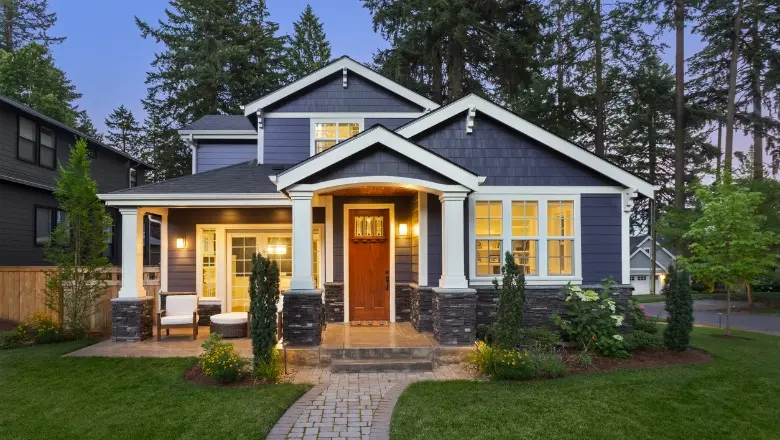
Homebuyers choose the number of years they’d like their mortgage to last. The 30-year fixed-rate mortgage is by far the most popular, followed by the 15-year fixed-rate mortgage, but terms of 10, 20, 25, and even 40 years are available. The term that will work best for each borrower largely depends on the monthly mortgage payment they can handle and how long they plan to keep the property.
• A mortgage term is the number of years it will take to pay off a home loan.
• Borrowers most often choose a 30-year or 15-year fixed-rate mortgage.
• Shorter mortgage terms generally mean higher monthly payments but less total interest paid and a lower interest rate.
• Adjustable-rate mortgages (ARMs) can start with lower rates but involve the risk of payment increases when the rate adjusts.
• Choosing the best mortgage term depends on your budget, how long you plan to stay in the home, and your overall financial goals.
What Is a Mortgage Term?
The term is the number of years it will take to pay off a home loan if the minimum payment is made each month. Knowing how long you plan to stay in your home can affect the type of home loan that fits your situation when you shop for a mortgage — not only short or long term, but also fixed or adjustable interest rate.
Of course, every borrower’s situation is unique. But according to the National Association of Realtors®, in 2024, people who were selling homes had typically lived in the property for a decade. So it might be reasonable to expect that you’ll spend 10 years in the home unless you already know otherwise.
Get matched with a local
real estate agent and earn up to
$9,500‡ cash back when you close.
Pair up with a local real estate agent through HomeStory and unlock up to $9,500 cash back at closing.‡ Average cash back received is $1,700.
💡 Quick Tip: SoFi’s Lock and Look + feature allows you to lock in a low mortgage financing rate for 90 days while you search for the perfect place to call home.
How Mortgage Terms Work
For fixed-rate home loans, payments consist of principal and interest, with one consistent interest rate for the life of the loan. With mortgage amortization, the amount going toward the principal starts out small and grows each month, while the amount going toward interest declines each month.
A shorter term, conventional loan generally translates to higher monthly payments but less total interest paid, and a longer term, vice versa. A shorter-term loan also will have a lower interest rate. A mortgage calculator tool can show you the total amount of interest paid, which in a fixed-rate loan is predictable.
Most adjustable-rate mortgages (ARMs) also have a 30-year term. You can’t know in advance how much total interest you will pay because the interest rate changes.
How Long Can a Mortgage Term Be?
A few lenders out there offer 40-year mortgages. Qualifying is more difficult, and the rates are the highest among fixed-rate loans, while 40-year loans with adjustable rates can be unpredictable. The long term means a borrower will make the lowest possible monthly payments but pay more over the life of the loan than any other.
💡 Quick Tip: Not to be confused with prequalification, preapproval involves a longer application, documentation, and hard credit pulls. Ideally, you want to keep your applications for preapproval to within the same 14- to 45-day period, since many hard credit pulls outside the given time period can adversely affect your credit score, which in turn affects the mortgage terms you’ll be offered.
Fixed-Rate Mortgages vs. Adjustable-Rate Mortgages
When you’re first choosing mortgage terms or looking at different types of mortgages, start with one of the basic quesitons: Will the rate change over time or not?
A fixed-rate mortgage is exactly what it sounds like. You lock in an interest rate for the entire term. If market rates rise, yours will not.
An adjustable-rate mortgage is much more complicated. An ARM usually will have a lower initial rate than a comparable fixed-rate mortgage, and a borrower may be able to save significant cash over the first years of the loan.
But a rate adjustment can bring a spike in mortgage payments that could be hard or impossible to bear. With the most common variable-rate loan, the 5/1 ARM, the rate stays the same for the first five years, then changes once a year.
An interest-only ARM has an upside and downside. You’ll pay only the interest for a specified number of years, when payments will be small, but you will not be paying anything toward your mortgage loan balance.
An ARM may suit those who are confident that they can afford increases in monthly payments, even to the maximum amount, or those who plan to sell their home within a short period of time.
ARM seekers may want to prequalify for more than one loan and compare loan estimates. It’s a good idea to know the answers to these questions:
• How high can the interest rates and my payment go?
• How high can my interest rate go?
• How long are my initial payments guaranteed?
• How often do the rate and payment adjust?
• What index is used and where is it published?
• Will I be able to convert the ARM to a fixed-rate mortgage in the future, and are there any fees to do so?
• Can I afford the highest payment possible if I can’t sell the home, or refinance, before the increase?
Comparing 15-Year and 30-Year Mortgages
Clearly, paying off a mortgage in 15 years rather than 30 sounds great. You’ll get a lower rate, pay much less total interest, and be done with house payments in half the time. The catch? Higher monthly payments. Here’s an example of how a 30- and 15-year fixed-rate mortgage might shake out, not including property taxes and insurance and any homeowners association (HOA) fees.
30-Year vs. 15-Year Fixed-Rate Mortgage
Type
Loan Specs
Rate
Payments
Total Interest Paid
30-year
Appraised value: $375,000 Down payment: $75,000 Loan size: $300,000
4%
Mortgage payment: $1,432
$215,607
15-year
Appraised value: $375,000 Down payment: $75,000 Loan size: $300,000
3.2%
Mortgage payment: $2,101
$78,130
There’s a reason that the 30-year fixed-rate mortgage reigns supreme: manageable payments that ideally leave enough money for emergencies and retirement savings.
Borrowers making lower payments can always pay more toward the principal if they want to pay off the mortgage early.
Then again, borrowers with stable finances who can afford the higher payments of a 15-year home loan may find it quite appealing.
How to pick a mortgage term? Look at your budget, think about how long you plan to stay in the home, and weigh your financial goals and priorities. Consider getting prequalified so you can see what your options are.
Looking for an affordable option for a home mortgage loan? SoFi can help: We offer low down payments (as little as 3% - 5%*) with our competitive and flexible home mortgage loans. Plus, applying is extra convenient: It's online, with access to one-on-one help.
SoFi Mortgages: simple, smart, and so affordable.
FAQ
What is the 28% mortgage rule?
The 28% rule is a guideline commonly used by lenders that states that no more than 28% of a homebuyer’s gross income should go to cover their housing costs. In this equation, housing costs equals the homeowner’s mortgage payment, property taxes, and homeowners insurance.
Which mortgage term should I choose?
The mortgage term that’s best for you is a very individual decision. Use a mortgage calculator to see which monthly payment amount feels like the best fit in your current budget. Choose a term that yields a monthly payment amount that allows you to maintain an emergency fund and pay down any other higher-interest debt you may be facing. When in doubt, aim for the term that yields a payment within 28% of your gross monthly income when you factor in property taxes and home insurance.
Is an adjustable-rate mortgage a good idea right now?
ARMs tend to have a lower initial rate than fixed-rate loans. An ARM might be a good idea for you if you plan to sell your home in a fairly short period of time, such as five to seven years, before the rate begins to adjust. ARMs are often more popular when interest rates are forecast to decline in the future, or when home prices and interest rates are fairly high. Just be sure that you understand when the adjustable rate will start to adjust and that you know what the maximum payment might be according to the loan agreement. You’ll want to make sure you have a plan to make that larger payment if necessary.
SoFi Loan Products
SoFi loans are originated by SoFi Bank, N.A., NMLS #696891 (Member FDIC). For additional product-specific legal and licensing information, see SoFi.com/legal. Equal Housing Lender.
SoFi Mortgages
Terms, conditions, and state restrictions apply. Not all products are available in all states. See SoFi.com/eligibility-criteria for more information.
*SoFi requires Private Mortgage Insurance (PMI) for conforming home loans with a loan-to-value (LTV) ratio greater than 80%. As little as 3% down payments are for qualifying first-time homebuyers only. 5% minimum applies to other borrowers. Other loan types may require different fees or insurance (e.g., VA funding fee, FHA Mortgage Insurance Premiums, etc.). Loan requirements may vary depending on your down payment amount, and minimum down payment varies by loan type.
Financial Tips & Strategies: The tips provided on this website are of a general nature and do not take into account your specific objectives, financial situation, and needs. You should always consider their appropriateness given your own circumstances.
Third Party Trademarks: Certified Financial Planner Board of Standards Center for Financial Planning, Inc. owns and licenses the certification marks CFP®, CERTIFIED FINANCIAL PLANNER®
+Lock and Look program: Terms and conditions apply. Applies to conforming, FHA, and VA purchase loans only. Rate will lock for 91 calendar days at the time of pre-approval. An executed purchase contract is required within 60 days of your initial rate lock. If current market pricing improves by 0.25 percentage points or more from the original locked rate, you may request your loan officer to review your loan application to determine if you qualify for a one-time float down. SoFi reserves the right to change or terminate this offer at any time with or without notice to you.
‡Up to $9,500 cash back: HomeStory Rewards is offered by HomeStory Real Estate Services, a licensed real estate broker. HomeStory Real Estate Services is not affiliated with SoFi Bank, N.A. (SoFi). SoFi is not responsible for the program provided by HomeStory Real Estate Services. Obtaining a mortgage from SoFi is optional and not required to participate in the program offered by HomeStory Real Estate Services. The borrower may arrange for financing with any lender. Rebate amount based on home sale price, see table for details.
Qualifying for the reward requires using a real estate agent that participates in HomeStory’s broker to broker agreement to complete the real estate buy and/or sell transaction. You retain the right to negotiate buyer and or seller representation agreements. Upon successful close of the transaction, the Real Estate Agent pays a fee to HomeStory Real Estate Services. All Agents have been independently vetted by HomeStory to meet performance expectations required to participate in the program. If you are currently working with a REALTOR®, please disregard this notice. It is not our intention to solicit the offerings of other REALTORS®. A reward is not available where prohibited by state law, including Alaska, Iowa, Louisiana and Missouri. A reduced agent commission may be available for sellers in lieu of the reward in Mississippi, New Jersey, Oklahoma, and Oregon and should be discussed with the agent upon enrollment. No reward will be available for buyers in Mississippi, Oklahoma, and Oregon. A commission credit may be available for buyers in lieu of the reward in New Jersey and must be discussed with the agent upon enrollment and included in a Buyer Agency Agreement with Rebate Provision. Rewards in Kansas and Tennessee are required to be delivered by gift card.
HomeStory will issue the reward using the payment option you select and will be sent to the client enrolled in the program within 45 days of HomeStory Real Estate Services receipt of settlement statements and any other documentation reasonably required to calculate the applicable reward amount. Real estate agent fees and commissions still apply. Short sale transactions do not qualify for the reward. Depending on state regulations highlighted above, reward amount is based on sale price of the home purchased and/or sold and cannot exceed $9,500 per buy or sell transaction. Employer-sponsored relocations may preclude participation in the reward program offering. SoFi is not responsible for the reward.
SoFi Bank, N.A. (NMLS #696891) does not perform any activity that is or could be construed as unlicensed real estate activity, and SoFi is not licensed as a real estate broker. Agents of SoFi are not authorized to perform real estate activity.
If your property is currently listed with a REALTOR®, please disregard this notice. It is not our intention to solicit the offerings of other REALTORS®.
Reward is valid for 18 months from date of enrollment. After 18 months, you must re-enroll to be eligible for a reward.
SoFi loans subject to credit approval. Offer subject to change or cancellation without notice.
The trademarks, logos and names of other companies, products and services are the property of their respective owners.
When a couple decides to divorce, what happens to the house will depend on several factors, including state law. The partners might continue to jointly hold the property, sell the home, or one could buy the other out.
Getting divorced is usually not an easy situation. Setting aside the major impact on one’s emotional life and family, it can be challenging to tackle what happens to the home and the mortgage, which often represent the biggest asset a married couple owns.
Here, you’ll learn the answer to important questions about divorce and your home, including: when you get divorced, what happens to the house?; how does assumption of a mortgage after divorce impact taxes?; and how can your credit score be affected in a divorce with a mortgage?
• A divorcing couple can handle their home in several ways: co-ownership, selling the property, or one partner buying the other out.
• State laws, specifically whether it’s a common law or community property state, significantly influence how assets are divided.
• Selling the house and splitting the profits provides a clear financial break, though it requires cooperation and can be emotionally challenging.
• Maintaining a joint mortgage can offer stability for children or provide rental income, but it prolongs financial ties.
• One spouse buying out the other allows one to keep the home, often in exchange for other assets or payments, avoiding the need to sell but requiring a careful financial and legal plan.
First-time homebuyers can
prequalify for a SoFi mortgage loan,
with as little as 3% down.
Questions? Call (888)-541-0398.
Who Gets the House in a Divorce?
In an ideal divorce scenario, spouses will agree on how all property will be divided (and address other major concerns, such as child custody and debt responsibilities). If you and your spouse are able to agree to all terms of the separation without needing litigation, you can get an uncontested divorce much more affordably.
But what happens to the house when you get divorced and can’t agree on things? That often comes down to where you live. State law can play a key role in the outcome.
Divorce and State Laws
When you get married, it is your state, not the federal government, that awards marriage licenses. Just think about the classic marriage ceremony line, “By the power vested in me by the state of XYZ.” That means, state laws, rather than federal laws, will impact property division and debts in a divorce. In general, you’ll be in one of two types of states:
• Common law property
• Community property
The type of state you live in will dictate how the judge will approach the division of assets in a divorce proceeding.
Note that prenuptial and postnuptial agreements can impact the application of these laws and the assumption of a mortgage loan (and other property) in a divorce.
Common Law Property States
In a common law property state (also called separate property state), a married couple can own assets separately, like a car. Some spouses may choose not to open a joint bank account; some may keep their earnings and their debts separate.
Living in a common law property state means one spouse can even make a major purchase, such as a house, solely in their name, with only their name on the deed. However, that doesn’t mean that partner would necessarily automatically get the house in a divorce. Instead, common law property states use equitable distribution.
When engaging in equitable distribution, the judge will do their best to fairly distribute all assets. One spouse may get the house, but the other could get a mix of various assets roughly equivalent to the property.
Equitable distribution does not necessarily mean a 50/50 split. Instead, the judge will consider factors such as:
• How long you’ve been married
• How much each spouse earns, as well as future earning projections
• Your age and health
• Whether one spouse has another property to live in.
From these and other factors, the judge will attempt an equitable distribution of all assets that is fair, but not necessarily equal. The judge does not consider fault during these proceedings, even if one spouse is deemed responsible for the divorce, say, due to infidelity.
Most states are common law states, but you can check with a divorce attorney or your state’s website to understand the unique divorce laws where you live. Here is a list of common law states. (It’s worth noting that although Alaska by default is a common law state, it gives couples the ability to file a community property agreement before or during their marriage):
• Alabama
• Alaska
• Arkansas
• Colorado
• Connecticut
• Delaware
• Florida
• Georgia
• Hawaii
• Illinois
• Indiana
• Iowa
• Kansas
• Kentucky
• Maine
• Maryland
• Massachusetts
• Michigan
• Minnesota
• Mississippi
• Missouri
• Montana
• Nebraska
• New Hampshire
• New Jersey
• New York
• North Carolina
• North Dakota
• Ohio
• Oklahoma
• Oregon
• Pennsylvania
• Rhode Island
• South Carolina
• South Dakota
• Tennessee
• Utah
• Vermont
• Virginia
• West Virginia
• Wyoming
Community Property States
Only a handful of states are considered community property states, which strive for an even split of all assets. When you get married in a community property (also called shared property) state, you own all assets acquired during the marriage together, no matter who purchased an item or took on a debt.
In such states, property must be divided 50/50. Because you can’t split a house down the middle, the court will work to find other ways to ensure equitable distribution of assets. (For instance, if one spouse gets a home with $30,000 of equity, the other spouse must receive $30,000 of equity in some other way.)
Here’s a list of community property states:
• Arizona
• California
• Idaho
• Louisiana
• Nevada
• New Mexico
• Texas
• Washington
• Wisconsin.
Option 1: Sell the House and Split the Profits
The first and most obvious option for spouses to consider when getting a divorce is to sell the house and split the profits. If neither spouse wants to retain the house, this is ideal — both spouses can walk away with something to fund their next move, whether it’s an apartment, condo, or another house.
Of course, that can be easier said than done. Selling a house can be a lot of work, so you’ll need to get on the same page about who’s doing what to get the house ready, work with a real estate agent, and maintain the mortgage and other costs until it’s sold.
This may be your only option if neither you nor your spouse can afford (or wants to keep) the house on your own. Getting used to living on a single income can be a tough transition and require smart budgeting after divorce.
thumb_up
Pros:
• It’s an easy way to split profits 50/50.
• If the market is good, both spouses could benefit.
• No one has to live in a house with difficult memories.
thumb_down
Cons:
• Selling a house requires a lot of work.
• The market may not be favorable.
• Children from the marriage may not be ready to say goodbye to their home.
Option 2: Maintain a Joint Mortgage
Spouses who are able to remain civil and trust each other may consider keeping a joint mortgage for one of two reasons:
• Spouses can take turns living in the house and spending time with kids. This means kids don’t have to go back and forth from two places and can keep some routine in their lives in what’s an otherwise turbulent time for them.
• Spouses with a nice house in a great market can earn and split profits by renting out the home or using it as a vacation rental.
thumb_up
Pros:
• There’s no complicated paperwork to transition an asset or difficult process to sell the house.
• Kids can retain a sense of normalcy by living in the home with their parents.
• In a good market, spouses can earn a profit by renting out the house together.
thumb_down
Cons:
• Eventually, you’ll still likely want to sell the home. You’re simply putting it off now by retaining the mortgage.
• Ending a marriage is tough; there’s a cost of divorce, both financially and emotionally. Things might be civil now, but that can always change — and owning property together could be difficult.
• Without profit from the sale of the home, spouses may have difficulty finding a new place to live after the divorce.
In an uncontested divorce, spouses may agree that one person can keep the house and the other will receive something else to be financially fair — money or other assets, usually.
But this can also be worked out in the courts during a divorce settlement. For instance, a spouse may choose to let their partner retain the house in exchange for not having to make alimony payments. Or the spouse not assuming the mortgage in the divorce may simply get the rest of the assets.
To ensure equitable compensation, the spouse not getting the house could even receive monthly payments from the spouse who retains the mortgage over a set amount of time. Divorce attorneys can get creative with these arrangements to find a solution both partners are happy with.
thumb_up
Pros:
• There’s no urgency to sell the house.
• The spouse who wants to keep the house can retain it.
• The spouse who doesn’t want to keep the house gets compensated fairly in another way.
thumb_down
Cons:
• This isn’t necessarily an easy decision if both spouses want to keep the house.
• Because home values can go up or down, the split may not be equitable in the long run.
• A fight over the house in court could make the divorce more acrimonious (and difficult for any children involved).
Tax Implications
Fortunately, there aren’t major tax implications if you get the house in a divorce. The IRS does not treat property transfers between spouses — even those divorcing — as a sort of financial gain or loss. Instead, you’ll treat the property as gift income for taxes, but the property value is not taxable.
As with most aspects of taxes, there are always exceptions. Reach out to a tax accountant, or review IRS guidelines if you have questions.
Credit Score Implications
Property distribution in a divorce won’t directly impact your credit score either. That said, if you are the spouse who does not retain the house, your name will no longer be on the mortgage loan. That affects your credit mix and length of credit history, which can impact your score in the long run.
Similarly, if you are the spouse who assumes the mortgage but you struggle to make on-time payments because of your new financial situation, you risk damaging your score by falling behind on payments.
And what if a spouse stops paying a mortgage during a divorce, when your name is still on the loan? That can indeed hurt your credit score, so it’s crucial that you and your spouse work together to make sure you’re making these and other shared payments every month.
If you are the spouse who keeps the home in a divorce, the court may require you to refinance to get your ex’s name off the mortgage. Doing this can be great not just for the convenience of getting their name off the loan. You may be able to work with a lender to obtain a more manageable monthly payment based on your single income. Depending on your credit and the current market conditions, you might even get a lower interest rate. In this case, home loan refinancing could be an advantageous move for you.
The Takeaway
Divorce can often be a tough and tumultuous time. One of the big financial decisions to make is what happens to the house when your union ends. The state you live in may impact how the court rules in the division of assets. You may both continue to hold the property jointly, sell it, or one partner might buy the other one out. And if you end up with the house, you may need to (or want to) refinance your mortgage to make payments more manageable. Working with a divorce lawyer may be your best bet for navigating all these difficult questions and decisions.
Looking for an affordable option for a home mortgage loan? SoFi can help: We offer low down payments (as little as 3% - 5%*) with our competitive and flexible home mortgage loans. Plus, applying is extra convenient: It's online, with access to one-on-one help.
SoFi Mortgages: simple, smart, and so affordable.
FAQ
Does one spouse always get the house in the divorce?
One spouse doesn’t always walk away with the house in the divorce. The disposition of the house will depend on what state you live in, whether there are children living in the house, and whether or not one spouse wants to (and can afford to) take over any mortgage on the property, among other factors.
Is a house owned before marriage divided equally in a divorce?
A house that one partner owned before marriage might not be included in the division of property during a divorce if the property has been maintained separately from shared marital property. If the divorcing couple lived together in the house or shared in its upkeep and expenses, then it could be included in the marital property divided during the divorce. Whether property is considered shared will depend on your individual history and state laws.
Do I have to refinance if I keep the house in a divorce?
The partner who keeps the house in a divorce doesn’t always have to refinance to get their ex off the mortgage, but it is the most common solution. Not all home loans are assumable (meaning one partner could assume the burden of paying off the loan). This approach is feasible with some government-backed loans.
Photo credit: iStock/hikesterson
SoFi Loan Products
SoFi loans are originated by SoFi Bank, N.A., NMLS #696891 (Member FDIC). For additional product-specific legal and licensing information, see SoFi.com/legal. Equal Housing Lender.
SoFi Mortgages
Terms, conditions, and state restrictions apply. Not all products are available in all states. See SoFi.com/eligibility-criteria for more information.
*SoFi requires Private Mortgage Insurance (PMI) for conforming home loans with a loan-to-value (LTV) ratio greater than 80%. As little as 3% down payments are for qualifying first-time homebuyers only. 5% minimum applies to other borrowers. Other loan types may require different fees or insurance (e.g., VA funding fee, FHA Mortgage Insurance Premiums, etc.). Loan requirements may vary depending on your down payment amount, and minimum down payment varies by loan type.
Financial Tips & Strategies: The tips provided on this website are of a general nature and do not take into account your specific objectives, financial situation, and needs. You should always consider their appropriateness given your own circumstances.
Tax Information: This article provides general background information only and is not intended to serve as legal or tax advice or as a substitute for legal counsel. You should consult your own attorney and/or tax advisor if you have a question requiring legal or tax advice.
Third Party Trademarks: Certified Financial Planner Board of Standards Center for Financial Planning, Inc. owns and licenses the certification marks CFP®, CERTIFIED FINANCIAL PLANNER®
This article is not intended to be legal advice. Please consult an attorney for advice.
A $450K mortgage payment is between $2,700 and $4,000 per month in the current interest-rate environment, depending on your loan type and term. This amount, however, does not include other variables that affect your payment, such as property taxes and insurance. Here’s the lowdown on what you can expect.
• A $450,000 mortgage payment typically ranges from $2,700 to $4,000 per month, influenced by factors like loan term and interest rate.
• Property taxes, home insurance, and homeowners association fees can add to the payment amount.
• Opting for a 15-year mortgage over a 30-year mortgage significantly reduces the total interest paid but means making higher monthly payments.
• To qualify for a $450,000 mortgage, a strong credit score, stable income, and low debt-to-income ratio are needed.
• Homebuyers should compare lenders’ offers, look at the cost of different loan types, and use a mortgage calculator to estimate costs before committing to a home loan.
Cost of a $450,000 Mortgage
A $450K mortgage payment is primarily influenced by your loan term and interest rate. A 30-year loan at 6.40% interest would result in a monthly cost of $2,815 (not including taxes and insurance). But a 15-year loan at the same interest rate would have monthly payments of $3,895.
💡Quick Tip: SoFi’s Lock and Look + feature allows you to lock in a low mortgage financing rate for 90 days while you search for the perfect place to call home.
Monthly Payments for a $450,000 Mortgage
The amount you pay each month for a $450,000 mortgage payment is going to be somewhere between $2,700 and $4,000. However, keep in mind that there are a few variables that affect your monthly payment. These include:
• Interest rate
• Fixed or variable interest rate
• Length of repayment period (10, 15, 20, or 30 years)
• Mortgage insurance
• Property taxes
• Property insurance
Another thing to consider are homeowners association (HOA) fees. Although they are paid directly to the HOA and shouldn’t affect your monthly mortgage payment, these fees are an additional living expense.
If you’re a first-time homebuyer, it’s important to understand the true cost of owning a home because your monthly payment is more complicated than simply the amount you borrow. Housing costs and property taxes, for example, vary based on location. If you’re open to where you live, you may want to compare the cost of living by state. The best affordable places to live in the U.S. may pique your interest!
First-time homebuyers can
prequalify for a SoFi mortgage loan,
with as little as 3% down.
Questions? Call (888)-541-0398.
Where to Get a $450,000 Mortgage
Banks, credit unions, and online lenders can all provide you with a $450,000 mortgage. Make sure you shop around and compare lenders to get the lowest interest rate. As you apply, you’ll receive loan estimates that show the cost of a loan. While the annual percentage rate (APR) is certainly important, also compare expenses such as the loan origination fee and mortgage insurance.
What to Consider Before Applying for a $450,000 Mortgage
Before applying for a $450,000 mortgage, consider the cost difference between a shorter loan repayment period and a longer loan repayment period. For a 30-year mortgage with a 7.00% interest rate, the total interest paid during the life of the loan would be $627,791.
For a 15-year mortgage with the same interest rate, you would have a higher monthly payment, but the total amount you would pay in interest would be more than halved: just $278,050. For an extra $1,050 each month, a 15-year loan would save $349,739 in interest compared to a 30-year loan.
If you can’t afford a 15-year mortgage now, just remember that you can always do a mortgage refinance in the future.
$450,000 mortgage with a term of 30 years and a 7% interest rate:
Year
Beginning Balance
Monthly Payment
Total Interest Paid
Total Principal Paid
Remaining Balance
1
$450,000
$2,993.86
$31,355.19
$4,571.14
$445,428.86
2
$445,428.86
$2,993.86
$31,024.74
$4,901.59
$440,527.26
3
$440,527.26
$2,993.86
$30,670.41
$5,255.93
$435,271.33
4
$435,271.33
$2,993.86
$30,290.45
$5,635.88
$429,635.45
5
$429,635.45
$2,993.86
$29,883.04
$6,043.30
$423,592.15
6
$423,592.15
$2,993.86
$29,446.17
$6,480.17
$417,111.98
7
$417,111.98
$2,993.86
$28,977.71
$6,948.62
$410,163.36
8
$410,163.36
$2,993.86
$28,475.40
$7,450.94
$402,712.43
9
$402,712.43
$2,993.86
$27,936.77
$7,989.57
$394,722.86
10
$394,722.86
$2,993.86
$27,359.20
$8,567.13
$386,155.73
11
$386,155.73
$2,993.86
$26,739.88
$9,186.45
$376,969.27
12
$376,969.27
$2,993.86
$26,075.79
$9,850.54
$367,118.73
13
$367,118.73
$2,993.86
$25,363.70
$10,562.64
$356,556.09
14
$356,556.09
$2,993.86
$24,600.12
$11,326.21
$345,229.88
15
$345,229.88
$2,993.86
$23,781.35
$12,144.98
$333,084.90
16
$333,084.90
$2,993.86
$22,903.39
$13,022.95
$320,061.95
17
$320,061.95
$2,993.86
$21,961.96
$13,964.38
$306,097.58
18
$306,097.58
$2,993.86
$20,952.47
$14,973.86
$291,123.71
19
$291,123.71
$2,993.86
$19,870.01
$16,056.32
$275,067.39
20
$275,067.39
$2,993.86
$18,709.30
$17,217.04
$257,850.35
21
$257,850.35
$2,993.86
$17,464.68
$18,461.66
$239,388.69
22
$239,388.69
$2,993.86
$16,130.08
$19,796.25
$219,592.44
23
$219,592.44
$2,993.86
$14,699.01
$21,227.33
$198,365.12
24
$198,365.12
$2,993.86
$13,164.48
$22,761.85
$175,603.27
25
$175,603.27
$2,993.86
$11,519.03
$24,407.31
$151,195.96
26
$151,195.96
$2,993.86
$9,754.62
$26,171.71
$125,024.25
27
$125,024.25
$2,993.86
$7,862.67
$28,063.67
$96,960.58
28
$96,960.58
$2,993.86
$5,833.94
$30,092.39
$66,868.19
29
$66,868.19
$2,993.86
$3,658.56
$32,267.77
$34,600.41
30
$34,600.41
$2,993.86
$1,325.92
$34,600.41
$0
$450,000 mortgage with a term of 15 years and 7% interest rate:
To get a $450,000 mortgage, you need a strong credit score, a steady source of income, and a low debt-to-income ratio. Other tips to qualify for a mortgage include things like saving up for a higher down payment and submitting all of the appropriate paperwork to your lender in a timely manner. If you’re just starting out on your home buying journey, a home loan help center may be a good resource. “As you work your way toward a down payment for a house, setting a goal can be a sound step toward making it a reality. A mortgage calculator can help you estimate how much you can borrow, let you play with different down payment options, and view how much your monthly mortgage payments might be,” says Brian Walsh, CFP® and Head of Advice & Planning at SoFi.
Get matched with a local
real estate agent and earn up to
$9,500‡ cash back when you close.
Pair up with a local real estate agent through HomeStory and unlock up to $9,500 cash back at closing.‡ Average cash back received is $1,700.
💡Quick Tip: Generally, the lower your debt-to-income ratio, the better loan terms you’ll be offered. One way to improve your ratio is to increase your income (hello, side hustle!). Another way is to consolidate your debt and lower your monthly debt payments.
The Takeaway
Payment on a $450,000 mortgage is influenced by a few different variables, such as your loan term and interest rate. Other factors that come into play include mortgage insurance, property taxes, and property insurance. A higher down payment and a stronger credit score may help lower your monthly payment.
Looking for an affordable option for a home mortgage loan? SoFi can help: We offer low down payments (as little as 3% - 5%*) with our competitive and flexible home mortgage loans. Plus, applying is extra convenient: It's online, with access to one-on-one help.
SoFi Mortgages: simple, smart, and so affordable.
FAQ
How much is a $450K mortgage a month?
A $450,000 mortgage should cost you around $2,700 to $4,000. Just remember to also include property taxes and insurance in your calculations.
How much income is required for a $450,000 mortgage?
You probably need to earn around $140,000 a year to afford a $450,000 mortgage. A general guideline is that all of your housing costs should be at or below 30% of your gross income. Assuming you opt for a 30-year loan, your mortgage payment, property tax, and insurance cost would total around $3,200 per month. Factor in a budget for utilities and repairs and your total annual cost would be $42,000 — that’s 30% of $140,000.
How much is a down payment on a $450,000 mortgage?
A conventional loan requires a down payment of at least 3%. Therefore, your down payment should be, at minimum, $13,500. A down payment of 20% ($113,000 on a property costing $563,000) would allow you to skip paying the additional cost of private mortgage insurance.
Can I afford a $450K house with a $70K salary?
It’s not likely that someone earning $70,000 per year could afford a $450,000 house. Assuming you choose a 30-year loan, your monthly payment would be around $3,000, which would be more than 50% of your gross income — well over the 30% that is considered the maximum amount you should spend on housing. The only way to make it work would be to have a large down payment (more than $150,000) to lower the amount you would have to borrow and thus your monthly payments.
Photo credit: iStock/AntonioGuillem
SoFi Loan Products
SoFi loans are originated by SoFi Bank, N.A., NMLS #696891 (Member FDIC). For additional product-specific legal and licensing information, see SoFi.com/legal. Equal Housing Lender.
SoFi Mortgages
Terms, conditions, and state restrictions apply. Not all products are available in all states. See SoFi.com/eligibility-criteria for more information.
*SoFi requires Private Mortgage Insurance (PMI) for conforming home loans with a loan-to-value (LTV) ratio greater than 80%. As little as 3% down payments are for qualifying first-time homebuyers only. 5% minimum applies to other borrowers. Other loan types may require different fees or insurance (e.g., VA funding fee, FHA Mortgage Insurance Premiums, etc.). Loan requirements may vary depending on your down payment amount, and minimum down payment varies by loan type.
Financial Tips & Strategies: The tips provided on this website are of a general nature and do not take into account your specific objectives, financial situation, and needs. You should always consider their appropriateness given your own circumstances.
Tax Information: This article provides general background information only and is not intended to serve as legal or tax advice or as a substitute for legal counsel. You should consult your own attorney and/or tax advisor if you have a question requiring legal or tax advice.
Third Party Trademarks: Certified Financial Planner Board of Standards Center for Financial Planning, Inc. owns and licenses the certification marks CFP®, CERTIFIED FINANCIAL PLANNER®
+Lock and Look program: Terms and conditions apply. Applies to conforming, FHA, and VA purchase loans only. Rate will lock for 91 calendar days at the time of pre-approval. An executed purchase contract is required within 60 days of your initial rate lock. If current market pricing improves by 0.25 percentage points or more from the original locked rate, you may request your loan officer to review your loan application to determine if you qualify for a one-time float down. SoFi reserves the right to change or terminate this offer at any time with or without notice to you.
‡Up to $9,500 cash back: HomeStory Rewards is offered by HomeStory Real Estate Services, a licensed real estate broker. HomeStory Real Estate Services is not affiliated with SoFi Bank, N.A. (SoFi). SoFi is not responsible for the program provided by HomeStory Real Estate Services. Obtaining a mortgage from SoFi is optional and not required to participate in the program offered by HomeStory Real Estate Services. The borrower may arrange for financing with any lender. Rebate amount based on home sale price, see table for details.
Qualifying for the reward requires using a real estate agent that participates in HomeStory’s broker to broker agreement to complete the real estate buy and/or sell transaction. You retain the right to negotiate buyer and or seller representation agreements. Upon successful close of the transaction, the Real Estate Agent pays a fee to HomeStory Real Estate Services. All Agents have been independently vetted by HomeStory to meet performance expectations required to participate in the program. If you are currently working with a REALTOR®, please disregard this notice. It is not our intention to solicit the offerings of other REALTORS®. A reward is not available where prohibited by state law, including Alaska, Iowa, Louisiana and Missouri. A reduced agent commission may be available for sellers in lieu of the reward in Mississippi, New Jersey, Oklahoma, and Oregon and should be discussed with the agent upon enrollment. No reward will be available for buyers in Mississippi, Oklahoma, and Oregon. A commission credit may be available for buyers in lieu of the reward in New Jersey and must be discussed with the agent upon enrollment and included in a Buyer Agency Agreement with Rebate Provision. Rewards in Kansas and Tennessee are required to be delivered by gift card.
HomeStory will issue the reward using the payment option you select and will be sent to the client enrolled in the program within 45 days of HomeStory Real Estate Services receipt of settlement statements and any other documentation reasonably required to calculate the applicable reward amount. Real estate agent fees and commissions still apply. Short sale transactions do not qualify for the reward. Depending on state regulations highlighted above, reward amount is based on sale price of the home purchased and/or sold and cannot exceed $9,500 per buy or sell transaction. Employer-sponsored relocations may preclude participation in the reward program offering. SoFi is not responsible for the reward.
SoFi Bank, N.A. (NMLS #696891) does not perform any activity that is or could be construed as unlicensed real estate activity, and SoFi is not licensed as a real estate broker. Agents of SoFi are not authorized to perform real estate activity.
If your property is currently listed with a REALTOR®, please disregard this notice. It is not our intention to solicit the offerings of other REALTORS®.
Reward is valid for 18 months from date of enrollment. After 18 months, you must re-enroll to be eligible for a reward.
SoFi loans subject to credit approval. Offer subject to change or cancellation without notice.
The trademarks, logos and names of other companies, products and services are the property of their respective owners.
If someone asked you to describe your “dream home,” what picture would pop into your mind? A single-family home with a big backyard, or a high-rise condo with a view? Maybe you’ve always longed to live on a houseboat.
Only you can decide which of the many house types out there is best for you or your family. This guide to the different types of homes available to buyers could help narrow your search.
Key Points
• There are a wide variety of home types, including apartments, condos, co-ops, single-family homes, tiny houses, townhomes, modular homes, manufactured homes, cabins, floating homes, and more.
• Detached, land-heavy homes typically cost more and carry more maintenance burden, while smaller or shared-wall types (condos, townhomes) tend to be more affordable but come with trade-offs.
• Popular types of home architectural styles include Cape Cod, contemporary, farmhouse, midcentury modern, split-level, and more.
• The best home-type for you will depend on your priorities: privacy, budget, location, community, maintenance load.
• To purchase a home, you’ll need a down payment, a solid credit score to qualify for the best available interest rate, and a good debt-to-income ratio.
As you think about where you’d like to live or what you need to buy a house, you can probably rule out a few of these home types right away. From there, it may be helpful to look at the pros and cons of different home types side by side to narrow your search.
1. Apartments
The definition of an apartment can get a bit complicated because it changes depending on where you live. When someone talks about how to buy an apartment in New York City, for example, they might be referring to a condo or co-op.
Generally, though, an apartment is one of several residential units in a building owned by one person or company, and the owner rents each unit to individual tenants.
There are some pluses to that arrangement, especially if you take advantage of amenities like a gym or swimming pool. Monthly costs for utilities and insurance may be low, too. Because it’s a rental, though, you can’t build any equity. Also, if you want to stay or go, or make some changes to the apartment, you’re typically tied to the terms of your lease.
Pros and Cons of Renting an Apartment
thumb_up
Pros:
• Do not need a big down payment
• Repairs usually aren’t the tenants’ responsibility
• Lower monthly bills (especially if rent includes utilities)
• May have shared amenities
thumb_down
Cons:
• May have to come up with a large security deposit
• Tenants don’t build equity (so there’s no return on investment)
• Tenants can lose their deposit if they break their lease
• Can’t make changes without permission
2. Condos
If you like some of the upsides of apartment living but you want a chance to build equity with each payment, you may enjoy owning a condo. Condo living isn’t for everyone — a house vs. condo quiz could help you decide between those types of homes — but a condo is a good choice for some.
You’ll share walls with other residents but will own your unit. That means you’ll be in charge of the repairs and upkeep on the interior, but you won’t have to worry about lawn maintenance, cleaning and fixing the pool, or exterior repairs. (You’ll likely pay a monthly or quarterly fee to cover those costs, though.)
When you purchase a condo, you’ll have a chance to build equity over time as you make your home loan payments, but if the homeowners association (HOA) is poorly managed, your condo may not increase in value the way a home you care for yourself might.
Pros and Cons of Buying a Condo
thumb_up
Pros:
• Owners often can build equity
• Mortgage may be less expensive than that of a single-family home
• Less maintenance than a single-family home
• Shared amenities
thumb_down
Cons:
• Owners pay for interior maintenance
• Less privacy than a single-family home
• Condo fees add to monthly payment
• Single-family homes may increase in value faster
3. Co-ops
When it comes to condos vs. co-ops, it’s important to understand the differences if you’re shopping for a home or plan to.
The main difference is the ownership arrangement: When you buy into a co-op, you aren’t purchasing your unit; you’re buying shares of the company that owns the property. The market value of your unit determines the number of shares you own. Your shares determine the weight of your vote in what happens in common areas, and you’ll also split maintenance costs and other fees with your fellow residents based on how many shares you own.
Because co-op residents don’t actually own the units they live in, it can be challenging to find financing. Instead of a mortgage, you may have to get a different type of loan, called a co-op loan or share loan. And because of co-op restrictions, it may be difficult to rent out your unit.
Still, buying into a co-op may be less expensive than a condo, and you may have more control over how the property is managed.
Pros and Cons of Buying into a Co-Op
thumb_up
Pros:
• Often less expensive than a similarly sized condo
• Shareholders have a voice in how the property is managed
• Partners may have a say in who can purchase shares
thumb_down
Cons:
• May be difficult to find financing
• May require a larger down payment than a condo purchase
• Co-op restrictions can make it tougher to buy in, and to rent your unit
4. Single-Family Homes
When someone says “house,” a single-family home is the type of structure most people probably think of — with a backyard, a garage, maybe a patio or front porch. Even if the yard is small, the house sits by itself. That can mean more privacy and more control over your environment.
Of course, that autonomy can come with extra costs, including higher homeowners insurance, taxes, maintenance and repairs, and maybe HOA fees.
The down payment and monthly payments also can be challenging, but buyers usually can expect the value of their home to increase over time.
And if you need money down the road — for a child’s education or some other planned or unexpected expense — you may be able to tap into home equity. Or you might plan to pay off the mortgage in 20 or 30 years and live rent-free in retirement.
• Change or update your house in any way you choose (following HOA rules, if they apply)
• Rent out your house if you choose, or renovate and sell for a profit
• May have shared amenities as part of an HOA
thumb_down
Cons:
• Single-family homes tend to cost more than condos
• Maintenance and repairs can get expensive
• Property taxes (and HOA fees if applicable) can add to homeownership costs
• Putting in and maintaining a pool or gym may be up to the homeowner
• Utilities and energy costs are often higher than in condos or townhomes
5. Tiny Homes
Tiny homes, which usually have 400 square feet of living space or less, have a huge fan base. Some tiny houses are built to be easily moved, giving the owner physical freedom. Some are completely solar-powered and built to be eco-friendly. Many can be constructed from kits.
One downside is finding a place to legally park the tiny home. In most parts of the country, they are classified as recreational vehicles, not meant to be lived in full time, and usually only allowed in RV parks or campgrounds.
Another challenge is tiny house financing. Options include a personal loan, builder financing, a chattel mortgage (a loan for a movable piece of personal property), and an RV loan if the tiny house meets the Recreational Vehicle Industry Association’s definition of an RV: “a vehicular-type unit primarily designed as temporary living quarters for recreational, camping, or seasonal use.”
A not-tiny consideration is making use of such a small space. Many people may not last long in a tiny home.
Pros and Cons of Buying a Tiny Home
thumb_up
Pros:
• Low costs all around
• Environmentally efficient
• Easy to relocate if on wheels
thumb_down
Cons:
• Limited legal parking locations
• Financing can be a challenge
• It’s tiny!
6. Townhomes
A townhome or townhouse can look and feel like a detached house, in that it has its own entrance and may have its own driveway, basement, patio or deck, and even a small backyard. But these row houses, which are often found in cities like New York City, San Francisco, and Washington, D.C., and usually have multiple stories, share at least one common wall with a neighboring home.
Those shared walls can make buying a townhouse more affordable than a comparable detached home. And owners who belong to an HOA with neighboring homes generally don’t have to worry about exterior upkeep, although owners of townhouses classified as fee simple are responsible for exterior maintenance of their structure and sometimes the surrounding yard.
The HOA also may offer some amenities, but that monthly or quarterly HOA fee will add to overall costs, and may rise over time.
Pros and Cons of Buying a Townhome
thumb_up
Pros:
• May cost less than a similar single-family home
• Little or no outdoor maintenance
• Shared amenities
• Several mortgage options
thumb_down
Cons:
• HOA fees may be high
• HOA restrictions
• Multiple levels may be a problem for some
• Less privacy, more noise from neighbors
7. Modular Homes
A modular home is made up of sections that are built in a factory, transported to a homesite, and assembled on a foundation there. This makes them different from traditional stick-built homes, which are constructed completely on-site. Both types of houses are held to the same local, state, and regional building codes.
Because the assembly-line part of the process is cost-effective, a modular home may be less expensive. Also, because weather isn’t a factor for part of the work, you can probably expect fewer delays.
Most modular homes are sold separately from the land. So if you already own a piece of property or like the idea of building outside a traditional neighborhood, a modular home might be a good choice.
Many people who choose a modular home use a construction loan for the build or a construction to permanent loan. A personal loan or use of home equity from an existing home are other options.
Pros and Cons of Buying a Modular Home
thumb_up
Pros:
• Can be less expensive than a similar stick-built home
• May experience fewer construction delays
• Quality is as high or higher than a site-built home
thumb_down
Cons:
• Land, site prep, and other costs are separate on new modular homes
• Future buyers may prefer stick-built homes
• Financing can be tricky
8. Manufactured Homes
Manufactured homes, formerly known as mobile homes, are built completely off-site and then transported to the homesite and placed on a temporary or permanent foundation.
Manufactured homes are not held to the same local, state, and regional standards as stick-built or modular homes. Instead, they must conform to construction and installation standards set by the U.S. Department of Housing and Urban Development, and local land use and zoning regulations restrict where they can be placed.
Of course, there are plenty of communities that are designed just for manufactured homes, although the land in many of these “parks” is rented, not owned.
A growing number of lenders are providing conventional and government-insured mobile home financing. The loans, backed by the Federal Housing Administration (FHA) or U.S Department of Veterans Affairs (VA), are offered by approved lenders.
The most common method of financing is an installment contract through the retailer. Depending on your situation, a personal loan or chattel loan could provide a shorter-term path to financing a manufactured home.
Pros and Cons of Buying a Manufactured Home
thumb_up
Pros:
• The entire home is built off-site, so no weather delays
• More affordable than other detached homes
• May be able to move the home from one site to another
thumb_down
Cons:
• Financing may be more challenging
• Lot fees may be high and rising
• You own the home but not the land under it
9. Cabins
Most people tend to think of a cabin as a cozy second home that’s made of logs or covered in cedar shakes, but there’s no reason a cabin can’t be your primary residence.
Just as with any other type of property, the price of a cabin can vary based on size, age, location, and amenities. If there’s an HOA, those fees can add to the cost.
If you’re considering a cabin because you’re buying a vacation home — aka a second home — know that loans for second homes have the same rates as primary homes. A 20% down payment is typical.
Pros and Cons of Buying a Cabin
thumb_up
Pros:
• You’re buying your very own getaway
• You’re buying a rental property
• Could become your primary home in the future, or a legacy for future generations
thumb_down
Cons:
• A second home could mean two loan payments and two sets of bills
• You might have to do repairs at inconvenient times
For owners, the big advantage of a multifamily home is that it offers flexibility. Homeowners can buy a home with multiple units and rent out the spaces for extra income. Or an adult child or parent might decide to move into that secondary space.
These properties can be a good investment.
Do accessory dwelling units make a property a multifamily? It depends. Fannie Mae says a property may be classified as a two-unit property or single family with ADU based on the characteristics of the property.
Pros and Cons of Buying a Multifamily Home
thumb_up
Pros:
• Can share costs with others (renters or family members)
• Keeps multigenerational family members close but gives them their own space
• Can be a good investment
thumb_down
Cons:
• May be more expensive than a single-family home
• Managing renters could be stressful
• Lack of privacy
11. Houseboat or Floating Home
Living in a home that’s actually on the water — not just near it — can be a dream come true … or a challenge.
Some floating homes are as big as a small house — and are built to be lived in in the same way — only on a floating foundation. Houseboats or liveaboards are typically much smaller than floating homes and more mobile, and they may not have the amenities a larger home can offer.
There are also substantial differences in what it can cost to buy and maintain these water residences. A floating home may cost much more upfront than a houseboat, but the insurance, taxes, and day-to-day costs of keeping a houseboat operating can run higher. And there may be more loan options available, including traditional mortgages, for those buying a floating home.
Pros and Cons of Living on a Houseboat
thumb_up
Pros:
• Constant view of water and nature
• Often cheaper than traditional housing, with lower property taxes and maintenance costs
• Reduced carbon footprint and often simpler, more eco-friendly living
thumb_down
Cons:
• Regular maintenance can be time-consuming and costly
• Strict rules and regulations can limit where you can dock and how you can use your houseboat
• Smaller living areas can be restrictive, especially for larger families
12. Duplexes and Triplexes
Duplexes and triplexes make for a good home and also a solid investment opportunity. These multi-unit properties allow you to live in one unit while renting out the others, providing a steady stream of passive income. This arrangement can significantly offset your mortgage and other living expenses, making homeownership more affordable and financially viable.
Additionally, living on the property can help you keep a closer eye on maintenance and tenant relations, ensuring that everything runs smoothly and that your investment remains in good condition.
• Renting out the additional units can provide a steady stream of passive income
• Multiple units can reduce the financial impact of a single vacancy
• Multi-unit properties often appreciate in value over time
thumb_down
Cons:
• The purchase price of a duplex or triplex is typically higher than that of a single-family home
• Managing multiple tenants can be time-consuming and may require more hands-on involvement
• Living in close proximity to tenants can sometimes lead to privacy issues
Luxury Homes
Luxury homes are a class apart, offering an unparalleled level of comfort, style, and sophistication. These properties are designed to provide a premium living experience, often featuring spacious and elegantly appointed rooms, high-end finishes, and state-of-the-art amenities.
Beyond the physical attributes, luxury homes are often located in prime areas, offering access to the best schools, shopping, dining, and entertainment options. These properties are typically situated in prestigious neighborhoods or gated communities, providing a sense of security and privacy.
But you get what you pay for, and luxury homes can run into the millions. You may need a jumbo loan to finance the property, and those come with stricter qualification criteria, including high credit scores and significant cash reserves.
Pros and Cons of Buying a Luxury Home
thumb_up
Pros:
• Luxury homes can enhance your daily living experience
• Owning a luxury home can be a symbol of success and wealth
• Luxury homes tend to hold their value well and appreciate over time
thumb_down
Cons:
• The purchase price is significantly higher than most other home types
• Maintenance, utilities, property taxes, and insurance for luxury homes can be much higher
• The pool of potential buyers for a luxury home is smaller, which can make it more challenging to sell or rent out
Comparing House Types
Whether you’re thinking about buying a single-family home, condo, tiny home, houseboat, or townhome, it’s important to keep your priorities in mind. Here are a few things to consider:
Finding Your Fit
If privacy is a priority, you might consider a …
• Single-family detached home
• Tiny home (on a large lot)
• Modular or manufactured home
• Cabin
• Luxury home
If space is a priority, you might consider a …
• Single-family detached home with an open floor plan
• Larger condo, townhome, or co-op
• Larger floating home
• Luxury home
If affordability is a priority, you might consider a …
• Smaller single-family home
• Condo, co-op, or townhome
• Tiny house
• Modular or manufactured home
• Cabin
If a sense of community is a priority, you might consider a …
• Single-family home with community amenities
• Condo, co-op, townhome, or apartment
• Multifamily home
If uniqueness is a priority, you might consider a …
• Tiny home
• Cabin
• Floating home or houseboat
If schools are a priority, you might consider …
• Any home in a neighborhood that’s conducive to families with young children
If public transportation is a priority, you might consider a …
• Condo, co-op, townhome, multifamily home, or single-family home in a larger town or city
Popular Types of Home Architectural Styles
Home architectural styles vary widely, each offering unique aesthetic and functional features that cater to different tastes and lifestyles. Below are 11 options to consider.
1. Cape Cod
Typically featuring a steeply pitched roof with a small overhang and a central chimney, Cape Cod homes are often one or one-and-a-half stories tall with dormer windows to increase attic space. The exterior is usually clad in shingles or clapboard, and the interior is characterized by cozy, efficient layouts with hardwood floors and wood-paneled walls.
2. Colonial
A colonial home is a symmetrical, two-story design with a centered front door, evenly spaced multi-pane windows, and a simple, traditional look. It often features brick or wood siding, a gabled roof, and a classic, balanced layout with living areas downstairs and bedrooms upstairs.
3. Contemporary
A contemporary home features clean lines, open floor plans, and large windows that bring in natural light. It often uses modern materials like glass, steel, and smooth wood finishes. The design focuses on simplicity, minimal ornamentation, and a seamless connection between indoor and outdoor spaces.
4. Craftsman
A craftsman home is known for its warm, handcrafted feel, featuring a low-pitched roof, wide front porch with thick square or tapered columns. It also may have exposed beams or rafters. These homes often use natural materials like wood and stone, with built-in cabinetry and detailed woodwork inside for a cozy, inviting look.
5. Greek Revival
Greek Revival homes are often large and grand. They feature tall columns or pilasters, symmetrical facades, and a bold, prominent entryway. These homes often have white or light-colored exteriors, pedimented gables, and large windows. The overall look is grand, formal, and elegant, emphasizing strong architectural lines and historic character.
6. Farmhouse
A farmhouse-style home is warm, simple, and functional, often featuring a large front porch, gabled roof, and spacious, open interior layout. Natural materials like wood and stone are common, along with neutral colors and cozy finishes. The style balances rustic charm with comfortable, family-friendly design.
7. Midcentury Modern
A midcentury modern home is known for its clean lines, minimalist design, and integration with nature. These homes often feature flat or low-pitched roofs, large windows, and open floor plans that emphasize natural light and indoor-outdoor flow. Materials include wood, glass, and steel.
8. Ranch
Ranch homes — the most popular home style — are single-story homes with long, low, horizontal layouts. They usually feature an open floor plan, large windows, and easy access to the outdoors, often through sliding doors leading to a patio or yard. The style emphasizes simplicity, accessibility, and casual living.
9. Split-Level
A split-level home has staggered floor levels, typically with a main living area on one floor and short sets of stairs leading to upper and lower levels. This layout provides separation between spaces, such as bedrooms upstairs and a family room or basement downstairs. The style maximizes square footage on smaller lots while maintaining an open feel.
10. Tudor
A Tudor home is known for its steeply pitched roofs, tall narrow windows, and decorative half-timbering on the exterior. The design often includes brick or stone details, giving it an old-world, storybook charm. Inside, you’ll often find cozy rooms, wood accents, and traditional craftsmanship.
11. Victorian
A Victorian home was built in the Victorian era, and often features intricate trim, patterned shingles, and vibrant exterior colors. These houses usually have steep roofs, bay windows, and wraparound porches. Inside, Victorian homes tend to include detailed woodwork, high ceilings, and a mix of formal, elegantly styled rooms.
The Takeaway
Understanding the different types of homes before you begin your search for a place to live can help you find your dream home more quickly, and free you up to take on other homebuying tasks. Besides choosing the type of home you want, you’ll also have to decide how to finance this important purchase if you’re not paying cash. A good way to start is to shop and compare rates.
Looking for an affordable option for a home mortgage loan? SoFi can help: We offer low down payments (as little as 3% - 5%*) with our competitive and flexible home mortgage loans. Plus, applying is extra convenient: It's online, with access to one-on-one help.
SoFi Mortgages: simple, smart, and so affordable.
FAQ
What type of house is cheapest?
Condos, co-ops, townhomes, and manufactured homes all tend to be less expensive than single-family homes. Among new single-family homes, modular homes tend to be the least expensive because they are made in a factory and assembled on-site.
What is the difference between a modular and manufactured home?
A modular home is built in sections at a factory and transported to the site for assembly, often adhering to local building codes. A manufactured home, or mobile home, is entirely constructed in a factory and placed on a permanent chassis, following federal standards.
Which home type is best for first-time buyers?
The best type of home for first-time buyers depends on their lifestyle, preferences, budget, and goals. Condos and townhomes generally have lower prices and less maintenance, but single-family homes offer more space and privacy.
Can you get a mortgage for any type of home?
Yes, you can get a mortgage for various types of homes, including condos, townhomes, and single-family homes. Each has specific requirements and may involve different loan programs, but most lenders offer mortgages for these home types, making it accessible for buyers to finance their purchase.
What style of home is most popular?
Ranch-style homes are currently very popular due to their single-story design, which offers easy accessibility and open floor plans. Modern and contemporary styles are also gaining traction, especially among younger buyers, for their sleek designs and energy efficiency.
Photo credit: iStock/CatLane
SoFi Mortgages
Terms, conditions, and state restrictions apply. Not all products are available in all states. See SoFi.com/eligibility-criteria for more information.
SoFi Loan Products
SoFi loans are originated by SoFi Bank, N.A., NMLS #696891 (Member FDIC). For additional product-specific legal and licensing information, see SoFi.com/legal. Equal Housing Lender.
*SoFi requires Private Mortgage Insurance (PMI) for conforming home loans with a loan-to-value (LTV) ratio greater than 80%. As little as 3% down payments are for qualifying first-time homebuyers only. 5% minimum applies to other borrowers. Other loan types may require different fees or insurance (e.g., VA funding fee, FHA Mortgage Insurance Premiums, etc.). Loan requirements may vary depending on your down payment amount, and minimum down payment varies by loan type.
Checking Your Rates: To check the rates and terms you may qualify for, SoFi conducts a soft credit pull that will not affect your credit score. However, if you choose a product and continue your application, we will request your full credit report from one or more consumer reporting agencies, which is considered a hard credit pull and may affect your credit.
Financial Tips & Strategies: The tips provided on this website are of a general nature and do not take into account your specific objectives, financial situation, and needs. You should always consider their appropriateness given your own circumstances.
Third Party Trademarks: Certified Financial Planner Board of Standards Center for Financial Planning, Inc. owns and licenses the certification marks CFP®, CERTIFIED FINANCIAL PLANNER®
According to the latest data, the average cost of homeowners insurance in the United States is $2,927. That said, insurance premiums can vary widely by geography depending on how prone your area is to storms, wildfires, or other natural disasters, as well as factors like the crime rate.
If you’re buying a home, it’s a good idea to buy homeowners insurance coverage to ensure that you and your assets are covered in the event of a worst-case situation. They do happen! Many financial advisors suggest that anywhere from 25% to 30% of your net worth could be tied up in your home, and for some, that proportion can reach as high as 70%.
Let’s pause for a minute and think about what this could mean. Taking an uninsured or underinsured loss on 25% to 70% of your net worth is a hit that few Americans can afford. So it makes sense to protect yourself and shop for the right homeowners insurance policy. Here’s a look at how much you can expect to pay in your area, and why.
Key Points
• National average cost of homeowners insurance in 2025 is $2,927 per year, influenced by various factors.
• Costs vary by state and city, ranging from $3,539 in Alabama to $850 in Hawaii.
• Location and climate risks, including natural disasters and crime, significantly impact insurance premiums.
• Coverage limits, deductibles, and policy types are crucial for adequate protection and cost management.
• Home age, condition, and roof type affect insurance costs due to potential repair and replacement needs.
Average Cost of Homeowners Insurance by State
Here’s an alphabetical list of the average cost of home insurance premiums by state, per a 2025 MarketWatch analysis of home insurance premiums. It will give you a good ballpark of what you might pay for your annual homeowners insurance premium.
State
Annual premium
Monthly premium
Alabama
$3,539
$295
Alaska
$1,702
$142
Arizona
$2,450
$204
Arkansas
$4,752
$396
California
$1,842
$153
Colorado
$3,937
$328
Connecticut
$2,514
$209
Delaware
$1,250
$104
Florida
$3,692
$308
Georgia
$2,765
$230
Hawaii
$850
$71
Idaho
$2,033
$169
Illinois
$3,689
$307
Indiana
$2,757
$230
Iowa
$2,843
$237
Kansas
$4,375
$365
Kentucky
$4,209
$351
Louisiana
$3,484
$290
Maine
$1,761
$147
Maryland
$2,355
$196
Massachusetts
$2,672
$223
Michigan
$2,652
$221
Minnesota
$2,946
$245
Mississippi
$4,298
$358
Missouri
$3,663
$305
Montana
$3,062
$255
Nebraska
$5,605
$467
Nevada
$1,500
$125
New Hampshire
$1,536
$128
New Jersey
$1,929
$161
New Mexico
$2,559
$213
New York
$2,071
$173
North Carolina
$3,237
$270
North Dakota
$3,287
$274
Ohio
$2,078
$173
Oklahoma
$6,352
$529
Oregon
$1,437
$120
Pennsylvania
$2,143
$179
Rhode Island
$2,682
$223
South Carolina
$2,513
$209
South Dakota
$4,392
$366
Tennessee
$3,727
$311
Texas
$4,912
$409
Utah
$1,729
$144
Vermont
$1,377
$115
Virginia
$1,787
$149
Washington
$1,827
$152
West Virginia
$2,023
$169
Wisconsin
$2,075
$173
Wyoming
$2,427
$202
United States Average
$2,927
$244
Source: MarketWatch
You may notice that geography and climate play a role in rates. The states in what is known as Tornado Alley, where storms are more likely, have higher rates. You’ll see that Nebraska, Arkansas, and Kansas, for instance, have higher-priced premiums, reflecting the elevated risk of damage to a home there. Those with homes in coastal areas can also expect higher premiums.
Conversely, those who live in states and towns with low risk of punishing storms will likely enjoy lower rates for their homeowners insurance.
See How Much You Could Save on Home Insurance.
You could save an average of $1,342 per year* when you switch insurance providers. See competitive rates from different insurers.
Results will vary and some may not see savings. Average savings of $1,342 per year for customers who switched multiple policies and saved with Experian from May 1,2024 through April 30, 2025. Savings based on customers’ self-reported prior premiums.
Average Cost of Homeowners Insurance by City
Those who choose to live in the city may find their rates differ from those of their suburban or rural neighbors. Take a look at the average rates for homeowners insurance policies for 18 U.S. cities. Here’s how the average premiums stack up:
City
Average annual premium
Average monthly premium
Nashville
$2,581
$215
Washington, D.C.
$1,498
$125
Chicago
$2,586
$215
Dallas
$4,145
$345
Denver
$3,680
$207
Detroit
$4,724
$394
Houston
$5,391
$449
Los Angeles
$2,111
$176
Charlotte
$1,586
$132
Indianapolis
$1,876
$156
Baltimore
$1,899
$158
Oklahoma City
$5,437
$453
Phoenix
$2,827
$236
Las Vegas
$1,103
$92
Portland, OR
$1,042
$87
Seattle
$1,490
$124
Columbus, OH
$1,426
$119
Austin
$2,580
$215
Source: Quadrant Information Services via Bankrate
As you see, there is a wide variation in prices, with Portland, Ore., coming in at $1,042 at the low end, and Oklahoma City at $5,437 at the high end. Various factors, from weather patterns to crime rate, impact these figures.
What Factors Influence Cost of Homeowners Insurance?
The price of a homeowners insurance policy isn’t just a matter of “location, location, location,” as they say in the real estate business. There are a variety of other factors that influence your home insurance costs. These include features of the property and residence itself, and your insurance history and choices when it comes to coverage. We break down the most commonly cited factors below.
Location: Yes, this is one of the biggest influencers on the price of your policy. Actuaries, the insurance company employees who calculate rates, use complex tables that factor in a variety of risks, including crime, fire, and weather records for a given zip code.
Age and condition of home: The age of your property and its construction quality play big roles in determining what it might cost to repair or replace your home in the event of a covered loss.
Roof condition: An insurance company will likely want to be prepared for repair or replacement costs if, say, a tree branch goes flying during a storm and damages your roof. These repairs can get fairly expensive for certain roof types, such as slate or shale. As a result, your insurance company will take special interest in the type, age, and condition of your existing roof when pricing your policy.
Added features: Adding a swimming pool, trampoline, or the like can certainly make a home more fun, but it can also increase the possibility of personal liability claims. Consequently, these “attractive nuisances” as they are known in the legal field may increase the cost of your premiums.
Coverage limits: When buying a policy, you will have choices that impact the policy price. The more you insure the contents of your home for, the more expensive the price is likely to be. Also, you will decide whether to base your coverage on replacement cost or what’s called actual cash value.
The former will pay the cost of “making you whole” with a payment for a new and comparable feature that was damaged or lost. It is more expensive. With the actual cash value option, though, the policy will deduct depreciation when calculating cash payouts. If you paid $1,000 for your oven a number of years ago, and it’s destroyed in a kitchen fire that’s a covered claim, actual cash value might only pay you back its current value of, say, $250, leaving you without adequate funding to replace it.
Deductible:Your deductible is the amount you must pay out of pocket before insurance will pay out in the event of a covered claim. The amount you choose determines how much risk you’re willing to share with your insurer. A higher deductible generally means a lower-cost home insurance price.
Claims history: Insurance companies view your claims history as an indicator of your likelihood to file future claims. The more claims you’ve filed in the past, the higher your insurance premium is likely to be.
Intended use: Whether you intend to use your home as a primary residence or as an investment property can impact your homeowners insurance rate. Homeowners who choose to use their homes for a business or rent their property out as a landlord are viewed as higher risk and are charged higher home insurance premiums.
Pets: While we consider pets to be part of our families, the truth is that insurance companies charge higher rates for certain pets, particularly breeds viewed as overly aggressive. Why? The insurance company is typically providing coverage if your animal were to injure someone who was visiting. Some insurance companies may even outright reject insurance coverage for certain dogs and exotic animals. However, a number of states have banned these practices of breed discrimination. What’s more, even if you live in a state where this kind of discrimination isn’t banned, you may find that not all insurers restrict coverage or raise premiums for what are considered more aggressive pets. So it can pay to shop around.
What’s Included in a Home Insurance Policy?
If you’re wondering what exactly you get when you purchase a homeowners insurance policy, allow us to spell it out. Here are the six typical coverages offered under most homeowners insurance policies. While some of these may be optional, dwelling, personal property, and personal liability coverage are usually included under most policies.
Dwelling coverage: This pays for covered damages to your home’s structure and attached structures, such as your roof, an attached garage, or built-in appliances.
Other structures coverage: This pays for covered damages to structures on your property that are not attached to your home, such as sheds, fences, or a detached garage.
Personal liability coverage: This kind of coverage pays for injuries or damages to others’ property that you’re legally liable for, as well as legal fees incurred as a result of a covered incident.
Personal property coverage: This is the aspect of your policy that covers damages, losses, and theft of personal property due to a covered incident. This usually includes most belongings like furniture, electronics, and clothing. Worth noting: Certain items are subject to coverage caps, and additional coverage may be needed to ensure fully cover high value items like jewelry, artwork, or antiques.
Loss of use coverage: What if your home were to have fire damage that forced you to live in a hotel while repairs were made? That’s the kind of situation in which loss of use coverage swoops in. It pays for reasonable living expenses if you’re displaced from your home as a result of a covered claim.
While you’re not legally required to purchase homeowners insurance, home insurance coverage is typically mandated as part of your contract with your mortgage lender. You will generally have to purchase homeowners insurance in order to close on your home if you’re buying the property using borrowed funds.The lender wants to know that their investment in your home is well protected.
If you do not maintain adequate homeowners insurance while your mortgage remains outstanding, your lender will typically purchase homeowners insurance on your behalf (often at unfavorable rates) and charge you the premiums as part of your monthly mortgage payments. It’s therefore, in your best interest to shop for and maintain your own home insurance policy.
Even if you’re an all cash buyer, having an active homeowners insurance policy is highly recommended. Real estate is where the majority of wealth is concentrated for the vast majority of American households, and it is vital to ensuring that your assets are protected in the event of a disaster. No one wants to imagine it, but bad things do happen every day, from storm damage to home burglaries. It’s important to be prepared.
There are a lot of incentives to buy homeowners insurance, as you see. That’s because it’s a key way to make sure that your home base is well protected, even when worst case situations occur.
The Takeaway
The average price of homeowners insurance is $2,927 per year, but your particular cost will vary based on your location, climate patterns, crime rates, the type of home you live in, your deductible, and many other factors. What doesn’t vary is the fact that homeowners insurance is often a requirement. Even if not, it’s an excellent way to protect what is probably your biggest asset and give you peace of mind.
If you’re a new homebuyer, SoFi Protect can help you look into your insurance options. SoFi and Lemonade offer homeowners insurance that requires no brokers and no paperwork. Secure the coverage that works best for you and your home.
Find affordable homeowners insurance options with SoFi Protect.
Photo credit: iStock/svetikd
Auto Insurance: Must have a valid driver’s license. Not available in all states.
Home and Renters Insurance: Insurance not available in all states.
Experian is a registered trademark of Experian.
SoFi Insurance Agency, LLC. (“”SoFi””) is compensated by Experian for each customer who purchases a policy through the SoFi-Experian partnership.
Third-Party Brand Mentions: No brands, products, or companies mentioned are affiliated with SoFi, nor do they endorse or sponsor this article. Third-party trademarks referenced herein are property of their respective owners.
Financial Tips & Strategies: The tips provided on this website are of a general nature and do not take into account your specific objectives, financial situation, and needs. You should always consider their appropriateness given your own circumstances.