Mindful Traveling: How to Keep Your CO2 Footprint Low While Traveling

Whether you’re looking to tour a foreign city, relax on a sandy beach, or hike in the wilderness — there are steps you can take to keep your carbon footprint low and still enjoy your vacation to the fullest.

But first, you’ll want to keep some key facts in mind: Tourism contributes to more than 5% of global greenhouse gas emissions, with transportation accounting for 90% of this. Tourism also puts pressure on local natural resources through over-consumption, often in places where resources are already limited. These effects can gradually destroy the environmental resources that tourism — and local economies —- depend on.

But there is some good news. By prioritizing mindful, sustainable travel, we can minimize the impact of our travels, and potentially even make travel beneficial for the climate and environment, as well as local communities and economies.

Here’s a look at some simple ways to become a more mindful traveler.

What Is Eco-Friendly Travel?

Being an eco-conscious traveler involves making travel choices that minimize negative impacts to the environment, both globally and locally.

It generally involves a little extra prep work, such as researching destinations that promote sustainable tourism, staying in hotels that have environmentally-conscious policies, and choosing more sustainable transportation, dining, and shopping practices.

Fortunately, a growing number of tourists are doing just that. According to a 2023 report from Booking.com, more than three-quarters of travelers want to travel more sustainably, and roughly the same amount want travel companies to offer more sustainable travel choices.

Recommended: Traveling the National Parks on a Budget

How To Reduce Your Carbon Footprint While Traveling

Here are some things you can do to minimize your carbon footprint and CO2 emissions on your next vacation.

Where You Go

Certain cities (like Barcelona and Paris) attract legions of tourists every year, leading to overcrowding — and not always the most authentic travel experience. Consider giving your tourist dollars to an area that is known for its green practices instead.

Ljubljana, Slovenia, for example, was recently voted the greenest city in the EU. You might also consider Palau, which requires visitors to make a sustainability pledge before entering the country, or Costa Rica, which is well regarded for its sustainable tourism.

Going off the beaten path can also mean a more affordable family vacation.

Where You Stay

Hotels and other lodging options generate emissions from energy use. For example, it takes energy to cool and heat rooms, provide warm water for showers and pools, and to keep the lights on. Indeed, hotels in the U.S. alone create 60 million tons of CO2, generate 1.9 billion pounds of waste, and use 219 billion gallons of water every single year.

To reduce your CO2 footprint when traveling, seek out hotels that have environmentally-friendly policies and review their eco credentials and practices before booking your stay. Also consider staying in a locally owned hotel, since they are more likely to source their supplies from the local area.

During your stay you can do your part by reusing towels, turning off lights and air conditioners when you aren’t there, and skipping single-use plastic items.

Recommended: Tips to Cut Costs When Traveling With Pets

Packing Light — and Right

Before you even start your travels, you can minimize your environmental impact. Packing light is not only good for your wallet (no additional checked bag fees) and arms (rolling around two large suitcases through a crowded airport is never fun), heavy suitcases can weigh down airplanes, as well as cars, and cause them to use more fuel.

What you put in the suitcase also matters. Bringing your own reusable water bottles allows you to avoid having to purchase throwaway plastic bottles. You can also choose luggage and other bags that are made from recycled materials to help reduce waste.

Recommended: International Travel Packing List

Getting There

Transportation is the biggests source of greenhouse gas emissions from tourism, so how you get to your vacation has a big impact.

Generally, planes and cars generate the most CO2 per passenger mile, with tour buses, ferries, and trains trialing well behind. Skipping the flight altogether, and opting for a closer destination that can be reached by train or requires a shorter driving distance, can help create a lower carbon footprint vacation.

But if you can’t avoid flying, you can make choices to lessen the environmental impact.

Choosing the most direct flights can not only save you time, but also fuel. Flying economy also lowers your C02 footprint, since flying business emits up to three times more carbon as it takes up more space. This can also lower your airfare.

Other eco-friendly flight moves: Fly during the day versus taking the redeye (there is a heat-trapping effect of contrails and cirrus clouds at night, resulting in a higher greenhouse effect) and book your ticket with an airline that offers a carbon offset program.

Recommended: Where to Keep Your Travel Fund

Getting Around

Once you’re at your vacation spot, you’ll want to walk, use public transportation, or rent bikes as much as possible. Not only are these eco-friendly transportation modes, they allow you to get more exercise and see more of the local area.

Choose Local

Small actions, like eating and shopping at places with locally-sourced food and products, can help lower your C02 footprint when you travel. Eating local cuisine also gives you a chance to experience a new culture through its food. Also consider booking tours with companies with environmental conservation policies that support the local community.

Volunteer to Plant Trees

As they grow, trees absorb carbon from the atmosphere, and can help offset your travel impact. Trees also reduce the amount of stormwater runoff, which limits erosion and pollution in local waterways, and may reduce the effects of flooding. Healthy forests also lead to habitat biodiversity.

To help offset your travel impact, consider volunteering to plant trees while you’re abroad (and also at home). This is a valuable service that benefits the environment, wildlife, and local communities.

Benefits of Reducing Your Carbon Footprint While Traveling

Tourism is responsible for a significant share of global greenhouse gas emissions, and that number is expected to rise. By 2030, CO2 emissions from tourism are expected to be 25% higher than they were in 2016.

But whether you are traveling solo or with your family, you can play a part in keeping that number down. Sustainable travel protects the environment to make sure wonders like coral reefs, rain forests, ancient ruins, and low-lying islands will continue to be around for local residents and future travelers. It also helps support local businesses, economies, and cultures throughout the world.

Examples of Mindful Traveling

There are many ways you can be an environmentally-friendly traveler. Examples of mindful travel include picking a destination that prioritizes sustainable tourism and/or choosing an area that is close to home to avoid air travel or an extensive drive.

You can also practice mindful travel once you arrive at your destination. Consider taking public transportation, walking, and renting bikes to get around and see the sites. If you can’t avoid renting a car, opt for an electric vehicle, if possible.

You can also reduce your CO2 travel footprint by staying in hotels that use renewable energy and have strong sustainability practices. You can do your part by recycling, eliminating food waste, and buying locally-sourced products.

Recommended: 6 Souvenirs You Won’t Regret Buying (and 5 You Might)

Mindful Traveling Tips

•   Do your research. Traveling more sustainably takes effort and planning. You may need to do some searching to find the most direct flights (if you have to fly) and to seek out lodging options that are energy-efficient, as well as affordable.

•   Be a responsible packer. You’ll want to pack light to avoid adding extra weight, and don’t forget refillable water bottles and toiletries.

•   Be a green explorer. Try to use public transportation, walk, or rent bikes to get around, and do your best to shop and eat at local businesses. Also consider staying in one location rather than moving around. This not only allows you to learn more about the culture, but also reduces carbon emissions from hopping from one place to another.

The Takeaway

You can still explore the world and minimize the impact travel has on the environment.

Being a sustainable traveler comes down to a little research. You can lower your carbon footprint by choosing trains and buses over planes and cars, finding lodging that has environmentally-friendly practices, and making eco-friendly decisions during the vacation on what you do and where you eat and shop.

SoFi Travel has teamed up with Expedia to bring even more to your one-stop finance app, helping you book reservations — for flights, hotels, car rentals, and more — all in one place. SoFi Members also have exclusive access to premium savings, with 10% or more off on select hotels. Plus, earn unlimited 3%** cash back rewards when you book with your SoFi Unlimited 2% Credit Card through SoFi Travel.

Wherever you’re going, get there with SoFi Travel.

FAQ

How do I become a mindful traveler?

Becoming a mindful traveler is simply a matter of understanding that all travel has an impact — to the environment as a whole, as well as the local ecosystems and communities.

You can become a more mindful traveler by choosing a destination that promotes sustainable tourism, being selective about your modes of transportation, staying in hotels with eco-friendly practices, and choosing more sustainable practices when it comes to food, shopping, and daily activities.

How do you stay mindful on vacation?

To stay mindful on vacation, you’ll want to be sure you are paying attention and savoring what’s happening in the moment, rather than thinking about work, what you did yesterday, or what you’re going to do tomorrow. Mindful travel also means being aware of, and trying to minimize, the impact your vacation has on the environment, both globally and locally,


Photo credit: iStock/SolStock

**Terms, and conditions apply: This SoFi member benefit is provided by Expedia, not by SoFi or its affiliates. SoFi may be compensated by the benefit provider. Offers are subject to change and may have restrictions, please review the benefit provider's terms: Travel Services Terms & Conditions.
The SoFi Travel Portal is operated by Expedia. To learn more about Expedia, click https://www.expediagroup.com/home/default.aspx.

When you use your SoFi Credit Card to make a purchase on the SoFi Travel Portal, you will earn a number of SoFi Member Rewards points equal to 3% of the total amount you spend on the SoFi Travel Portal. Members can save up to 10% or more on eligible bookings.


Eligibility: You must be a SoFi registered user.
You must agree to SoFi’s privacy consent agreement.
You must book the travel on SoFi’s Travel Portal reached directly through a link on the SoFi website or mobile application. Travel booked directly on Expedia's website or app, or any other site operated or powered by Expedia is not eligible.
You must pay using your SoFi Credit Card.

SoFi Member Rewards: All terms applicable to the use of SoFi Member Rewards apply. To learn more please see: https://www.sofi.com/rewards/ and Terms applicable to Member Rewards.


Additional Terms: Changes to your bookings will affect the Rewards balance for the purchase. Any canceled bookings or fraud will cause Rewards to be rescinded. Rewards can be delayed by up to 7 business days after a transaction posts on Members’ SoFi Credit Card ledger. SoFi reserves the right to withhold Rewards points for suspected fraud, misuse, or suspicious activities.
©2024 SoFi Bank, N.A. All rights reserved. Member FDIC. Equal Housing Lender. NMLS #696891 (Member FDIC), (www.nmlsconsumeraccess.org).


Financial Tips & Strategies: The tips provided on this website are of a general nature and do not take into account your specific objectives, financial situation, and needs. You should always consider their appropriateness given your own circumstances.

External Websites: The information and analysis provided through hyperlinks to third-party websites, while believed to be accurate, cannot be guaranteed by SoFi. Links are provided for informational purposes and should not be viewed as an endorsement.

Third-Party Brand Mentions: No brands, products, or companies mentioned are affiliated with SoFi, nor do they endorse or sponsor this article. Third-party trademarks referenced herein are property of their respective owners.

SOTL0124002

Read more

10 Travel Destinations Inspired by Your Favorite TV Shows

More than ever, travelers are taking inspiration from their favorite streaming and TV shows when choosing their next travel destination — a trend known as set-jetting.

According to recent research conducted by OnePoll for Expedia Brands, over half of travelers say they’ve researched or booked a trip to a destination after seeing it on a TV show or movie, and one in four state that TV shows and films are even more influential on their travel plans than they were before.

From channeling Heisenberg in Albuquerque to figuring out how to be one of the “Last of Us” in Boston, here’s a look at 10 top TV travel destinations across the U.S. and beyond.

10 Travel Destinations Inspired by TV Shows

To recreate the magic of your favorite television shows, consider visiting one of these must-see TV destination sites and cities.

1. Alberta, Canada: The Last of Us

When it debuted in January 15, 2023, The Last of Us took America’s TV-watching audiences by storm — and made for an excellent excuse to visit its filming locations in real life. While the storyline positions characters in American locales like Boston and Jackson Hole, in reality, much of the show was shot in Alberta, Canada. Filming was done both in the region’s major cities, like Calgary and Edmonton, as well as more rural areas that show the vast emptiness of what was left after the fungal brain infection devastated mankind.

Travel bonus: In some situations, you don’t need a passport to cross into Canada by land or sea from the U.S.

2. Albuquerque, New Mexico: Breaking Bad

Given that it first aired in 2008, Breaking Bad is officially an oldie, but still a goodie — and Albuquerque, New Mexico, along with the stunning scenery that surround it, continue to be hot destinations for fans. Within Albuquerque itself, die-hards can visit the Dog House, which is a real restaurant of the same name, as well as the Whites’ car wash, the storefront that served as Los Pollos Hermanos, and much more. In fact, there are guided tours to make the process that much easier for you!

Recommended: Tips For Finding The Top Travel Deals

3. New York City: Succession (and Friends, Seinfeld, Sex and the City, and more)

While New York’s most recent beloved television cameo may arguably be Succession, the town has been the setting of countless TV shows and movies — so no matter where you go in the Big Apple, you’re ripe for some déjà vu from the small screen. For Succession fans, specifically, downtown Manhattan is home to The Woolworth Building — i.e., Rava Roy’s home — as well as the Four Seasons Private Residences, just one of the homes of Kendall Roy. Battery Park, where the show’s famed closing sequence was shot, is also worth visiting even if you’ve never seen a single episode.

4. Okmulgee, Oklahoma: Reservation Dogs

While Okern, Oklahoma — the setting of Reservation Dogs — is fictional, Okmulgee, the town where most of the scenes are shot, is not. Just shy of two hours east of Oklahoma CIty, Okmulgee is indeed within the bounds of a Muscogee (Creek) Nation Reservation, and its name comes from a Muscogee word “okimulgee,” meaning “boiling waters.”

5. Goodwood, Ontario, Canada: Schitt’s Creek

Ew, David! — is fortunately not something you’re likely to say if you visit Goodwood, Ontario, the tiny town chosen to represent the titular setting of Schitt’s Creek. In reality, this middle-of-nowhere burg is located just an hour and a half outside of downtown Toronto, and generously welcomes tourist-fans hoping to step foot into their favorite fictional small town. (Several of the show’s filming locations are marked right on Google maps.) It’s a great example of travel destinations inspired by TV shows.

Recommended: How Families Can Afford to Travel on Vacation

6. London, England: Ted Lasso and Bridgerton

A trip to London puts you amidst tons of TV history, most recently Ted Lasso and Bridgerton. Searches for Richmond in London increased by 160% after season two of Ted Lasso aired, and they doubled after season three aired, according to the Expedia poll. If you’re missing everyone’s favorite coach, you can meander through the town of Richmond in southwest London, enjoy a pint in The Prince’s Head (the setting for the show’s favorite watering hole, The Crown & Anchor), walk Coach Lasso’s street (Paved Court), and kick a ball around Richmond Park.

If you’re on a streaming-inspired vacation, you might next jump on a train from Richmond to Hampton Court. Within an hour, you’ll arrive near Hampton Court Palace where Queen Charlotte: A Bridgerton Story was filmed.

7. Oahu, Hawaii: Lost

Looking for yet another reason to visit Hawaii? If you happen to be a Lost fan, you should know that most of the show was shot on the stunning island of Oahu. (That said, if you’re a serious Lost fan, chances are you do already know.)

Because so many of the show’s gorgeous, heartrending shots were taken in the wilds of the island, those who want the most bang for their buck might want to take a professional tour of Lost film locales. Bonus: These tour operators can also typically point out where other shows and movies, including Hawaii Five-0, Jumanji 2018, and Jurassic World, were shot.

Recommended: Where to Keep Your Travel Fund

8. Seattle, Washington: Grey’s Anatomy

With 19 seasons in existence and a 20th officially on the way in 2024, Grey’s Anatomy is one of the longest-running and best-loved medical dramas on TV — and it’s set in one of the most beautiful and interesting cities in the Pacific Northwest. Aside from just taking in the iconic skyline that regularly flashes across the screen during transitional scenes in the show (including both Mount Rainier and the Space Needle), Grey’s fans can stroll Seattle’s Queen Anne neighborhood (home to Meredith Grey’s “Intern House”), see Seattle Grace Hospital (actually not a hospital but KOMO Plaza), and take a ferry across Puget Sound (like Meredith and Derek often did).

9. Scranton, Pennsylvania: The Office

No self-respecting fan of The Office could ever forget where the series is set — but have you ever considered actually making a pilgrimage to see the town in person? Only about two and a half hours’ drive from either New York City or Philadelphia, Scranton offers fans the opportunity to visit legendary sites like Poor Richard’s Pub and Alfredo’s Pizza Cafe. The Lackawanna County Visitors Bureau has even produced a self-guided walking tour, complete with an illustrated map, for visitors.

10. Taormina, Sicily: The White Lotus

To enjoy the beauty — but hopefully not all the drama — of the second season of The White Lotus, head to Taormina in Sicily, a small island off Italy’s southern coast. While you may want to spend less on your hotel, you can still check out the one used in the show, the Four Seasons San Domenico Palace, which is a former monastery that dates back to the 1300s. From there, you can take in views of the Ionian Sea, an ancient amphitheater, and Mount Etna. You can also tour some of the small villages visited by Harper and Daphne, such as Taormina and Noto. To lie on the actual beach used in the show, you’ll need to take a jaunt to Cefalu on the other side of the island.

Popular Travel TV Shows

While it’s fun to travel to the sites of your favorite comedies and dramas, there are plenty of travel-focused TV shows that can also provide inspiration for your upcoming trip. For example, the late Anthony Bourdain’s Parts Unknown offers twelve full seasons of off-the-beaten-path destinations to explore (and eat your way through), and themed shows, like Booze Traveler, make it easy to sniff out the best cocktails from around the world. The world is literally your oyster — or your oyster shot!

You might also check out The Reluctant Traveler with Eugene Levy (of Schitt’s Creek fame), which follows the self-admitted non-adventurer while he ice floats in Finland, tackles his lifelong fear of heights on a suspension bridge over the Costa Rican jungle, and much more.

If you’re a fan of Rainn Wilson (Dwight Shrute from The Office), you might enjoy Rainn Wilson and the Geography of Bliss. The docuseries follows the actor, who has openly discussed his battles with depression and anxiety, as he travels the globe searching for the secrets to the happiest societies.

Benefits of Travel Destinations Inspired by TV Shows

Traveling is almost always a broadening experience, giving travelers the opportunity to step into other cultures and ways of living. And when you travel in a way that’s inspired by your favorite TV show, the experience is amplified all the more by your emotional connection to the characters on the show. The process can make you feel like you’re part of something bigger than yourself — and like you’re joining your favorite fictional characters in their own world.

Travel Destinations Inspired by TV Shows: Important Tips and Tricks

As much fun as it can be to travel to your favorite TV-inspired destinations, vacations generally don’t come cheap. Here are some of our best tips for how to travel in luxury on a budget, whether you’ll be touring internationally or domestically.

•   Travel with fellow fans. While traveling solo certainly has its pleasures, coordinating your trip with family or friends who share your love for a particular series can be an effective budget travel option. For example, as a group, you might rent a large Airbnb with a pool. Group travel also allows you to split the cost of food, gas, and accommodations for the trip. If your group is large enough, certain tours and attractions might also offer you a group discount.

•   Book travel in advance — but not too far in advance. When it comes to domestic travel, the best prices are usually available between about five to one months before your travel dates. (International fares, on the other hand, are usually cheaper if you plan out a little further.)

•   Redeem your rewards. Consider using your credit card miles or cash back to cover the cost of all — or part — of your trip. You may have racked up enough points to cover your airfare and/or hotel. If you’re part of a hotel reward program, now may be a good time to cash in on a free night. Maybe you have points from renting a car from the same agency every time. Working those freebies and discounts can really pay off.

•   Be flexible with travel dates. The dates you choose for your TV-inspired trip can significantly impact the total cost. If possible, consider traveling during the shoulder season or off season for that location. If you are heading to London (and Coach Lasso’s world), for example, November and February tend to be the most budget-friendly months.

The Takeaway

Looking to plan your next getaway in 2024? Consider traveling to one of the locales of your favorite TV shows to enhance your experience.

SoFi Travel has teamed up with Expedia to bring even more to your one-stop finance app, helping you book reservations — for flights, hotels, car rentals, and more — all in one place. SoFi Members also have exclusive access to premium savings, with 10% or more off on select hotels. Plus, earn unlimited 3%** cash back rewards when you book with your SoFi Unlimited 2% Credit Card through SoFi Travel.

Wherever you’re going, get there with SoFi Travel.

FAQ

What is the most trendy travel destination?

Top travel trends for 2024 include:

•   Rest and relaxation This year, it’s less about fitting as many international cities into a two-week trip as possible and more about slowing down. Travelers are increasingly looking to travel as a way to invest in their physical and mental health.

•   Backyard travel After a post-pandemic surge in international travel, people are now scaling back their travel ambitions and focusing more on their own backyards — meaning destinations within a reasonable driving distance. The high cost of travel is also a contributing factor.

•   Destination dupes A trend newly popularized on TikTok, travelers are looking to swap overly touristy and pricey places with less pressured, cheaper alternatives — aka “destination dupes.” Dreaming about the Greek isles? You might try Tarpon Springs, Florida. Longing to visit a quaint German town? Helen, Georgia may fit the bill.

Who is the biggest travel influencer?

In today’s hyper-online world, new influencers appear (and drop out) of the popular conversation every day. In 2024, some of the most popular travel influencers include Jack Morris (@doyoutravel), Chris Burkard (@chrisburkard), and Lauren Bullen (@gypsea_lust).

What is an example of a film tourism destination?

One of the most famous film tourism locations is Scotland, where countless Harry Potter fans make a pilgrimage each year to visit the filming locale of their favorite movies. From the craggy Highlands to the stone-lined streets of Edinburgh, fans will easily recognize many scenes from their favorite shots.


Photo credit: iStock/denisav

**Terms, and conditions apply: This SoFi member benefit is provided by Expedia, not by SoFi or its affiliates. SoFi may be compensated by the benefit provider. Offers are subject to change and may have restrictions, please review the benefit provider's terms: Travel Services Terms & Conditions.
The SoFi Travel Portal is operated by Expedia. To learn more about Expedia, click https://www.expediagroup.com/home/default.aspx.

When you use your SoFi Credit Card to make a purchase on the SoFi Travel Portal, you will earn a number of SoFi Member Rewards points equal to 3% of the total amount you spend on the SoFi Travel Portal. Members can save up to 10% or more on eligible bookings.


Eligibility: You must be a SoFi registered user.
You must agree to SoFi’s privacy consent agreement.
You must book the travel on SoFi’s Travel Portal reached directly through a link on the SoFi website or mobile application. Travel booked directly on Expedia's website or app, or any other site operated or powered by Expedia is not eligible.
You must pay using your SoFi Credit Card.

SoFi Member Rewards: All terms applicable to the use of SoFi Member Rewards apply. To learn more please see: https://www.sofi.com/rewards/ and Terms applicable to Member Rewards.


Additional Terms: Changes to your bookings will affect the Rewards balance for the purchase. Any canceled bookings or fraud will cause Rewards to be rescinded. Rewards can be delayed by up to 7 business days after a transaction posts on Members’ SoFi Credit Card ledger. SoFi reserves the right to withhold Rewards points for suspected fraud, misuse, or suspicious activities.
©2024 SoFi Bank, N.A. All rights reserved. Member FDIC. Equal Housing Lender. NMLS #696891 (Member FDIC), (www.nmlsconsumeraccess.org).


Financial Tips & Strategies: The tips provided on this website are of a general nature and do not take into account your specific objectives, financial situation, and needs. You should always consider their appropriateness given your own circumstances.

External Websites: The information and analysis provided through hyperlinks to third-party websites, while believed to be accurate, cannot be guaranteed by SoFi. Links are provided for informational purposes and should not be viewed as an endorsement.

Third-Party Brand Mentions: No brands, products, or companies mentioned are affiliated with SoFi, nor do they endorse or sponsor this article. Third-party trademarks referenced herein are property of their respective owners.

SOTL0124001

Read more

A Guide to Keeping Your Data Safe: Top 11 Cyber Security Tips

Of course, there’s a risk in handing over sensitive data. Identity theft is on the rise — the Federal Trade Commission received more than 1.1 million reports of it in 2022 alone. And the total number of data breaches has more than tripled, according to a 2022 report from Verizon.

The good news is, there are steps you can take to help protect your personal information. Some of these you’ll only need to do once, others are a habit that you’ll get the hang of with time.

Let’s take a closer look.

1. Use Strong Passwords

One of the most basic ways to protect yourself online is to use a unique password for each of your accounts — email, social media, mobile banking, you name it. Aim for passwords that are simple for you to remember but difficult for others to guess.

To create a strong password, keep the following tips in mind:

•   Use a combination of upper- and lower-case letters, symbols, and numbers.

•   Longer is usually better — aim for a password that’s at least six characters long.

•   Never use personal information like your name, birthday, or email address.

•   Random passwords are usually difficult for hackers to crack. Use a password generator if you need help.

2. Turn On Two-Factor Authentication

Take advantage of two-factor authentication (2FA) when possible. 2FA involves using one authentication method plus your username and password. Examples of 2FA include sending a numerical code to your phone or email, using fingerprint ID, or identifying you via facial recognition.

Certain accounts add an extra layer of protection by using authenticator apps like Google Authenticator, Authy, or Microsoft Authenticator. Typically, these apps generate a verification passcode, which you’ll need to enter when you log in.

3. Always Use a Secure Connection

There were concerns in the not-so-distant past about using a public wifi network to get online, as it could make your information vulnerable to hackers. But today, connecting through a public network is usually considered safe. That’s because most websites protect data through encryption, a process that involves scrambling information so it can only be deciphered using a unique encryption key.

To make sure your connection is encrypted, look for either a lock symbol or “https” to the left of the URL in a browser.

4. Know the Signs of a Phishing Scam

Phishing is the oldest trick in the book. Unfortunately, it also happens to be fairly successful.

Phishing emails and text messages can take many different forms: a link to confirm financial information, an alert about suspicious activity or log-in attempts on one of your accounts, an invoice you don’t recognize, a coupon for a free prize.

One effective way to help prevent falling for these scams? Be cautious about emails that have an attachment or embedded link, and don’t click or download anything from a source you don’t recognize. Keep in mind that legitimate companies usually won’t send you a link to change or update your payment information. If you’re not sure whether a message is authentic, you can call the company directly to confirm.

5. Check Your Credit Report

Checking your credit report regularly is a simple way to help protect your identity and financial security. You can request a free credit report from each of the three major credit reporting agencies, Equifax, Experian, and Transunion, by visiting AnnualCreditReport.com . It will detail all the information about your financial history, including credit card debt, student loans, missed payments and more.

When you receive your credit report, make sure all of the information is accurate. If you notice anything that is incorrect, report it to the credit bureaus and dispute any inaccurate information.

💡 Quick Tip: Check your credit report at least once a year to ensure there are no errors that can damage your credit score.

6. Monitor Your Credit Card and Bank Accounts

Keeping tabs on your credit card and bank accounts doesn’t just help with tracking your spending. It’s also a good way to spot mysterious charges.

Sometimes, a scammer will start with a small, unassuming charge and then quickly escalate their spending when they feel that a person isn’t paying attention. Look for strange names and keep tabs on every purchase, no matter how small.

7. Make Social Media Profiles Private

At first glance, this might seem like an unnecessary step. After all, if someone has your social security and your address, what more do they need? But strengthening your privacy settings on your social media accounts can go a long way to protecting your data in the future. Hackers can use photos, comments, and more to learn about you, which could make it easier for them to break into your accounts.

8. Tap Into Online Tools for Help

As data security becomes more important, the government is getting involved. If you think, or know, that your identity has been stolen, you can visit Identity Theft , the Federal Trade Commission’s website dedicated to cyber security protection. There are resources to help you troubleshoot ongoing issues, create a plan to protect your identity, report identity theft, and more.

9. Update Software

Yes, updating apps, web browsers, and operating systems takes time and may temporarily disrupt your work. But the reward — protecting your data — is worth the few extra minutes. Many times, software updates include new features or improved security.

Set updates to happen automatically so you always have the latest and greatest version.

10. If Your Identity Has Been Stolen, Consider Placing a Credit Freeze on Your Files

By placing a credit freeze or security freeze on your files, you can prevent a potential hacker from opening a new account in your name. The freeze restricts access to your credit report, which makes it difficult for a cyber criminal to open up any accounts.

Freezing your credit does not affect your credit score. However, as long as the freeze is in place, you won’t be able to open any new accounts in your name. If you’re planning to rent an apartment, apply for a job, or buy insurance, you’ll likely need to temporarily lift the freeze for a certain amount of time or for a specific party.

Check with the credit reporting company in advance to find out the costs and lead times. The process is daily involved, as you’ll have to request a credit freeze with all three agencies.

Also, it’s worth mentioning that a credit freeze doesn’t prevent a hacker from adding charges to your existing accounts

11. Consider Placing a Fraud Alert on Your File If You Suspect Identity Theft

This is a much easier option than placing a full credit freeze, as it only requires creditors to confirm your identity instead of freezing all your credit in the future. It may be a good step to take if you are concerned that someone might have been able to access your personal data but lack proof

The Takeaway

Data breaches and identity theft happen, but by taking some simple precautions, you can help keep your personal information from falling into the wrong hands.

Cybercrime isn’t just disruptive, it can also be expensive. That’s why SoFi has partnered with Blink by Chubb to help protect your finances with cyber insurance. Apply in just minutes and get your quote.

SoFi helps you safeguard your digital life.


Photo credit: iStock/ozgurcankaya

Third-Party Brand Mentions: No brands, products, or companies mentioned are affiliated with SoFi, nor do they endorse or sponsor this article. Third-party trademarks referenced herein are property of their respective owners.

External Websites: The information and analysis provided through hyperlinks to third-party websites, while believed to be accurate, cannot be guaranteed by SoFi. Links are provided for informational purposes and should not be viewed as an endorsement.

Financial Tips & Strategies: The tips provided on this website are of a general nature and do not take into account your specific objectives, financial situation, and needs. You should always consider their appropriateness given your own circumstances.

SOPT1023003

Read more

Consumers Fear Credit Card Fraud, Still Get Lazy About Security

Think for a moment about all the personal information floating around online: We chronicle our activities on Insta and TikTok, send payments to keep the lights and WiFi on, and order up a storm of gifts, groceries, and impulse buys with a few quick clicks.

Sure, our digital lives are fast and fun, but there’s a downside — you might say a dark side. Many of us have online habits that can leave us wide open to the growing ranks of hackers and scammers. Cybersecurity is becoming an increasingly common concern, and getting hacked — or just the fear of it — can be one more stressor in an already anxious world.

SoFi took on the topic with a survey of 1,000 U.S. adults who self-identified as credit card holders, conducted online in February 2023. It revealed some surprising statistics about who’s been hacked, how worried people are, and what steps they are (and aren’t) taking to avoid becoming a victim.

SoFi's survey result

Over Half of People Believe They’re Doomed to Be Hacked

With the average person spending more than 6.5 hours per day online, there’s a lot of sharing going on of ideas, feelings, funny memes… And highly personal data.

Perhaps you’ve made a flurry of purchases on social media or discussed embarrassing symptoms via text and then thought, Uh-oh, I hope that was secure.

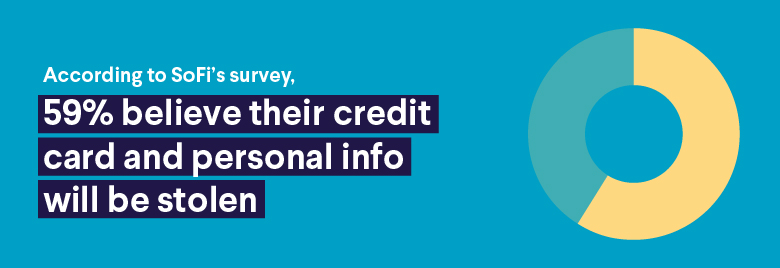
You aren’t alone. According to SoFi’s survey, 59% of people believe their credit card information or personally identifiable information will be stolen at some point, if it hasn’t been already.

That means the majority of people who participated in our survey expect to be hacked or already have been. When you consider how the number of data breaches is rising, it makes sense. Cybercrime is projected to almost triple between 2022 and 2027. No wonder we’re worried!

Less Than Half of Respondents Say They Know How to Outsmart Hackers

Frankly, most of us don’t have a clue as to what is really involved when you fall victim to cyber crime. Less than half of respondents in SoFi’s study believe they understand the risks of credit card fraud and different types of identity theft very well. In fact, only 45% of respondents said they understand very well how to protect themselves from online crime.

Most Respondents Are Working Hard to Defend Their Data and Assets

No one wants their most personal info kicking around on the dark web. Nor does anyone relish checking their credit card bill and seeing that someone charged $600 worth of baby clothes to their account when they are most definitely not a parent.

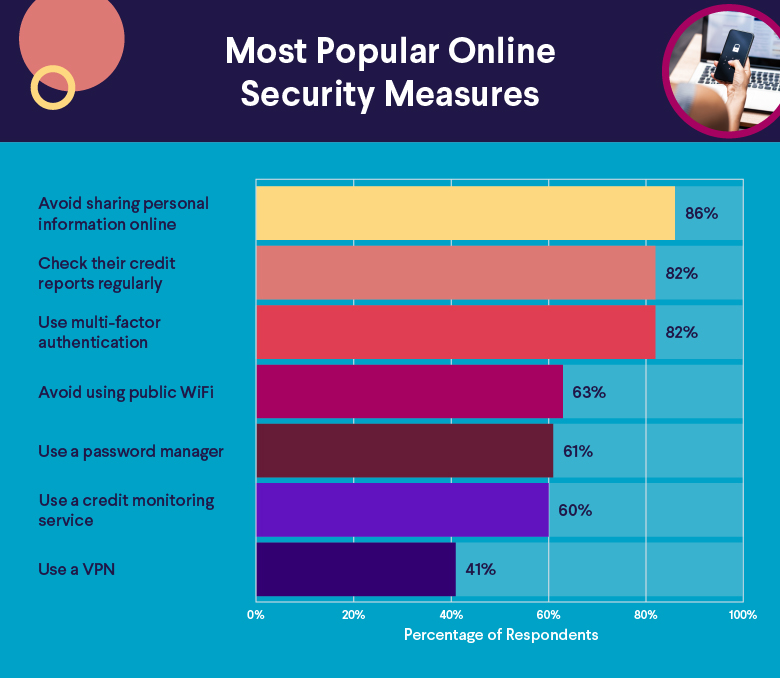
Most popular online security measures

Here’s what SoFi’s research found about how people are playing defense. Check out how many people use these protective tactics to avoid becoming an identity theft or credit card fraud statistic:

•   82% of people check their credit reports regularly.

•   82% use multi-factor authentication, or MFA. (A good sign: Only 3% of people don’t have a clue what MFA is.)

•   63% avoid using public WiFi.

•   41% use a VPN, or virtual private network. That said, 8% don’t know what a VPN is.

•   61% use a password manager.

•   86% avoid sharing personal information online.

•   60% use a credit monitoring service.

More of Us Should Be Monitoring Our Credit

That last move, using a credit monitoring service, is an important one. It can make mobile banking safer and help protect other aspects of a person’s digital life.

Steve Tcherchian quote

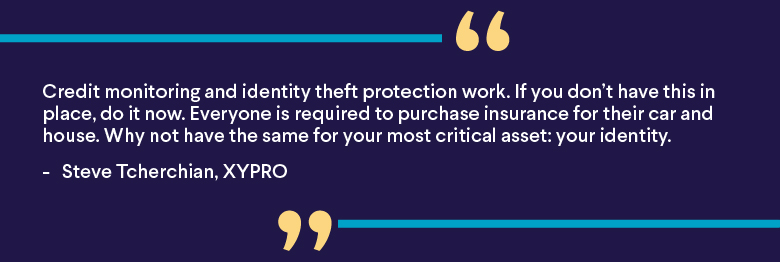
“Credit monitoring and identity theft protection work. If you don’t have this in place, do it now. With the size of the last few mega breaches and the companies they have affected, assume your data is exposed and you’re at risk. Everyone is required to purchase insurance for their car and house. Why not have the same for your most critical asset: your identity?” —Steve Tcherchian, CISO and Chief Product Officer at XYPRO, a cybersecurity solutions company

In addition to using the tactics above, the SoFi survey respondents have also deployed these moves to protect themselves from credit card fraud and other cybercrimes:

•   Using strong passwords

•   Clearing browser cookies and cache frequently

•   Not sharing their location in browsers or apps

•   Checking their account activity frequently

Most people (90%) check their credit card statements at least once per month. 44% of people check their statements at least once a week.

More Than Half of Respondents Admit to Recycling Passwords

Most people have good intentions when it comes to protecting themselves from the bad guys trying to swipe their financial or personal data. But hello, we’re all human. And that can mean sometimes recycling passwords because it’s just too complicated to come up with a new one. Or logging onto WiFi at a cafe or in a hotel because those Taylor Swift tickets are about to go on sale and you cannot, cannot live without them.

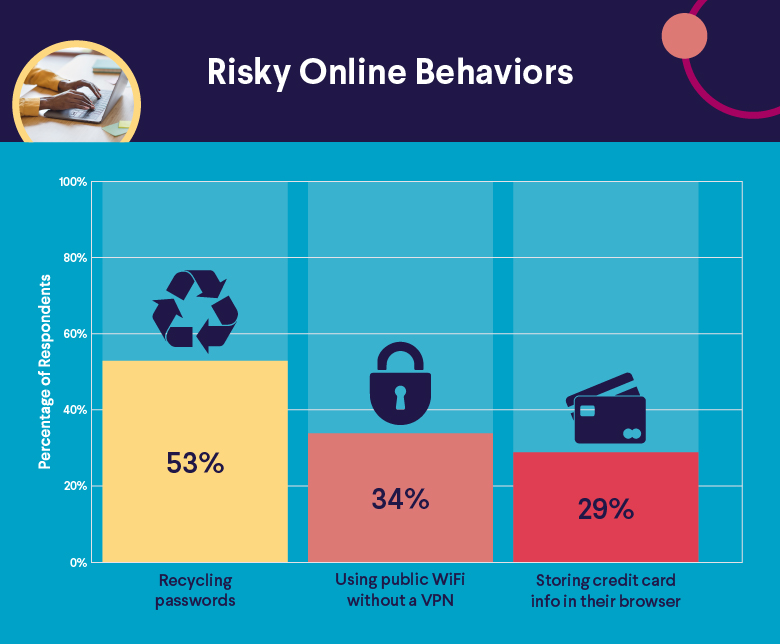
Risky online behaviors

More Than 1/3 of Respondents Use Public WiFi Without a VPN

Here, the SoFi survey respondents admit to risky online behavior:

•   53% have used the same passwords for multiple accounts.

•   34% have used public WiFi without a VPN.

•   29% have stored credit card information in their browser.

•   27% have provided credit card info over the phone.

•   26% have stored confidential information on a cloud server, such as Google Drive or Dropbox.

•   20% have shared credit card information with others (either in person or not secured online).

•   18% have downloaded software from unsecure websites.

•   13% have left their phone or computer unattended in a public space.

•   11% have responded to emails from unknown senders that asked for personal information.

“When logging onto public WiFi that doesn’t require a password for access, know that hackers can track your internet activity and intercept passwords and other sensitive data that is exchanged. If you must use an unprotected public WiFi network, avoid entering your social media, email, or bank credentials while connected.” —Brandon King, founder of Home Security Heroes, an identity-security advisory service

Not everyone realizes the very real risks of playing fast and loose with their personal data. More warnings about the consequences of getting hacked or scammed could be a huge help.

“Education and awareness campaigns need to be implemented at all levels, including schools, workplaces, and public forums. Financial institutions can play a significant role in providing customer education on safeguarding personal information. And social media platforms can spread awareness and provide tips on preventing fraud and identity theft.” —Andrew Lokenauth, founder of Fluent in Finance, a financial education platform

With the right information, many people might avoid becoming an identity theft statistic.

14% of Respondents Are Using Their Birthday or Their Pet’s Name as Their Password

You don’t need to confess, but many people are guilty of using shockingly simple passwords. One like your first name plus the digits of your birthday. Or your phone number. Or even the dreaded password1234.

And, making matters even worse, lots of busy people reuse their passwords with abandon. It’s easy to understand why: You might be prompted to create an account when shopping online so you can unlock a discount or free shipping, so you fall back on your old favorite. Or perhaps you need to create a password to access info on your vet’s website, so of course your doggo’s name is an easy to remember password, right?

Dumb password moves

Whatever the reason, there’s no doubt that there are plenty of people who aren’t following password security best practices. Here are some of the missteps the SoFi survey revealed:

•   14% use passwords that include their pets’ names or birthdays

•   13% use passwords that include their childrens’ names or birthdays

•   11% use passwords that include their significant other’s name or birthday

•   10% use use passwords that relate to a band or song they like

•   7% use something easy to remember like “12345” or “password”

•   7% use something easy to type like “QWERTY”

On the flip side, 16% use auto-generated, secure passwords provided by a password manager. High-five to those folks!

No More Lame Passwords: Pro Advice

Brandon King quote

Some advice from experts on this super-important subject:

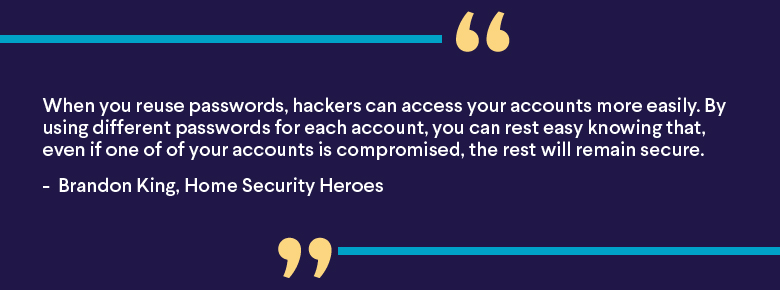
•   Buckle down and “use different passwords for each login or account. If you reuse passwords, hackers can access your accounts more easily” in the event of a security breach. “By using separate passwords for each account, you can rest easy knowing that even if one of your accounts is compromised, the rest will remain secure.” —Brandon King, Home Security Heroes

•   “Keep a close eye on credit card balances, and immediately report any discrepancies to the bank or credit card company” to minimize your liability. —Andrew Lokenauth, Fluent in Finance

•   “Don’t write down passwords!” —Monica Eaton, founder of Chargebacks911, a chargeback management company

And need we mention that writing your PIN on the back of your debit card is a real no-no?

44% experienced fraudulent

44% of Respondents Have Had Bogus Credit Card Charges

Sometimes, you get lucky, and your bank or credit card company pings you asking whether that’s really you trying to pay for a lavish dinner in SoHo, NYC, when you are actually sitting on your couch in Santa Cruz. Fraud protection can be a wonderful thing, but it doesn’t catch every scammer. Learn more about threats to credit card security:

Older Respondents Are More Than 2x As Likely to Endure Credit-Card Fraud

Here’s what SoFi survey participants told us about experiencing examples of credit card fraud in the form of unauthorized charges:

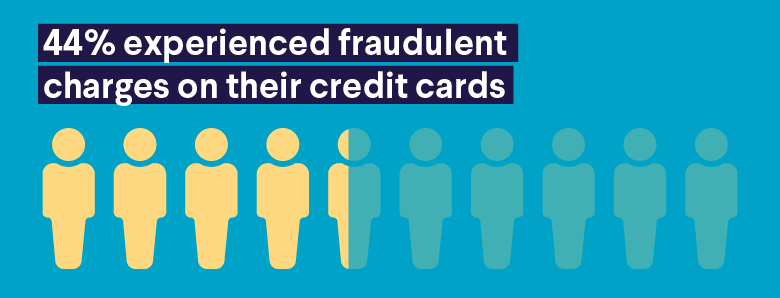
•   44% of people have experienced fraudulent charges on their credit cards.

◦   Nearly two-thirds of this group (63%) have experienced fraudulent charges more than once.

◦   For most people (84%), the unauthorized charges were less than $500.

◦   6% of people said their most recent fraudulent charge was $1,000 or more.

•   4% of respondents have experienced fraudulent charges five or more times.

•   53% of respondents ages 55 and older have experienced fraudulent charges on their credit cards, showing that older age seems to correlate with being scammed more often.

◦   Perhaps that’s why confidence in one’s credit card security seems to wane with age: 26% of those aged 55 or older said they had been or expected to be hacked, versus 10% of those aged 18 to 24.

•   Almost three-quarters (74%) of those who experienced fraudulent charges said their credit card company notified them of suspicious activity.

Who Knew? Where Scammers Shop

Curious about where credit card scammers go shopping? People who experienced fraudulent charges and knew where their stolen credit card numbers were used said the purchases were made in these types of environments:

•   Big box retailers and grocery stores like Walmart, Target, Sam’s Club, Costco, Whole

•   Foods

•   Online retailers like Amazon and eBay

•   Smaller ecommerce sites

•   Gas stations and convenience stores

Monica Eaton quote

How can you better protect yourself?

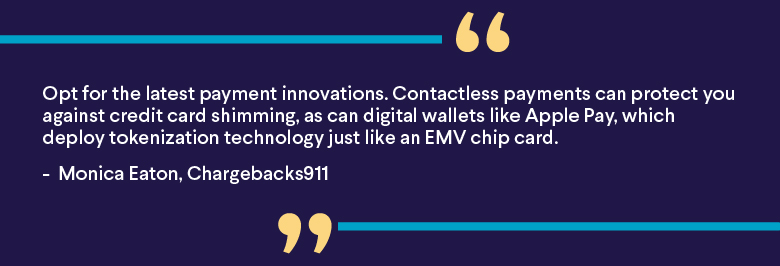
“Opt for the latest payment innovations. Contactless payments, for example, can protect you against credit card ‘shimming’ [in which scammers insert a thin device into the slot of card readers to steal your data], as can digital wallets like Apple Pay, which deploy tokenization technology just like an EMV [which stands for Europay, Mastercard, and Visa] chip card does.” —Monica Eaton, Chargebacks911

Ouch: 15% of Respondents Have Been Victims of Identity Theft

It’s a scary fact that identity theft is on the rise. It can be deeply upsetting to have someone steal your personal information and credentials and use them for nefarious purposes, opening accounts and making purchases that you would never dream of. It can be similarly troubling to have to unravel the damage done and reclaim what is rightfully yours.

34% of Victims Lost Money Due to Identity Theft

Personal impact of identity theft

Unfortunately, the SoFi survey revealed the following identify theft statistics:

•   15% of respondents have been victims of identity theft.

•   Most often, this group found out about identity theft because they noticed fraudulent charges on their bank statements (21%).

•   Other common ways people found out:

◦   12% said they were getting suspicious emails, calls, and text messages.

◦   12% said their tax return was incorrect or filed by someone else.

◦   12% said there were inaccuracies on their credit report.

◦   10% said they were unexpectedly denied credit.

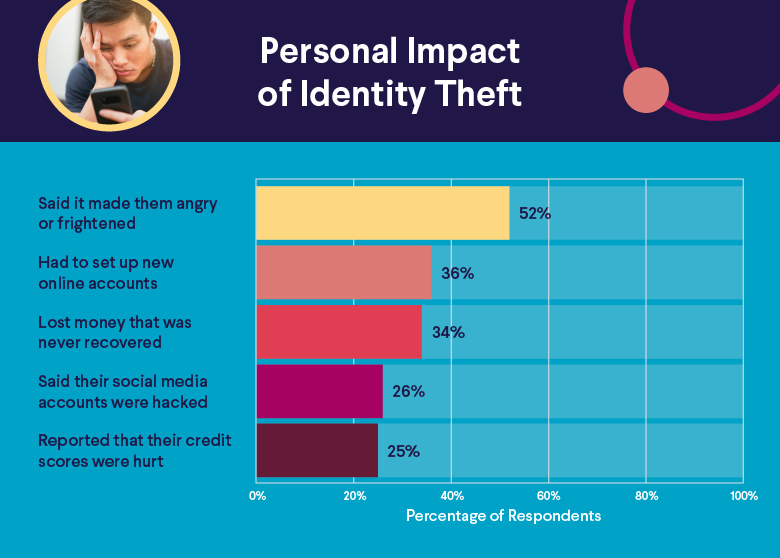
•   The most common impacts that people described as a result of identity theft were:

◦   52% said it made them angry or frightened.

◦   36% had to set up new online accounts.

◦   34% lost money that was never recovered.

◦   26% said their social media accounts were hacked.

◦   25% reported that their credit scores were hurt.

•   More than half of all respondents (51%) said they know someone who has been a victim of identity theft.

Those who are concerned about the possibility of identity theft can subscribe to services designed to help protect one’s information and send alerts about any evidence of this kind of activity. It can help provide peace of mind as this kind of crime increases.

92% of Respondents Are Confident Companies Can Protect Their Data

Learning about all the risks of credit card and identity theft out there can be troubling and make a person feel as if they have a big bullseye on their back, tempting hackers to target them.

But of course, that’s not the case. Steps are being taken to protect consumers from identity and money scams and new techniques are emerging. Most people recognize that it’s not all doom and gloom out there.

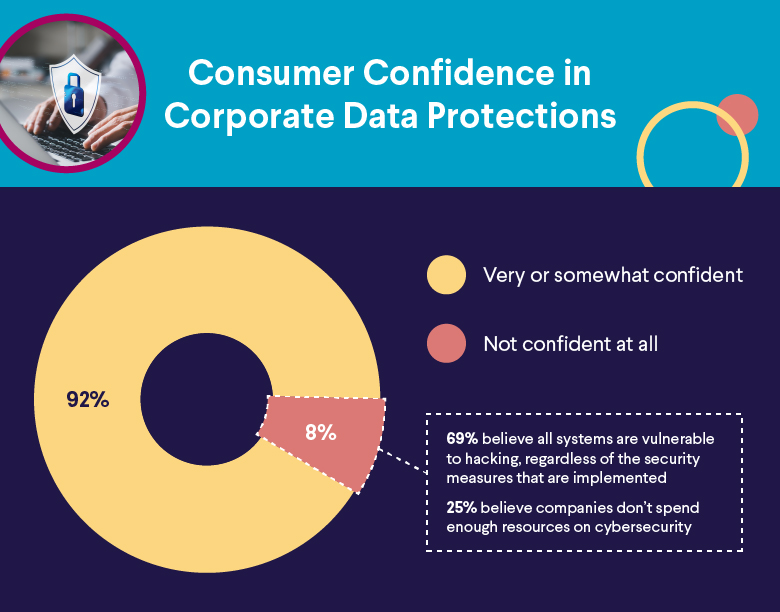
Consumer confidence in corporate data protections

In general, people are cautiously optimistic about how well their information is and can be safeguarded.

•   92% of people are somewhat confident or very confident in companies’ abilities to protect their personal information.

•   8% of respondents said they’re not confident at all in companies’ abilities to protect their information

◦   However, people realize there is only so much that can be done to protect information. 69% of this group believe all systems are vulnerable to hacking, regardless of the security measures that are implemented.

◦   On the flip side, 25% of this group believe companies don’t spend enough resources on cybersecurity.

Yes, we all may be at risk, but by adopting smart strategies and partnering with top-notch, security-focused financial institutions and other businesses, we can minimize the odds of falling prey to cybercriminals.

The Takeaway

As SoFi’s survey reveals, credit card fraud and identity theft are growing concerns for Americans. But there are proven and emerging ways to stay ahead of the scammers. By doubling down on smart tactics and taking steps to safeguard your personal information, you can protect yourself from serious damage.

To learn more about options for protecting your credit cards and tips for managing your accounts, explore our credit card guide.


Third-Party Brand Mentions: No brands, products, or companies mentioned are affiliated with SoFi, nor do they endorse or sponsor this article. Third-party trademarks referenced herein are property of their respective owners.

Financial Tips & Strategies: The tips provided on this website are of a general nature and do not take into account your specific objectives, financial situation, and needs. You should always consider their appropriateness given your own circumstances.

Read more

How to Renew a Passport Fast

Standard processing time for passport renewal is between 10 and 13 weeks. While that may work for people who don’t have an international trip already planned, you may need to renew your passport faster than that.

The State Department offers a few ways to get your passport faster. One option that is available to everyone (for a fee) is Expedited service, which takes seven to nine weeks. If you have urgent travel or a life-and-death emergency that requires overseas travel, you may be able to call to get an appointment within a few days.

How Does Passport Renewal Work?

There are a few ways to renew your passport. Many people simply mail in their forms. But if your passport was issued a long time ago, damaged, or issued in a former name, you’ll need to appear at a passport processing facility in person.

In 2022, the State Department began a pilot program for citizens to renew their passports online. At the time of this writing, however, the program was paused.

If you are renewing your passport by mail, you can mail in Form DS-82, your old passport, a passport photo, and any relevant name change documentation. If you don’t qualify to renew your passport by mail, you must appear in person. You’ll need to bring Form DS-11, along with documents like proof of citizenship, identification, and two passport photos.

Average Wait Time for Passport Processing

According to the State Department, the standard wait time for processing a passport is between 10 and 13 weeks. If you choose to pay for expedited processing, it will take between seven and nine weeks. Figuring out when to renew your passport can be tricky, especially if you are a frequent international traveler or need to schedule getting a visa.

Expedited Passport Services

If waiting 10 to 13 weeks for a standard passport renewal doesn’t work for you, you have a few options. You can pay $60 for expedited service. The State Department offers additional services for emergencies and urgent travel.

How to Renew a Child’s Passport Fast

If you travel internationally with your family, you’ll need to keep your children’s passports current. This can be even harder for an adult passport. While adult passports are valid for 10 years, children’s passports are good for only five and must be renewed in-person. There are no special exemptions for renewing children’s passports fast — you’ll need to pay for expedited processing or call the State Department if you qualify for emergency- or urgent-travel processing.

Using Passport Expediters and Couriers

There are many companies that claim to be able to renew your passport fast. These companies are not part of the State Department, and you won’t get your passport any faster than if you appear in person at an official Passport Renewal Facility. Passport expediter or courier companies also charge additional fees.

Pro Tips for Getting Your Passport Fast

Regularly check your passport expiration date: Put it on your calendar once a year, tied to a larger financial or documents review. If international travel is on your agenda, don’t put off passport renewal; assume that it will take 13 weeks, and start the process ASAP.

Here are a few tips for getting your passport fast:

•  Gather all of your citizenship and identification documents.

•  If you have a life-or-death emergency or urgent international travel, you can call the State Department to get a rapid appointment.

•  If you’re renewing a young child’s passport, you’ll need both parents to appear in most circumstances.

The Takeaway

The State Department notes that passport renewal processing times are 10 to 13 weeks. You may pay an additional fee for expedited processing, which is between seven and nine weeks. If you have a life-or-death emergency or urgent international travel, you may also qualify to renew your passport fast by calling the State Department for a renewal appointment.

SoFi Travel has teamed up with Expedia to bring even more to your one-stop finance app, helping you book reservations — for flights, hotels, car rentals, and more — all in one place. SoFi Members also have exclusive access to premium savings, with 10% or more off on select hotels. Plus, earn unlimited 3%** cash back rewards when you book with your SoFi Unlimited 2% Credit Card through SoFi Travel.

SoFi, your one-stop shop for travel.

FAQ

Can you renew a passport online?

In 2022, the State Department began a pilot program that allowed certain people to renew their passports online. As of March 2023, that program is paused, but it may open again at some point. Courier and expediting companies that are not part of the Department of State cannot help you renew your passport online — be wary when dealing with companies that promise online passport renewal.

What happens if my passport has already expired?

If your passport expired, what happens next will depend on how long ago it expired. Generally you can still renew your passport by mail as long as it’s not more than five years out of date. After that, you will need to renew your passport by appearing in person.

What is the quickest you can get a passport renewed?

If you qualify, you may be able to get your passport renewed within 24 hours. You’ll need to show proof of a life-or-death emergency that requires urgent international travel. You’ll also need to call the State Department and hope that there are immediate renewal appointments available. If possible, do your best to plan ahead before it becomes an urgent issue.


Photo credit: iStock/Evgenia Parajanian

**Terms, and conditions apply: This SoFi member benefit is provided by Expedia, not by SoFi or its affiliates. SoFi may be compensated by the benefit provider. Offers are subject to change and may have restrictions, please review the benefit provider's terms: Travel Services Terms & Conditions.
The SoFi Travel Portal is operated by Expedia. To learn more about Expedia, click https://www.expediagroup.com/home/default.aspx.

When you use your SoFi Credit Card to make a purchase on the SoFi Travel Portal, you will earn a number of SoFi Member Rewards points equal to 3% of the total amount you spend on the SoFi Travel Portal. Members can save up to 10% or more on eligible bookings.


Eligibility: You must be a SoFi registered user.
You must agree to SoFi’s privacy consent agreement.
You must book the travel on SoFi’s Travel Portal reached directly through a link on the SoFi website or mobile application. Travel booked directly on Expedia's website or app, or any other site operated or powered by Expedia is not eligible.
You must pay using your SoFi Credit Card.

SoFi Member Rewards: All terms applicable to the use of SoFi Member Rewards apply. To learn more please see: https://www.sofi.com/rewards/ and Terms applicable to Member Rewards.


Additional Terms: Changes to your bookings will affect the Rewards balance for the purchase. Any canceled bookings or fraud will cause Rewards to be rescinded. Rewards can be delayed by up to 7 business days after a transaction posts on Members’ SoFi Credit Card ledger. SoFi reserves the right to withhold Rewards points for suspected fraud, misuse, or suspicious activities.
©2024 SoFi Bank, N.A. All rights reserved. Member FDIC. Equal Housing Lender. NMLS #696891 (Member FDIC), (www.nmlsconsumeraccess.org).


Non affiliation: SoFi isn’t affiliated with any of the companies highlighted in this article.

SOCC0523001

Read more
TLS 1.2 Encrypted
Equal Housing Lender