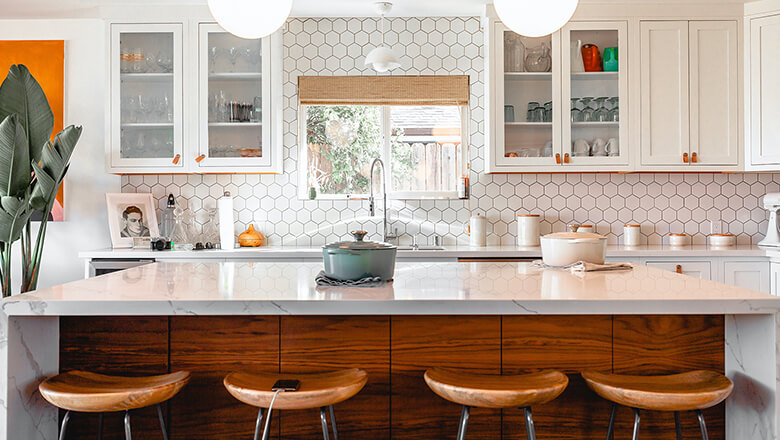
living room interior

Garage Conversion Ideas Worth the Effort

If you need more living space, but don’t have the property (or the budget) to put an addition on your home, it may be time to take a closer look at your garage. Whether it’s attached or free-standing, a garage conversion can be a relatively quick and affordable way to expand your current home.

The cost and amount of work involved in turning your garage into usable living space will depend on its size, current condition, the purpose of the remodel, and where you live. Read on for a closer look at what’s involved in a garage conversion, including design ideas and estimated costs.

Key Points

•   Converting a garage increases living space and home value.

•   Key steps include obtaining permits, planning storage, and ensuring utilities and insulation.

•   Functional areas range from bedrooms to home offices and in-law suites.

•   Cost estimates vary: bedroom conversion $12,000, master bedroom with bath $25,000, in-law suite $20,000 to $50,000.

•   Financing options include home improvement loans and unsecured personal loans with fixed interest rates.

Do Garage Conversions Add Value?

You may define value in a number of ways, but one of the most important considerations in converting a garage is what value it might add to your life. If you have a big family, you might want more space — perhaps a child-free zone where you can enjoy some quiet time. Or, you may want to convert a garage into a playroom where your children can keep their toys, decluttering your main house.

If you frequently have house guests, building a garage apartment or in-law suite can function as extra living space for friends and family to use when they’re in town.

A garage conversion can also add monetary value to your home, since you’re adding to the total livable square footage of your home. You can generally expect to get about 80% of what you spend on a garage conversion back when you sell your home (known as your return on investment, or ROI). To get an idea of the costs involved with a garage renovation, you may want to use a free online home renovation cost calculator.

Adding Living Space to a Converted Garage

How you use a converted garage space depends on whether it’s attached to your house or a freestanding structure. If the garage is attached, you could create a room that becomes part of your home. This might be a recreation room, a workout room, a family room, a home theater, an extra bedroom, or a multipurpose room.

If your attached garage is connected to your kitchen, you might consider expanding your kitchen into a home chef’s paradise or creating an open-concept dining and entertaining area.

A detached garage could also become an apartment for your child as a young adult. Or, you might turn it into an art studio or a home office. The options are virtually endless. So a good first step is to figure out how a converted garage might provide the most value for your family.

Need help funding your garage conversion?
Check out home improvement loans with SoFi.


Converting a Garage to an Apartment

If you’ve decided to convert your garage into an apartment, whether to create an in-law suite or a private space for your older child, you’ll want to consult your local planning board to find out what permits, if any, are needed. Often, if you’re building a new structure or making modifications to existing structures, a permit will be required. In fact, it’s important to double-check whether a permit is needed even for light remodeling.

Before you begin converting your garage, you might want to map out where everything is going to go and what you’ll do with the items that are currently in the space. To streamline that process, you could divide the items into one of three categories:

•   Keep

•   Donate

•   Throw Away

Once you’ve donated and thrown away items, it’s time to determine where you want to store the remaining items. Do you have a basement or attic where you can pack away everything you’ve stuffed into the garage over the years? How can you make those areas more storage-friendly?

If you still want to use a portion of your garage for storage after conversion, you might think about how to partition off that section so that the rest of the garage looks attractive and not cluttered. If you don’t want to use your garage for storage after the conversion, you might consider building an outdoor shed (provided your HOA or neighborhood association allows it) where you can items you don’t need on a regular basis.

Garage Floors and Doors

Deciding what to do with garage floors and doors is a crucial part of a garage conversion. If you have a traditional garage, the flooring might be a concrete slab with no insulation. In addition, the garage floor may fall several feet below the floors in your home, sloping toward a floor drain or the garage door, in which case you’ll need to have the floor leveled.

Then there’s the garage door to consider. If you remove it, you’ll likely have a large, gaping space. You might want to install a wall with french doors to let in the light or create a new wall that contains a large bay window. What you do might depend on whether or not you want the spot where the garage door existed to be an entryway.

Garage Roofing, Ventilation, and Insulation

Before beginning a garage conversion, you’ll want to check that the garage roof is watertight. If it’s not, some roofing upgrades could be necessary. If the plan is to install a kitchen or bathroom in your converted garage, you may also need to address ventilation issues. To create a comfortable space, you’ll also need to ensure there is proper insulation in the walls, roof, flooring, and anywhere else it’s needed.

Garage Windows and Walls

In order to create walls, you may need to install stud framing and drywall. In addition, you may need to put insulation and moisture-proofing, as well as wiring, in the walls. Also consider whether you want to add closets to your converted garage. If so, now is the time to lay those out.

One way to make a garage quickly feel like home is through access to natural daylight, which can be achieved by installing large windows strategically throughout the space or punching holes in the ceilings to install skylights. Consider using window styles that match those on your home to give it a cohesive look, especially with attached garages.

Garage Heating, Plumbing, and Wiring

If you have an attached garage, consider whether your current HVAC system can heat and cool your converted space. You may want to think about supplementing what you currently have, whether through a floor heating system, electric baseboards, wood stoves for the winter season, or an air-conditioning unit to cool off the space in the hot, sticky months of summer.

With plumbing, consider how to run pipes to supply water to the garage, as well as how to effectively drain the water back into the sewer system. If you need to add plumbing to the new space, this could be one of your bigger expenses.

Recommended: What Are the Most Common Home Repair Costs?

What It Costs to Convert a Garage

How much it will cost to convert a garage into a living space will depend on what you will use the space for, the size of the garage, and the materials you choose. You could spend anywhere from $6,000 to $27,000 or more on a garage conversion.

To convert a garage into a bedroom, for example, you may need to spend around $12,000. If your plan is to make it a master bedroom with an attached bath, however, it could run closer to $25,000.

Converting a garage into an office tends to be one of the more budget-friendly options, since you don’t need plumbing and closets. You can expect to spend somewhere around $5,000. Turning your garage into an in-law suite, on the other hand, will likely cost quite a bit more. You could spend anywhere from $20,000 to $50,000, depending on plumbing, appliances, and finishes.

Financing a Garage Conversion

As you’re dreaming up your plans for a garage conversion, be sure to keep your budget top of mind. It’s a good idea to get estimates from at least three contractors before you move forward with the project.

If you’re unable to pay upfront for the project, you may need to consider financing. One type of loan that can work well for a garage conversion is a home improvement loan.

This is an unsecured personal loan used to finance home upgrades and renovations. You receive a lump sum up front which you can use to pay for your garage conversion; you then repay the loan over a set term, often five to seven years, with regular monthly payments. Interest rates are typically fixed.

Recommended: How to Find a Contractor for Home Renovations & Remodeling

The Takeaway

Converting a garage can be a great way to expand your livable space, while also adding value to your home. The design possibilities are virtually endless — you might turn your garage into an in-law suite, rec room for kids, gourmet kitchen, artist’s studio, home office, hobby room, home gym, or workshop.

Whatever direction you take your garage conversion, you’ll want to consider your budget and whether you need to explore financing options like a personal loan.

Think twice before turning to high-interest credit cards. Consider a SoFi personal loan instead. SoFi offers competitive fixed rates and same-day funding. See your rate in minutes.


SoFi’s Personal Loan was named a NerdWallet 2026 winner for Best Personal Loan for Large Loan Amounts.

FAQ

Is it worth doing a garage conversion?

Converting your garage can add value to your home because you’re bumping up the amount of livable space. According to the home services website Angi, homeowners typically get back about 80% of what they spend on a garage conversion.

What is the downside of a garage conversion?

While a garage conversion can open up extra living space, it can also mean giving up valuable storage space. Before you move ahead with the conversion, make sure you have a plan in place for your storage needs.

Do I need permission to convert my garage?

Possibly. Some areas require homeowners to get a permit before adding a new structure to their property or modifying an existing structure. To be on the safe side, consult your local planning board to find out what permits (if any) are needed.


About the author

Julia Califano

Julia Califano

Julia Califano is an award-winning journalist who covers banking, small business, personal loans, student loans, and other money issues for SoFi. She has over 20 years of experience writing about personal finance and lifestyle topics. Read full bio.


SoFi Loan Products
SoFi loans are originated by SoFi Bank, N.A., NMLS #696891 (Member FDIC). For additional product-specific legal and licensing information, see SoFi.com/legal. Equal Housing Lender.


Third-Party Brand Mentions: No brands, products, or companies mentioned are affiliated with SoFi, nor do they endorse or sponsor this article. Third-party trademarks referenced herein are property of their respective owners.

Financial Tips & Strategies: The tips provided on this website are of a general nature and do not take into account your specific objectives, financial situation, and needs. You should always consider their appropriateness given your own circumstances.

SOPL-Q225-024

Read more
woman on laptop in office

10 Home Office Ideas

Now that remote and hybrid work are standard in many industries, you may find yourself spending a fair amount of time in your home office. Is it up to snuff?

Ideally, you want your home office to both inspire your creativity and allow you to get down to business. Unfortunately, many of us are still working from cramped, messy, and makeshift at-home work spaces.

If your home office space could use some sprucing, read on. Here are 10 simple makeover ideas that can transform a drab at-home work area into a well-organized and stimulating work space.

Key Points

•   Refreshing a home office with color and cozy furniture can make it welcoming.

•   A guest bedroom can serve as an ideal home office space.

•   Garage conversions can create a separate, functional workspace.

•   Ergonomic seating is crucial for comfort and support.

•   Setting the scene and being Zoom-ready enhance productivity and professionalism.

1. Refreshing the Home Office

For those lucky enough to have a dedicated home office space, it may be time to give that area a little refresh. Even though corporate office spaces tend to be a little drab, a home office doesn’t have to be.

Painting a home office a cheery color and making the space feel homey with the addition of a couch, a rug, or pictures on the walls will make a home office a welcoming place to spend your working hours.

Of course, a home office needs to be practical, too. Finding an organization system to keep office supplies and files neatly stored will provide some much-needed peace of mind during busy work days.

When setting up a home office, it can be helpful to think about what systems were appealing in the workplace and which were more of a hindrance. Customizing the space to fit personal preferences and needs is one of the perks of working from home.

2. Taking Over the Guest Bedroom

For those who don’t have a separate room to dedicate to a home office, it can be tricky to strike a clear balance between work and play. Working in the bedroom or on the family room couch can make it difficult to mentally separate work time from personal time.

A guest bedroom can be an ideal spot in the home to add a desk. The space is likely unused most days of the year, and you can easily shut the door during the workday when you need privacy. You can also shut the door after a long day of work when you need to feel like you are at home and not at work. Out of sight, out of mind.

A guest bedroom may also be easy to keep tidy, as most members of the household probably don’t spend too much time in that room of the house.

Recommended: 13 Work From Home Jobs With Flexible Hours for Moms

3. Renovating the Garage

If a guest bedroom isn’t an option, a garage may be an ideal space to build a home office. A garage conversion may require renovations, but this space feels very separate from the rest of the home, which can be appealing.

Adding flooring, installing heating and cooling systems, and adding lighting — task and ambient — may go a long way towards making this space both comfortable and functional. A coat of paint in a color that promotes productivity might help, too.

Keep in mind that transforming garage into a home office can be an investment — you can expect to spend around $5,000. To help finance the project, you may want to explore options such as a home improvement loan.

This is essentially an unsecured personal loan that is used for home repairs or upgrades. You receive a lump sum up front which you can use to fix up or refurbish your home office; you then repay the loan over a set term (often five to seven years) with regular monthly payments. Interest rates are typically fixed.

4. Rethinking Your Desk

For homeowners with a big family or apartment renters who are embracing the studio lifestyle, it might be hard to squeeze in another large piece of furniture. A kitchen table or dining room table can serve double duty and provide plenty of space to spread out.

If multiple members of the household are working from home, this large space can even act as a coworking space of sorts. After all, bumping into a loved one in the break room (aka the kitchen) might be a nice surprise during a stressful workday.

The key to making this work is to make this “office” portable. Having a tote bag or storage box to stash any work supplies at the end of the day will be ideal when it’s time to eat dinner. Finding ways to remove those work vibes from a personal space is important for fostering good work-life balance.

Recommended: 32 Inexpensive Ways to Refresh Your Home Room by Room

5. The Right Support

No matter what place in the home you decide to make your workspace, it’s important to have supportive seating. Having the right chair can make all the difference, and in many cases function is much more important than aesthetics.

Having a chair that was specifically designed to provide proper back and neck support during long work days is key.

An ergonomic chair that includes features such as adjustable height, tilt control, lumbar support, and solid padding can all make the workday a bit more comfortable.

6. Setting the Scene

While having the right tools — desk, chair, computer, etc. — is important to building a successful home office, working in the right atmosphere is important, too. Spending the first 10 minutes of the workday setting the scene can be a major game changer.

For those working from home while other members of the household are working or simply existing loudly (hello, adorable but noisy babies), creating an appropriate workplace atmosphere may lead to better focus and productivity.

Start by giving the workspace a little spruce and clear out any unnecessary clutter. Put on some light background music that isn’t distracting (think classical or nature sounds) to block out any unwanted noise. Write a to-do list that prioritizes tasks for the day.

7. Being Zoom Ready

Having a space that is appropriate for video calls is essential for looking professional at home. Zoom, Skype, or Microsoft Teams calls don’t have to take place at a desk if the background isn’t ideal. Present your best self in a quiet spot in the home with good lighting and a clean background.

8. Getting Inspired

In an ideal world, all workspaces would inspire workers, allowing them to feel creative. One of the advantages of working from home is the ability to have more control over the surroundings, making it an inspiring, creative workspace.

Decorating the space in your favorite colors; adding photos of loved ones, favorite vacations, or hobbies; incorporating a vision board; or keeping a brainstorming journal at the ready are some ways to make the environment one where there is room for creativity and inspiration.

9. Adding a Standing Desk

In your home office, you make the rules. If you don’t want to sit for eight hours a day — who can blame you? — using a standing desk or adding a standing desk converter is a good way to incorporate some movement into the workday.

10. A Room with a View

Last but not least, setting up a home office to take advantage of any pleasant views might bring some peace, calm, and inspiration into the space. Facing a desk towards a window, French doors, or any other space in the home that has a view of the outdoors or even just greenery in another part of the home can help reduce stress.

The Takeaway

While some employers might offer stipends or reimbursements for setting up a home office properly, many employees may have to foot the bill themselves. This expense can be worthwhile, but may not be one that many workers planned for.

For those who need help financing that new home office space or purchasing furniture, there are a few options that may be worth considering, including a home improvement loan.

Think twice before turning to high-interest credit cards. Consider a SoFi personal loan instead. SoFi offers competitive fixed rates and same-day funding. See your rate in minutes.


SoFi’s Personal Loan was named a NerdWallet 2026 winner for Best Personal Loan for Large Loan Amounts.

FAQ

What to buy for a home office?

The items you place in your home office will depend largely on the type of work you do. But according to Indeed, some common essentials include a workspace or desk; a comfortable, supportive chair; good lighting; a filing cabinet or storage space for paperwork; paper and pens/pencils; and a USB power strip with a surge protector.

Should my desk face a window?

Where you place your desk is a matter of personal preference and logistics. Facing a window can give you a chance to enjoy natural light and a view of the outdoors, which can boost your mood. However, a window can also expose you to glare.

Do companies pay for a home office setup?

Some companies give stipends or reimbursements to help employees cover the cost of setting up a home office. Others may only provide essential equipment, like a laptop or headphones. Ask your manager or human resources department about what benefits your company offers.


About the author

Jacqueline DeMarco

Jacqueline DeMarco

Jacqueline DeMarco is a freelance writer who specializes in financial topics. Her first job out of college was in the financial industry, and it was there she gained a passion for helping others understand tricky financial topics. Read full bio.


SoFi Loan Products
SoFi loans are originated by SoFi Bank, N.A., NMLS #696891 (Member FDIC). For additional product-specific legal and licensing information, see SoFi.com/legal. Equal Housing Lender.


Third-Party Brand Mentions: No brands, products, or companies mentioned are affiliated with SoFi, nor do they endorse or sponsor this article. Third-party trademarks referenced herein are property of their respective owners.

Financial Tips & Strategies: The tips provided on this website are of a general nature and do not take into account your specific objectives, financial situation, and needs. You should always consider their appropriateness given your own circumstances.

SOPL-Q225-022

Read more
solar panel

Solar Panel Financing in 4 Ways

Installing solar panels in your home allows you to do your part for the planet while also reducing your monthly utility bills. However, the cost to purchase panels and have them installed can be a deterrent. Even if you know you’ll save money over the long term, it may be hard to come up with the funds to pay for the project up front.

Fortunately, there are tax incentives as well as financing options that make paying for a solar system a lot more manageable. Solar financing involves using instruments, like loans and leases, to pay for a solar system in installments over time rather than in one lump sum at the time of purchase. Each financing option has different features, advantages, and drawbacks.

Read on to learn more, including how much solar panels cost today, how much they can help you save, plus solar financing options that can help you cover the initial bill.

Key Points

•   Solar panels can significantly reduce or eliminate energy bills and increase home resale value.

•   Financing options include tax credits, leases, and secured or unsecured loans.

•   A 30% federal tax credit is available for solar systems installed between 2022 and 2032.

•   Home equity loans provide low interest rates but require sufficient home equity.

•   Solar leases offer lower monthly payments but do not provide tax benefits.

The Cost of Solar Panels

The cost of solar panels varies by location, the type of solar panels, and the system’s size, but an average-sized residential system currently runs around $29,360. The actual cost of solar panels can run as high as $33,000. However, federal and local tax incentives and rebates can lower the cost by thousands.

There are also different financing options available that allow you to pay for a solar system in installments rather than in one lump sum up front. The monthly amount owed on a solar loan is typically less than an average utility bill.

Recommended: Strategies to Lower Your Energy Bill When Working From Home

Potential Benefits of Solar Panels

While solar panels have the potential to save homeowners money and do a lot of good for the planet, they come with a high price tag. Solar power financing can help make solar energy possible for more people, but not everyone qualifies.

Even if your solar panels don’t eliminate your electric bills, it can lead to significant savings. Generally, the initial expense of the purchase of a solar system can be recouped in an average of six to 10 years. After recouping installation costs, the amount you’ll save over the life of your panels will continue to add up.

Another benefit of solar panels is the potential to increase the resale value of your home. Research has shown that, on average, homes with solar panels sell for nearly 7% more than those without them.

For some people, one of the biggest benefits of installing solar panels, however, is knowing that they’re using renewable energy and helping to reduce greenhouse gasses. This could especially be important for those living in a state where the majority of the energy generated is through non-renewable power sources.

Recommended: How Much Does It Cost to Remodel or Renovate a House?

Potential Drawbacks of Solar Panels

While solar panels have the potential to save homeowners money and do a lot of good for the planet, they come with a high price tag. Solar power financing can help make solar energy possible for more people, but not everyone qualifies.

Another drawback to solar energy is that it is sunlight dependent. If there is a long stretch of overcast weather, or if you live in an area that doesn’t get a lot of sun, you might not be able to generate enough solar energy to take care of your energy needs. However, solar batteries (which store excess energy) can help mitigate this issue.

Solar panels and the wiring they require can also use up a significant amount of space. Depending on how many panels you need for your home, it can be difficult to find adequate space with sufficient sun exposure to install a solar system.

Also keep in mind that uninstalling a solar system and moving it can be difficult and costly. As a result, a solar system is not something you can generally take from house to house. It’s best to consider it as an investment in your home.

Saving Money by Installing Solar Panels

More than 5 million homeowners in America currently have solar panels. One reason is the savings it can offer over time. Once installed on your roof, solar panels typically last for at least 25 years. If your solar system eliminates your electric bill and you normally spend about $150 a month on electricity, that would bring in a potential savings of $65,000 over the life of the system.

Keep in mind, however, that solar panels don’t always eliminate your electricity bill. And, as with any home improvement project, it’s important to consider the upfront costs, how long you plan to live in your home, and if you can find home improvement financing options that work with your budget.

Four Options for Solar Panel Financing

While converting to solar can pay for itself over time, it requires a sizable upfront investment. Here are some options that can help make it easier to foot the bill.

1. Tax Credits and Rebates

A smart solar power financing strategy starts with taking advantage of all available tax credits and rebates. The federal government currently offers a 30% tax credit for solar panels installed through 2032.

Unlike a deduction, a tax credit is an amount of money that you can subtract, dollar for dollar, from the income taxes you owe. So, if you pay $30,000 to install a new solar system, you’ll qualify for a roughly $9,000 tax credit, which equates to $9,000 more in your pocket.

In addition, many states offer rebates that further reduce the cost. To help people learn more about state and local incentive programs, North Carolina State University’s N.C. Clean Energy Technology Center offers a nationwide directory of programs .

2. Solar Panel Leases

A unique option for solar panel financing is a solar lease or power purchase agreement (PPA). With both a lease or a PPA, a company installs the solar system on your roof, and you pay that company for your energy each month, which is typically 10% to 30% lower than your usual electric bill. The company owns the panels and remains responsible for any required maintenance.

Since you don’t own the solar system, however, you can’t take advantage of any tax rebates or other incentives that come with purchasing solar panels outright. Also, solar lease and PPA contracts can extend 20 to 25 years. If you want to move before the contract is up, you would need to find a buyer who wants to take over your contract or could end up paying a hefty cancellation fee.

3. Secured Solar Panel Loans

Since you are adding to and improving your home, you might consider using a home equity loan or home equity line of credit (HELOC) to finance solar panels. This type of financing is secured by the equity you have in your home. Because the debt is secured (which lowers the risk to the lender), you may qualify for a relatively low interest rate. However, if you are unable to repay the loan or credit line, the lender can take your home to recoup its losses. Also, you need to have equity in your home to qualify for a home equity loan or HELOC.

4. Unsecured Solar Panel Loans

An unsecured solar panel loan is an unsecured personal loan that you can use to purchase solar panels. You don’t have to have any equity in your home, or use your home as collateral, to qualify for an unsecured solar panel loan To get approved, the lender considers your income and your credit rating (among other financial factors that vary from lender to lender).

With an unsecured personal loan, you receive a lump sum up front, which you can use for virtually any type of expense, including solar panels. These loans typically have fixed rates so your monthly repayments stay the same over the term of the loan, which is often five to seven years. Because this type of solar panel financing is unsecured, rates can be higher than you might get with a home equity loan or HELOC.

The Tax Benefits of Solar Panels

Installing solar panels can help reduce your federal income tax due in the year the installation is complete. There is a 30% tax credit currently in place for systems installed in 2022-2032. The tax credit expires starting in 2035 unless Congress renews it.

To qualify for the solar panel tax credit, your solar panels must be installed at your primary or secondary U.S. residence between Jan. 1, 2022, and Dec. 31, 2034. You also must own the solar panel system, i.e. you purchased it with cash or solar panel financing but you are neither leasing nor are in a PPA arrangement.

In addition, the system must be new or being used for the first time, and the credit can only be claimed on the original installation of the solar equipment. There is no maximum amount that can be claimed.

The following expenses can be included:

•  Solar PV panels or PV cells (including those used to power an attic fan, but not the fan itself)

•  Contractor costs, including installation, permitting fees, and inspection fees.

•  Balance-of-system equipment, including wiring, inverters, and mounting equipment

•  Energy storage devices that have a capacity rating of 3 kilowatt-hours (kWh) or greater

•  Sale tax on eligible expenses

In addition to the federal tax credit, there are also state-level solar incentives, which vary widely. Generally, getting a state tax break or rebate won’t limit your ability to get solar credits from the IRS.

Your local utility may also offer clear energy incentives, which can help you save money on solar panels. However, this may impact your federal income tax credit.

The Takeaway

There’s no question that solar panels are environmentally friendly. Over time they can also be economically friendly, saving you money on your electricity bill. Doing some research about residential solar panels and general home improvement financing are good steps to take to see if it’s the right choice for your home.

Think twice before turning to high-interest credit cards. Consider a SoFi personal loan instead. SoFi offers competitive fixed rates and same-day funding. See your rate in minutes.


SoFi’s Personal Loan was named a NerdWallet 2026 winner for Best Personal Loan for Large Loan Amounts.

FAQ

How much does it cost to lease a solar panel system?

According to Home Depot, the average lease costs for solar panels run between $50 to $250 per month. The amount you’ll pay will depend largely on the size and production of the system.

How much can you save using solar panels?

The average homeowner saved around 20% on their utility bill when they switched to solar panels. However, savings depend on a number of factors, including where the home is located, the size of the system, and the roof position.

Is there a tax credit for installing solar panels?

Yes. There is currently a 30% tax credit for systems that were installed between 2022 and 2032. Note that the tax credit is set to expire in 2035, unless it’s renewed by Congress.


SoFi Loan Products
SoFi loans are originated by SoFi Bank, N.A., NMLS #696891 (Member FDIC). For additional product-specific legal and licensing information, see SoFi.com/legal. Equal Housing Lender.


Tax Information: This article provides general background information only and is not intended to serve as legal or tax advice or as a substitute for legal counsel. You should consult your own attorney and/or tax advisor if you have a question requiring legal or tax advice.

Third-Party Brand Mentions: No brands, products, or companies mentioned are affiliated with SoFi, nor do they endorse or sponsor this article. Third-party trademarks referenced herein are property of their respective owners.

Non affiliation: SoFi isn’t affiliated with any of the companies highlighted in this article.

External Websites: The information and analysis provided through hyperlinks to third-party websites, while believed to be accurate, cannot be guaranteed by SoFi. Links are provided for informational purposes and should not be viewed as an endorsement.
Financial Tips & Strategies: The tips provided on this website are of a general nature and do not take into account your specific objectives, financial situation, and needs. You should always consider their appropriateness given your own circumstances.

SOPL-Q225-019

Read more

How Much Does It Cost to Reface Cabinets?

Whether you’ve just moved into a new home or want to breathe new life into your current one, refacing cabinets in your kitchen could really transform the space.

Cabinet refacing involves changing the cabinet exterior surfaces only, and can cost significantly less than a full cabinet replacement. How much will it set you back? The cost to reface kitchen or bathroom cabinets ranges from roughly $4,000 to $10,000, with the national average coming in at around $7,000.

Read on to learn what factors affect refacing costs, how to keep a cabinet makeover project within your budget, and how to get started.

Key Points

•   Cabinet refacing costs range from $4,233 to $10,226, averaging $7,229.

•   Budget-friendly options include laminate veneers and rigid thermofoil, costing $100 to $250 and $80 to $125 per square foot.

•   Solid wood and high-end wood veneer are the most expensive, ranging from $200 to $500 and $100 to $250 per square foot.

•   Factors influencing cost include materials, room size, labor, and location, with additional features like hardware and lighting adding to the total.

•   To start, get estimates from three contractors, ask about experience, materials, project duration, and warranties.

Average Cost of Cabinet Refacing

Cabinet refacing allows you to give your kitchen a refresh at a significantly lower price tag than a full kitchen remodel. The exact cost will depend on the materials you choose, the size of the room, labor costs, and where you live. However, the cost typically runs between $4,233 and $10,226, or an average of $7,229.

If you have a small kitchen, DIY the project, and choose budget-friendly materials, you could spend a lot less than the average cabinet refacing cost. On the other hand, if you have a large kitchen, hire a contractor, and go with top-of-the-line materials, you could spend significantly more.

Recommended: 20 Small Kitchen Remodel Ideas & Designs

Cabinet Makeover Costs by Budget

The good news is that you can give your cabinets a refresh on virtually any budget. Here’s a look at what you can accomplish at different price points.

Budget: Under $1,000
If you’re looking to spend less than $1,000, you can likely reface the cabinets in a small kitchen yourself using laminate veneers. However, you may need to keep the original hardware.

Budget: $1,000 to $5,000
With more wiggle room in your budget, you may be able to hire a contractor to reface your cabinets using laminate or wood veneer, and also replace the hardware. However, you may not be able to add accessories like a built-in wine rack or under-cabinet lighting.

Budget: $5,000 to $10,000
With this budget, you can likely hire a contractor to install high-end wood veneer and hardware, plus add cabinet accessories, even for a large kitchen. With a smaller space, you may be able to reface your cabinets with solid wood.

Budget: $10,000 to $15,000
If you can spend $10,000-plus on the project, you should be able to hire a contractor to install new solid wood doors and drawer fronts, choose luxurious hardware, and add fancy accessories. You might also be able to add a couple of custom cabinets to match your newly upgraded cabinets.

Reasons to Reface

Refacing old cabinets can give your kitchen an updated look for 30% to 50% less than a full cabinet replacement. This makes it an appealing option for homeowners looking to do a kitchen renovation on a budget. What’s more, there are a wide range of resurfacing options to choose from, so you can likely find a look that fits your kitchen design vision. The process is also faster and more environmentally friendly than a remodel.

Keep in mind, however, that refacing might not be the best option if the existing cabinets are damaged or you need a better kitchen layout. While refacing can make your kitchen look and feel brand new, it won’t change its layout or functionality.

Standard Options for Refacing

When you reface cabinets, there are four common types of finishes you can choose from. Here’s a look at each option.

Plastic Laminates

The laminate is cut to size and applied to the cabinet boxes and doors using a special adhesive. This is one of most budget-friendly refacing options, ringing in between $100 to $250 per square foot. However, plastic laminate is not as resistant to chipping and cracking as other refacing materials.

Wood Veneer

Wood veneers give you the look of wood cabinets without the high cost. They come in thin sheets designed to mimic standard species of wood, such as oak, cherry, maple, and ash, and run between $100 to $250 per square foot. While wood veneer is stronger than laminate, it’s not as durable as real wood.

Rigid Thermofoil (RTF)

Rigid thermofoil laminate is another budget-friendly refacing choice. It’s made of plastic (Formica or melamine) but looks like wood and requires little care. Just keep in mind that the melamine version of RTF is not recommended for hot or humid environments. Refacing with RTS can run roughly $80 to $125 per square foot.

Solid Wood

Solid wood refacing material is the priciest option but also the longest-lasting and easiest to repair. A solid wood refacing project can run anywhere from $200 to $500 per square foot. However, the cabinets will look high-end and the doors and drawers will be extremely durable.

Other Factors that Affect the Cost of Refacing

When coming up with your budget for a cabinet makeover, there are some other costs and upgrades you may want to factor in. Here’s a look at add-ons that can level up your kitchen refresh.

•   Hardware replacements Replacing all the hardware on your cabinets can cost anywhere from $100 and $1,000, depending on the material and style.

•   Crown molding Depending on the materials used and the labor involved, installing crown molding can run around $700 to $2,100.

•   Under-cabinet lighting Having strip, built-in, or puck lights installed under your cabinets can run around $200 to $300 per light. If your budget is tight, you can get peel-and-stick lights for as little as $20 to $30.

•   Glass If you want to add glass inserts to some, or all, of your kitchen cabinets, plan on spending an extra $100 to $300 per linear foot of glass you add.

•   Handy accessories If you’re interested in adding some extras, such as a built-in spice rack, built-in wine rack, pull-out trash can, or a lazy Susan, you’ll need to add some additional funds to your refacing budget.

Getting Started

If you are ready to move forward with refacing, it can be a good idea to shop around and get estimates from at least three contractors.

As you interview potential installers, be sure to ask about their experience with cabinet refacing and if they’re insured and licensed. You may also want to ask the following questions:

•   What kind of refacing material do you recommend for this area?

•   How long will this project take?

•   Can I use my cabinets as soon as you’re done?

•   How long will the refacing last?

•   Do you make any changes to the interior of the cabinets?

•   Does the estimate include handles and drawer pulls?

•   Will you remove the doors and drawers to work on them at your shop or do all the work at my home?

•   Can you use hardware that I’ve already purchased?

•   Can you add features like crown molding, under-the-cabinet lighting, or glass inserts?

•   Do you offer a warranty, and if so, what does it include?

Recommended: 10 Steps for the Perfect Bathroom Remodel

Financing Your Home Improvement

While a cabinet makeover can give your kitchen a face-lift for an affordable price, you’ll still need to come up with a significant sum of cash to cover the cost of materials and labor. If you’re eager to get going but don’t have enough money on hand, you may be able to finance the project using a home improvement loan.

A home improvement loan is essentially a personal loan designed to be used to pay for home upgrades and renovations. Available through banks, online lenders, and credit unions, these loans are typically unsecured (meaning your home isn’t used as collateral to secure the loan). You also don’t need to have any equity built up in your home to be approved. Instead, the lender decides how much to lend to you and at what rate based on your financial credentials, such as your credit score, income, and how much other debt you have.

Once approved, you receive a lump sum of cash up front you can then use to cover the cost of refacing your cabinets. You repay the personal loan (plus interest) in regular installments over the term of the loan, which can range from five to seven years.

The Takeaway

If you want to breathe new life into your kitchen or bathroom, refacing the cabinets can be a good option to consider. The project involves swapping out the cabinet exterior surfaces, and it costs 30% to 50% less than a full cabinet replacement. On average, you’ll pay around $7,000, though costs can range between $4,000 to $10,000. However, the exact cost will depend on your materials, the size of the room, labor, and where you live.

As you’re finalizing your design plans, it’s a good idea to also nail down how you’ll finance the project. You have various options, including credit cards, savings, or a home improvement loan.

Think twice before turning to high-interest credit cards. Consider a SoFi personal loan instead. SoFi offers competitive fixed rates and same-day funding. See your rate in minutes.


SoFi’s Personal Loan was named a NerdWallet 2026 winner for Best Personal Loan for Large Loan Amounts.

FAQ

Is it cheaper to reface or replace cabinets?

In most cases, it’s cheaper to reface cabinets compared to replacing them. Refacing can be 30% to 50% less expensive than a full replacement.

Can I reface my cabinets myself?

If you’re handy — and ready to flex your DIY muscle — you can certainly reface cabinets without the help of a contractor. In fact, if your space is small and you choose budget-friendly materials, you could save a significant amount of money by doing the work yourself.

How long does it take for a professional to reface cabinets?

According to Home Depot, a professional cabinet refacing project typically takes around 5 to 7 weeks to complete.


SoFi Loan Products
SoFi loans are originated by SoFi Bank, N.A., NMLS #696891 (Member FDIC). For additional product-specific legal and licensing information, see SoFi.com/legal. Equal Housing Lender.


Non affiliation: SoFi isn’t affiliated with any of the companies highlighted in this article.

Third-Party Brand Mentions: No brands, products, or companies mentioned are affiliated with SoFi, nor do they endorse or sponsor this article. Third-party trademarks referenced herein are property of their respective owners.

Financial Tips & Strategies: The tips provided on this website are of a general nature and do not take into account your specific objectives, financial situation, and needs. You should always consider their appropriateness given your own circumstances.

SOPL-Q225-018

Read more
Couple getting cupcake from food truck

Typical Small Business Loan Fees

If you’re considering a small business loan, it’s important to familiarize yourself with the different types of small business loan fees. In addition to interest rates, fees can impact how much a small business loan ultimately costs.

Lenders charge fees on small business loans to cover a variety of costs, like loan application and origination, check processing, and underwriting, and you could also face fees for late payment or prepayment. Which types of fees apply will vary depending on which lender you use and the type of loan you get.

Keep reading to learn more on the different types of small business loan fees and additional funding options available for small businesses.

Key Points

•   Types of small business loan fees include application fees, origination fees, underwriting fees, and servicing fees.

•   Origination fees are typically charged as a percentage of the loan and are deducted from the total loan amount.

•   For Small Business Administration (SBA) loans, borrowers may be responsible for a guaranty fee, which covers the government’s guarantee of a portion of the loan.

•   Some lenders charge a fee if you repay your loan early. While early repayment saves on interest, prepayment penalties can offset those savings, so it’s essential to review your loan agreement carefully.

•   In addition to small business loans, businesses can acquire funding through family and friends, crowdfunding, or by using credit cards.

Why Choose a Small Business Loan?

No matter how fantastic an idea may be, in most cases, it can’t become an actual business without the working capital to get it off the ground. If you’re not yet ready to pitch investors and don’t have the personal funds to bootstrap your business, you may want to learn about how a small business loan can help you turn your business idea into a reality.

Of course, small business loans are for more than just startups. Whether you’re looking to hire more employees, purchase more equipment or inventory, or just scale your idea from your bedroom to a co-working space, small business loans can provide the capital to make it happen.

Some reasons a small business loan may be right for you include:

•   You want to build business credit, potentially allowing you to qualify for larger loans in the future.

•   You want to scale your business.

•   You want to make your business more efficient with new equipment.

•   You want to purchase more inventory.

•   You want to hire and train more employees.

Before taking out a small business loan, though, it’s important to ensure you have the financial foundation to manage your loan debt.

Recommended: 10 Things Business Loans Can Be Used For

Small Business Loan Rates and Fees

Here are some common fees associated with small business loans.

💡 Recommended: Business Loans for Bars

Application Fee

Lenders incur certain fees when processing your application (e.g., credit checks and property appraisals). This fee covers those costs, and it will apply regardless of whether your application is approved.

Origination Fee

Lenders charge origination fees to cover their administrative costs, such as phone calls, emails, and interviews necessary to finalize a small business loan. The amount of this fee varies from lender to lender.

Check Processing Fee

If you make your loan payments via check, you may be charged a fee to cover the time and labor it takes to process a check. You may want to keep this in mind when deciding how you’ll make your loan payments.

Guaranty Fee

If you’re taking out a loan through the Small Business Administration (SBA), you’ll likely have to pay a guaranty fee. While the SBA guarantees loans, it doesn’t make loans, and thus generally assesses this SBA loan fee for its involvement.

Late Payment Fee

Like many loans, small business loans typically charge a fee when you make a late payment. You’ll want to ensure you set up a plan to make your loan payments on time to avoid this fee.

Underwriting Fee

The process of underwriting can be tedious — your lender needs to comb through your business’ finances and review market research and historical trends. The underwriting fee covers the cost of performing this task. It could either be charged as a percentage of the loan amount or a flat fee.

Prepayment Fee

Some lenders charge you for paying your loan off too early. They may do this for a variety of reasons, but one might be because they lose money in interest charges when you pay your loan principal before it’s due. This is an important fee to be aware of when mapping out your payment plan.

Recommended: Guide to Typical Small Business Loan Requirements

Additional Funding Options

If these fees don’t sit well with you, there are other options to consider that may make funding your business more accessible to you.

Family and Friends

Many people start their business with family loans, which is essentially money borrowed from family and friends. Using these individuals as initial investors can help you stay out of commercial debt, meaning that you can wait to apply for a small business loan when you might need to borrow a larger sum.

However, going into business with loved ones could be a risk. It might sour the relationship if things go south.

Crowdfunding

A number of small businesses have successfully been funded through sites like Kickstarter, GoFundMe, and Indiegogo. A great idea with a strong marketing plan could generate enough excitement and financial support to get things going.

Keep in mind that crowdfunding sites generally require a percentage of the funding received. Additionally, there could be a risk of idea theft or plagiarism by putting your idea out there early.

Credit Card

You could turn to credit cards as a quick route to getting capital for your business without a lengthy application process. However, interest rates may be high. Further, carrying significant credit card debt could potentially impact your credit score, affecting your future chances of qualifying for loans.

Recommended: Comparing Personal Loans vs. Business Loans

The Takeaway

Small business loans can charge a variety of fees, including application fees, origination fees, underwriting fees, guaranty fees, and others. Some fees are unavoidable, including bypassing check processing fees by opting for another payment method and steering clear of late fees through consistent on-time payments. Which fees will apply will ultimately depend on the lender and loan type, but fees can play a role in how much a small business loan ultimately costs.

If you’re seeking financing for your business, SoFi is here to support you. On SoFi’s marketplace, you can shop and compare financing options for your business in minutes.


With one simple search, see if you qualify and explore quotes for your business.

FAQ

What are the most common fees associated with small business loans?

Common fees include application fees, origination fees, underwriting fees, guaranty fees, and administrative fees. These charges can vary depending on the lender and loan type. It’s important to review the fee structure before committing to a loan.

How do origination fees impact the total cost of a loan?

Origination fees are typically charged as a percentage of the loan amount and are deducted from the loan proceeds. This means you’ll receive less than the total loan amount, effectively increasing the cost of borrowing.

What is a guaranty fee, and when is it applicable?

A guaranty fee is commonly associated with SBA loans and is charged to cover the government’s guarantee of a portion of the loan. This fee is usually a percentage of the guaranteed portion and can add to the overall loan cost.


SoFi's marketplace is owned and operated by SoFi Lending Corp.
Advertising Disclosures: The preliminary options presented on this site are from lenders and providers that pay SoFi compensation for marketing their products and services. This affects whether a product or service is presented on this site. SoFi does not include all products and services in the market. All rates, terms, and conditions vary by provider. See SoFi Lending Corp. licensing information below.

This content is provided for informational and educational purposes only and should not be construed as financial advice.

Financial Tips & Strategies: The tips provided on this website are of a general nature and do not take into account your specific objectives, financial situation, and needs. You should always consider their appropriateness given your own circumstances.

Third-Party Brand Mentions: No brands, products, or companies mentioned are affiliated with SoFi, nor do they endorse or sponsor this article. Third-party trademarks referenced herein are property of their respective owners.

SOSMB-Q225-029

Read more
TLS 1.2 Encrypted
Equal Housing Lender