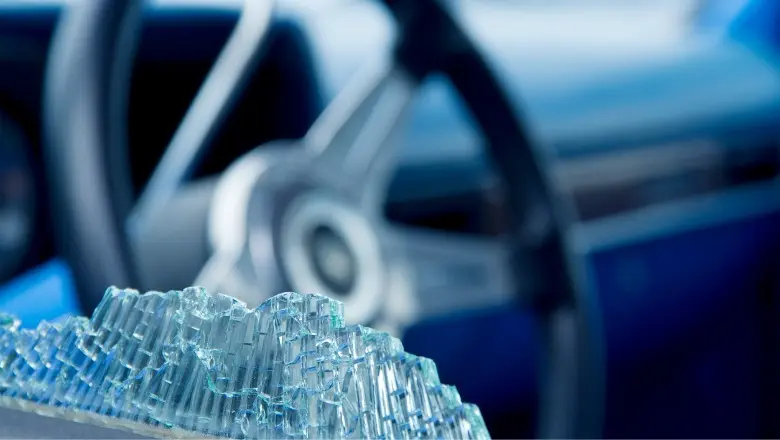
Shattered glass from a car windshield in the foreground, with the steering wheel and dashboard out of focus in the background.

Does Car Insurance Cover Vandalism?

If your car is intentionally scratched, dented, or damaged, one of your first questions will probably be whether vandalism is covered by your car insurance. The good news is that if you have comprehensive coverage or a separate vandalism policy, your insurance company will likely help pay for the repairs, minus your deductible. But there are nuances to know.

Here’s a closer look at how auto insurance works in cases of vandalism and tips on how to protect your car from being damaged.

Key Points

•   Comprehensive car insurance covers vandalism, including keying, tire damage, and broken windows.

•   Filing a vandalism claim requires a police report and visual evidence.

•   Premiums may increase, but less than for at-fault accidents.

•   Prevent vandalism by parking in well-lit, secure areas.

•   Use car alarms and security film to deter vandals.

Understanding Vandalism Coverage (Comprehensive Insurance)

As you may know, there are different types of car insurance coverage. One common type is comprehensive coverage. This type of protection is optional, but it can pay to repair or replace your car if it is damaged during a non-collision event, like a fire, hailstorm, or, yes, vandalism.

Definition and Examples of Covered Vandalism

In the eyes of insurers, vandalism occurs whenever there is intentional damage to a vehicle. As we mentioned, coverage is included with comprehensive insurance.

Commonly covered cases of vandalism include:

•   Keying

•   Slashed or damaged tires

•   Broken headlights, taillights, or windows

•   Paint and body damage

•   Sugar in the gas tank

How Comprehensive Coverage Applies to Vandalism Claims

Vandalism is usually covered by comprehensive because it’s not the result of a collision. Collision insurance, on the other hand, covers damages that are the result of a car either colliding with another car or object. Comprehensive covers all other damages that could occur to your car, such as acts of vandalism, natural disasters, or fires.

If your vehicle is vandalized, your comprehensive coverage will likely pay for any needed repairs up to the policy limits, not including your car insurance deductible.

How Vandalism Coverage Varies by Policy

While there is a lot of overlap, each insurance provider offers slightly different comprehensive packages. Deductibles and coverage amounts also vary, and some may even have unique exclusions.

If vandalism is an issue in your area, you may want to research different insurance providers. Some tend to increase premiums more aggressively than others after a claim.

Recommended: Online Auto Insurance

Find the Right Auto Coverage at the Right Price.

Competitive quotes from different car insurance providers could help you save $1,007 a year on average.*


*Results will vary and some may not see savings. Average savings of $1,007 per year for customers who switched and saved with Experian from May 1, 2024 through April 30, 2025. Savings based on customers’ self-reported prior premium. Experian offers insurance from a network of top-rated insurance companies through its licensed subsidiary, Gabi Personal Insurance Agency, Inc.

The Vandalism Claim Process and Its Impact

Follow these steps to properly report the incident to both the police and your insurance company.

What to Do Immediately After Vandalism (Report & Document)

Whether the vandalism is taking place right before your eyes or you happen upon it afterward, your first step is to call the police. Do not risk your safety in exchange for your car’s. If you discover the vandalism after the fact, you should still call the police.

It’s important to have a formal police report to properly document the incident. Insurance fraud is always weighed as a possibility, so you want to make it as clear as possible to your insurance company that you’re not responsible for your car’s damage.

Next, take pictures and videos of the damage. Be sure to capture both your whole vehicle and close-ups to give context. If it’s abundantly clear if the crime scene extends beyond your vehicle, get any additional shots that could help your claims adjuster.

How to File Your Insurance Claim

Most online insurance companies offer the ability to file a claim directly on their website or through their mobile app. However, depending on the company, you may need to call or file online.

Submit the police report along with any pictures and videos you took. Once you’ve submitted all of the information, your insurance company may send an adjuster out to personally inspect your car.

Will a Vandalism Claim Affect Your Premium?

As with at-fault accidents, a vandalism claim could cause your car insurance premiums to increase. However, because vandalism claims fall under comprehensive coverage, rate increases tend to be smaller than at-fault accidents claims. Keep in mind that if you live in an area where vandalism incidents occur frequently, then your premium may go up even more.

If you do file a vandalism claim and feel your premium increase is unjustified, you may want to consider switching insurance carriers.

Preventing Car Vandalism

Even if your auto insurance does cover vandalism, it’s better — and often cheaper — to try to prevent it altogether.

Effective Strategies to Deter Vandalism

Here are some simple ways to help keep your car as safe as possible.

•   Check your car alarm: While it’s not foolproof, having a car alarm installed may deter some vandals from breaking into or damaging your vehicle.

•   Hide your valuables: Your car is a more attractive target if you leave cash, electronics, and other valuables in plain sight. Take them out of your car or at least hide them in a safe spot inside your car.

•   Strengthen your windows: If you’re concerned about vandalism, consider adding clear security film to your windows. It makes the glass harder to break, which can minimize damage if someone tries to get inside your car.

The Importance of Parking Location and Security

Where you park can significantly influence how susceptible your car is to vandalism. For example, cars parked in a poorly lit, unsupervised, or high-crime area may be more vulnerable to vandalism.

To help keep your vehicle safe, try parking in areas that are well-lit, have gates or barriers to control access, or have security guards or visible security cameras.

Recommended: Auto Insurance Guide

The Takeaway

Does auto insurance cover vandalism? In general, yes — as long as you have comprehensive coverage or purchase a separate vandalism policy. If your car is vandalized, your insurance company will pay for necessary repairs up to your policy’s limits and minus your deductible. But note that your premiums may increase if you decide to file a claim.

When you’re ready to shop for auto insurance, SoFi can help. Our online auto insurance comparison tool lets you see quotes from a network of top insurance providers within minutes, saving you time and hassle.

SoFi brings you real rates, with no bait and switch.

FAQ

Do I need comprehensive coverage for my car to be protected from vandalism?

In general, yes. Vandalism falls under comprehensive coverage, which includes protection for damages that are not the result of a collision.

Will my car insurance rates go up if I file a vandalism claim?

It is possible your car insurance will go up for a vandalism claim, but the increase in your premium should be lower than if you file a claim after an at-fault accident.

Is it worth filing a claim for minor vandalism like a keyed door?

Short answer: It largely depends on your deductible. If you have a $500 deductible but the cost of the repair is $200, for instance, then there’s no point in filing a claim. To determine whether or not to file a claim, review your deductible amount and get a few different quotes for the repair.

Does vandalism coverage include things like slashed tires or broken windows?

Will insurance cover slashed tires? Yes, slashed tires and broken windows are both covered by vandalism coverage. Other common issues are covered as well, including:

•   Intentional keying damage

•   Sugar in the gas tank

•   Spray paint damage

Do I need a police report to file a vandalism claim?

Filing a policy report after a vandalism is a good idea because it helps boost your claim’s credibility. The police report will contain information your insurer needs to know, such as what happened, when it happened, and where it happened.


Photo credit: iStock/bagi1998

Auto Insurance: Must have a valid driver’s license. Not available in all states.
Home and Renters Insurance: Insurance not available in all states.
Experian is a registered trademark of Experian.
SoFi Insurance Agency, LLC. (“”SoFi””) is compensated by Experian for each customer who purchases a policy through the SoFi-Experian partnership.

Financial Tips & Strategies: The tips provided on this website are of a general nature and do not take into account your specific objectives, financial situation, and needs. You should always consider their appropriateness given your own circumstances.

SOPRO-Q325-026

Read more
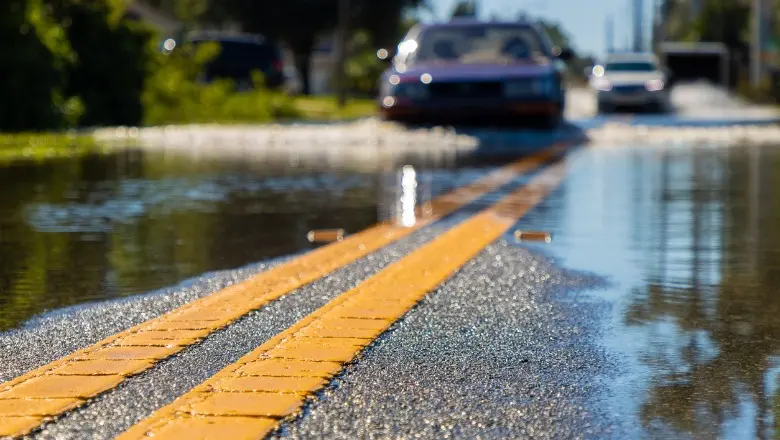
A flooded street with two yellow lines down the middle. Two cars are driving through the water in the distance.

Does Car Insurance Cover Flood Damage?

Car insurance covers flood damage to your vehicle if you have the right type of policy in place. You’ll need comprehensive coverage in order to have your car insurance company cover your vehicle repair or replacements costs, minus your deductible, if any.

Here’s what to know about flood damage and auto insurance, plus what exclusions may apply.

Key Points

•   Comprehensive car insurance covers flood damage, including natural disasters and incidents from driving through water.

•   Lenders often require comprehensive coverage for financed or leased vehicles.

•   Restarting a flooded car can cause severe engine damage and should be avoided.

•   Detailed maintenance records and damage documentation are essential for insurance claims.

•   Claim processing time can vary, typically up to 30 days, depending on the state.

Understanding Car Insurance Coverage for Flood Damage

How does car insurance cover flood damage? Through a comprehensive policy — here’s how it works.

Overview of Comprehensive Car Insurance

Comprehensive coverage is an optional add-on to a standard car insurance policy, though lenders may require it if you’re financing or leasing your car.

This type of coverage gives you financial protection when your car is damaged outside a collision, including weather events such as flooding, heavy rains, and hail storms. Of course, flooding may be just one reason why your vehicle was damaged. You could also be covered if, say, strong winds cause a tree branch to fall on your car.

Difference Between Comprehensive and Liability Insurance

Your state may not require you to purchase a comprehensive insurance policy. In fact, most states have liability insurance requirements instead. But they’re two very different types of policies.

•   Comprehensive: Covers damage to your vehicle that’s caused by something other than a collision.

•   Liability: Covers the cost of other people’s property damage and bodily injury costs when you’re at fault.

What Is Typically Covered Under Comprehensive Policies?

Here are more details on what a comprehensive policy usually covers, up to a limit:

•   Theft or and vandalism

•   Fire

•   Flooding

•   Hail

•   Collision with an animal

Recommended: A Comprehensive Guide to Car Insurance

Find the Right Auto Coverage at the Right Price.

Competitive quotes from different car insurance providers could help you save $1,007 a year on average.*


*Results will vary and some may not see savings. Average savings of $1,007 per year for customers who switched and saved with Experian from May 1, 2024 through April 30, 2025. Savings based on customers’ self-reported prior premium. Experian offers insurance from a network of top-rated insurance companies through its licensed subsidiary, Gabi Personal Insurance Agency, Inc.

Types of Flood Damage Covered by Car Insurance

Not all water damage is treated equally by insurers. Let’s look at a few flooding scenarios when comprehensive coverage may kick in.

Water Damage From Natural Flooding Events

Typically, comprehensive coverage pays for vehicle damage caused by rising water levels. You can file a claim to cover the costs. Depending on the extent of the damage, your insurer may consider it a total loss, meaning it will cost more to repair than the car is worth.

Damage Caused by Driving Through Floodwaters

Does full coverage car insurance cover flood damage from driving through high water? Generally, yes. Whether your engine or electrical systems are harmed or you discover rust and mold, you can file a claim to help cover the costs of all these problems.

Deterioration Due to Prolonged Exposure to Water

In some instances, damage caused by prolonged water exposure is also covered by your comprehensive insurance policy. However, it typically needs to be from something like heavy rain that got into your car or parking your car in an area that flooded.

Keep in mind that you may not be covered if the damage happened because your car wasn’t sealed properly. More on that below.

Recommended: What Does Flood Insurance Cover?

What Flood Damage Is Not Covered by Auto Insurance?

There are a number of instances when an insurer can deny your flood-related claim, even with comprehensive coverage in place.

Damage From Negligence

As the car owner, you’re responsible for both maintenance and preventative measures that can help protect your car from flood damage. For example, if your windows are left open or the seals around the door have deteriorated, your claim could be denied due to negligence.

Consequential Damage Not Directly Related to Flooding

Consequential damage refers to damage that’s not directly caused by the claim event — in this case, flooding — but by a related action. Let’s say your car stalls out in high water and you attempt to restart it, which you shouldn’t do as there’s a risk of engine damage called hydrostatic lock.

In the insurance company’s eyes, since you as the driver tried to restart the car, you caused the engine problem — not the flood waters. Therefore, you would likely not get your claim paid out.

Specific Exclusions in Standard Auto Insurance Policies

Check your policy for exclusions related to comprehensive coverage. Anything you installed on your own probably won’t be covered in your policy. Electronics are a common example, including stereos, scanners, GPS devices, phones, televisions, and other devices.

Filing a Claim for Flood Damage: Step-by-Step Guide

If your car insurance does cover flooding, you’ll need to file a claim in order to get reimbursed for the damage. Remember to ensure your surroundings are safe before trying to check on your car. Don’t enter standing water, since there could be dangerous powerlines submerged beneath the surface.

How to Document Flood Damage to Your Vehicle

When it is safe to get close to your car, take pictures and/or video of both the inside and the outside. You can also manually note issues you notice that may not come across clearly in pictures.

Next, submit all of the details to your insurance company through their claims process, either online, over the phone, or in their app if they have one.

Essential Information Needed for Your Claim

In addition to photos and video of the damage, you’ll also need the following information for a claim:

•   Insurance policy

•   Vehicle title

•   Maintenance records

Timeline for Processing Claims and Receiving Compensation

Once the claim is submitted, you’ll work with an insurance adjuster to see how your coverage applies. While you may be tempted to immediately get your car worked on, wait for an approval from your insurance company. They may pay out for a total loss rather than repairs, depending on the extent of the damage. Also, keep receipts for extra expenses you incur, like rental car fees.

Your insurance company will likely take up to 30 days to process the claim, but the limit can vary by state.

How to Protect Your Car from Flood Damage

Help minimize the damage to your vehicle by following these steps.

Tips for Safeguarding Your Vehicle in Flood-Prone Areas

If you know a storm is coming, and your car is in a flood-prone area, you’ll want to take some precautionary steps. First, keep tabs on the storm so you know when it’s expected to come your way. Before the bad weather starts, move your car to higher ground to reduce the risk of flooding. You may also consider parking in a covered area to prevent further damage.

Once the storm arrives, avoid driving through high water. Even if a detour means a longer drive, it’s worth it to protect yourself and your car.

Importance of Maintaining Comprehensive Coverage

If you live in a flood- or storm-prone area, adding comprehensive coverage can give you major peace of mind.

But you need to purchase a policy proactively instead of waiting for a storm to land in the forecast. Insurance companies usually enact binding restrictions once a large storm is predicted. You’re unable to make changes or add coverage to your policy during this timeframe.

The Takeaway

Does car insurance cover flooding? Most car damages caused by flooding are often covered by your policy as long as you have comprehensive insurance. Make sure you have enough coverage for all types of surprise weather events by comparing multiple insurance quotes.

When you’re ready to shop for auto insurance, SoFi can help. Our online auto insurance comparison tool lets you see quotes from a network of top insurance providers within minutes, saving you time and hassle.

SoFi brings you real rates, with no bait and switch.

FAQ

Can I add comprehensive coverage right before a storm?

Insurance companies usually enforce binding restrictions when a large storm is in the forecast. That means policy holders aren’t allowed to make changes or add new policies until the binding period is over, which is typically after the storm has passed.

Is it worth getting flood insurance for my car?

Flood insurance falls under comprehensive coverage, which can be a wise choice because it covers damage caused by things other than collisions.

What should I do if my car is submerged or severely damaged by a flood?

First, don’t try to start your car if it has been submerged. Rather, reach out to your insurance company right away. They can give you guidance on the best next steps based on your situation.

Will a flood damage claim make my car insurance rates go up?

Your car insurance rate could go up after flood damage. This is especially true if you live in an area where severe storms are occurring more frequently.

How does an insurer decide if a flooded car is a total loss?

It depends on the repair estimate. If it costs more to fix the car than to pay out its current value, the insurer may declare it a total loss.


Photo credit: iStock/Ajax9

Auto Insurance: Must have a valid driver’s license. Not available in all states.
Home and Renters Insurance: Insurance not available in all states.
Experian is a registered trademark of Experian.
SoFi Insurance Agency, LLC. (“”SoFi””) is compensated by Experian for each customer who purchases a policy through the SoFi-Experian partnership.

Financial Tips & Strategies: The tips provided on this website are of a general nature and do not take into account your specific objectives, financial situation, and needs. You should always consider their appropriateness given your own circumstances.

SOPRO-Q325-027

Read more
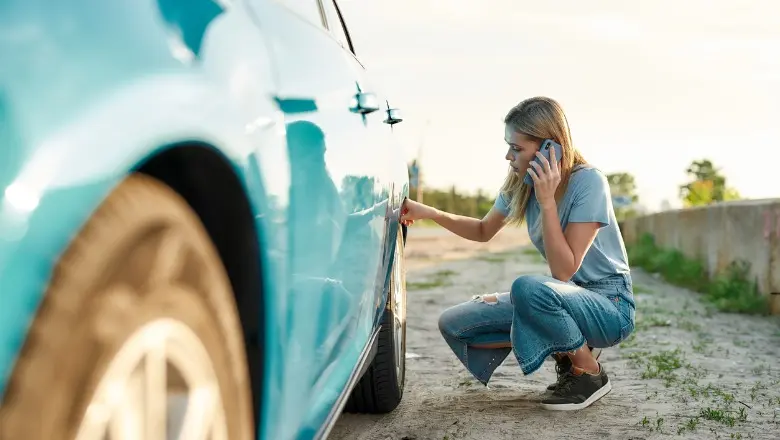
A young woman squats beside her car, inspecting a flat tire while calling a tow truck.

Does Car Insurance Cover Towing?

If you’re in an accident or your car breaks down, you may need to get your car towed to the nearest repair shop. The price of towing can be steep, especially if you need to go a long distance. You may find yourself wondering if car insurance will cover that cost, and the answer is: sometimes.

Let’s dive into when insurance covers towing and when you will need to pay out of pocket.

Key Points

•   Car insurance can cover towing costs for collisions or non-accident damage.

•   Standard policies exclude towing for mechanical issues; roadside assistance is usually needed.

•   Roadside assistance covers breakdowns, flat tires, and lockouts.

•   Document the incident, gather information, and keep towing receipts for claims.

•   Towing and impound fees from traffic violations are not covered.

When Does Auto Insurance Cover Towing?

Ultimately, whether or not your car insurance covers the cost of towing will depend on the coverage you have and whether or not you’ve been in an accident.

If you’ve been involved in a collision and can’t drive your car, your collision coverage may pay for towing. It’s also possible that if you’re in an accident in which you’re not at fault, the other driver’s insurance will cover these costs.

Overview of Towing Coverage in Standard Policies

There are several types of car insurance. Most standard auto insurance policies don’t include towing coverage for mechanical breakdowns or other issues not related to a car accident. That said, you may be able to purchase optional roadside assistance from your insurance company.

Conditions That Must Be Met for Towing Coverage to Apply

If you do decide to purchase roadside assistance, there are often certain conditions that must be met before you can use it. For instance, the tow service may be able to tow your vehicle anywhere within a certain radius or to the closest qualified repair shop beyond that radius.

Other roadside services might include jumpstaring your car, delivering fuel, providing locksmith services, or winching in case your car is stuck in mud or snow.

Recommended: Roadside Assistance for a Flat Tire

Find the Right Auto Coverage at the Right Price.

Competitive quotes from different car insurance providers could help you save $1,007 a year on average.*


*Results will vary and some may not see savings. Average savings of $1,007 per year for customers who switched and saved with Experian from May 1, 2024 through April 30, 2025. Savings based on customers’ self-reported prior premium. Experian offers insurance from a network of top-rated insurance companies through its licensed subsidiary, Gabi Personal Insurance Agency, Inc.

Does Car Insurance Cover Towing After an Accident?

It is possible that your insurance will pay for towing if your car has been in an accident, either through your collision or comprehensive coverage.

Explanation of Coverage for Towing Following a Covered Accident

Collision insurance covers costs associated with an accident with another vehicle or a stationary object, such as a telephone pole. If you can’t drive your car after this type of accident, your collision coverage may pay for the cost of towing.

Collision insurance usually requires you to pay a deductible before it kicks in. For example, if you have a $500 deductible and your car sustained $2,000 in damage, you’ll need to pay that $500 first before your insurance company steps in to pay the remaining $1,500.

Comprehensive insurance covers damage in non-accident events, such as theft, vandalism, and natural disasters. For example, depending on your coverage, if a tree branch fell on your car and you’re unable to drive it, your comprehensive insurance might pay for the cost of towing it to the nearest repair shop. Comprehensive coverage also typically comes with a deductible.

Process for Filing a Claim for Towing After an Accident

To file a claim after an accident, you’ll first want to make sure that you document the damage with photos and videos. If another driver is involved, get their contact and insurance information. You’ll also want to make a note of the driving conditions, including weather and visibility. And get contact information for any witnesses.

Get a receipt or invoices from the whatever reputable towing company tows your vehicle, and keep a copy for your records as well.

Next, contact your insurance company to file the claim. They will likely assign an adjuster to assess the claim and damages, and you may be asked to provide them with whatever information you gathered, including the receipt from the towing company. Once they’ve reviewed the case, your insurance company will offer you a settlement.

If you are not at fault in an accident, the other driver’s insurance may cover the cost of towing.

Does Car Insurance Cover Impound Fees?

Your car insurance does not usually cover the cost of impound fees except in certain accident-related circumstances.

Definition of Impound Fees and How They Are Incurred

An impound fee is the charge you have to pay when your vehicle has been towed and stored in a secure location, such as an impound lot. Much of the time, cars are impounded due to traffic violations, like accidentally parking in a tow away zone.

In some cases, if your car is in an accident and needs to be cleared off the road, it may be towed to an impound lot. This might happen if you as the driver are incapacitated due to injury, for example.

When Insurance May Cover Impound Fees

If your car is towed to an impound lot due to an accident, your insurance may cover the impound fees. However, if your car is towed for other reasons — like not moving it on a street cleaning day — then your insurance probably won’t cover the impound fees.

Guidelines for Filing Claims Related to Impound Fees

Want to file a claim for your impound fees? You’ll want to follow the same steps as you would for filing a claim.

But there are a couple important things to note. First, impound fees tend to be expensive, so you’ll want to get it out of the lot as fast as possible. This may mean paying the impound fees yourself first. Be sure to keep all receipts and documentation related to these fees, and provide them to your insurance company when you file a claim.

Roadside Assistance Coverage

Whether your car breaks down, gets stuck in the mud, or your battery dies in the grocery store parking lot, 24-hour roadside assistance can be a huge help. As mentioned above, this is an optional add-on offered by many auto insurance companies.

How to Determine if Roadside Assistance Is on Your Policy

Typically, you will have to choose to add roadside assistance to your policy. If you don’t remember whether you’ve done so, review your policy details or call your insurance company and ask.

Recommended: Car Insurance Online

The Takeaway

Does insurance cover towing after an accident? The answer depends on the type of coverage you have and the situation you’re in. The coverage you need in an accident is quite different from the coverage you need when your transmission fails at a stoplight. Understanding the coverage your have now can help you figure out when you’re on the hook for towing services — and whether adding roadside assistance could make sense

When you’re ready to shop for auto insurance, SoFi can help. Our online auto insurance comparison tool lets you see quotes from a network of top insurance providers within minutes, saving you time and hassle.

SoFi brings you real rates, with no bait and switch.

FAQ

Do I need roadside assistance if my policy already covers towing after an accident?

You might still consider roadside assistance even if your policy covers towing after an accident. Typically, collision or comprehensive coverage covers accident-related towing. But roadside assistance kicks in during other scenarios, such as breakdowns, flat tires, and lockouts.

Is there a limit to how far my car can be towed under my policy?

Depending on your policy, there may be a limit to how far your car can be towed. For example, you may need to tow the car to the closest reputable repair shop rather than a preferred repair shop farther away.

Does my insurance cover towing if my car just breaks down?

Your car insurance is unlikely to cover the cost of towing when your car breaks down, unless you have added roadside assistance.

How do I use my roadside assistance coverage when I need it?

To use your roadside assistance, you can first call your insurance provider, who can help connect you to local auto service providers. Alternatively, you may be able to call the service providers directly and have your insurance reimburse you. Check your policy details to understand which method is preferred by your insurance company.

Is it cheaper to add roadside assistance to my policy or get it from another service?

It could be cheaper to add roadside assistance to an existing policy vs. getting it through another service. That said, it is worth shopping around to help ensure you’re getting the best deal.


Photo credit: iStock/LanaStock

Auto Insurance: Must have a valid driver’s license. Not available in all states.
Home and Renters Insurance: Insurance not available in all states.
Experian is a registered trademark of Experian.
SoFi Insurance Agency, LLC. (“”SoFi””) is compensated by Experian for each customer who purchases a policy through the SoFi-Experian partnership.

Financial Tips & Strategies: The tips provided on this website are of a general nature and do not take into account your specific objectives, financial situation, and needs. You should always consider their appropriateness given your own circumstances.

SOPRO-Q325-029

Read more

Does My Car Insurance Cover Rental Cars?

If you’ve ever rented a car, you’re familiar with the moment at the rental agency when you’re presented with the opportunity to buy insurance. This can be a bit stressful, since adding insurance can significantly raise costs. However, it’s important to know that you may not need to.

If you carry car insurance of your own, your coverage may overlap with most rental coverage, and you won’t need to pay for duplicate coverage. What’s more, your credit card might provide an extra layer of protection. There are, however, some instances in which adding coverage may make sense. Let’s take a closer look.

Key Points

•  Personal car insurance often covers rental cars, but limitations may apply.

•  Credit cards can provide secondary rental car insurance.

•  Review policy limits, including deductibles and exclusions.

•  Contact insurance and credit card companies before renting a car.

•  Report accidents promptly to all involved parties.

Where Your Rental Car Coverage Can Come From

When you drive a car, you need insurance. That’s true for your personal vehicle and for rentals. When renting a car, insurance coverage can potentially come from three places.

Your Personal Auto Policy

Most car insurance policies will cover the same things as rental car insurance. So, what does car insurance cover? If you get in an accident, liability coverage can pay for damages and injuries you cause to other people and their property. Collision coverage should cover damages to your rental vehicle.

Your Credit Card Benefits

Some credit card companies offer coverage if you use your card to pay for the rental. This coverage is secondary and typically kicks in once your personal auto insurance has paid for what it’s willing to cover. That said, credit card coverage can be quite valuable. For example, it might reimburse you for part of the cost of your deductible.

Most major credit card companies offer some form of insurance. However, the exact details can vary depending on the bank that issued the card. Check the benefits guide for your card, or call the customer service number on the back of your card and ask what coverage they offer.

Insurance from the Rental Car Company

If you buy insurance from a rental company, it may include liability coverage to cover the cost of damages and injuries you cause. It may also include loss or collision damage waivers. These essentially release you from responsibility of damages caused to the vehicle during an accident or during theft or vandalism. There may also be personal damage coverage that covers injuries to yourself and personal effects coverage that covers the cost of items stolen from your rental car.

Recommended: A Comprehensive Guide to Auto Insurance

Key Coverage Limitations and Considerations

Your personal insurance and credit card coverage may be enough to cover your risks when renting a car. But there may be limits that are important to understand as you get to know how your car insurance works.

Understanding Your Deductibles and Policy Limits

Certain car insurance policies, such as collision and comprehensive coverage, have deductibles. They require you to pay up to a certain amount — $1,500, for example — before they kick in. If you have a very high deductible, it’s certainly worth checking to see if your credit card will cover part or all of it in the case of an accident.

For example, if your deductible is $1,500 and your credit card covers $1,000. If you were involved in an accident with $2,000 in damage, you’d still be on the hook for $500. If covering this difference feels risky to you, you may want to add rental insurance from the rental car company, which often carries no or low deductibles.

You’ll also want to investigate limits to your policy coverage. For instance, travel outside of the U.S. may not be covered, in which case you might want additional insurance.

Common Exclusions

In addition to exclusions for international travel, there may be additional exclusions for renting trucks or vehicles for business purposes. These vehicles present higher risks for insurance and potentially different legal liabilities.

However, your personal coverage may cover small pickup trucks. There’s often a weight limit, so it’s worth familiarizing yourself with your policy details before renting one.

Deciding If You Need to Buy Extra Insurance

If you’re considering renting a car, you’ll want to figure out how much insurance you really need and whether to buy extra insurance. If the vehicle you’re renting isn’t covered, that’s a no brainer: You’ll likely need extra insurance. The same goes if you don’t carry a personal policy.

Otherwise, it comes down to personal preference. You may want extra insurance if you have a high deductible or carry very low liability coverage, for example.

Buying insurance with the rental company bypasses your insurance company. So, you may also want to buy the insurance if you’re worried that an accident will cause your personal rates to go up.

What to Do Before and After You Rent

Before you’re asked to make a decision about coverage at the rental desk, it helps to gather all your facts.

Before You Rent: Steps to Check Your Coverage

Check what types of coverage your insurance provides. It may be easiest to contact your insurance company directly. Have the representative explain what your policy covers and any limitations.

With this information in hand, contact your credit card company and find out where their coverage comes in. Some cards offer primary coverage, though most will offer secondary coverage that kicks in after your auto insurance has finished paying. Credit cards typically provide a collision or loss damage waiver, but may offer little in the way of liability coverage.

In Case of an Accident: How to File a Claim

If you’re in an accident, notify your rental company, insurance company, and credit card right away. Start gathering evidence, including police reports, photos of the damage, and the other party’s contact information and insurance details.

Depending on who is at fault, you’ll work with your insurance company, the other driver’s insurance company, or a combination of the two to cover the cost of repairs. Depending on how much your insurance covers, your credit card may step in to cover further costs.

Recommended: How to Get Auto Insurance

The Takeaway

You don’t always need additional rental car insurance. But before you make that decision, get to know exactly what your personal car insurance covers and what protection your credit card offers. This knowledge can help you know exactly how much additional insurance you need, if any, when you rent a car. And avoiding duplicating coverage can potentially save you a lot of money.

When you’re ready to shop for auto insurance, SoFi can help. Our online auto insurance comparison tool lets you see quotes from a network of top insurance providers within minutes, saving you time and hassle.


SoFi brings you real rates, with no bait and switch.

FAQ

Does my personal car insurance automatically cover rental cars?

Your personal car insurance may automatically cover renting a car. However, it’s important to ask your insurance carrier if your policy has any limitations.

Is the insurance offered by my credit card enough?

The insurance offered by your credit card may not be enough coverage. For example, your card could provide a loss and/or collision waiver, but may provide little in the way of liability coverage.

Should I buy the insurance offered at the rental counter?

If there are holes in your personal coverage or the coverage offered by your credit card, you may want to purchase additional insurance at the rental counter. You may also want to do so based on personal preference. For example, if you wish to avoid the possibility of your insurance premiums going up in the event of an accident, you might prefer buying insurance at the rental counter.

What happens if I get into an accident in a rental car?

If you get into an accident in a rental car, contact your insurance company and credit card company immediately. They will start the claims process. If you bought insurance through the rental car company, they will investigate the claim.

Does my car insurance cover U-Haul trucks or international rentals?

It’s likely that your personal coverage does not cover moving vans and international rentals, so you may want to consider purchasing additional coverage.


iStock/shaunl
Auto Insurance: Must have a valid driver’s license. Not available in all states.
Home and Renters Insurance: Insurance not available in all states.
Experian is a registered trademark of Experian.
SoFi Insurance Agency, LLC. (“”SoFi””) is compensated by Experian for each customer who purchases a policy through the SoFi-Experian partnership.

Third-Party Brand Mentions: No brands, products, or companies mentioned are affiliated with SoFi, nor do they endorse or sponsor this article. Third-party trademarks referenced herein are property of their respective owners.

Financial Tips & Strategies: The tips provided on this website are of a general nature and do not take into account your specific objectives, financial situation, and needs. You should always consider their appropriateness given your own circumstances.

SOPRO-Q325-020

Read more

Does Car Insurance Cover a Stolen Car?

Having the right insurance policy in place can help you get reimbursed if your vehicle is stolen. But comprehensive auto insurance is the only type of policy that covers theft. How does insurance cover a stolen car? Here’s what to know about how comprehensive policies work, how to file a claim, and exclusions that may not be part of your coverage.

Key Points

•   Comprehensive insurance is required for theft coverage, safeguarding the car and its parts.

•   Liability and collision policies do not cover car theft.

•   A police report is required to file an auto theft claim with your insurer.

•   Exclusions include vehicle upgrades and personal property.

•   Insurance reimburses the actual cash value, not the cost of a new car.

Yes, Car Insurance Covers a Stolen Car — If You Have the Right Coverage

Not every type of car insurance covers a stolen vehicle. Even if it does, how does car insurance cover a stolen car? You’ll need comprehensive coverage in order to successfully file a claim.

Comprehensive Coverage: The Key for Stolen Car Claims

Does car insurance cover theft? It can if you have a comprehensive auto insurance policy. You can file a claim for one of two scenarios: a stolen vehicle that isn’t recovered, or one that is recovered. Here’s how coverage works for each one:

•   Vehicle is not recovered: After subtracting your car insurance deductible amount, your insurer will likely reimburse you for the vehicle’s actual cash value.

•   Vehicle is recovered: If you find the stolen vehicle and there’s damage (like broken windows), a comprehensive policy should cover the repairs after your deductible.

How Comprehensive Differs from Liability and Collision

Each state has its own basic requirements for car insurance, but there are actually four main types of policies to choose from with varying degrees of coverage.

•   Liability: Usually the minimum coverage required by states, it covers bodily injury liability and property damage liability of another person when you’re at fault for the damage.

•   Collision: This additional coverage repairs or replaces your car if it’s been in a collision, regardless of fault.

•   Uninsured motorist coverage: Uninsured motorist coverage pays out when you’re in an accident and an uninsured driver is at fault.

•   Comprehensive: This type of policy covers damage caused by things like theft, fire, vandalism, and fallen objects.

As you can see, the only way insurance covers a stolen car is if you have comprehensive insurance as part of your policy.

When a Stolen Car Is Typically Covered

If your car gets stolen, insurance covers it in a few scenarios under a comprehensive policy. It covers the car itself if it’s not recovered, damage if it is recovered, and stolen parts (including catalytic converters).

What to Do If Your Car Is Stolen

Your car is missing — now what? Here are a few things you need to do next.

Immediate Steps to Take After Your Car is Stolen

The first thing to do after your car is stolen is to call the police and file a report. A stolen vehicle report is typically required by the insurance company in order to get reimbursed.

Next, file a claim with your insurance company.

Finally, if your car was financed or leased, you must report the theft to your lender as well.

How to Report a Stolen Car to Police and Your Insurer

Once you call the police to report your stolen vehicle, you’ll need to give them some key information:

•   Vehicle make, model, and color

•   License plate number

•   Vehicle identification number (VIN)

•   Car GPS system details (if applicable)

The insurance claim process varies depending on your insurance company. Most offer options to file a claim online, over the phone, or through their app.

What Documentation You’ll Need for Your Claim

Here’s what insurance companies typically require when you file a claim for a stolen vehicle:

•   Vehicle title

•   Locations of keys both before and after the vehicle was stolen

•   Contact information of anyone who was able to access the car

•   Vehicle details, including mileage, maintenance records, and upgrades

•   Financing or leasing information

Recommended: How Much Auto Insurance Do I Need?

How a Stolen Car Insurance Claim Works

The claims process for a stolen vehicle is different than a collision because it’s likely that there is no physical car to assess its value.

The Waiting Period for a Stolen Vehicle Claim

Many insurers treat an unrecovered vehicle like a total loss. But first, they’ll enact a waiting period to see if your car is recovered. The waiting period usually lasts 30 days. After that period, they can initiate the appraisal process if your car hasn’t been located.

It’s worth noting that if your car is settled as a total loss and it’s recovered after you receive reimbursement money from your insurance company, they’ll own the car. However, it may be possible for you to buy it back.

How Your Car’s Value is Determined (Actual Cash Value)

Most insurance companies use actual cash value (ACV) to determine your reimbursement amount (up to the limit of your policy). That means you don’t receive the amount of money it would take to buy your car new today. Instead, the insurance company accounts for depreciation, which factors in things like age, mileage, and condition.

Submitting documents like maintenance and service work could help you qualify for a larger cash value estimate.

Common Exclusions and Limitations to Be Aware Of

It’s important to quickly notify your car insurance company when your car is stolen and respond to any follow-up requests. Otherwise, your claim could be delayed or even denied.

Other reasons that may limit your payout or cause a claim denial include:

•   Incomplete documentation

•   Unauthorized driver using the car

•   Lapsed policy

•   Car being used outside of the policy terms (like ride-sharing, for instance)

What Isn’t Covered When Your Car is Stolen?

In addition to those exclusions, here are some things typically not covered by a comprehensive car insurance policy.

Personal Belongings Left in the Car

Any personal belongings left in your car aren’t covered by your auto insurance when the vehicle is stolen. However, if you have renters, homeowners, or condo insurance, you should have coverage for stolen items, even if they’re outside the home at the time of theft. You’ll need to file a separate claim with that policy. Also understand that your policy’s deductible and personal property coverage limit also apply to how much you’ll be reimbursed.

Custom Parts and Equipment (Unless Endorsed)

Standard comprehensive policies usually don’t cover custom parts, upgrades, or anything added aftermarket. The exception is if you’ve added custom parts and equipment (CPE) coverage to your existing policy.

Theft Due to Fraud or Negligence

Your auto policy won’t cover a car theft if the policy holder fraudulently staged the theft or was negligent with the vehicle’s safekeeping.

Here are some examples of insurance fraud related to car theft:

•   Hard fraud: The owner plans a theft with a partner and files a claim with the insurance company

•   Soft fraud: When accurate information is left off the insurance claim, such as:

◦   Leaving out household driver information

◦   Overreporting the value of the car

◦   Lying about where the car is registered (since zip codes can cause price fluctuations depending on crime rates)

Recommended: Auto Insurance Guide

The Takeaway

Does car insurance cover theft? If your car is stolen and you have comprehensive auto insurance, it will cover the cost to repair or replace your vehicle, up to its actual cash value at the time of the theft, minus your chosen deductible. But keep in mind that If your car is found after the insurance company pays the claim, it will own the vehicle. You might be able to buy it back, if you wish.

When you’re ready to shop for auto insurance, SoFi can help. Our online auto insurance comparison tool lets you see quotes from a network of top insurance providers within minutes, saving you time and hassle.


SoFi brings you real rates, with no bait and switch.

FAQ

Will my insurance pay for a rental car if my car is stolen?

Does insurance cover car theft of rental cars? Unfortunately, not as part of a standard comprehensive auto policy. Instead, you need to have rental reimbursement coverage included in your overall policy.

Does car insurance cover personal items stolen from my car?

No, personal items are typically covered by renters, homeowners, or condo insurance.

How is my stolen car’s value determined for the claim payout?

Your insurance company will assess the car’s value based on its actual cash value. They’ll take into account things like the age, condition, and mileage of the vehicle.

Will my insurance rates go up after a stolen car claim?

It’s possible that your insurance rate will increase after filing a stolen vehicle claim, even if you weren’t at fault.

What happens if my car is recovered after the insurance company pays my claim?

The insurance company will own the car. You may be able to use your settlement funds to buy back the car if you wish.


photo credit: iStock/Rattankun Thongbun
Auto Insurance: Must have a valid driver’s license. Not available in all states.
Home and Renters Insurance: Insurance not available in all states.
Experian is a registered trademark of Experian.
SoFi Insurance Agency, LLC. (“”SoFi””) is compensated by Experian for each customer who purchases a policy through the SoFi-Experian partnership.

Financial Tips & Strategies: The tips provided on this website are of a general nature and do not take into account your specific objectives, financial situation, and needs. You should always consider their appropriateness given your own circumstances.

SOPRO-Q325-021

Read more
TLS 1.2 Encrypted
Equal Housing Lender