How Much Will a $700,000 Mortgage Cost per Month?

The monthly amount that you pay on a mortgage for $700,000 covers the principal payment and interest, and your exact payment depends on several variables, including your interest rate. A $700,000, 30-year mortgage with a 6.00% interest rate, for example, costs around $4,200 monthly. However, there may be additional costs that you have to pay throughout the life of the loan, not to mention upfront costs that you must pay when you first close on the home.

The monthly cost of a mortgage depends on the interest rate, the length of the loan, and any additional costs, such as private mortgage insurance (PMI) charged on some loans. Mortgage loan terms are typically from 15 years to 30 years, and the monthly payments for a 15-year loan can be much higher than the payments for a 30-year loan, although, over its lifetime, the 30-year mortgage is typically more costly because interest costs are higher.

Here’s a look at how much a $700,000 mortgage might cost per month for a 15-year or 30-year loan term with various interest rates.

Key Points

•   The monthly cost of a $700,000 mortgage depends on factors like interest rate, loan term, and down payment.

•   Using a mortgage calculator can help you estimate monthly payments and determine affordability.

•   Factors like property taxes, homeowners insurance, and private mortgage insurance (PMI) can also affect the overall cost.

•   It’s important to consider your budget and financial goals when determining the affordability of a mortgage.

•   Working with a lender or mortgage professional can provide personalized guidance and help you understand the costs involved.

First-time homebuyers can
prequalify for a SoFi mortgage loan,
with as little as 3% down.

Questions? Call (888)-541-0398.


What Is the Total Cost of a $700K Mortgage?

A $700,000 30-year mortgage with a 6.00% interest rate (which, as noted above, costs around $4,200 monthly) has a total cost of $1,510,867. The same loan over 15 years would have a $5,907 monthly payment and a total cost of $1,063,260. These amounts are simply estimates; exact costs will depend on interest, escrow, taxes, and insurance. A rule of thumb when buying a home is to not pay more than 28% of your gross monthly income. So someone whose monthly mortgage payment is $4,200 would need to take home at least $15,000 a month.


💡 Quick Tip: Buying a home shouldn’t be aggravating. SoFi’s online mortgage application is quick and simple, with dedicated Mortgage Loan Officers to guide you through the process.

The Upfront Costs of a $700K Mortgage
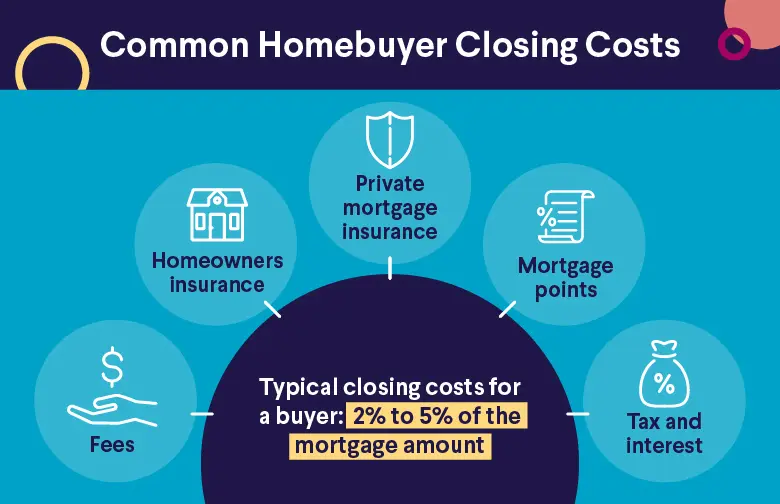

When you buy a house and take out a mortgage, in addition to your down payment, you will have to pay closing costs. Closing costs are mostly the administrative expenses for closing the deal. They include mortgage lender fees, titling fees, insurance fees, taxes, and appraisal fees. These costs are typically not covered by your down payment. Here’s a closer look at some upfront costs a buyer will face.

Earnest money Also known as a deposit, this is the money you put down to show the seller you’re serious about buying their place.

Down payment The amount you pay as a down payment will depend on the type of home loan. A conventional loan without private mortgage insurance (PMI) may call for a 20% down payment. On the other hand, you might get a conventional loan with mortgage insurance with a 3% down payment. A down payment for a Federal Housing Administration loan is typically around 3.5%, and Veterans Affairs loans or U.S. Department of Agriculture loans require no down payment.

The more you can afford as a down payment, the less interest you will pay because the lender considers you less risky as a borrower.

Closing costs Your lender will charge you fees for administrative services, such as application, origination, and underwriting fees. And then there are transfer taxes associated with transferring the title from the seller to the buyer.

Recommended: First-Time Homebuyer Guide

The Long-Term Costs of a $700K Mortgage

Your mortgage payments pay down the principal and the interest on your loan. Proportionally, more of your payment will go toward interest rather than the principal at the beginning of the loan term, and at the end of the loan term, more of your payment will go toward paying down the principal.

If you paid less than 20 percent as a down payment, your mortgage lender may also require you to pay private mortgage insurance (PMI) on a monthly basis. However, there are also other long-term costs:

Property taxes These can add up to thousands of dollars a year and can change annually, or as often as your town raises taxes.

Home maintenance One rule of thumb is to set aside 1% of your home’s total value each year for maintenance costs.

HOA, condo, or co-op fees If your home is a condo or part of a homeowners association (HOA) or co-op, you will need to pay a monthly fee. The fee covers services such as grounds maintenance, use of a community center, and snow removal. HOA fees can range anywhere from $100 to $1,000 or more.

Homeowners’ and hazard insurance Some areas are designated “high risk” for natural disasters, such as floods, earthquakes, wildfires, or severe storms. If your home is located in one of these areas, you will need to pay hazard insurance, which costs on average $2,110 per year, though prices vary, based on location and other factors.

Recommended: Home Loan Help Center

Estimated Monthly Payments on a $700K Mortgage

Mortgage loan terms have a big impact on your monthly payment amount. The table below shows the estimated monthly payments for a $700,000 mortgage loan for both a 15-year and a 30-year loan with interest rates varying from 6% to 8%.

Interest rate

15-year term

30-year term

6% $5,907 $4,197
6.5% $6,098 $4,424
7% $6,292 $4,657
7.5% $6,489 $4,895
8% $6,690 $5,136

How Much Interest Is Accrued on a $700K Mortgage?

The amount of interest accrued on a $700,000 mortgage will depend on the length of the loan and the interest rate. A shorter loan term will mean less accrued interest. For example, for a 15-year loan for $700,000 with a 6.00% interest rate, the interest would amount to around $363,260 over the life of the loan. For a 30-year loan with a 6.00% interest rate, the interest would be more than double at $810,867.

Amortization Breakdown for a $700K Mortgage

An amortization schedule for a mortgage loan tells you when your last payment will be and how much of your monthly payment goes toward paying off the principal and how much goes toward paying off the interest. At the beginning of the loan term, most of your payment will go toward the interest.

Below is the mortgage amortization breakdown for a $700,000 mortgage with a 6.00% interest rate for a 30-year loan.

Year

Beginning balance

Interest paid

Principal paid

Ending balance

1 $700,000.00 $8,596.08 $41,766.16 $691,403.92
2 $691,403.92 $9,126.27 $41,235.97 $682,277.65
3 $682,277.65 $9,689.16 $40,673.09 $672,588.49
4 $672,588.49 $10,286.76 $40,075.48 $662,301.73
5 $662,301.73 $10,921.23 $39,441.02 $651,380.50
6 $651,380.50 $11,594.83 $38,767.42 $639,785.67
7 $639,785.67 $12,309.97 $38,052.27 $627,475.70
8 $627,475.70 $13,069.22 $37,293.02 $614,406.48
9 $614,406.48 $13,875.30 $36,486.94 $600,531.18
10 $600,531.18 $14,731.10 $35,631.14 $585,800.07
11 $585,800.07 $15,639.68 $34,722.56 $570,160.39
12 $570,160.39 $16,604.30 $33,757.94 $553,556.09
13 $553,556.09 $17,628.42 $32,733.82 $535,927.66
14 $535,927.66 $18,715.70 $31,646.54 $517,211.96
15 $517,211.96 $19,870.05 $30,492.20 $497,341.91
16 $497,341.91 $21,095.59 $29,266.65 $476,246.32
17 $476,246.32 $22,396.72 $27,965.52 $453,849.60
18 $453,849.60 $23,778.10 $26,584.14 $430,071.50
19 $430,071.50 $25,244.68 $25,117.56 $404,826.82
20 $404,826.82 $26,801.72 $23,560.53 $378,025.10
21 $378,025.10 $28,454.79 $21,907.46 $349,570.31
22 $349,570.31 $30,209.82 $20,152.43 $319,360.50
23 $319,360.50 $32,073.09 $18,289.15 $287,287.40
24 $287,287.40 $34,051.29 $16,310.95 $253,236.11
25 $253,236.11 $36,151.50 $14,210.74 $217,084.61
26 $217,084.61 $38,381.25 $11,981.00 $178,703.36
27 $178,703.36 $40,748.52 $9,613.73 $137,954.85
28 $137,954.85 $43,261.80 $7,100.45 $94,693.05
29 $94,693.05 $45,930.09 $4,432.15 $48,762.96
30 $48,762.96 $48,762.96 $1,599.29 $0.00

What Is Required to Get a $700K Mortgage?

Let’s say you want to buy a home for $875,000 with a down payment of 20% or $175,000. To qualify for a 30-year mortgage loan of $700,000 with a 6.00% interest rate, you would need to earn around $180,000 annually. For a 15-year loan, you would need to earn around $253,000 annually.

This calculator shows you how much of a mortgage you can afford based on your gross annual income, your monthly spending, your down payment, and the interest rate.

How Much House Can You Afford Quiz

The Takeaway

When you’re calculating how much a mortgage loan for $700,000 will cost per month, the principal and interest are two of the biggest components. The length of the loan will drastically affect the amount of interest paid over the life of the loan. For example, the interest paid on a 30-year loan versus a 15-year loan with a 6.00% interest rate could be more than double.

Bear in mind also that there are other costs that may be included, such as private mortgage insurance. And don’t forget about closing costs as well.

Looking for an affordable option for a home mortgage loan? SoFi can help: We offer low down payments (as little as 3% - 5%*) with our competitive and flexible home mortgage loans. Plus, applying is extra convenient: It's online, with access to one-on-one help.


SoFi Mortgages: simple, smart, and so affordable.

FAQ

What will the monthly payments be for a $700K mortgage?

The longer your loan term, the lower your monthly payment on a mortgage loan, but you will pay more interest over the life of the loan. The exact monthly payment for a $700,000 mortgage will depend on the interest rate and the loan term. The payment for a $700,000 30-year mortgage with a 6.00% interest rate is approximately $4,200. For a 15-year loan with the same interest rate, the monthly payment is around $5,900.

How much do I need to earn to afford a $700K mortgage loan?

To buy a home for $875,000 with a down payment of 20% or 175K, and with a 30-year mortgage loan of $700,000 with a 6.00% interest rate, you would need to earn around $180,000 annually. For a 15-year loan, you would need to earn around $253,000 annually.

How much down payment is required for a $700K mortgage loan?

The down payment you will pay will depend on the type of mortgage and the lender. Some lenders accept 3%, while some expect 20%. If your down payment is less than 20%, you might have to add private mortgage insurance (PMI) to your monthly payments.


Photo credit: iStock/Xacto

SoFi Loan Products
SoFi loans are originated by SoFi Bank, N.A., NMLS #696891 (Member FDIC). For additional product-specific legal and licensing information, see SoFi.com/legal. Equal Housing Lender.


SoFi Mortgages
Terms, conditions, and state restrictions apply. Not all products are available in all states. See SoFi.com/eligibility-criteria for more information.


*SoFi requires Private Mortgage Insurance (PMI) for conforming home loans with a loan-to-value (LTV) ratio greater than 80%. As little as 3% down payments are for qualifying first-time homebuyers only. 5% minimum applies to other borrowers. Other loan types may require different fees or insurance (e.g., VA funding fee, FHA Mortgage Insurance Premiums, etc.). Loan requirements may vary depending on your down payment amount, and minimum down payment varies by loan type.

¹FHA loans are subject to unique terms and conditions established by FHA and SoFi. Ask your SoFi loan officer for details about eligibility, documentation, and other requirements. FHA loans require an Upfront Mortgage Insurance Premium (UFMIP), which may be financed or paid at closing, in addition to monthly Mortgage Insurance Premiums (MIP). Maximum loan amounts vary by county. The minimum FHA mortgage down payment is 3.5% for those who qualify financially for a primary purchase. SoFi is not affiliated with any government agency.
Veterans, Service members, and members of the National Guard or Reserve may be eligible for a loan guaranteed by the U.S. Department of Veterans Affairs. VA loans are subject to unique terms and conditions established by VA and SoFi. Ask your SoFi loan officer for details about eligibility, documentation, and other requirements. VA loans typically require a one-time funding fee except as may be exempted by VA guidelines. The fee may be financed or paid at closing. The amount of the fee depends on the type of loan, the total amount of the loan, and, depending on loan type, prior use of VA eligibility and down payment amount. The VA funding fee is typically non-refundable. SoFi is not affiliated with any government agency.
Financial Tips & Strategies: The tips provided on this website are of a general nature and do not take into account your specific objectives, financial situation, and needs. You should always consider their appropriateness given your own circumstances.

SOHL-Q225-046

Read more

Can You Get Personal Loan Protection Insurance?

Although many people haven’t heard of these policies, borrowers can get insurance coverage for a personal loan. In the event you get injured, sick, lose your job, or die, the insurer will make loan payments for you.

Personal loan protection insurance is available to borrowers for specific situations that prevent them from repaying their loan. Although costs vary and raise your monthly expenses, loan insurance can help you out in a tight spot, protect your credit, and prevent the financial burden from falling on your family. Read on to learn if loan insurance may be right for you.

What Is Loan Insurance?

Loan protection insurance is coverage borrowers can purchase for various loans — such as personal loans — to guard against situations where the borrower can’t repay the loan. Typically, personal loan insurance covers the borrower when they suffer a disability, injury, job loss, or death. The personal loan protection policy pays a prearranged amount to satisfy the borrower’s balance.

Is Personal Loan Insurance Required?

Personal loan insurance is not mandatory when you obtain a personal loan, and a lender can’t refuse to give you a personal loan because you don’t insure it. However, if you get a secured loan, you may have to insure the collateral you put up. Borrowers with unsecured loans won’t have these concerns, although they will likely have a higher interest rate.

If a lender ever tells you they won’t provide you a loan unless you purchase loan insurance from them, know that you have options. You can report the lender to your state’s attorney general, insurance commissioner, or the Federal Trade Commission.

How Much Is Insurance on a Loan?

You can pay for loan insurance either through a one-time payment or monthly premiums. Your premium will vary based on several factors. First and foremost is the loan balance, with bigger loans incurring higher insurance costs. Paying your premium with an upfront lump sum can decrease the cost.

Your coverage will also determine personal loan insurance costs. For example, you might purchase a $15,000 policy for a $20,000 loan because you have $5,000 in savings. This protection would cost less than a $20,000 policy.

Your location and lender will also influence how much your personal loan insurance costs. Therefore, it’s recommended to shop around for personal loan lenders, just as you would when looking for a new bank or investment firm.

What Are the Benefits of Personal Loan Insurance?

Personal loan insurance helps when you can’t repay your loan. Here are the specific ways a personal loan protection policy benefits you:

Prevent Delinquency or Default

If you suffer a severe injury that prevents you from working, any lost income could result in missed payments. If you have personal loan insurance, it will repay the loan, and you won’t need to worry about delinquent (late) payments or default (failure to repay the loan).

Protect Your Credit Score

Late payments and defaulted loans are reported to the credit bureaus, and that can negatively impact your credit report, causing your credit score to drop. A low credit score can hurt your chances of qualifying for competitive interest rates. You don’t need to worry about late payments and default if you have personal loan insurance, so you can feel confident your credit score won’t be damaged if you’re not able to pay the loan.

Protect Your Dependents and Coborrowers

Similar to life insurance policies, personal loan insurance can help your beneficiaries so your family won’t have to pay off the loan if you cannot. You can purchase a plan that covers coborrowers as well, protecting spouses, loved ones, and business associates from the financial burden.

Recommended: Types of Personal Loans

Types of Loan Insurance

Loan insurance goes beyond personal loans. You can purchase coverage for the following loan types:

Business Loans

Business loans can help small business owners get their companies off the ground or sustain operations. These loans can fund equipment purchases, scaling efforts, or fund payroll. As a result, they are crucial for small businesses in getting established or enduring a market downturn.

Business loan insurance will pay out if the owner or a crucial employee can no longer work. This policy names the lender as the beneficiary and repays the loan on the borrower’s behalf. Business loan insurance can keep a company afloat if it is struggling due to slowed operations and a hefty financial obligation.

Personal Loans

A personal loan is a flexible financial tool that a borrower can use for many purposes. For example, common personal loan uses include repaying high-interest debt or remodel your kitchen.

Personal loan insurance protects the borrower in case they can’t repay the loan due to a serious life event. You may want to consider purchasing insurance for a high-balance personal loan if your dependents and beneficiaries can’t afford to pay it without you.

Recommended: What Is a Personal Loan?

Student Loans

Student loans cover the cost of higher education. Borrowers can take out student loans from either the federal government or private lenders (or both), but these loans have different terms and conditions, and it’s important borrowers know the difference.

Federal student loans are canceled if the borrower dies. Similarly, Direct PLUS loans are canceled if the parent or student dies. As a result, insurance is usually unnecessary for federal student loans.

Private lenders don’t typically discharge student loans when the borrower dies. Instead, they may pursue family members, cosigners, or anyone mentioned in the contract for repayment. Therefore, student loan insurance can be a good investment if you’re concerned about resolving unpaid balances for borrowers who die or become disabled.

Home Loan

A mortgage loan, also called a home loan, is likely your highest debt balance, and the idea of not being able to repay it because of injury, illness, or death is scary. Mortgage protection insurance is for a specific balance your beneficiaries will receive if something happens to you.

For example, if you have $150,000 left on your mortgage, your policy will be for that same amount. If you pass away with $100,000 left, your coverage will pay the balance and transfer the leftover $50,000 to your family.

When applying for mortgage protection insurance, there are fewer health-related questions and standards than for life insurance, so it’s easier to get approved. However, wider accessibility comes with a higher premium cost.

Mortgage protection insurance policies come in all shapes and sizes. You might have coverage solely in the event of your death, or you can limit the payout to your mortgage balance to reduce costs. These policies vary depending on the lender and product type. It’s important to thoroughly understand the policy before committing so you understand exactly what you’re paying for.

Reasons for Getting Loan Protection

Loan protection insurance allows you to safeguard your finances when unexpected crises occur. For example, it ensures that loan repayment won’t be a burden if you’re struggling with illness or unemployment. Similarly, your family won’t have to repay your debts if you die. But it’s important to understand the coverage to determine if it suits your needs.

While loan protection is usually optional, its primary advantage is that it offers borrowers some peace of mind. It allows you to focus on your recovery or job search instead of worrying about meeting loan obligations and maintaining financial stability.

There are other kinds of insurance that are not directly tied to your financial products but can still help pay off debts if you get injured, have a long-term illness, or die.

Disability Insurance

You can also include disability as a condition for your loan insurance. While some policies only cover the borrower’s death, you can add disability to expand your coverage. Doing so means you’ll receive financial relief if you can no longer work due to an illness or injury.

Life Insurance

Your life insurance policy offers a payout if you die. However, it can specifically insure your personal loans and lines of credit if you have high balances. The advantage of the limited coverage is you don’t have to pass a medical examination as you would with a traditional life insurance policy. The drawback is the policy will be more expensive.

Pros and Cons of Loan Protection

Here is a comparison of the pros and cons of loan protection insurance:

Pros

Cons

Offers peace of mind Increases the cost of the loan
Financial relief during hardship Might accrue interest
Protects your credit score Lenders may deny coverage
Avoids delinquency or default on loans
Flexibility for various situations and loan types
Protects dependents
Coverage is optional

The Takeaway

Loan insurance for a personal loan covers scenarios where you become disabled, unemployed, or deceased. This coverage allows you to maintain strong credit instead of missing payments. In addition, it protects your loved ones from unexpected debt. As a result, purchasing insurance when taking out a personal loan can grant peace of mind and help you focus on what matters most.

Think twice before turning to high-interest credit cards. Consider a SoFi personal loan instead. SoFi offers competitive fixed rates and same-day funding. See your rate in minutes.


SoFi’s Personal Loan was named NerdWallet’s 2024 winner for Best Personal Loan overall.

FAQ

What is loan insurance?

Loan insurance is a policy from a lender providing a payout to cover your loan if you can’t repay it. You can purchase coverage for situations where you become disabled, lose your income, or die.

How much is insurance on a loan?

The cost of a loan insurance premium depends on multiple factors, such as the loan size, the lender, your location, and if you pay the premium in one shot. In addition, your insurance may have an interest rate, increasing its cost.

What is the benefit of personal loan insurance?

The advantage of personal loan insurance is that your loan will be repaid even if you lose your income or die. As a result, you don’t have to worry about a situation where your loved ones must dig their way out from under your debt. In addition, you’ll preserve your credit score because you won’t fall behind or default on the loan.


About the author

Ashley Kilroy

Ashley Kilroy

Ashley Kilroy is a seasoned personal finance writer with 15 years of experience simplifying complex concepts for individuals seeking financial security. Her expertise has shined through in well-known publications like Rolling Stone, Forbes, SmartAsset, and Money Talks News. Read full bio.


Photo credit: iStock/Pekic

SoFi Loan Products
SoFi loans are originated by SoFi Bank, N.A., NMLS #696891 (Member FDIC). For additional product-specific legal and licensing information, see SoFi.com/legal. Equal Housing Lender.


Disclaimer: Many factors affect your credit scores and the interest rates you may receive. SoFi is not a Credit Repair Organization as defined under federal or state law, including the Credit Repair Organizations Act. SoFi does not provide “credit repair” services or advice or assistance regarding “rebuilding” or “improving” your credit record, credit history, or credit rating. For details, see the FTC’s website .

Financial Tips & Strategies: The tips provided on this website are of a general nature and do not take into account your specific objectives, financial situation, and needs. You should always consider their appropriateness given your own circumstances.

SOPL0423004

Read more

Have the best summer without breaking your budget

The countdown to summer is on.

The warmer weather can bring expenses like summer camps or family trips. In other words, summer can be expensive.

Vacation and budgeting mode activated

Track and set limits. If you don’t have a summer budget, it may be time to create one. Planning a trip? Adjust your spending accordingly. You may have already booked flights and a place to stay, but have you budgeted for everyday spending, activities, and excursions?

Hit pause. Look for spending you can cut back on. For instance, if you’re going to spend less time indoors this summer, do you really need all those streaming services?

Plan for the fall. For some, summer is the only time they can take a vacation. But if you have some flexibility in your schedule, traveling in the fall can be less expensive and just as enjoyable.


Please understand that this information provided is general in nature and shouldn’t be construed as a recommendation or solicitation of any products offered by SoFi’s affiliates and subsidiaries. In addition, this information is by no means meant to provide investment or financial advice, nor is it intended to serve as the basis for any investment decision or recommendation to buy or sell any asset. Keep in mind that investing involves risk, and past performance of an asset never guarantees future results or returns. It’s important for investors to consider their specific financial needs, goals, and risk profile before making an investment decision.

No brands or products mentioned are affiliated with SoFi, nor do they endorse or sponsor this content.

Communication of SoFi Wealth LLC an SEC Registered Investment Advisor

SoFi isn’t recommending and is not affiliated with the brands or companies displayed. Brands displayed neither endorse or sponsor this article. Third party trademarks and service marks referenced are property of their respective owners.

Read more
A mother and daughter sit on a sofa conversing, with a black dog lying on the floor in the foreground.

Is your kid headed to college soon? Here’s what you need to know

College acceptance letters are beginning to roll in, and high school seniors — and their parents — are facing some big decisions.

There’s no hiding it: College can be expensive. The average tuition and fees at a public four-year in-state college was $11,260 for the 2023-24 academic year, according to the College Board. The sticker price at a private four-year college was $41,540.

Parents: It’s time for some homework

FAFSA. The Free Application for Federal Student Aid (FAFSA) can help students get financial aid, including loan, scholarships, grants and work-study programs, to help cover the cost. You’ll likely need your Social Security number and federal income tax returns to complete the application.

Loan options. There are federal and private loans that can help pay for college.

Keep track of deadlines. Many schools have a decision deadline for accepted students, along with a deadline for on-campus housing requests.


Please understand that this information provided is general in nature and shouldn’t be construed as a recommendation or solicitation of any products offered by SoFi’s affiliates and subsidiaries. In addition, this information is by no means meant to provide investment or financial advice, nor is it intended to serve as the basis for any investment decision or recommendation to buy or sell any asset. Keep in mind that investing involves risk, and past performance of an asset never guarantees future results or returns. It’s important for investors to consider their specific financial needs, goals, and risk profile before making an investment decision.

No brands or products mentioned are affiliated with SoFi, nor do they endorse or sponsor this content.

Communication of SoFi Wealth LLC an SEC Registered Investment Advisor

SoFi isn’t recommending and is not affiliated with the brands or companies displayed. Brands displayed neither endorse or sponsor this article. Third party trademarks and service marks referenced are property of their respective owners.

Read more
white fence with pink flowers

Spring is here. Are you ready to buy a home?

Spring is all about budding flowers, rising temperatures and “for sale” signs. It’s peak home buying season.

And this season has started strong: Existing home sales increased almost 10% in February — the largest monthly increase in a year, the National Association of Realtors reported in March. And home prices remain high: The median existing home price was $384,500, nearly 6% higher than a year ago.

Time to buy? Real talk: Just because the weather is nice, it doesn’t mean you’re ready to buy a home.

What can you afford? There’s a general rule of thumb to keep your monthly housing payments below 28% of your monthly gross income. This kind of math helps not to let your housing costs overwhelm you.

Manage expectations. What’s important to you in a home? Is it the school district, yard size, walkability or interior space? Research the local market, including prices and inventory levels.

Get pre-approved. If you’re intent on buying, you want to be able to act accordingly. Getting pre-approved for a mortgage will help with that.


Please understand that this information provided is general in nature and shouldn’t be construed as a recommendation or solicitation of any products offered by SoFi’s affiliates and subsidiaries. In addition, this information is by no means meant to provide investment or financial advice, nor is it intended to serve as the basis for any investment decision or recommendation to buy or sell any asset. Keep in mind that investing involves risk, and past performance of an asset never guarantees future results or returns. It’s important for investors to consider their specific financial needs, goals, and risk profile before making an investment decision.

No brands or products mentioned are affiliated with SoFi, nor do they endorse or sponsor this content.

Communication of SoFi Wealth LLC an SEC Registered Investment Advisor

SoFi isn’t recommending and is not affiliated with the brands or companies displayed. Brands displayed neither endorse or sponsor this article. Third party trademarks and service marks referenced are property of their respective owners.

Read more
TLS 1.2 Encrypted
Equal Housing Lender