Does Car Insurance Cover Repairs?

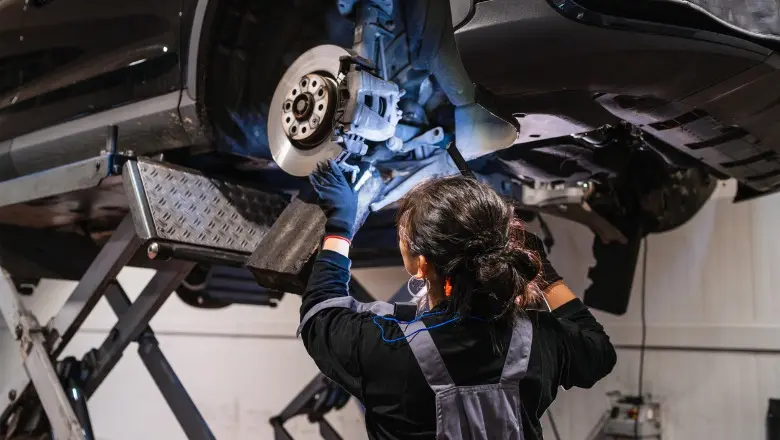
One of the main purposes of your car insurance is to help cover the cost of repairs when your car is damaged in an accident, during theft or vandalism, or during natural disasters. As this list suggests, standard auto insurance does not cover the cost of all repairs, like those caused by normal wear and tear.

As a policyholder, you’ll want to understand what is covered and what isn’t so you know where to turn when your car needs some TLC.

Key Points

•  Car insurance typically covers repairs from accidents, theft, vandalism, and natural disasters.

•  Routine maintenance, wear and tear, and intentional damage are excluded from standard coverage.

•  Accidents should be documented with photos, videos, and, potentially, police reports for claims.

•  The claims process involves filing with the insurer, an assessment, and approval of repair costs.

•  Mechanical breakdown insurance is an option for covering repairs in older vehicles.

When Insurance Covers Repairs (and When It Doesn’t)

Your car insurance will typically cover repairs from damage that is sudden or accidental, such as car accident or hailstorm. But it’s likely your insurance will deny other types of claims.

Here’s a closer look at what your car insurance covers.

Repairs Covered by Collision and Comprehensive Policies

So, how does your car insurance work? First, it likely comprises several different types of coverage. Through your collision coverage, insurance should pay for repairs for damage caused during a collision with another vehicle, an animal, or stationary objects, such as a tree or guardrail.

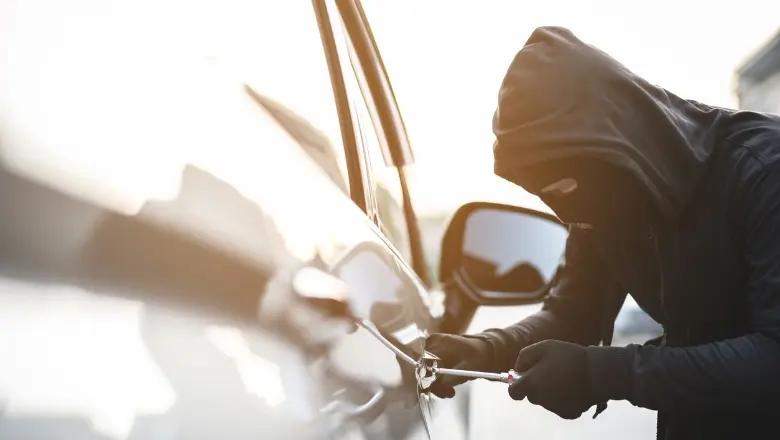
Through comprehensive insurance, you should also be covered if your car is stolen or intentionally damaged by another person in an act of vandalism. Damage done during natural disasters, such as fire, floods, hail, or falling debris, is also covered under this type of policy.

Repairs Not Covered by Insurance

There’s a long list of things that you shouldn’t expect your insurance to cover. Routine maintenance and general wear and tear are not covered by standard auto insurance. Neither are mechanical breakdowns, such as a failing transmission, or damage done through lack of maintenance, like failing to change your oil. Unfortunately, you’ll have to pay for these repairs on your own.

It may also go without saying that damage you do purposefully to your vehicle is not covered. And if you damage your car while using it for business purposes or performing an illegal activity, your insurance may deny you as well.

Understanding Your Deductible’s Role in Repairs

Your collision and comprehensive insurance policies may have a car insurance deductible. This is the amount of money you’ll have to pay before the insurance kicks in. For instance, say a tree branch falls on your car, causing $1,500 in damage. If you have a $500 deductible on your comprehensive policy, you’ll need to pay that first, and your insurance will pay the remaining $1,000.

Recommended: A Comprehensive Guide to Car Insurance

What About Mechanical Breakdowns?

There is optional coverage that can provide further protection. Mechanical breakdown insurance (MBI) helps protect you from unexpected repairs and breakdowns after your manufacturer’s warranty expires. It’s usually offered as an add-on to your existing insurance policies, but there are also third-party providers who may sell it as a standalone policy.

How This Separate Coverage Fills the Gaps in Standard Policies

Standard policies do not cover breakdown-related repairs. MBI will step in and cover the cost of mechanical failures in major systems such as the engine, transmission, steering, axles, fuel systems, and electrical system. There is typically a deductible that you’ll need to pay first before this add-on kicks in.

Some policies may even include coverage for roadside assistance, which could cover you in case your car needs to be towed or you’re locked out or need to be jumped. If you’re stranded somewhere far from home, MBI may even cover the cost of lodging or renting a temporary replacement vehicle.

Note that MBI does not cover routine maintenance like oil changes, tuneups, or brakepads.

Who Should Consider This Type of Coverage?

You might consider MBI if your car is no longer under factory warranty. Your factory warranty should cover the cost of mechanical breakdowns. You may also be offered an extended warranty, but it is worth checking whether mechanical breakdown insurance is cheaper than this option. In general, MBI costs anywhere from between $30 and $100 per year. An extended warranty by comparison costs nearly $1,300 per year on average.

If you plan to keep your car for a long period of time, MBI may be worth considering, as the likelihood of breakdowns increases as your vehicle ages. If you don’t have a high tolerance for risk and you’re worried about large bills for major repairs, this coverage may also be worth exploring.

Recommended: When Is a Car Considered Totaled?

The Process: Filing a Claim for Car Repairs

When covered damage does occur, whether through your standard policies or MBI, you’ll need to file a claim with your insurance company. They will determine whether the damage is covered and how much they are willing to pay for the repair.

Steps to Take After Covered Damage Occurs

When damage occurs to your vehicle, your first step is to document the incident. If the accident involves another driver, get their name, phone number, and insurance information. Take down information about their vehicle as well, including the make, model, and license plate number. And if there were any witnesses, take down their contact information.

Take pictures and videos to document the scene of the accident. This will help show what damage was done to your car, the other person’s vehicle, and can help capture what the weather and road conditions were like. It can also be good idea to get a police report, which can help the claims process move more quickly.

Next, call your insurer and file a claim. You’ll need to provide your policy number, the details of the incident, and the police report, if you have one. An insurance adjuster will then investigate the damage and liability. You’ll likely need to send them the information you gathered documenting the accident.

The adjuster may assess the damage to your vehicle in person or they may have you take it to a repair shop, which will do the assessment for them.

Working With Your Insurer and Repair Shop

After you file a claim, your next step is to get a repair estimate from a body shop. Your insurance company may recommend shops or you can go to the shop of your choosing. You’ll submit this estimate to your insurance company.

Next, an adjuster may need to review the estimate and compare it to their own assessment of the damage. If the estimates are similar, your insurer will likely approve the cost. If they’re not, you may need to get additional estimates from other body shops.

Once the estimate is approved, the body shop can start repairs. Your insurer may pay the shop directly or issue a payment to you, minus your deductible.

Recommended: How to Lower Your Car Insurance

The Takeaway

Does car insurance cover repairs? Your insurance will usually cover the cost of repairs to damage done in an accident or other covered incidents. But it may not cover repairs for mechanical issues or general wear and tear. For that, you might consider mechanical breakdown insurance, which can help pay for certain types of mechanical issues after your vehicle warranty has expired. It’s a good idea to review your policy so you understand what it covers and when you might need to be prepared to pay for a repair out of pocket.

When you’re ready to shop for auto insurance, SoFi can help. Our online auto insurance comparison tool lets you see quotes from a network of top insurance providers within minutes, saving you time and hassle.


SoFi brings you real rates, with no bait and switch.

FAQ

Does car insurance cover normal wear and tear on my vehicle?

Car insurance does not cover normal wear and tear on your car. Prepare to cover these expenses yourself. The good news is, they tend to be predictable, so it may be worth establishing a separate savings account to cover auto repairs.

What’s the difference between collision and comprehensive coverage for repairs?

Collision insurance covers damage to your vehicle caused by a collision with another car or an object. Comprehensive coverage protects you in the event of damage not caused by collision, such as theft, vandalism, animal damage, and natural disasters.

Will my insurance pay for an engine or transmission failure?

Your standard insurance will typically not pay for engine or transmission failure outside of damage caused during an accident. However, a mechanical breakdown insurance policy may cover these costs.

Do I have to use the repair shop my insurance company recommends?

Insurance companies may have a list of repair shops they recommend, but you do not have to use them. You can take your car to your own trusted mechanic.

What is mechanical breakdown insurance, and is it worth it?

Mechanical breakdown insurance helps cover unexpected mechanical and electrical issues after your vehicle warranty has expired. It is often cheaper than an extended warrant, and may be worth it if you plan to keep your vehicle for a long time.


photo credit: iStock/koldo studio
Auto Insurance: Must have a valid driver’s license. Not available in all states.
Home and Renters Insurance: Insurance not available in all states.
Experian is a registered trademark of Experian.
SoFi Insurance Agency, LLC. (“”SoFi””) is compensated by Experian for each customer who purchases a policy through the SoFi-Experian partnership.

Financial Tips & Strategies: The tips provided on this website are of a general nature and do not take into account your specific objectives, financial situation, and needs. You should always consider their appropriateness given your own circumstances.

SOPRO-Q325-022

Read more

Does Car Insurance Cover Theft of Personal Items?

Imagine someone breaks into your car and steals your backpack — and the laptop inside of it. Or the guitar you left in the backseat. Or the phone you forgot to disconnect from the charger. Theft of a personal item can be a real drag. And if it’s ever happened to you, you may wonder if your car insurance covers it.

The answer to this question is typically no, but that doesn’t mean you’re out of options. Here’s a look at other ways you may be protected in case of theft.

Key Points

•  Standard car insurance does not cover theft of personal items from a vehicle.

•  Comprehensive auto insurance covers vehicle damage from theft, including broken windows.

•  Homeowners and renters insurance can cover personal items stolen from a car, subject to policy limits.

•  To file a claim, document theft, file a police report, and contact the insurance company.

•  Filing a claim for stolen items may increase insurance rates due to perceived higher risk.

The Short Answer: Homeowners or Renters Insurance Is Key

Standard auto insurance policies typically do not cover theft of personal items from your car. That said, homeowners and renters insurance may. Let’s dive in.

Why Car Insurance Typically Doesn’t Cover Personal Belongings

Car insurance coverage is designed to protect your vehicle only, not the items that are inside. So built-in components like a catalytic converter are covered, but the laptop in your backseat isn’t.

That said, if someone breaks into your car, does insurance cover it? As we mentioned, it likely won’t cover the items that were stolen. But your insurance may cover damage to your vehicle caused during the break-in, such as a smashed window.

How Your Home or Renters Policy Protects Items in Your Car

Homeowners and renters policies are designed to protect your personal property at home and away. While your car insurance may pick up the cost of a smashed window, turn to these other two policies to cover your stolen laptop, at least to a certain extent.

What Comprehensive Auto Insurance Covers

We often talk about car insurance as an umbrella term for several different types of coverage. One common kind of coverage is comprehensive insurance, which can help pay for damages not caused by a collision.

Protection for the Vehicle Itself

Comprehensive insurance covers damages to your car from theft, vandalism, accidents with animals, and other events such as fire or natural disaster. It’s not required and is typically an add-on to your insurance policies.

Comprehensive coverage usually has a deductible you’ll need to pay before it kicks in. For example, if you have a $500 deductible and $1,000 worth of damage, you’ll pay the first $500 and your insurer will step in and pay the rest.

How Comprehensive Differs from Personal Property Coverage

Comprehensive insurance covers your vehicle itself. It doesn’t cover moveable objects you may bring in and out of your car. That said, if there are items that you’ve attached to your car, such as a bike rack, for example, it’s possible they are covered under your comprehensive policy.

Personal property coverage, on the other hand, helps protect personal items against covered perils like fire or theft. It’s part of a homeowners or renters insurance policy.

Limits and Exclusions Related to the Vehicle

There are typically limits to your comprehensive coverage. For instance, it does not usually cover custom parts. And if you’ve installed a custom stereo and it is stolen, comprehensive insurance is unlikely to cover it.

It also does not cover damage done in a collision or anything related to normal wear and tear or mechanical breakdowns. And it may go without saying, but no car insurance will cover any damage that is intentional.

Homeowners and Renters Insurance Considerations

Homeowners and renters insurance both help protect your personal items. Homeowners will also protect the physical structure of a home, while renters insurance coverage does not protect the structure of the home occupied by the tenant.

Both types of insurance are subject to several limitations.

Recommended: Does Renters Insurance Cover Bike Theft?

Off-Premises Coverage for Your Personal Belongings

In general, renters insurance and homeowners insurance cover personal belongings losses that occur away from the home. But coverage is limited. Typically, there’s a maximum payout that’s capped at a certain percentage of your personal property coverage.

For example, if your personal property coverage is $50,000 and your off-premise coverage is capped at 10%, then items off-premise are covered up to $5,000.

Understanding Your Deductible and Policy Limits

As with comprehensive coverage, your homeowners and renters insurance will also likely have a deductible. You’ll need to pay this first before your insurance steps in.

It’s also important to understand the personal limit, or the amount up to which your policy will cover. Renters tend to be able to set their own personal limits based on the value of their belongings. For homeowners, personal property limits are often set as a percentage of the dwelling coverage. The personal property limits might be 50% of the dwelling coverage, for instance. So a homeowners policy with $300,000 worth of dwelling coverage would have personal property coverage of $150,000.

Recommended: A Comprehensive Guide to Homeowners Insurance

Tips for Filing a Claim Under Your Home or Renters Policy

Ideally, when you get a home or renters policy, you’ll create an inventory of your personal belongings. You can do this by making a room-by-room list of each item and its value. Document these items as best you can with photographs, videos, and receipts for valuables.

Filing a claim starts with documentation as well. Take photographs of all damaged areas, and don’t throw away damaged items until your claims adjuster has inspected them. If your items have been stolen or vandalized, file a police report and get a copy of it for your records. If you’re a renter, contact your landlord as well. They will be responsible for any damage done to the building.

Contact your insurance company and supply them with your policy number and contact information. They’ll assign an adjuster, who will review your policy, assess your claim, and offer a settlement. If you do not agree with the settlement, you can discuss it with your insurer.

Recommended: A Comprehensive Guide to Renters Insurance

The Takeaway

The theft of a personal item from your car can be distressing. But if someone breaks into your car, does car insurance cover it? Personal items stolen from your vehicle aren’t typically covered by your car insurance, but they may be covered under your homeowners and renters policies. To stay protected, learn how your policies work together to help ensure your valuables are covered.

When you’re ready to shop for auto insurance, SoFi can help. Our online auto insurance comparison tool lets you see quotes from a network of top insurance providers within minutes, saving you time and hassle.


SoFi brings you real rates, with no bait and switch.

FAQ

So, which policy covers items stolen from my car: auto or home/renters?

Homeowners and renters policies typically both cover personal items that are stolen from your car. Auto insurance policies do not.

Is it worth filing a claim for stolen personal items due to the deductible?

If the value of the item exceeds the deductible, then it may be worth filing a claim. However, if it is under the deductible, it may not be worth your trouble.

Are expensive items like laptops or phones fully covered?

Expensive items are usually covered after you’ve paid your deductible. For instance, if you have a $500 deductible and a stolen laptop is valued at $1,200, you’ll pay the $500 deductible first. Your insurance will step in and cover the remaining $700.

Does my comprehensive coverage pay to repair a broken window after a break-in?

Yes, your comprehensive coverage will typically pay to repair a broken window after a break-in. However you’ll likely have a deductible that you’ll need to pay first before it kicks in.

Will my rates go up after filing a claim for theft from my car?

Unfortunately, your rates may go up after you file a claim. That’s because rates are set based on risk, and filing a claim indicates that a risk of future claims is more likely.


photo credit: iStock/tuaindeed
Auto Insurance: Must have a valid driver’s license. Not available in all states.
Home and Renters Insurance: Insurance not available in all states.
Experian is a registered trademark of Experian.
SoFi Insurance Agency, LLC. (“”SoFi””) is compensated by Experian for each customer who purchases a policy through the SoFi-Experian partnership.

Financial Tips & Strategies: The tips provided on this website are of a general nature and do not take into account your specific objectives, financial situation, and needs. You should always consider their appropriateness given your own circumstances.

SOPRO-Q325-023

Read more
Close-up of a teal car hood covered in hailstones and water droplets, with windshield wipers in the background.

Does Car Insurance Cover Hail Damage?

Will car insurance cover hail damage? Yes, assuming you have a certain type of coverage.

Whether your car was recently damaged by hail or you’re just thinking ahead, here’s what you need to know about what car insurance covers when it comes to hail.

Key Points

•  Hail damage can cause significant harm, including dents and cracked windshields.

•  Comprehensive coverage is necessary for hail damage to be covered by car insurance.

•  Photos and videos of the damage are crucial for a successful claim.

•  An insurance adjuster will inspect the car and estimate repair costs.

•  If repair costs exceed the car’s value, the vehicle may be declared totaled.

Understanding Hail Damage and Your Auto Policy

Does car insurance cover hail damage? As we mentioned, it does. But the type of car insurance you have is important here. Liability and collision alone won’t cover you in this situation; you need comprehensive coverage.

Comprehensive coverage covers any damage done to a vehicle that is not the result of a collision. It typically covers things like:

•   Animal collisions, such as hitting a deer

•   Falling objects, such as rocks or tree limbs

•   Fire

•   Natural disasters, such as lightning, floods, hurricanes, and hail

•   Theft

•   Vandalism

What Is Hail Damage and How Does It Affect Your Vehicle?

Falling hail can leave golf ball-sized dents on your vehicle and can also easily crack your windshield. Depending on the severity of the storm and how exposed your vehicle was, falling hail can easily total a car. If that happens, your insurance company may decide to simply pay you for your car’s value rather than foot the bill for body repairs.

What Type of Car Insurance Covers Hail Damage?

As we discussed, comprehensive car insurance covers hail damage. It’s optional coverage, but purchasing it covers your vehicle from a variety of other events, including vandalism and natural disasters.

Exclusions and Limitations Regarding Hail Damage

Understanding whether insurance covers hail damage on a car often comes down to the fine print. No two insurance companies are exactly alike, so don’t assume you’re automatically covered for hail damage if you have comprehensive coverage.

Some insurance companies, for instance, have unusual exclusions for hail damage, so it’s a good idea to review your policy and note any exclusions. One example is “cosmetic only” language, which means hail damage may not be covered if your car functions normally otherwise.

If you have questions about your policy, call your insurance agent.

Recommended: Auto Insurance Resources: A Comprehensive Guide to Car Insurance

Filing a Hail Damage Claim

If a hail storm has left your car with dents and dings — and you have comprehensive coverage — you may decide to file a claim with your insurance company. Let’s take a look at the steps to follow.

Step-by-Step Process for Filing Your Claim

1. Document the damage. Once the storm has passed and it’s safe to be outside, your first order of business is to take extensive pictures and videos of the damage. Be as thorough as possible, and take both close-up and far away shots.

2. Contact your insurer. Next, get in touch with your insurance company, whether by logging into your auto insurance online portal, going through your carrier’s mobile app, or calling your insurer directly. Notify them of the type of damage your car has incurred and when and where it happened.

3. Submit the documentation. Upload the pictures and videos you took of the damage.

4. Await evaluation. An insurance adjuster will likely inspect your car and come up with an estimate for the repairs. Your insurance company will determine the payout based on that evaluation, which you can negotiate if necessary.

5. Receive payment and start the repairs. Once your claim is approved, you’ll receive a payment from your insurer. You’re free to take your car to a body shop of your choice to have the repairs done. Be sure to keep a record of the work for your files.

What Documentation Is Needed for a Successful Claim?

As we discussed, photos and videos are going to be your main source of documentation. So as we discussed, take a lot of pictures and videos from a variety of angles. If it’s safe to do so, try to take photos before the hail has melted.

Take note of the time and date your car received hail damage so your adjustor can confirm with local weather reports that hail was indeed spotted in your area. You may even want to take screen shots of any weather reports you find just in case.

Tips for Maximizing Your Claim Payout

To maximize your claim payout, try to take pictures of the hail damage while there is still hail on the ground. If you can, link to any weather reports, too. They’ll help verify the cause of your claim.

Repairing Hail Damage: What to Expect

Here’s what you can expect in the event your car is damaged by hail and your claim is approved.

Common Repair Methods

Repair shops have a variety of techniques to fix small dents from hail. One method they use is a heat gun, which involves heating up the area with the dent and then quickly applying dry ice. The rapid heating and cooling of the surface area will often cause the metal to pop back into its original position before the dent.

Another common method repair shops use is to simply apply a suction cup to each dent and gently pull upwards. However, because this method involves dealing with each dent individually, the process can take longer and increase the final bill.

What Happens If Hail Damage Totals Your Car?

Is hail covered by car insurance? Yes, provided the cost of repair doesn’t exceed your car’s worth. If hail damage totals your car, your insurance carrier may opt to pay you for your car’s worth minus your deductible.

For example, if your car is worth $5,000 and you have a $500 deductible, and the repair cost is estimated at $7,000, then your carrier will instead opt to pay you $4,500 instead.

Recommended: How to Switch Car Insurance

The Takeaway

Will car insurance cover hail damage? Yes, but you need comprehensive coverage. Just keep in mind that what each company covers in the event of hail damage may be different, so read your policy’s fine print. If it has unusual exclusions, it may be time to switch providers.

When you’re ready to shop for auto insurance, SoFi can help. Our online auto insurance comparison tool lets you see quotes from a network of top insurance providers within minutes, saving you time and hassle.

SoFi brings you real rates, with no bait and switch.

FAQ

Do I need comprehensive coverage for hail damage to be covered?

Yes, you need comprehensive coverage for hail damage to be covered. Simply having liability or collision is not enough.

Will filing a hail damage claim make my insurance rates go up?

Filing a hail damage claim may make your insurance rates go up, but it depends on your carrier and filing history. Typically, at-fault claims cause rates to go up more so than an event outside of your control.

If you feel the rise in your premium is too high, you may want to consider switching carriers. Switching car insurance providers isn’t difficult. The important thing is to compare prices and choose the provider that has all of the coverage options you need.

What if the cost to repair the hail damage is more than my car is worth?

If the cost to repair the hail damage is more than your car is worth, your insurance carrier will likely consider your car totaled and pay you for your car’s worth minus your deductible.

Do I have to pay a deductible for a hail damage claim?

Yes, you have to pay a deductible for a hail damage claim. If you don’t know what your deductible is, call your insurance company or check your policy.

Can I choose my own repair shop for hail damage?

Yes, you should be able to choose your own repair shop after your claim has been approved. However, your provider may have some recommendations, which may save you time and money.


Photo credit: iStock/Willowpix

Auto Insurance: Must have a valid driver’s license. Not available in all states.
Home and Renters Insurance: Insurance not available in all states.
Experian is a registered trademark of Experian.
SoFi Insurance Agency, LLC. (“”SoFi””) is compensated by Experian for each customer who purchases a policy through the SoFi-Experian partnership.

Financial Tips & Strategies: The tips provided on this website are of a general nature and do not take into account your specific objectives, financial situation, and needs. You should always consider their appropriateness given your own circumstances.

SOPRO-Q325-028

Read more
A Black family of three smiling in a car, buckled up. A man drives, a woman is in the passenger seat, and a child is in the back.

Does Car Insurance Cover Other Drivers?

Oftentimes, car insurance policies do cover other drivers when someone besides you is using your vehicle. But a number of factors impact whether or not a claim will be approved by your insurer, including what drivers are listed on your policy and whether the driver had permission to drive your car.

Learn more about when your car insurance covers other drivers and when you may be liable for any damage that occurs when someone else is behind the wheel.

Key Points

•  Car insurance typically covers other drivers with permission, but coverage limits apply.

•  The policyholder is responsible for the deductible and potential premium increases after a claim.

•  Regular users of the car should be listed on the policy to ensure coverage.

•  Non-permissive use, such as a stolen car, usually isn’t covered by insurance.

•  Verify that the driver has a valid license and a good driving record.

Understanding Coverage for Other Drivers

Does car insurance cover the car or the driver when an accident occurs? In general, your auto insurance policy is attached to the vehicle. But certain factors could impact whether or not another driver is covered.

How Car Insurance Typically Covers Additional Drivers

Car insurance usually covers other drivers if they have the owner’s permission to drive the vehicle. Any drivers who live in your household should be listed on your insurance policy, especially if they regularly drive your car. Otherwise, you run the risk of having a claim denied.

Coverage may also extend to people who don’t live with you. For instance, family guests staying at your home or a friend who borrows your car with your permission may be covered under your policy.

Of course, there are exceptions to keep in mind. Coverage might not apply if you rent your car out to a car-sharing company or if the vehicle is being driven for a commercial use not included in your policy. The same holds true if your policy lists any excluded drivers, such as an elderly relative or someone in the household with a poor driving record.

The Distinction Between Liability and Collision Coverage

Even if another driver is covered by your policy, getting approved for a claim depends on what your car insurance covers. Two common types of policies are:

•   Liability coverage, which helps cover damage to other vehicles and property as well as medical expenses if you’re at fault.

•   Collision coverage, which helps cover damage to your vehicle only when you’re involved in an accident and are at fault.

Both collision and liability auto insurance come with a maximum dollar amount covered. You’re also responsible for your deductible, which is subtracted from the reimbursement funds you may receive from your insurer.

Factors That Influence Your Coverage Limits

Coverage limits typically aren’t impacted when you let other drivers use your car, but it’s important to understand how you (and others) are covered.

•   State minimums: Most states require liability insurance with a minimum amount of coverage. For instance, $25,000/$50,000/$50,000 refers to the maximum coverage for bodily injury per person, bodily injury per accident, and property damage per accident.

•   Cost of premium: You can get higher coverage on both types of policies, but your premium will likely cost more.

Recommended: How Much Auto Insurance Do I Really Need?

Permissive vs. Non-Permissive Use

Whether or not car insurance covers other drivers also depends on if they had permission to get behind the wheel. This distinction is called permissive vs. non-permissive use.

Definition of Permissive Use and Its Implications

Generally speaking, permissive use is exactly how it sounds: You’ve given permission to another driver to use your car. In many cases, this means your car insurance coverage stays with your car and any driver who has your permission.

The term becomes less clear-cut when a driver regularly uses your car but isn’t listed on your policy. That could be a family member, a roommate, or a babysitter who picks up your kids, so pay attention to how frequently someone actually drives your car.

What Happens with Non-Permissive Use

There are several examples of non-permissive use, which also have an impact on whether or not car insurance covers the driver or the car.

When your car is stolen, for example, you didn’t give the driver permission. If an accident occurs and that driver is at fault, you won’t be held liable. Instead, the thief or victim will be responsible for any damages. However, damage to your own car will typically only be covered if you carry comprehensive insurance.

Examples of Scenarios for Both Types of Use

Determining whether a situation qualifies as permissive or non-permissive use involves a number of factors and plenty of nuance. Here are two interesting examples that went to court for a final ruling.

Permissive use

One court case involved a daughter who had permission from her parents to drive her car. Her friends were not allowed to drive the vehicle. But after getting sick, she asked a friend to drive, who then got in an accident. This was interpreted as an emergency due to the sudden illness and was considered permissive use.

Non-permissive use

In another court case, a mechanic had permission to drive a customer’s car while repairing it. But he was in an accident while driving the car late at night with friends (without any repair work happening), so this was ruled non-permissive use.

Recommended: How Car Insurance Works

Whose Insurance Applies in an Accident?

When two parties are involved in an accident, the insurance used to cover the damage depends on who is at fault.

Your Policy: The Role of Primary vs. Secondary Coverage

When your policy is used to cover damages from an accident, your primary insurance policy will pay out first. You can get coverage up to the limit of each component of your policy, such as liability and collision.

Remember, however, that you’re financially responsible for your deductible. So if the claim reimbursement totals $5,000 and your deductible is $500, you’ll only receive $4,500 from your insurance company.

Secondary coverage covers any eligible damage that goes beyond your primary coverage. Examples of secondary insurance include:

•   Supplemental liability coverage

•   Rental car insurance

•   Health insurance applied to accident-related injuries

How Insurance Claims Are Processed with Multiple Policies

When you have multiple policies and someone else is driving your car, your primary policy will go into effect first. Any relevant supplemental policies will be used next, including the actual driver’s own car insurance policy.

But if the driver of another car is found at fault, their insurance coverage should pay for any damage or medical bills, even if someone else is driving your car.

If the driver of your car didn’t have permission, they will likely be liable for any damages that were their responsibility.

Situations That May Complicate Liability

One issue that can complicate liability is if you allow an uninsured driver to use your car. Your policy may still cover damages up to the policy limits, but that driver could also be liable for damages beyond your maximum coverage.

Need a refresher on how car insurance works? Consider checking out our auto insurance guide.

Things to Consider Before Allowing Others to Drive Your Car

Is it worth letting someone else drive your car? Here’s what to think about.

Potential Risks of Lending Your Vehicle

These are some common risks involved with letting someone else drive your car:

•   Your insurance premium could increase after the claim.

•   You’ll be responsible for the deductible.

•   The claim could be denied if the other driver frequently uses your vehicle.

•   You could be responsible for camera-enforced tickets .

Insurance Implications for Accidents Involving Other Drivers

When someone else is driving your car and gets into an accident, you’re responsible for the claims process. You must also pay your deductible, and as previously mentioned, your annual premium could go up.

Best Practices for Sharing Your Car Safely

Before you let anyone else drive your car, get the facts in order. Find out details around the driver’s license status, driving record, and age.

Also consider the condition of your car, as well as the weather conditions in which they’ll be driving. If you’re loaning your car to a new driver, for example, you may want to think twice if rain is in the forecast.

The Takeaway

If you’re considering loaning out your car to a friend, you may wonder, Does my car insurance cover other drivers? Typically, it does, but there are several factors that could impact whether your insurance company will approve a claim in the event of an accident. Before you decide to loan out your car, it’s a good idea to review your policy terms or talk to your insurance agent.

When you’re ready to shop for auto insurance, SoFi can help. Our online auto insurance comparison tool lets you see quotes from a network of top insurance providers within minutes, saving you time and hassle.

SoFi brings you real rates, with no bait and switch.

FAQ

What happens if a friend crashes my car but they have their own insurance?

First, your own insurance will likely serve as the primary insurance to pay out any damages. If the damage exceeds your policy limits, your friend’s car insurance could kick in to cover the difference.

Am I covered if I get into an accident while borrowing a friend’s car?

It depends on the situation. Assuming you have permission to use the car and are not a frequent driver of their vehicle, you could be covered up to the limits of your friend’s insurance policy.

Do I need to add my roommate or a family member to my policy?

If your roommate or a family member regularly uses your vehicle, you should consider adding them to your policy.

What is an “excluded driver” on a car insurance policy?

An excluded driver is a specific individual listed on your policy who is not allowed to drive your vehicle. It could be someone in the household with a bad driving record (such as a DUI), or an elderly relative who is no longer allowed to drive.

Will my rates go up if someone else has an accident in my car?

Yes, it is possible that your rates will go up if someone else has an accident in your car. However, there may not be an impact if the driver of another vehicle was at fault.


Photo credit: iStock/Prostock-Studio

Auto Insurance: Must have a valid driver’s license. Not available in all states.
Home and Renters Insurance: Insurance not available in all states.
Experian is a registered trademark of Experian.
SoFi Insurance Agency, LLC. (“”SoFi””) is compensated by Experian for each customer who purchases a policy through the SoFi-Experian partnership.

Financial Tips & Strategies: The tips provided on this website are of a general nature and do not take into account your specific objectives, financial situation, and needs. You should always consider their appropriateness given your own circumstances.

SOPRO-Q325-025

Read more
Cracked car windshield from the inside, showing radiating lines of damage across the glass.

Does Car Insurance Cover Windshield Replacement?

Your car insurance is designed to cover the cost of repairs to your vehicle in case of accident or damage in events like theft, vandalism, or natural disasters. As a result, car insurance likely covers the replacement of a broken windshield, but it will depend on how the windshield was broken and what type of coverage you carry.

Understanding how different types of coverage work is key to knowing when you’ll pay out of pocket and when insurance will pick up the tab.

Key Points

•   Car insurance can cover windshield replacement under collision or comprehensive coverage.

•   Some states offer no-deductible comprehensive coverage for windshield replacement.

•   Repair costs for minor damage are lower, ranging from $60 to $90, while replacements cost $200 to $500 or more.

•   Filing a claim involves contacting the insurer, providing damage details, and determining deductible applicability.

•   Car owners can usually choose their preferred repair shop, even if the insurance company suggests certain providers.

Does Car Insurance Cover Windshield Damage?

There are different types of car insurance coverage. Windshield damage is typically covered through collision or comprehensive insurance. How your windshield is damaged will determine which of these kicks in to pay the cost.

Types of Coverage That Apply to Windshield Damage

Here’s a closer look at the two types of auto insurance coverage that will typically apply to windshield damage.

•   Collision coverage covers the cost of repairs after your car has been in an accident with another vehicle or a stationary object, such as a lamp post or tree, regardless of who’s at fault. It’s typically optional and not required by state law, though some lenders may require it if you finance the purchase of your vehicle.

•   Comprehensive coverage protects your car from non-collision damage. This includes theft, vandalism, fire, falling objects, hitting an animal,and natural disasters like flooding or hail storms. Like collision insurance, comprehensive coverage is an optional add-on.

Both collision and comprehensive coverage usually have a car insurance deductible. This is an amount that you have to pay out-of-pocket before your insurance kicks in. For example, if you have a $500 deductible and a fallen branch causes $1,000 worth of damage to your car, you’ll have to pay $500 toward the cost of repair first before you comprehensive insurance steps in to pay the rest.

Differences Between Comprehensive and Collision Coverage for Glass

To be clear, your collision coverage pays for the cost of windshield replacement when it has been damaged in a collision with another vehicle or object. Your comprehensive coverage will pay in most other scenarios, like if a tree branch falls on your car, for example.

State-Specific Regulations and “Full Glass Coverage”

One important thing to know is that the cost of windshield replacement may be less than your insurance deductible. On average, replacement can cost between $200 and $500. But where you live could impact how much you’ll pay.

In Florida, Kentucky, and South Carolina, no deductible is charged for a windshield replacement if you carry comprehensive insurance and meet coverage requirements. A handful of states allow you to purchase separate glass coverage with no- or low-deductible options for windshield replacement. These states usually require that you carry comprehensive coverage as well. States that require insurers to offer separate glass coverage include Arizona, Connecticut, Massachusetts, Minnesota, and New York.

Drivers in other states may need to pay for the cost of windshield replacement out of pocket.

Recommended: Auto Insurance Guide

When to Repair vs. Replace Your Windshield

You don’t always have to replace a damaged windshield — chips and short cracks can be repaired. That’s a good option for chips that are less than an inch across and for cracks that are shorter than the length of a dollar bill.

Signs That Indicate a Windshield Needs Replacement

Sometimes, the damage to your windshield requires a full replacement. You’ll want to go this route if a crack is longer than a dollar bill or if it’s near the edge of your windshield, as this could affect the structural integrity of the glass.

Cracks or chips that are directly in your line of sight may signal that your windshield needs to be replaced. Even if they can be repaired, the resin used to fix them will still leave a mark that could impair your vision.

Cost Comparison Between Repair and Replacement

The cost of small repairs to a windshield can be relatively low, around $60 to $90. By comparison, the cost of replacing your windshield could be significantly more.

Replacing windshields on older vehicles tends to be the cheapest scenario. This is where you can expect to pay the above-mentioned $200 to $500. There are several factors that can increase costs from here. If your car has a larger-than-standard windshield, is a luxury vehicle, has a special design, or includes technology built into the windshield, be prepared for costs to be higher.

For instance, if your windshield includes advanced driver assistance systems, such as automatic braking and adaptive cruise control, plan on paying $1,000 or more to replace it.

Recommended: How to Lower Car Insurance

How a Windshield Claim Works

In general, a windshield claim is relatively simple to file. First, be sure the repair or replacement is covered by your comprehensive insurance or additional glass coverage. You can do this by calling your insurance provider or looking at your auto insurance terms and policy details.

Filing a Claim and Your Deductible

To file a claim, contact your insurer’s claims center and provide your personal information and policy number. Describe the damage and be prepared to provide documentation, such as pictures or a video. Your insurance company can help you determine the cost of repair or replacement. If cost is less than your deductible, you may need to foot the bill yourself.

When your car is serviced, you might need to pay the deductible amount first, and your insurance company will pay the remaining amount directly to the shop.

How Insurance Companies Handle Repair vs. Replacement Costs

Based on the severity of the damage, you may be able to repair your windshield or you may need to replace it entirely. In the case of a minor repair, your insurance company might waive your deductible. However, your deductible may apply to a full replacement.

Choosing a Glass Repair Shop

Your insurance company may provide a list of recommended repair shops to repair or replace your windshield. But in general, you have the final say over where to take your car.

The Takeaway

Does car insurance cover a cracked windshield? When it comes to a damaged windshield, covered repairs or replacements are not necessarily a given. It depends on your policy, how the damage occurred, and the cost of repairs. Understanding what your auto insurance covers and knowing your options ahead of time can help save you from surprises when repairs are needed.

When you’re ready to shop for auto insurance, SoFi can help. Our online auto insurance comparison tool lets you see quotes from a network of top insurance providers within minutes, saving you time and hassle.

SoFi brings you real rates, with no bait and switch.

FAQ

Will filing a windshield claim raise my insurance rates?

Unfortunately, filing a windshield claim could raise your insurance rates when you renew. However, this will depend on your coverage and other factors, such as state law.

Do I have to pay a deductible for a small chip repair?

Many insurance companies will waive the deductible for repairs to small chips, so you likely won’t have to pay for these fixes.

What is “full glass coverage” and how do I know if I have it?

Full glass coverage is an insurance add-on with low or no deductible for windshield and other auto glass repairs. This is coverage that you have to choose. If you can’t remember whether you have chosen it in the past, you can review your auto insurance policy.

Can I choose my own glass repair shop?

You can choose your own glass repair show, though your insurance company may provide a list of preferred shops.

What if the windshield was damaged in a car accident?

If your windshield is damaged in a car accident, the cost of repair may be covered by your collision insurance.


Photo credit: iStock/4kodiak

Auto Insurance: Must have a valid driver’s license. Not available in all states.
Home and Renters Insurance: Insurance not available in all states.
Experian is a registered trademark of Experian.
SoFi Insurance Agency, LLC. (“”SoFi””) is compensated by Experian for each customer who purchases a policy through the SoFi-Experian partnership.

Financial Tips & Strategies: The tips provided on this website are of a general nature and do not take into account your specific objectives, financial situation, and needs. You should always consider their appropriateness given your own circumstances.

SOPRO-Q325-024

Read more
TLS 1.2 Encrypted
Equal Housing Lender